Cost-Effectiveness Analysis: three strategies to overcome common challenges
By Sotongnon Armand Degla with Simone Lombardini
Cost-Effectiveness Analysis: three strategies to overcome common challenges
By Sotongnon Armand Degla with Simone Lombardini
Cost-effectiveness analysis is crucial in harnessing rigorous evidence from impact evaluations into actionable, evidence-based policy. By weighing the impacts of different interventions against their costs, it helps decision-makers identify where to focus limited resources and deliver the greatest possible impact.

© WFP/Michael Tewelde
Yet many research programmes and impact evaluations treat cost-effeciveness analysis (hereafter referred to as CEA) as an afterthought, almost as a box-ticking exercise conducted after programmes are designed and implemented.
This approach creates a missed opportunity. This blog outlines three practical strategies to help make that transformation, turning cost-effectiveness analysis into a powerful engine for programme improvement.
1. Build cost-effectiveness into your project from day one
Too many impact evaluations wait until a programme ends to conduct cost-effectiveness analysis, usually triggered by donor requests or recognizing too late that it’s important. This creates a cascade of problems: missing financial records, departed staff, lost implementation details, and ultimately, inaccurate analysis that offers little actionable insight.
The solution is embedding cost-effectiveness thinking from the start. Set up cost-tracking systems before activities begin, train staff on data collection, and make regular cost reviews routine. This transforms CEA from a compliance exercise into a real-time management tool.
The payoff extends far beyond cleaner data. Teams can monitor costs as they happen, adjust interventions that aren’t working, and build institutional knowledge for future programmes. Most importantly, it shifts CEA from a reporting burden to a strategic advantage for smarter decision-making.
2. Develop and employ standardized templates
Standardized templates solve multiple problems at once: inconsistent cost categories, incomparable analyses across projects, and teams constantly reinventing the wheel. The result is faster, clearer, and more reliable cost analysis.
Building on frameworks from J-PAL, Innovations for Poverty Action, and the International Rescue Committee, the World Food Programme’s impact evaluation unit developed a standardized cost-effectiveness template specifically for school-based programme evaluations.
Effective templates need to balance comprehensiveness with usability. They should capture all essential cost categories without overwhelming field teams, include automated calculations and quality checks, and provide clear guidance for common implementation challenges. For these reasons, they need to be developed by subject matter- as well as cost-effectiveness experts, and require significant piloting and testing before deployment.
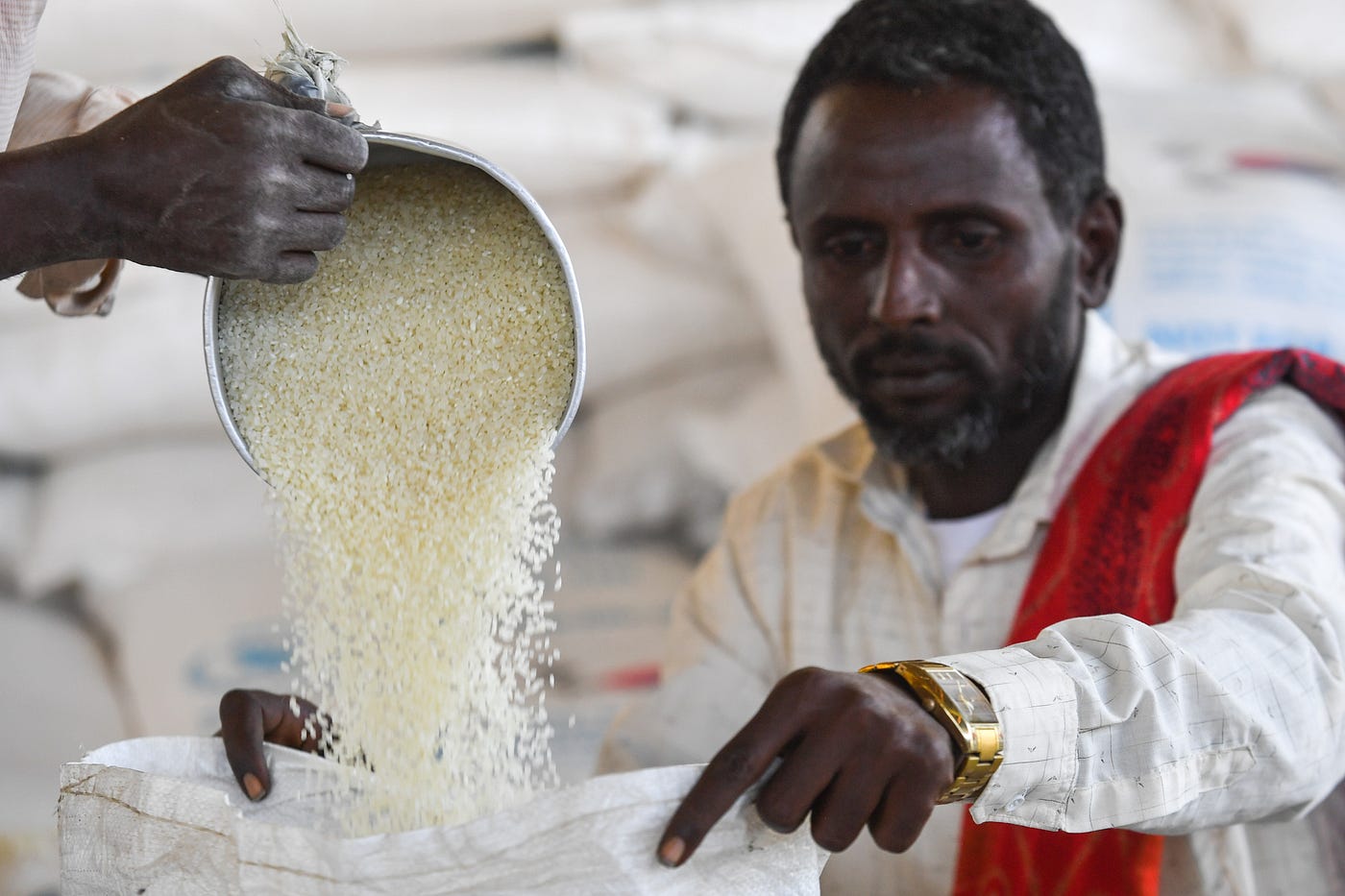
© WFP/Carolina Moncayo
3. Inside job: CEA works best from within
Effective cost-effectiveness analysis demands comprehensive access to financial records, including detailed breakdowns of operational costs, staff salaries, overhead expenses, and resource allocation across different programme activities. Without this complete financial picture, analysts cannot accurately calculate the true cost per outcome or identify areas where resources might be optimized.
Partial or sanitized financial data inevitably leads to incomplete analyses that may misrepresent programme efficiency and undermine evidence-based decision-making. The granular nature of financial information required for robust CEA means that surface-level budget summaries are insufficient for meaningful evaluation.
However, financial records are inherently sensitive documents that contain confidential information, and programme staff understandably hesitate to share such detailed financial information with external evaluators, creating a natural tension between the need for transparency in evaluation and the need to protect sensitive data.
The solution lies in conducting CEA through internal researchers who possess the necessary independence to maintain analytical objectivity while being trusted members of the organization. These internal evaluators can work collaboratively with programme staff, accessing the complete financial picture while maintaining appropriate confidentiality and building the trust necessary for honest, productive evaluation partnerships.
In conclusion, by embedding cost analysis from the beginning, using standardised templates, and setting up adequate governance structures, organizations can elevate CEA into a catalyst for better decision-making and programme improvement. These strategies ensure that cost-effectiveness is considered proactively, enabling organisations to allocate resources more efficiently and maximise their impact.
This post is part of our ongoing series on embedding cost-effectiveness into impact evaluations, where we share lessons learned from our work across different contexts. You can read about our experiences in Burundi and The Gambia in upcoming blogs.
메타데이터
- post_id
- 7ab95349609b
- slug
- cost-effectiveness-analysis-three-strategies-to-overcome-common-challenges-7ab95349609b
- url
- https://medium.com/@wfp-evaluation/cost-effectiveness-analysis-three-strategies-to-overcome-common-challenges-7ab95349609b
- canonical_url
- https://medium.com/@wfp-evaluation/cost-effectiveness-analysis-three-strategies-to-overcome-common-challenges-7ab95349609b
- author_url
- https://medium.com/@wfp-evaluation
- status
- ok
- fetched_at
- 2026-06-09 15:37:30