Exploring Fintech Options for Security Startups: A Guide to Innovation and Growth
Introduction: Where Fintech Meets Security Innovation
Exploring Fintech Options for Security Startups: A Guide to Innovation and Growth
Introduction: Where Fintech Meets Security Innovation
Security startups operate in a rapidly evolving threat landscape. At the same time, fintech innovation transforms how businesses manage capital, compliance, and risk. Therefore, combining fintech solutions with security-focused ventures creates powerful growth opportunities.
Modern security startups require agile funding, secure payment systems, and scalable infrastructure. Fintech provides those capabilities efficiently. As a result, founders can focus on product development while optimizing financial operations.
Why Fintech Matters for Security Startups
Security startups often deal with sensitive data and complex regulatory environments. Consequently, financial management must remain secure and transparent. Fintech platforms streamline transactions, improve compliance tracking, and reduce operational friction.
Moreover, fintech tools automate accounting, payroll, and global payments. This automation lowers administrative costs. Therefore, startups can allocate more resources toward cybersecurity innovation and research.
Digital Banking Solutions for Startups
Digital-first banks offer flexible financial management tools tailored for startups. Platforms like Brex and Mercury provide startup-friendly banking infrastructure.
These services include:
- Real-time expense tracking
- Integrated budgeting tools
- Automated financial reporting
- API-based payment systems
Additionally, digital banks often integrate with accounting software. This integration enhances operational efficiency and supports rapid scaling.
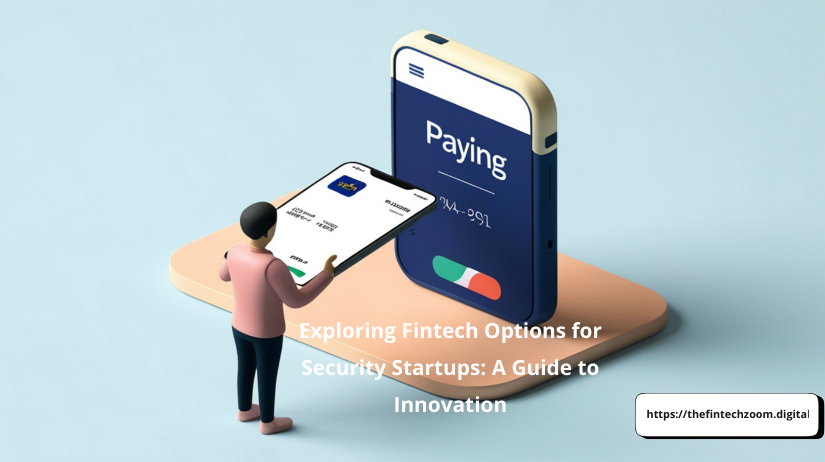
Secure Payment Processing Systems
Security startups frequently sell SaaS products or enterprise solutions. Therefore, reliable payment processing becomes critical.
Companies like Stripe and PayPal offer secure global payment gateways. These platforms support recurring billing and fraud detection tools.
Furthermore, advanced fraud prevention systems reduce chargebacks and unauthorized transactions. As a result, revenue streams remain stable and predictable.
Blockchain and Decentralized Finance Opportunities
Blockchain technology introduces secure transaction frameworks. Some security startups leverage blockchain for identity verification and data protection.
For example, the Ethereum network enables smart contracts. These contracts automate trust-based transactions without intermediaries.
Additionally, decentralized finance platforms expand funding access. Tokenization models allow startups to raise capital globally. However, regulatory compliance remains essential.
Crowdfunding and Alternative Financing
Traditional venture capital remains competitive. Therefore, fintech-driven fundraising offers strategic alternatives.
Equity crowdfunding platforms such as SeedInvest connect startups with accredited investors. Similarly, revenue-based financing solutions provide capital without equity dilution.
Moreover, peer-to-peer lending networks simplify short-term funding. These flexible financing models support early-stage security startups with limited collateral.
RegTech: Compliance as a Competitive Advantage
Security startups operate within strict regulatory frameworks. Consequently, regulatory technology, or RegTech, becomes vital.
Platforms like ComplyAdvantage automate anti-money laundering checks and compliance screening. These systems reduce human error and accelerate onboarding.
Additionally, automated compliance reporting strengthens investor confidence. Therefore, startups gain credibility while minimizing regulatory risk.
Embedded Finance and API Ecosystems
Embedded finance allows security startups to integrate financial services directly into their products. For instance, API providers like Plaid enable secure financial data access.
This integration enhances user experience. Furthermore, it opens new revenue channels through financial service partnerships.
As fintech ecosystems expand, startups gain modular infrastructure. Therefore, scaling becomes faster and more cost-effective.
Cybersecurity-Focused Fintech Tools
Security startups must protect financial data rigorously. Fintech solutions increasingly embed advanced cybersecurity measures.
Multi-factor authentication, AI-driven fraud detection, and encryption protocols strengthen financial resilience. Consequently, operational risk decreases significantly.
Additionally, fintech platforms undergo continuous security audits. This commitment supports high-trust environments essential for security-focused companies.
Data Analytics and Financial Intelligence
Fintech platforms provide advanced financial analytics dashboards. Real-time cash flow insights guide strategic decisions.
Predictive analytics identify revenue trends and cost patterns. Therefore, founders can make data-driven growth decisions quickly.
Furthermore, integrated AI tools forecast funding needs and runway projections. This clarity improves long-term planning.
Global Expansion Through Fintech Infrastructure
Security startups often target global markets. However, cross-border payments and currency management create challenges.
Fintech solutions simplify international transactions. Multi-currency accounts and automated exchange systems reduce friction. As a result, startups expand faster with lower operational complexity.
Additionally, compliance tools help navigate international regulatory landscapes. Therefore, global scaling becomes achievable and secure.
Risk Management and Insurance Innovation
Fintech platforms now integrate digital insurance services. Cyber insurance products protect against data breaches and operational disruptions.
Startups can assess risk exposure through digital underwriting models. Consequently, insurance coverage becomes more accessible and affordable.
Risk analytics also improve investor trust. Therefore, strong financial safeguards enhance fundraising potential.
Strategic Considerations for Founders
Security startup founders should evaluate fintech partners carefully. Key considerations include:
- Data security standards
- Regulatory compliance certifications
- API flexibility and integration capability
- Transparent pricing structures
Additionally, scalability remains essential. Fintech infrastructure must support rapid growth without service disruption.
The Future of Fintech and Security Integration
Fintech and security industries increasingly overlap. AI-driven fraud prevention, biometric authentication, and blockchain identity systems continue evolving.
As innovation accelerates, integrated ecosystems will dominate. Security startups that adopt fintech early gain competitive advantage.
Moreover, collaboration between fintech and cybersecurity firms strengthens both industries. Therefore, strategic partnerships drive sustainable innovation.
Conclusion: Driving Innovation Through Smart Fintech Adoption
Fintech offers security startups powerful tools for growth, compliance, and operational efficiency. Digital banking, blockchain integration, and RegTech automation reduce friction and enhance scalability.
Founders who leverage fintech strategically unlock faster funding, stronger compliance, and global reach. Consequently, innovation accelerates while financial risk remains controlled.
In today’s competitive landscape, combining fintech precision with security expertise creates lasting success.
메타데이터
- post_id
- 7ad2e5e1194a
- slug
- exploring-fintech-options-for-security-startups-a-guide-to-innovation-and-growth-7ad2e5e1194a
- url
- https://medium.com/@waqarahmadalvi123/exploring-fintech-options-for-security-startups-a-guide-to-innovation-and-growth-7ad2e5e1194a
- canonical_url
- https://medium.com/@waqarahmadalvi123/exploring-fintech-options-for-security-startups-a-guide-to-innovation-and-growth-7ad2e5e1194a
- author_url
- https://medium.com/@waqarahmadalvi123
- status
- ok
- fetched_at
- 2026-07-13 22:18:33



