What Should We Do To Keep Rivers Clean
Rivers are lifelines of civilizations, providing water for drinking, agriculture, and industries, while supporting diverse ecosystems…
What Should We Do To Keep Rivers Clean
Rivers are lifelines of civilizations, providing water for drinking, agriculture, and industries, while supporting diverse ecosystems. However, the alarming levels of pollution in rivers today threaten their ability to sustain life. Addressing the question, “**What should we do to keep rivers clean**?” requires collective responsibility and actionable measures to protect these vital water sources.
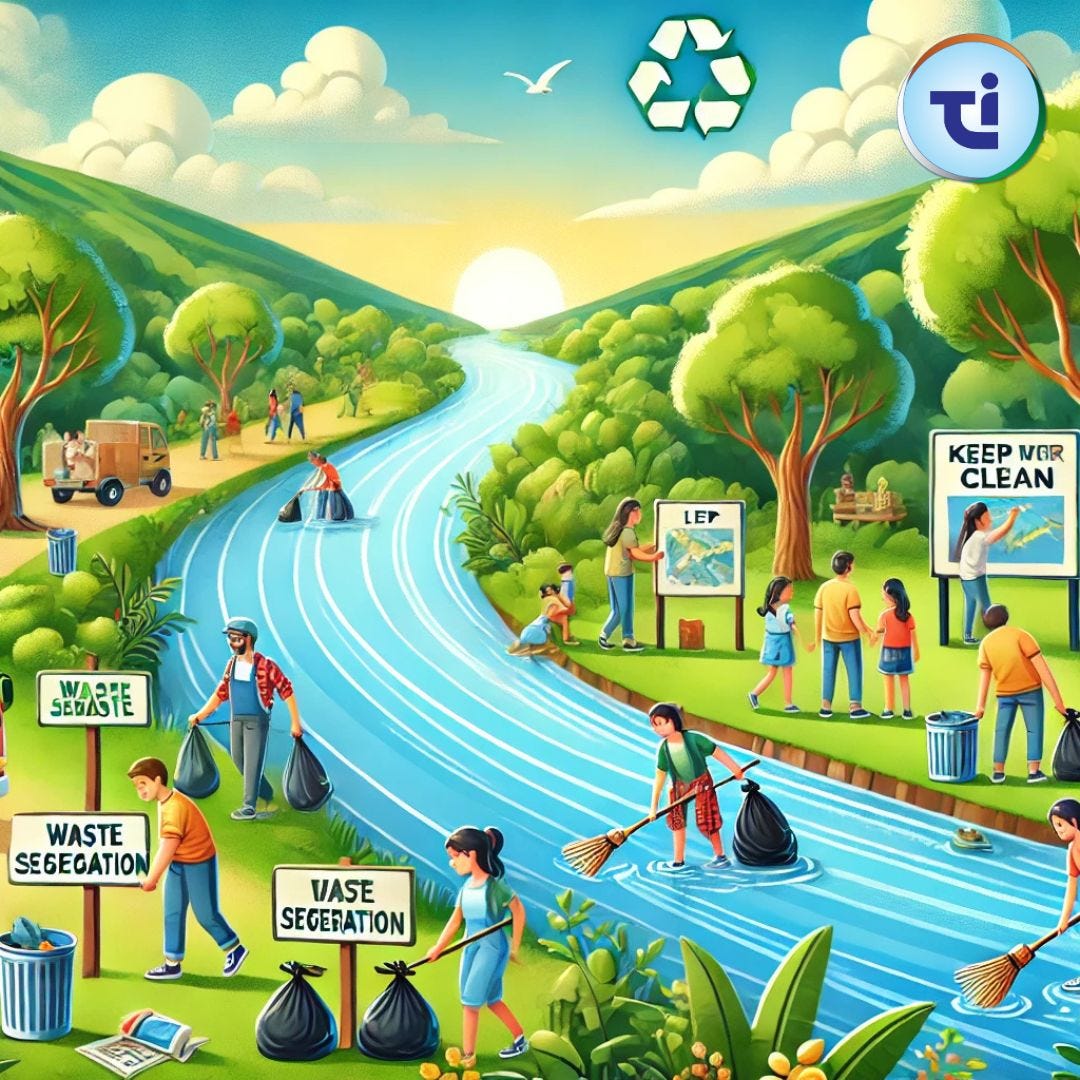
The primary contributors to river pollution include untreated sewage, industrial waste, agricultural runoff, and plastic debris. These pollutants not only degrade water quality but also endanger aquatic life, disrupt ecosystems, and pose severe health risks to humans. A significant part of keeping rivers clean involves understanding and tackling these sources of contamination.
One effective approach is to reduce the disposal of untreated sewage into rivers. Cities and towns often discharge large amounts of waste directly into rivers due to inadequate sewage treatment infrastructure. Building and upgrading wastewater treatment plants is crucial to ensure that only treated water is released into rivers. Local governments must allocate resources for these facilities and enforce regulations to prevent illegal dumping.
Industries also play a major role in polluting rivers through the release of harmful chemicals and waste. Strict environmental regulations should be enforced to ensure industries treat their waste before disposal. Encouraging the use of green technologies can minimize the environmental impact of industrial processes, leading to cleaner rivers and sustainable industrial growth.
Another pressing issue is agricultural runoff, which introduces harmful pesticides and fertilizers into rivers. Farmers can adopt sustainable agricultural practices, such as using organic fertilizers and implementing soil erosion control measures. Education and government support are essential to help farmers transition to these eco-friendly methods.
Plastic pollution is another significant concern for river health. From plastic bottles to microplastics, these materials accumulate in rivers, choking aquatic life and disrupting the food chain. Reducing single-use plastics, encouraging recycling, and organizing community clean-up drives can significantly curb plastic pollution. Public awareness campaigns can further motivate individuals to adopt eco-friendly habits and contribute to cleaner rivers.
Planting trees and vegetation along riverbanks is another effective way to maintain river health. These natural barriers prevent soil erosion, filter pollutants, and provide habitat for wildlife. In addition to ecological benefits, green riverbanks enhance the beauty of rivers and attract tourism, contributing to local economies.
Citizen involvement is critical to keeping rivers clean. Community-driven initiatives, such as clean-up drives and educational workshops, empower people to take responsibility for their local rivers. These efforts can inspire others and create a ripple effect, leading to widespread positive change. Schools and universities can also play a role by incorporating environmental education into their curricula, instilling a sense of stewardship in younger generations.
Technology can further support river conservation efforts. For example, sensors and drones can monitor pollution levels and identify problem areas, enabling authorities to take timely action. Digital platforms can also help mobilize volunteers and share real-time updates on the state of rivers, fostering transparency and accountability.
Governments must take the lead in implementing policies and providing the necessary infrastructure for river conservation. Policies should promote sustainable water use and penalize polluters, creating a culture of accountability. International collaborations can also help address transboundary river pollution, ensuring comprehensive solutions for shared water resources.
The private sector can contribute by adopting eco-friendly business practices and supporting river conservation projects through corporate social responsibility initiatives. Partnerships between governments, businesses, and communities can amplify efforts to restore and protect rivers, making a tangible difference.
Keeping rivers clean is not just an environmental responsibility; it is essential for human survival and economic development. Clean rivers support agriculture, fisheries, and tourism, contributing to the well-being of millions. They are also a source of cultural and spiritual significance in many communities, highlighting the need to preserve them for future generations.
In conclusion, the answer to “**What should we do to keep rivers clean**?” lies in a multi-faceted approach involving individuals, communities, industries, and governments. By reducing pollution, adopting sustainable practices, and fostering a sense of collective responsibility, we can restore the health of our rivers and ensure their continued contribution to life on Earth. Clean rivers are a testament to humanity’s ability to coexist with nature, and their preservation is a legacy we owe to future generations.
메타데이터
- post_id
- 7b2d41009031
- slug
- what-should-we-do-to-keep-rivers-clean-7b2d41009031
- url
- https://medium.com/@theunitedindian9/what-should-we-do-to-keep-rivers-clean-7b2d41009031
- canonical_url
- https://medium.com/@theunitedindian9/what-should-we-do-to-keep-rivers-clean-7b2d41009031
- author_url
- https://medium.com/@theunitedindian9
- status
- ok
- fetched_at
- 2026-07-21 21:44:54