Why People Stay in Toxic Relationships
The psychological hooks that keep people trapped.
Why People Stay in Toxic Relationships
The psychological hooks that keep people trapped.
Photo by Dollar Gill on Unsplash
The most persistent myth about toxic relationships is that people stay because they're weak or codependent or lacking self-respect. This explanation feels intuitive so most people accept it. But it's fundamentally wrong and that wrongness obscures what's actually happening.
Intelligent, capable people with strong self-respect stay in harmful relationships all the time. They stay not because they've failed psychologically but because they're responding normally to a carefully constructed system. Understanding this distinction changes everything about how you approach recovery.
The reason people stay has little to do with self-worth and everything to do with behavioral psychology. Someone in a toxic relationship is experiencing a specific type of conditioning. They're receiving intermittent rewards that keep them psychologically engaged. They're experiencing trauma bonding that creates intense emotional attachment despite ongoing harm.
They're isolated from outside perspectives that would contradict the relationship narrative. They've become dependent on the other person for emotional regulation. They're experiencing cognitive dissonance that creates confusion rather than clarity.
None of these are character flaws. All of them are predictable psychological responses to a particular relational environment.
The problem is that most advice about leaving toxic relationships ignores this reality. People are told to just leave or to prioritize themselves or to recognize their worth. But someone in a toxic relationship isn't struggling with whether they deserve better. They're struggling with psychological mechanisms that are actively designed to keep them trapped.
Understanding these mechanisms isn't about excuse making. It's about clarity. Once you understand how you're being kept in place, you can interrupt the pattern rather than trying to escape through willpower alone.
This article explains exactly what's happening psychologically and what needs to shift for you to move forward.
The Mechanism of Intermittent Reinforcement
The primary psychological mechanism that keeps people in toxic relationships is intermittent reinforcement. This is a behavioral principle so powerful that it's used to train animals and it's equally effective with humans.
Here's how it works. In a toxic relationship, positive reinforcement doesn't come consistently. Sometimes your partner is warm and caring and emotionally available. Other times they're distant, critical, or cold. You never know which version you'll get on any given day. This unpredictability creates a psychological state where you remain perpetually engaged trying to predict and earn the positive version.
A slot machine works on the same principle. You don't win every time you pull the lever. You win sometimes, unpredictably. This unpredictability is what makes it addictive. If you won every time, it would be boring. If you lost every time, you'd stop playing. But unpredictable wins keep you pulling that lever long past the point of rational behavior.
Your toxic relationship partner is the slot machine. When they're warm, when they show care, when they validate you, that's a win. These wins are increasingly precious because they're becoming rare. You spent the previous day or week being criticized and dismissed so when warmth appears, it feels like an enormous reward. This reward is powerful enough to keep you engaged despite the consistent harm.
What makes this particularly effective is that you begin attributing the periods of warmth to your own behavior. You assume that if you were just different or better or more accommodating, the warmth would come more consistently. This leads you to work harder, to change more, to accommodate more. You're essentially training yourself to pursue an increasingly unreliable reward.
The psychological pattern is insidious because it's entirely unconscious. You're not aware you're being conditioned. You simply notice that some behaviors or accommodations seem to result in better treatment and you naturally do more of those things. Over time, you've reorganized significant portions of your life trying to earn something that appears and disappears seemingly randomly.
Understanding this mechanism is crucial because it removes the shame. You're not staying because you're weak. You're staying because your brain is responding predictably to a reinforcement schedule. The same mechanism could trap anyone.
Trauma Bonding: When Harm Creates Attachment
The second mechanism is trauma bonding. This is when repeated experiences of harm followed by reconciliation create intense emotional attachment. The cycle itself becomes addictive because your nervous system develops a specific response pattern.
Here's the cycle. There's a period of tension or conflict. This causes stress and activation in your nervous system. Then there's an incident of harm. Conflict escalates. Then suddenly it resolves. The person apologizes or shows care or returns attention. Your nervous system experiences intense relief as the threat passes. This relief is physiologically powerful and it becomes associated with the person who caused the harm in the first place.
Over repeated cycles, your nervous system learns that this person is the source of both threat and relief. Your body becomes chemically dependent on the relief that comes after the threat. This creates a powerful attachment that feels like love but is actually a trauma response.
A realistic example involves someone who experiences criticism and coldness from their partner for several days. They feel anxious and uncertain. Then their partner suddenly becomes warm and attentive. They reconcile. They have good sex. They experience genuine connection. The relief is overwhelming. The person feels grateful and loved. What they don't realize is that this intense feeling of connection is partly their nervous system recovering from the stress that the same person created.
If their partner had been consistently warm and attentive from the beginning, the person wouldn't feel as intensely bonded. The contrast and the relief create the intensity of attachment. The trauma itself is what's creating the bond.
This is why people often describe relationships they should leave as feeling intensely connected or like nobody understands them like this person does. The intensity isn't evidence of healthy connection. It's evidence of trauma bonding. The other person understands them in the sense that the other person knows exactly how to trigger their nervous system.
What makes recovery difficult is that ending the relationship means losing this intense attachment and the relief cycle it produces. Even though the cycle is harmful, it's become the person's primary source of emotional intensity and regulation. Leaving feels like losing something essential even though what you're losing is a harmful pattern.
Isolation and Controlled Information
The third mechanism is isolation. Whether deliberate or not, toxic partners create situations where the person becomes isolated from outside perspectives that would contradict the relationship narrative.
This can happen overtly through discouragement of friendships or family relationships. It can happen subtly through creating social situations where the person feels uncomfortable or judged. It can happen through constant criticism of anyone who might offer alternative perspectives. It can happen through establishing themselves as the only person who truly understands you.
The effect is that your entire reality becomes constructed within the relationship. You have no external reference point for what's normal or healthy. You have no one outside the relationship telling you that what you're experiencing isn't acceptable. You have no comparison group showing you what relationships actually look like when there's mutual respect and care.
Without this external perspective, you can rationalize almost anything. Your partner tells you that everyone criticizes the people they care about. Without contact with other relationships, you have no evidence to contradict this. Your partner tells you that the way they treat you is actually normal. Without external perspective, you can't verify whether this is true.
The isolation also creates a specific dependence. Your partner becomes your primary source of social connection, emotional validation, and information about the world. When someone is your primary source of everything, you become highly attuned to their perspective and highly motivated to maintain their approval. You cannot afford to lose them because they're your connection to the world.
This is why people often describe feeling like they have no one to talk to or nowhere to go when they consider leaving. The isolation has been so complete that they don't have actual alternatives. They have nowhere to land except in the relationship they need to leave.
Emotional Dependence and Nervous System Regulation
The fourth mechanism involves emotional dependence. Over time, your nervous system becomes calibrated to the other person's emotional state. You become hypervigilant to their mood. You become focused on managing their emotions because your own emotional regulation has become dependent on their emotional state.
When they're happy, you feel safe. When they're upset, you feel anxious. You've essentially transferred responsibility for your own emotional regulation to another person. This creates a powerful dependence because you cannot feel safe or calm unless they're feeling that way.
A realistic manifestation involves someone who feels fine until their partner comes home in a bad mood. Suddenly they feel anxious and tense even though nothing external has changed. They haven't done anything wrong but they feel like they have. They focus entirely on trying to improve their partner's mood because their own emotional state depends on it.
This dependence develops over time through repetition. Initially you're probably capable of emotional self-regulation. But if someone constantly impacts your emotional state negatively, if someone is unpredictable in their affect, if someone makes you responsible for managing their emotions, you eventually stop trying to regulate yourself and instead focus on managing them.
The psychological problem is that your nervous system doesn't actually calm down until they calm down. You're not capable of soothing yourself because you've become dependent on external soothing. This makes leaving incredibly difficult because it means losing your primary tool for emotional regulation. The anxiety of leaving feels intolerable because you don't have the internal resources to manage it.
Recovery involves relearning how to regulate your own nervous system. This is challenging work because it requires developing capacities that may have atrophied. But it's essential because you cannot be healthy in any relationship until you're capable of regulating your own emotional state.
Cognitive Dissonance and Rationalization
The fifth mechanism is cognitive dissonance. You're simultaneously experiencing evidence that the relationship is harmful and evidence of connection and care. These don't fit together logically so your mind works constantly to reconcile them.
You might experience your partner being cruel on Monday and genuinely caring on Wednesday. These are incompatible pieces of information. Your mind can't hold both as equally true so it begins rationalizing. Maybe they were just having a bad day. Maybe they didn't understand my perspective. Maybe I was being too sensitive. Maybe they were stressed. Your mind generates explanations that make the contradiction less painful.
Over time, you become highly skilled at rationalization. You can explain away almost any contradiction. You can hold two completely incompatible beliefs simultaneously. I know they don't actually care about me but I believe they do. I know this relationship is harmful but I believe it's just misunderstood. I know I should leave but I believe I should stay.
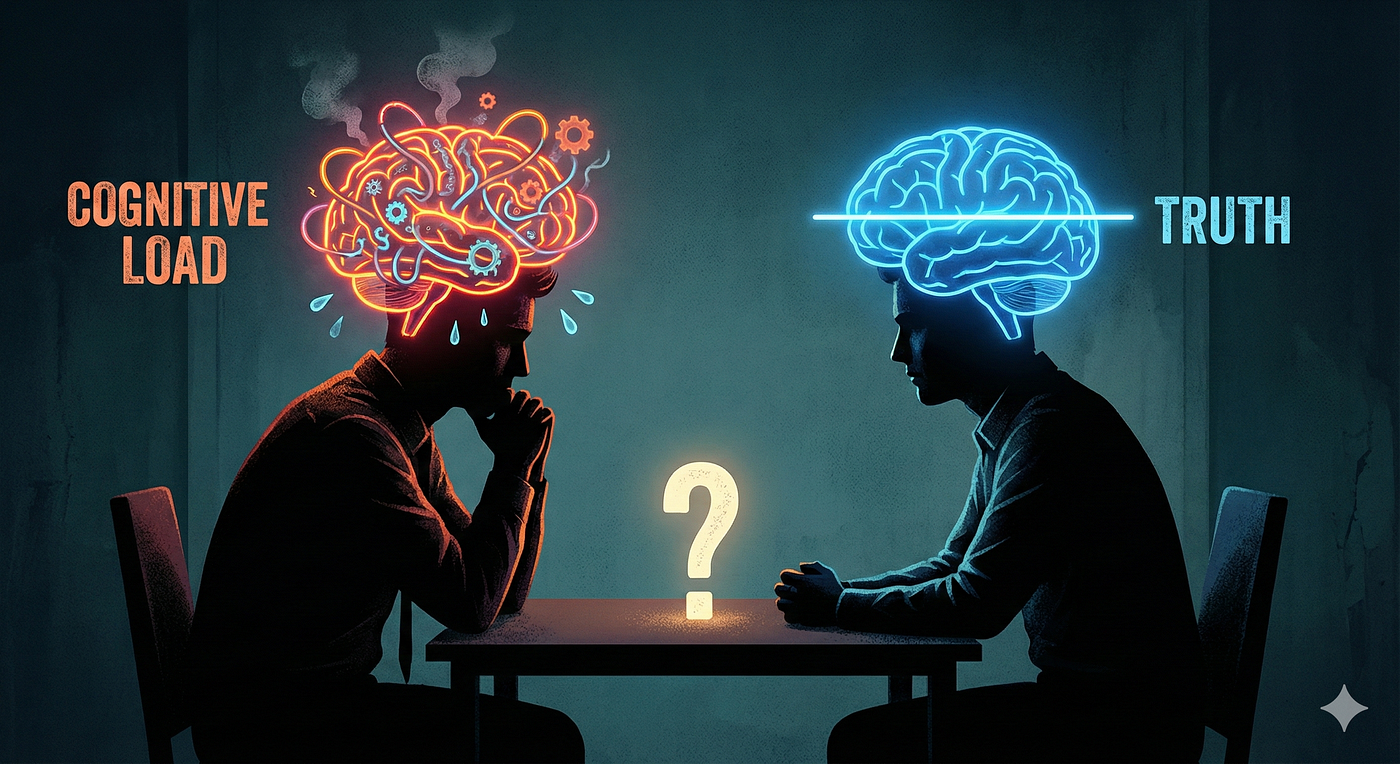
This constant rationalization is mentally exhausting. You're spending significant cognitive energy explaining away contradictions rather than simply acknowledging that the relationship is what it is. But the alternative is acknowledging something unbearable so you continue rationalizing.
The rationalization also makes it difficult to receive outside feedback. When someone suggests the relationship is unhealthy, you can immediately generate multiple explanations for why it's actually fine. You've had a lot of practice generating these explanations. The evidence they're presenting doesn't fit your constructed narrative so you defend the narrative.
Recovery involves stopping the rationalization. It means acknowledging contradictions without trying to explain them away. It means accepting that someone can be sometimes caring and systematically harmful. It means living with the discomfort of incompatible truths instead of constantly trying to make them fit together.
Loss Aversion and Fear of the Unknown
The sixth mechanism is loss aversion. This is a psychological principle where people feel the pain of loss more intensely than the pleasure of gain. Leaving the relationship means losing something real, something you've invested in, even if it's also harmful. The pain of this loss can feel more intolerable than the pain of staying.
You're losing years of investment. You're losing the identity you've built as part of this relationship. You're losing the hope that things will improve. You're losing the familiar even though the familiar is painful. You're losing stability even though the stability is unstable.
The fear of what comes next is also significant. You don't know what life looks like after this relationship. You don't know who you are without this person. You don't know whether you'll be alone. These unknowns feel genuinely threatening to your nervous system. The known pain feels safer than the unknown uncertainty.
What makes this worse is that your partner likely understands this instinct and has leveraged it. They might tell you that nobody else will want you or that you can't survive without them or that you'll regret leaving them. These statements are designed to reinforce your fear of the unknown and make the known relationship seem safer by comparison.
The recovery element involves accepting that the unknown is uncomfortable but manageable. It involves understanding that stability in a harmful relationship is not actually stability. It's fragility disguised as safety. Real stability involves building a life independent of the other person.
Identity Fusion and Lost Sense of Self
The seventh mechanism involves losing your sense of self. Over years in a toxic relationship, you gradually reorganize around the other person. Your interests become their interests. Your priorities become their priorities. Your identity becomes defined by your relationship to them.
This happens gradually so you don't notice it happening. You're making small adjustments all the time. You accommodate their preferences instead of expressing your own. You spend more time with their friends than your own. You pursue their goals instead of your own. You make yourself smaller to take up less space in their life.
Over years, you've essentially absorbed their identity and lost your own. You don't remember what you liked before them. You don't remember who you were before them. You don't remember what your own values and priorities were. This loss of self makes leaving particularly difficult because leaving means facing the question of who you are without this relationship.
A realistic example involves someone who was creative and outgoing before the relationship. Their partner was critical of their creative pursuits and preferred them to be home focused on the relationship. Over years, they abandoned their creative work. They stopped going out. They lost touch with the friends who shared those interests. Now if they leave, they face not just losing the relationship but also having to reconstruct an identity they haven't inhabited in years.
The recovery process involves gradually reclaiming yourself. It means reengaging with interests and people that feel true to you. It means remembering who you were before this relationship. It means building a sense of self that isn't dependent on someone else's approval or presence.
How These Mechanisms Compound
What makes staying in toxic relationships so difficult is that these mechanisms rarely operate in isolation. Usually several are operating simultaneously and they reinforce each other.
You're experiencing intermittent reinforcement which creates addiction. You're experiencing trauma bonding which creates intense attachment. You're isolated from outside perspective which prevents you from questioning the relationship. You're dependent on your partner for emotional regulation which makes leaving feel impossible. You're rationalizing contradictions which prevents clear thinking. You're experiencing loss aversion which makes change feel threatening. You've lost your sense of self which makes independence feel unfamiliar.
When all seven mechanisms are operating together, you have a comprehensive system designed to keep you in place. You cannot escape through willpower because your nervous system has been trained to stay. You cannot escape through logic because your mind has become skilled at rationalization. You cannot escape through self-respect because your sense of self has been eroded.
Understanding that these are systems rather than character flaws is what allows recovery to begin. You're not weak for staying. You're responding normally to psychological mechanisms that are specifically designed to keep you trapped.
The Path Forward Requires Understanding the System
Recovery doesn't begin with leaving. It begins with understanding the system that's keeping you in place. Once you understand these mechanisms, you can begin interrupting them.
You can interrupt intermittent reinforcement by recognizing it for what it is. You can interrupt trauma bonding by understanding that intensity isn't love. You can interrupt isolation by deliberately seeking outside perspective. You can interrupt emotional dependence by beginning to regulate your own nervous system. You can interrupt rationalization by accepting contradictions without explaining them away. You can interrupt loss aversion by accepting that uncertainty is survivable. You can interrupt identity fusion by reclaiming yourself.
Each interruption is difficult. Each one creates discomfort. But together they create the psychological conditions where leaving becomes possible and staying becomes intolerable. This is the work of genuine recovery.
What You Now Understand About Your Own Resilience
You're likely recognizing something profound right now. You're not staying because you're broken or defective. You're staying because sophisticated psychological systems have been operating on you. Understanding this changes everything about how you see yourself and your situation.
You now know that intermittent reinforcement creates addiction. That trauma bonding mimics love. That isolation prevents clarity. That emotional dependence feels necessary. That rationalization protects you. That loss aversion feels worse than staying. That identity fusion feels like love.
This knowledge is your tool.
Recovery isn't about proving anything to the person who harmed you. It's not about getting them to understand or apologize or change. It's about systematically interrupting each mechanism so your nervous system can recalibrate. It's about rebuilding trust in your own perception. It's about reclaiming the identity you set aside. It's about becoming someone who knows what healthy actually feels like.
The work is internal not external. You're not trying to fix them or fix the relationship. You're fixing your own ability to recognize what's acceptable and to choose accordingly.
This is where The Narcissist You Married When You Already Knew Better becomes essential. It walks you through each mechanism in depth and provides the specific framework for interrupting them. It helps you understand not just what happened but why an intelligent aware person like you found themselves in this situation. And it provides the roadmap for building something genuinely different.
You now see the system clearly. The next step is dismantling it piece by piece until you're free.
메타데이터
- post_id
- 7b43ffa77352
- slug
- why-people-stay-in-toxic-relationships-7b43ffa77352
- url
- https://medium.com/hello-love/why-people-stay-in-toxic-relationships-7b43ffa77352
- canonical_url
- https://medium.com/hello-love/why-people-stay-in-toxic-relationships-7b43ffa77352
- author_url
- https://medium.com/@Thebookishscribbler
- status
- ok
- fetched_at
- 2026-07-08 19:15:55