Will Tulum’s Emerging Designers Find a Way to Preserve Paradise Amid Development?
Tulum’s explosive growth has outpaced regulations. Its rapid development has led to growing concern for the environment, infrastructure…
Will Tulum’s Emerging Designers Find a Way to Preserve Paradise Amid Development?

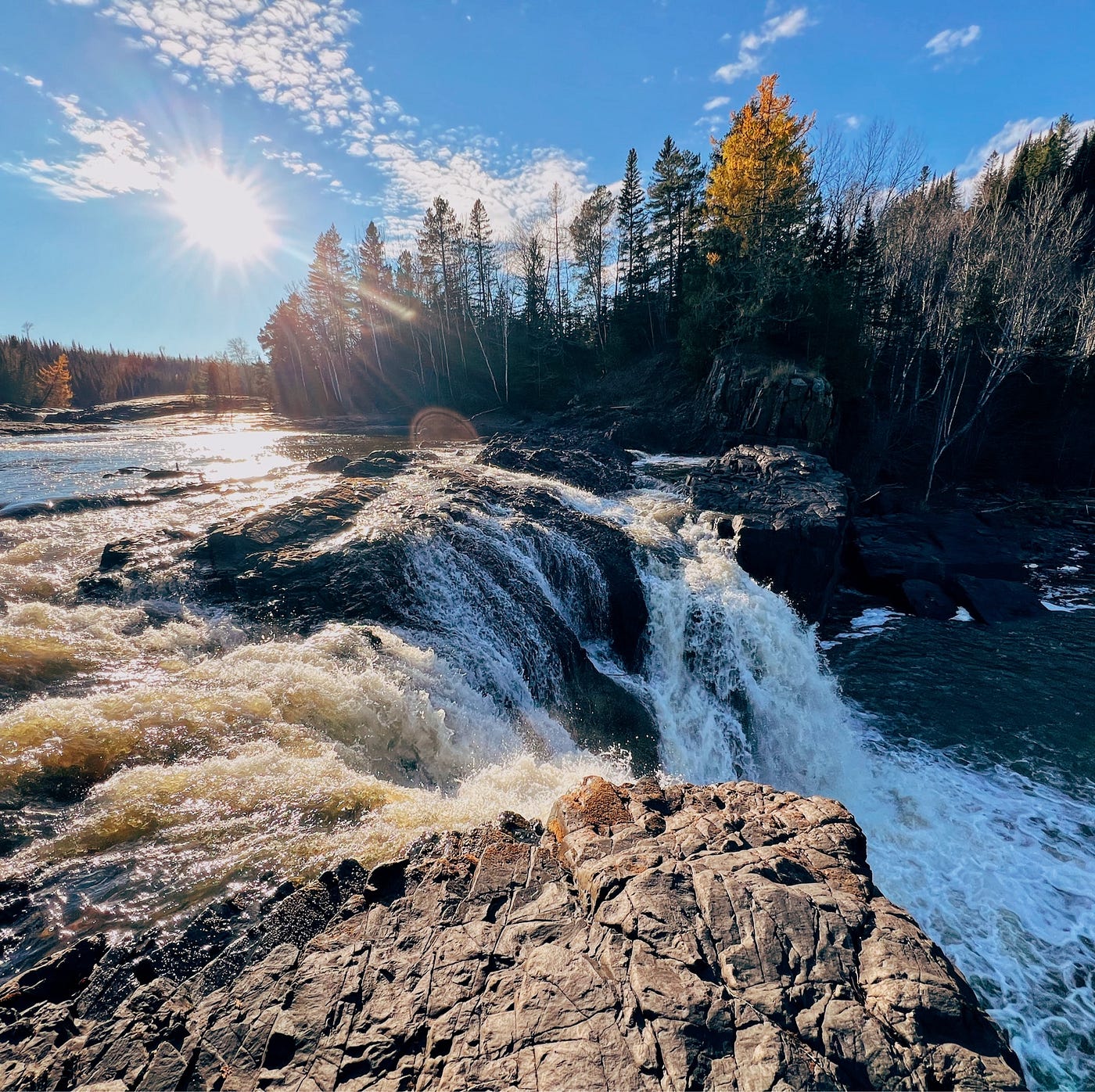
Photo by Anna Sullivan on Unsplash
Tulum’s explosive growth has outpaced regulations. Its rapid development has led to growing concern for the environment, infrastructure, and community. As one of Mexico’s fastest growing real estate markets, Tulum has become a magnet for investors, putting it at risk for overdevelopment.
Recognizing the urgent need for responsible leadership, Sam Gordon has emerged as one of the city’s leading designers in sustainable development. An advocate for building a city with long-term viability, Sam is modeling what eco-luxury can look like both functionally and financially.
Founder’s Incentive
Like many before him, Sam was charmed by Tulum’s serene turquois beaches, vibrant jungle landscapes, rich cultural histories, and abundant business opportunities. Since transplanting from the United Kingdom ten years ago, he has started a family, fostered a healthy community, and joined in the movement to build.
As reported by The Tulum Times, the ROI on property investments in Tulum have increased by approximately 8% to 15% annually, making it one of the “smartest real estate investments in Mexico.” It’s no surprise that developers have been enticed by opportunity.
“My daughter is growing up barefoot on the beach. This is my home,” he says. “I want to build something she can be proud of.”
Pivot to Sustainability
His original business plan was simple: apartments, turn a profit, move on. But one walk through the jungle changed everything.
“When I bought my first piece of land, I was thinking about opening an apartment complex,” Sam admits. “But one day I stood in the jungle, looking at the trees, watching the birds, taking it all in, and my mind changed. This is paradise. You don’t bulldoze paradise.”
After his personal realization, he went back to the drawing board. Instead of building apartments, Sam designed KAN Tulum with a philosophy of building alongside the land, not on it. Becoming more aware of how deforestation was destroying the very environment that made Tulum so unique and witnessing the negative effects of gentrification, Sam set to change the game.
Where Tulum’s trend of greenwashing has overpromised and underdelivered viable solutions, Sam’s developments are functionally sustainable. His aim is longevity.
KAN Tulum
KAN Tulum, the first luxury eco-hotel of its kind, opened in 2018. Its design is thoroughly intentional: suites are on stilts to preserve native vegetation, it is built with natural, locally sourced materials, solar power, and creative water systems to conserve resources, and stays community minded in its job functions, wellness programming, and workshops that promote conscious tourism.
With KAN’s high ratings, 8.5+/10 on booking.com and near perfect Airbnb scores, the hotel performs in the upper tier of Market Performance in the top 25%-10%. High guest satisfaction proves that customers support Sam’s vision.
“Sustainability isn’t just good ethics — it’s good business,” says Sam Gordon, founder of KAN Tulum and design lead at IKTAN Tulum. “If we destroy what makes Tulum special, people will stop coming. If we preserve it, we all win.”
Designed with a guiding principle of minimal land disruption and full ecological integration, KAN created a model for low-impact hospitality.
KAN focuses on 3 fundamental axes: environmental impact, renewal energies, and water conservation, which represents 80% of the true objectives of sustainable development. These standards have been applied to the hotel’s restaurant and bar and curated wellness experiences.
IKTAN Tulum
Now, Sam is taking that philosophy even further with IKTAN Tulum — a planned luxury residential development in South Tulum. Sam is scaling his sustainable blueprint into one of Tulum’s last untouched zones. It’s not just another luxury development. It is the new sustainability standard.
“We’re setting a precedent for what development should look like in this region.”
From Developer to Policy Advocate
Sam and his team worked closely with local officials to help draft the new sustainability code for South Tulum, an effort to standardize and enforce ecological development practices. Like KAN, IKTAN Tulum is designed around “conscious coexistence.”
The new environmental regulations include low-density zoning, permeability requirements, and biodiversity corridors to protect migratory species.
Creating Solutions
Sam is the first to admit that, as a foreign developer, he’s contributing to some of Tulum’s complex challenges. But unlike many who come to Tulum chasing profit, he’s choosing to stay and be part of the solution.
KAN Tulum proved that low-impact design can be both luxurious and commercially viable. Now, with IKTAN Tulum, Sam is scaling that philosophy into a larger residential blueprint.
Mexico is expected to become the fifth most important destination for sustainable travel by 2035, according to estimates reported in Future Marketing Insights. The global industry value for Mexico’s sustainable tourism market is expected to increase from USD 44.3 billion in 2025 to USD 153.1 billion by 2035. The Compound Annual Growth Rate (CAGR) is projected to grow 13.2% in the next 10 years.
By engaging with local authorities, architects, and community leaders, IKTAN Tulum aims to create a replicable framework for regenerative development that could guide future investment across the Riviera Maya.
“Our rule is simple,” says Sam. “If you look after the land, the land looks after you.”
Continued Growth
Tulum is booming. With more than 2 million annual visitors, a new international airport, and a major rail expansion through the Tren Maya project, the town sits at a crossroads between economic promise and ecological risk.
With KAN Tulum and the forthcoming IKTAN development, Sam Gordon is demonstrating that low-impact design isn’t just the right choice for the environment, it’s a good economic strategy. By integrating sustainability codes, working with local stakeholders, and modeling success through high guest satisfaction, he’s raising the standards of regenerative design in the region.
Sam Gordon is asking the question many designers have fallen short of answering: How can we develop a thriving place for generations to come — honoring the land, the city, and the local communities?
“We’re not just building places to stay,” Sam says. “We’re building a future people want to live in.”
메타데이터
- post_id
- 7b4daa263345
- slug
- will-tulums-emerging-designers-find-a-way-to-preserve-paradise-amid-development-7b4daa263345
- url
- https://medium.com/@naomidornfeld/will-tulums-emerging-designers-find-a-way-to-preserve-paradise-amid-development-7b4daa263345
- canonical_url
- https://medium.com/@naomidornfeld/will-tulums-emerging-designers-find-a-way-to-preserve-paradise-amid-development-7b4daa263345
- author_url
- https://medium.com/@naomidornfeld
- status
- ok
- fetched_at
- 2026-07-13 06:23:13