Understanding Maxiflo 6 mcg/250 mcg Inhaler: A Guide to Long-Term Asthma and COPD Management
Managing asthma or chronic obstructive pulmonary disease (COPD) often requires more than treating symptoms when they occur. Healthcare…
Understanding Maxiflo 6 mcg/250 mcg Inhaler: A Guide to Long-Term Asthma and COPD Management
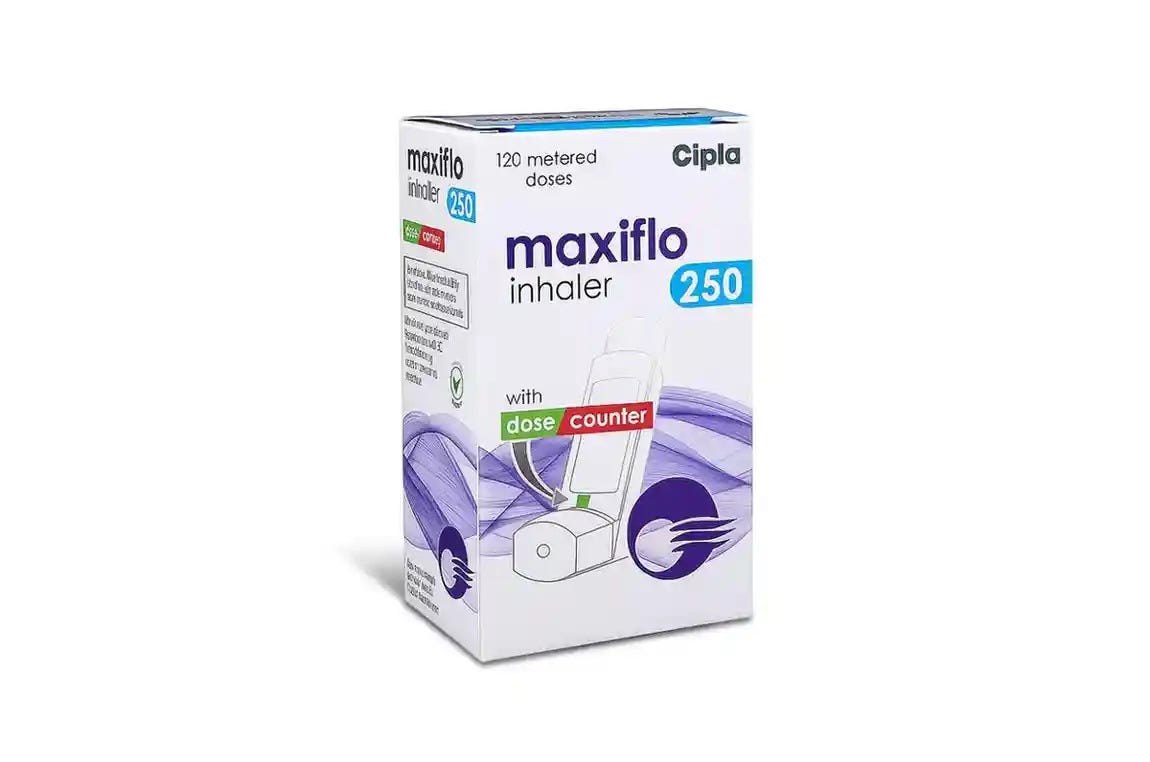
Managing asthma or chronic obstructive pulmonary disease (COPD) often requires more than treating symptoms when they occur. Healthcare providers frequently recommend maintenance medications that help reduce airway inflammation while keeping the airways open over time. One such option is Maxiflo 6 mcg/250 mcg Inhaler,** a combination inhaler** designed for ongoing respiratory care under medical supervision.
Maxiflo contains two active ingredients that work together. The first helps relax the muscles surrounding the airways, making breathing easier for an extended period. The second is an inhaled corticosteroid that reduces inflammation inside the lungs. Because these medications work in different ways, they help many people achieve better day-to-day symptom control than either medicine alone.
Why Maintenance Treatment Matters
**Asthma and COPD** are chronic respiratory conditions that may cause wheezing, coughing, chest tightness, and shortness of breath. While rescue inhalers provide quick relief during sudden symptoms, maintenance inhalers are intended to prevent flare-ups before they occur.
Using a** maintenance inhaler** consistently may help:
- Improve overall breathing comfort
- Reduce nighttime symptoms
- Decrease the frequency of asthma or COPD exacerbations
- Support better lung function over time
- Help individuals remain active during daily routines
Treatment plans vary from person to person, so healthcare professionals determine whether a combination inhaler is appropriate based on medical history and symptom severity.
Importance of Correct Inhaler Technique
Even an effective medication may not provide optimal benefits if the inhaler is used incorrectly. **Proper inhaler technique **ensures the medication reaches the lungs instead of remaining in the mouth or throat.
General recommendations include:
- Shake the inhaler if instructed.
- Breathe out completely before inhalation.
- Press the inhaler while breathing in slowly and deeply.
- Hold your breath for several seconds after inhaling.
- Exhale gently afterward.
- Rinse your mouth after each dose to reduce the risk of oral fungal infections.
Many healthcare providers periodically review inhaler technique because small adjustments can significantly improve medication delivery.
Building Healthy Daily Habits
Medication works best when combined with healthy lifestyle choices. Individuals managing asthma or COPD often benefit from identifying and avoiding personal triggers such as tobacco smoke, air pollution, dust, strong fragrances, or seasonal allergens.
Additional supportive habits include:
- Staying physically active within recommended limits
- Following prescribed breathing exercises
- Drinking adequate fluids
- Receiving recommended vaccinations
- Monitoring symptoms regularly
- Attending scheduled medical reviews
These practices complement prescribed treatment and may contribute to improved respiratory health.
Monitoring Progress
Improvement from maintenance inhalers usually develops gradually rather than immediately. Some people notice fewer nighttime symptoms, while others experience better exercise tolerance or reduced reliance on rescue medication.
Healthcare providers may monitor:
- Frequency of coughing
- Episodes of wheezing
- Shortness of breath
- Rescue inhaler use
- Lung function measurements
- Overall quality of life
Keeping a symptom diary can help identify patterns and support productive discussions during follow-up appointments.
Possible Side Effects
Like all medications, inhaled therapies may cause side effects in some individuals. Commonly reported effects include throat irritation, hoarseness, cough, headache, or oral yeast infections.
Most side effects are mild, and proper mouth rinsing after each dose may help reduce some local effects. Any persistent symptoms or concerns should be discussed with a healthcare professional rather than stopping treatment independently.
Final Thoughts
**Managing asthma and COPD **is an ongoing process that involves medication, lifestyle adjustments, regular medical follow-up, and proper inhaler technique. Maxiflo 6 mcg/250 mcg Inhaler is one option that healthcare providers may prescribe as part of an individualized treatment plan.
Understanding how maintenance therapy works, practicing correct inhaler use, recognizing symptom changes, and maintaining healthy daily habits can all contribute to better long-term respiratory management. Always follow your healthcare provider’s instructions and seek medical advice if symptoms worsen or your treatment plan no longer seems effective.
메타데이터
- post_id
- 7b4e0e2c4e26
- slug
- understanding-maxiflo-6-mcg-250-mcg-inhaler-a-guide-to-long-term-asthma-and-copd-management-7b4e0e2c4e26
- url
- https://medium.com/@saltzliz07/understanding-maxiflo-6-mcg-250-mcg-inhaler-a-guide-to-long-term-asthma-and-copd-management-7b4e0e2c4e26
- canonical_url
- https://medium.com/@saltzliz07/understanding-maxiflo-6-mcg-250-mcg-inhaler-a-guide-to-long-term-asthma-and-copd-management-7b4e0e2c4e26
- author_url
- https://medium.com/@saltzliz07
- status
- ok
- fetched_at
- 2026-07-31 22:50:39