Unlocking the Future: How Fiber to the Curb is Revolutionizing Internet Connectivity
In an age where seamless connectivity is more vital than ever, the advent of Fiber to the Curb (FTTC) is setting a new standard for…
Unlocking the Future: How Fiber to the Curb is Revolutionizing Internet Connectivity
Fiber to the Curb (FTTC)
In an age where seamless connectivity is more vital than ever, the advent of **Fiber to the Curb (FTTC) is setting a new standard for internet access. This innovative technology is transforming how we experience the web, unlocking unprecedented speeds and reliability for homes and businesses alike. Imagine streaming your favorite shows in ultra-high definition, participating in lag-free video conferences, or downloading large files in seconds — all without interruption. FTTC is not just a technological upgrade; it’s a game-changer that bridges the digital divide, making high-speed internet accessible to more communities than ever before. As we stand on the brink of this digital revolution, it’s time to explore how FTTC **is reshaping our online lives and what it means for the future of connectivity. Join us as we delve into the mechanics and benefits of this groundbreaking advancement in internet technology.
Understanding Fiber Optic Technology
Fiber optic technology is at the heart of modern high-speed internet. It works by transmitting data as light pulses through strands of glass or plastic fibers, which can carry much more data over longer distances without loss of signal quality compared to traditional copper cables. This fundamental difference is what makes fiber optics so revolutionary. Light travels at an incredibly fast speed, and fiber optic cables can handle vast amounts of data with minimal interference or degradation.
The core of a fiber optic cable is composed of extremely thin strands of glass or plastic, known as optical fibers, which are about the diameter of a human hair. These fibers are encased in cladding that reflects light back into the core, ensuring that the light signals travel along the length of the fiber. This design allows for the transmission of data over long distances with very little loss in signal quality, making fiber optics ideal for both local and international data transmission. One of the key advantages of fiber optic technology is its ability to provide symmetrical upload and download speeds. This means that users can upload data at the same high speeds as they download it, which is particularly important for applications like video conferencing, online gaming, and cloud computing.
Additionally, fiber optics are less susceptible to electromagnetic interference, which can degrade the quality of data transmission in copper cables. This increased reliability and performance are why fiber optic technology is becoming the gold standard for internet connectivity.
Advantages of Fiber to the Curb
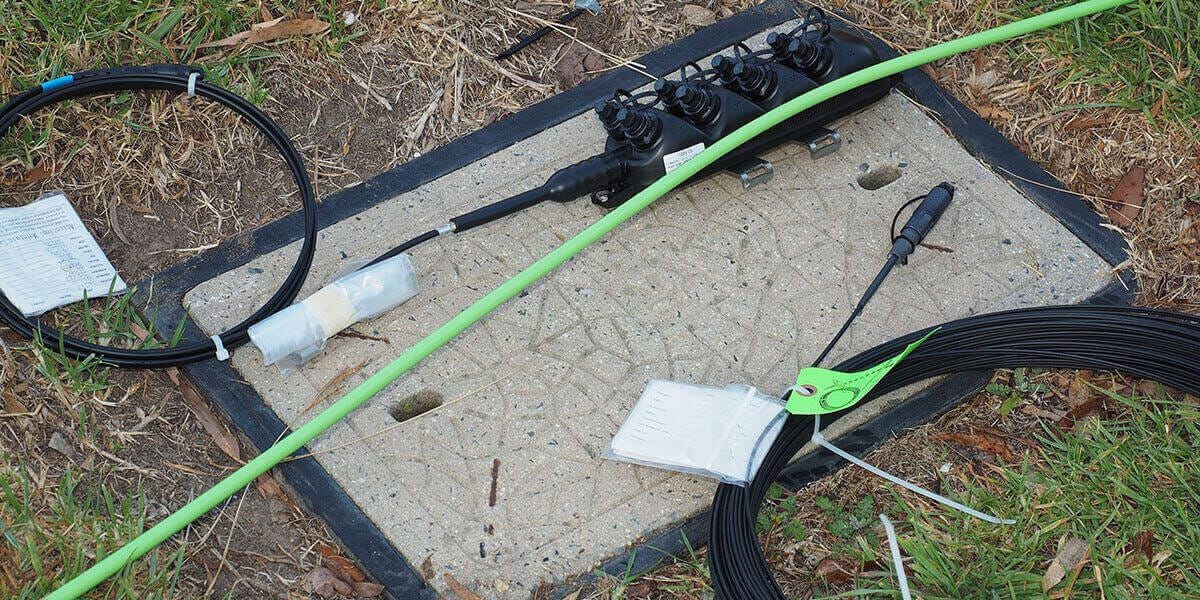
Fiber to the Curb (FTTC) is a hybrid solution that brings fiber optic technology closer to the end user by running fiber cables to a distribution point near the user’s premises, typically within 300 meters. From this distribution point, the connection to the home or business is completed using existing copper or coaxial cables. This approach offers several significant advantages over traditional copper-based connections.
One of the most notable benefits of FTTC is the substantial increase in internet speeds. By bringing fiber optics closer to the end user, FTTC can deliver much higher speeds compared to traditional DSL or cable connections. Users can experience download and upload speeds that are several times faster, enabling activities such as streaming high-definition videos, online gaming, and large file transfers with ease. This speed enhancement is crucial in today’s digital age, where data consumption is at an all-time high.
Another advantage of FTTC is its improved reliability. Fiber optics are less prone to signal degradation and interference compared to copper cables, resulting in a more stable and consistent internet connection. This reliability is particularly important for businesses that rely on a continuous internet connection for their operations, as well as for residential users who need dependable connectivity for work-from-home setups, online education, and entertainment.
FTTC also offers a cost-effective solution for upgrading internet infrastructure. By leveraging existing copper or coaxial cables for the final leg of the connection, service providers can significantly reduce the cost and complexity of deploying fiber optics to every home. This makes FTTC an attractive option for expanding high-speed internet access to more communities, including those in rural and underserved areas.
Conclusion: The Future of Connectivity with Fiber to the Curb
As we stand on the cusp of a digital revolution, **Fiber to the Curb (FTTC) is poised to play a pivotal role in shaping the future of internet connectivity. With its ability to deliver high-speed, reliable internet to a broad range of communities, FTTC **is not just an incremental upgrade — it is a transformative technology that has the potential to bridge the digital divide and bring the benefits of the digital age to more people than ever before.
The advantages of FTTC, from higher speeds and improved reliability to cost-effective deployment, make it an attractive option for expanding internet access. By leveraging existing infrastructure while bringing fiber optics closer to the end user, FTTC provides a pragmatic solution that balances performance and cost. This is particularly important for rural and underserved areas, where traditional internet infrastructure has often fallen short.
Looking ahead, the continued expansion of fiber optic networks, including FTTC, will be essential in meeting the growing demand for high-speed internet. As we embrace new technologies like 5G and the Internet of Things (IoT), the need for robust and scalable internet infrastructure will only increase. FTTC, with its ability to support high bandwidth and low-latency connections, will be a key enabler of these advancements, driving innovation and enhancing our digital experiences.
However, the successful implementation of FTTC will require ongoing investment, collaboration, and innovation. Service providers, policymakers, and communities must work together to address the challenges and limitations of deployment, ensuring that the benefits of high-speed internet are accessible to all. By doing so, we can unlock the full potential of FTTC and create a more connected, inclusive, and prosperous future.
In conclusion, Fiber to the Curb is revolutionizing internet connectivity, setting a new standard for speed, reliability, and accessibility. As we continue to unlock the future of connectivity, FTTC will be at the forefront of this transformation, empowering individuals, businesses, and communities to thrive in an increasingly digital world. The future of connectivity is bright, and with FTTC, we are well-equipped to navigate the exciting possibilities that lie ahead.
메타데이터
- post_id
- 7b4e5acbf04e
- slug
- unlocking-the-future-how-fiber-to-the-curb-is-revolutionizing-internet-connectivity-7b4e5acbf04e
- url
- https://medium.com/@milcominstitute59/unlocking-the-future-how-fiber-to-the-curb-is-revolutionizing-internet-connectivity-7b4e5acbf04e
- canonical_url
- https://medium.com/@milcominstitute59/unlocking-the-future-how-fiber-to-the-curb-is-revolutionizing-internet-connectivity-7b4e5acbf04e
- author_url
- https://medium.com/@milcominstitute59
- status
- ok
- fetched_at
- 2026-06-25 16:53:31