What Makes an Evaluation Expansion Board Essential for Modern Electronics?
In today’s rapidly evolving technological landscape, testing and prototyping are crucial to building reliable electronic systems. One key…
What Makes an Evaluation Expansion Board Essential for Modern Electronics?
In today’s rapidly evolving technological landscape, testing and prototyping are crucial to building reliable electronic systems. One key component that empowers developers, engineers, and innovators is the evaluation expansion board. But what exactly is an evaluation board, and why is it so significant in electronics design and testing?
Whether you’re working with microcontrollers, microprocessors, or complex embedded systems, these boards provide a cost-effective and streamlined solution for evaluating functionality before full-scale production. Let’s explore its features, applications, and how it integrates with components like capacitors, connectors, sensors, and more.
What Is an Evaluation Expansion Board?
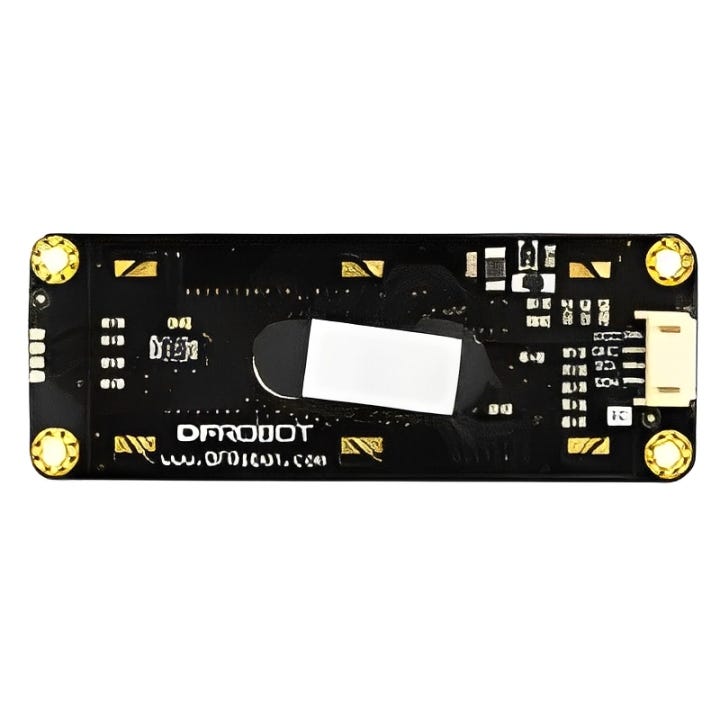
An **evaluation expansion board** is a development tool used to test and prototype electronic circuits and systems. It provides access to a wide range of input and output pins, allowing users to connect various peripherals, such as displays, switches, thermal sensors, and controllers, to their primary processing unit.
Designed to interface with microcontrollers or microprocessors, these boards typically come with additional slots or headers for easy expansion and hardware testing. They support seamless integration with other essential components, such as fuses, contactors, LEDs, and capacitors.
Why Use an Evaluation Expansion Board?
Evaluation boards accelerate the product development cycle. They allow teams to test software-hardware interaction, debug performance issues, and optimize system design in a controlled environment.
Here’s why engineers prefer using them:
- They support direct integration with thermal pads, safety modules, and voltage regulators.
- Allow flexible configuration for controllers, sensors, and I/O peripherals.
- Provide space-saving designs for use in laptops or compact workstations.
- Enable real-time testing with tools like oscilloscopes, probes, and clamps.
Key Features of Evaluation Expansion Boards
Depending on your chosen board, features can vary. However, several core capabilities are commonly included:
- Connectivity Options: Includes USB ports, UART, SPI, and I2C headers for communication with sensors and microcontrollers.
- Modular Expansion: Offers slots for attaching external modules such as switches, **capacitors**, or power supplies.
- Built-in Diagnostics: LED indicators, jumpers, and test points for checking signal integrity and voltage stability.
- Compatibility: Works with industry-standard platforms and electronics kits, from beginner to industrial-level applications.

Applications in the Real World
The practical applications of expansion boards span across industries. Their versatility makes them a go-to solution for projects involving automation, safety systems, and smart electronics.
Industrial Automation
- Interfaces with **contactors** and programmable logic controllers (PLCs).
- Used in safety-critical testing of machinery and motor controllers.
- Supports testing of cables, grips, and actuators in manufacturing units.
Consumer Electronics
- Helps test thermal sensors in laptops and tablets.
- Used to validate firmware for microcontrollers before deploying it into devices.
- Enables engineers to simulate capacitor behavior in compact circuit designs.
Automotive Sector
- Integrated with LED modules for vehicle lighting simulations.
- Test thermal pads and oils used in electronic control units (ECUs) to ensure optimal performance.
- Validates the durability of switches and connectors under varying conditions.
Renewable Energy and IoT
- Powers up solar inverters and controllers during prototyping.
- Helps with testing fuse configurations in off-grid power systems.
- Interfaces with sensors to monitor real-time energy data.
How to Choose the Right Evaluation Expansion Board?
Selecting a suitable board depends on the complexity of your project, the components you plan to use, and your testing environment. Consider the following:
- Voltage Compatibility: Ensure it supports the required voltage levels for capacitors and contactors.
- Peripheral Support: Verify that headers are present to support tools such as **fans**, thermal sensors, and fuses.
- Connector Type: Look for support for cable harnesses, wire-to-board, or board-to-board connectors.
- Software Support: Evaluate if the board is supported by debugging tools or integrated development environments (IDEs).
- Form Factor: For mobile applications, a board compatible with laptop ports is ideal.
Integration with Other Electronic Components
Evaluation boards are designed to function as a universal hub for multiple electronic components. Here’s how they interact:
- Cables and Connectors: Facilitates easy connection of peripheral devices.
- Sensors and Thermal Pads: Monitors temperature, humidity, and movement during testing.
- Switches and LEDs: Used for manual input and output visualization.
- Capacitors and Fuses: Protect against electrical surges and instability.
- Microcontrollers and Microprocessors: Serves as the control center for executing code and handling logic.
Tips for Using Evaluation Boards Efficiently
Maximizing the potential of your expansion board requires proper planning and execution. Follow these tips for optimal performance:
- Use anti-static **tools** to protect sensitive components, such as microcontrollers.
- Always test with calibrated measuring tools for accuracy.
- Organize cables and connectors to avoid signal interference.
- Keep backup thermal sensors and fuses on hand during prototyping.
- Document all configurations for easy debugging and version control.
Standard Accessories to Pair with Expansion Boards
To enhance your development experience, consider using these accessories:
- Toolkits with screwdrivers, cable grips, and pliers
- Thermal paste or pads for heat dissipation
- Power adapters, oils, and soldering kits
- Test leads, probes, and contactor simulators
Final Thoughts
An evaluation expansion board is more than just a testing tool — it’s a vital bridge between imagination and implementation. Whether you’re building a smart home controller, a high-efficiency inverter, or testing capacitors for a power circuit, having the right board ensures your ideas are translated into reliable, safe, and scalable electronic solutions.
With support for a wide array of components like cables, thermal modules, fuses, LEDs, connectors, and switches, this board empowers users to bring innovation to life confidently and efficiently. Embrace flexibility, invest in high-quality **accessories**, and unlock the full potential of your electronic projects today.
메타데이터
- post_id
- 7b8f7a878da3
- slug
- what-makes-an-evaluation-expansion-board-essential-for-modern-electronics-7b8f7a878da3
- url
- https://medium.com/@jackzkr317/what-makes-an-evaluation-expansion-board-essential-for-modern-electronics-7b8f7a878da3
- canonical_url
- https://medium.com/@jackzkr317/what-makes-an-evaluation-expansion-board-essential-for-modern-electronics-7b8f7a878da3
- author_url
- https://medium.com/@jackzkr317
- status
- ok
- fetched_at
- 2026-08-11 05:30:47