Cumin: A World of Flavor in One Tiny Seed
The common thread in mezze, mole, and samosas
Cumin: A World of Flavor in One Tiny Seed
The common thread in mezze, mole, and samosas
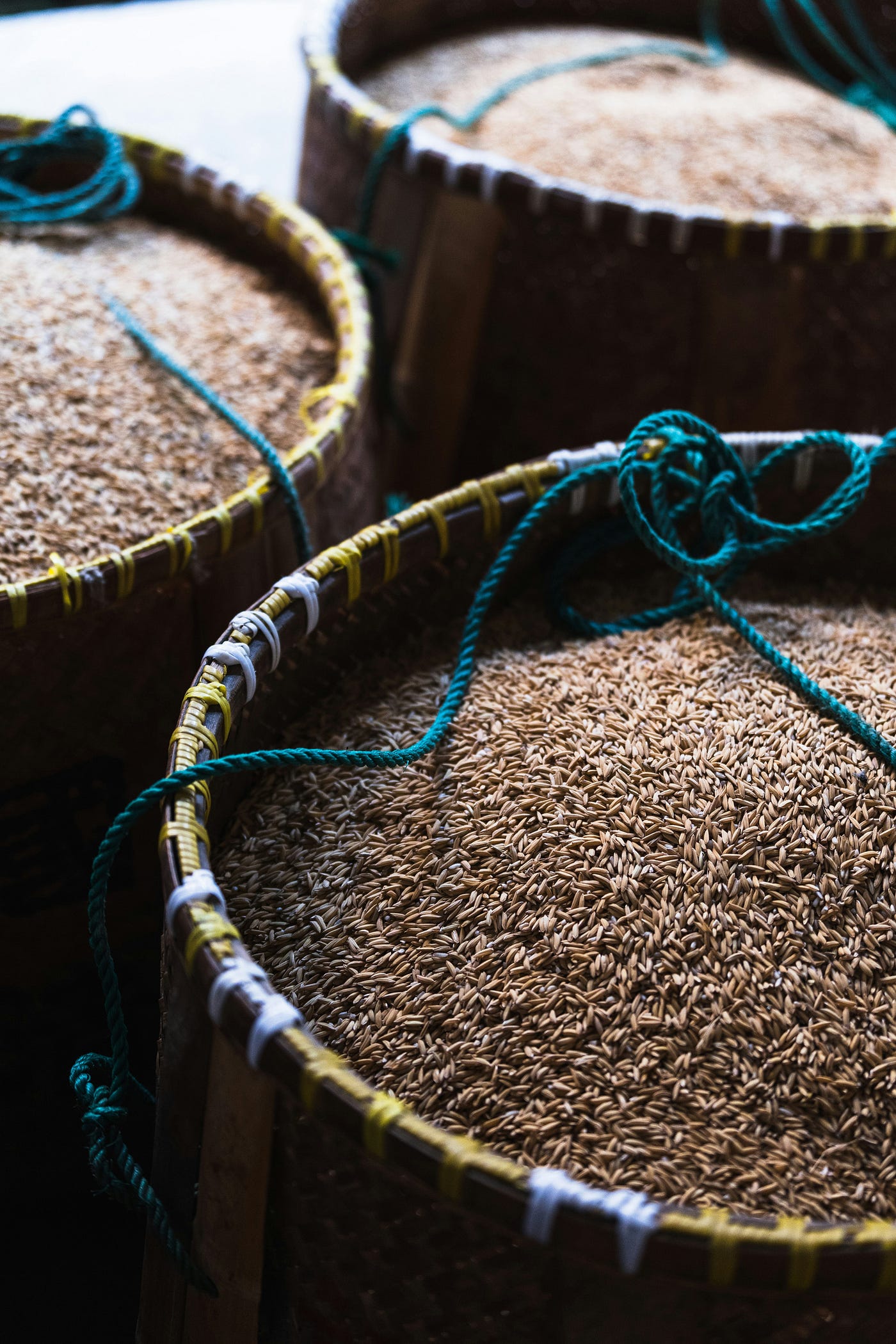
Photo by Bran Feng on Unsplash
At first glance, the triangle-shaped pastry is rather ordinary-looking, but as you know, sometimes the most humdrum of packages can contain the most amazing gifts.
You hold the pastry in your hand — the fried dough is sturdy. You take a bite, and it shatters in your mouth — an explosion of flaky, buttery pastry. But wait, this is just the beginning!
The filling — the potato is soft and creamy. Peas impart a sweetness, and fresh ginger adds bite and a bit of heat. And then there is the spice — garam masala to be specific.
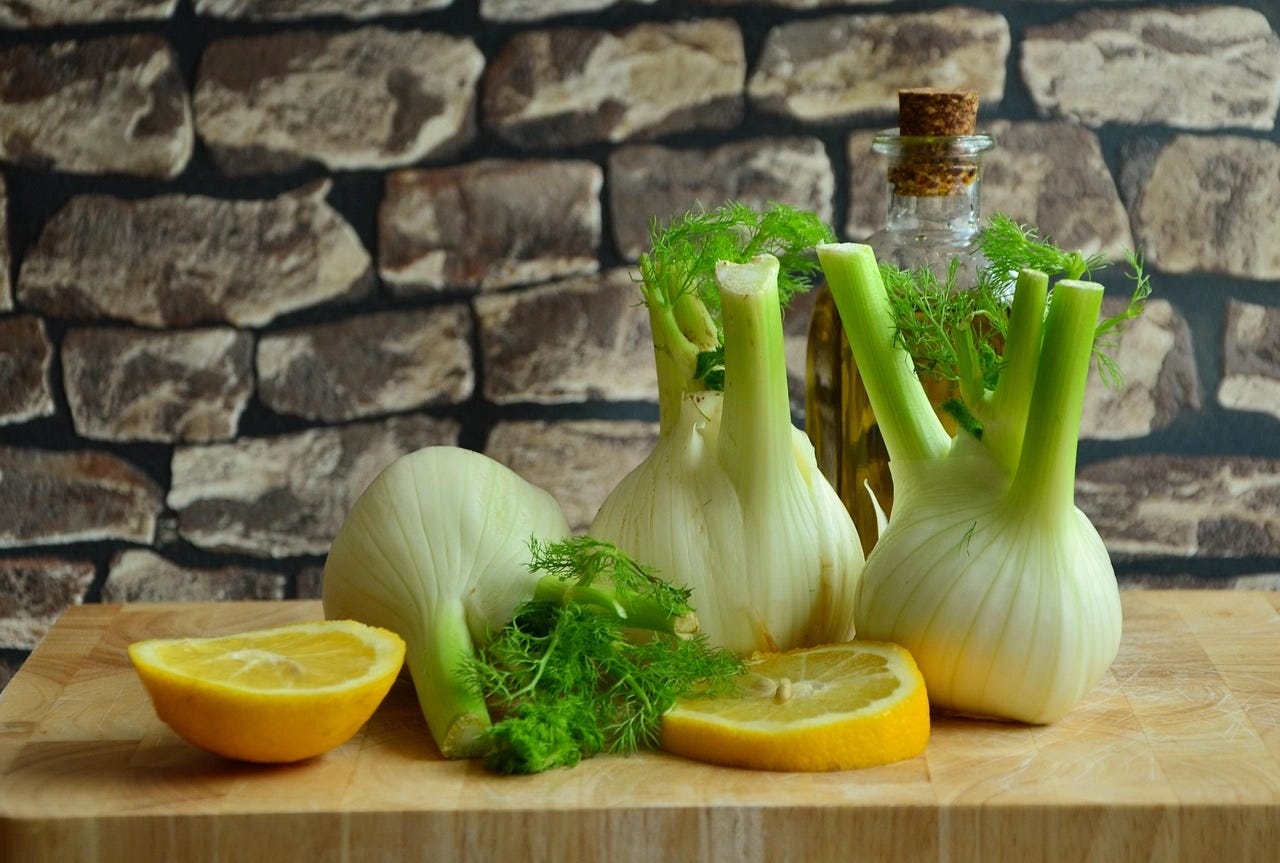
Garam means “warm,” and masala means “spice blend” — a perfect description of this amazing creation of India. There’s cardamom and cinnamon for sweetness, cloves and black pepper for heat, fennel provides a slight lemony touch, and cumin — smoky and earthy.
This, my friends, is the perfect samosa.

The perfect samosa | Image by darkness_s from Pixabay
Eggplant is the iceberg lettuce of vegetables — meek, bland, and flavorless. It adapts itself to whatever dish it’s used in. Think of it as the extra, the bit player — not even worthy of a supporting actor nod at the Academy Awards.
Unless you take it beyond soft, beyond cooked.
Cook it until done, and then cook it some more. For this dish, your eggplants should collapse at the merest glance. When you think you have cooked them beyond salvation, they are done. And they are ready to become baba ghanoush — a Middle Eastern dip — a blend of roasted eggplant, tahini, garlic, and cumin.

Dreamy creamy baba ghanoush | Image by Rebecca Humann from Pixabay
The sauce is dark, like molten chocolate. Its heat is nuanced, warm, and smoky. Orange lends a sour tang, raisins give it sweetness, and nuts thicken and add richness. Coriander adds an herbal note, and cumin lends an earthy balance.
Allow me to introduce you to mole — a bold and complex sauce created in Mexican kitchens for centuries.
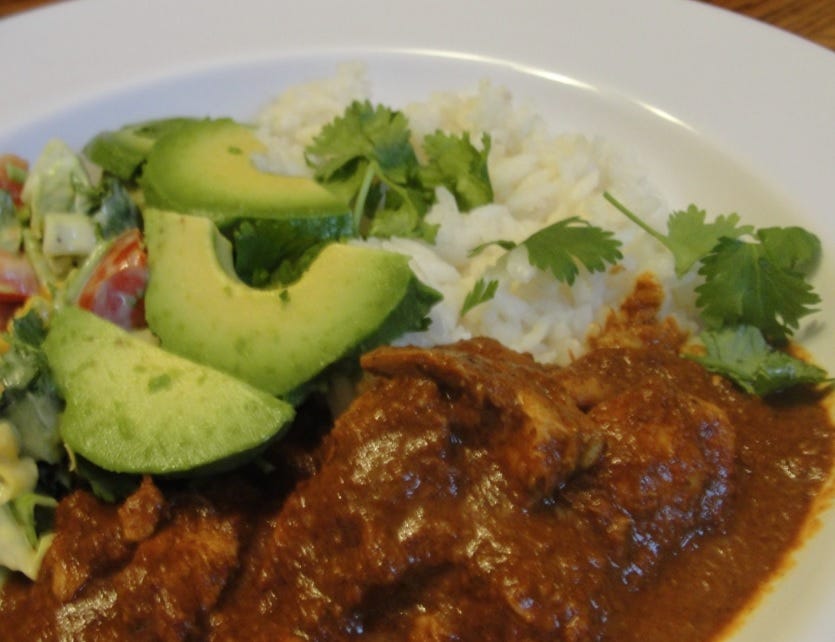
Chicken mole with avocado | Photo by author
One dish from India, one from the Middle East, and one from Mexico, but they all share one thing in common. They would not have their distinctive flavor without the use of cumin.
*Once it has been introduced into a new land and culture, cumin has a way of insinuating itself deeply into the local cuisine, which is why it has become one of the most commonly used spices in the world.— Gary Nabhan, “Cumin, Camels, and Caravans: A Spice Odyssey*
Cumin, the seed of an annual herb, is native to the Mediterranean and Upper Egypt. From there, it traveled through the continent of Africa to Asia Minor, Iran, and India. North African Muslims carried it to Spain, where it was (and still is) used to flavor stews. From Spain, it then traveled to the New World, where it became an essential part of Mexican cuisine.
Cumin (Cuminum cyminum) is a member of the Umbelliferae family, which also includes coriander, anise, caraway, dill, and fennel. It’s drought-tolerant and categorized as a tropical or subtropical plant. The optimum growth temperatures are between 25°C and 30°C. (77°F and 86°F). It matures in about 120 days.
Cumin seeds have been found in Syria, in 4,000-year-old excavations near Sippar-Amnanum (the area now known as Tell ed-Der). Cumin also has the distinction of being the only word that can be traced back to Sumerian — the first written language.
Adam Maskevich is an archaeologist who has worked extensively throughout the Middle East. He has also taught classes on the history of food and cooking in antiquity and the politics of archaeology. He earned a Master’s degree in Near Eastern Studies from Johns Hopkins University in 2004 and his Ph.D. from Johns Hopkins in May 2014.
In his article From Ancient Sumeria to Chipotle Tacos, Cumin Has Spiced Up the World, Dr. Maskevich tells us that:
“Almost a millennium later in the 9th century BC, the Assyrian king Ashurnasirpal II threw a huge feast to celebrate the construction of his new capital, Nimrud, in what is now northern Iraq. Boasting about it in a royal inscription erected in his new palace, Ashurnasirpal lists the massive quantities of food he served to guests from all over his empire, including lots of cumin. It was probably used as a table condiment as it still is throughout the Middle East.
But 9th-century Assyrians weren’t the end of the story of cumin. The Roman Empire (you’ve heard of them?) spread cumin across Europe, using it in everything from spiced meats and main dishes to medicinal brews. The Apicius cookbook refers to it many times. They prized it as a cure for upset stomachs (flatulence?) and even as an aid to conception.
After the Roman Empire, of course, we enjoyed the Renaissance period, known as the Middle Ages — they used cumin as a cure for everything. Got a cough? Cumin can fix that. Bruised? Rub on some cumin. Getting married? In Germany, brides tucked cumin seeds into their pockets to ensure fidelity.
By the 13th century, cumin held serious economic weight: English tenants could pay their rent in cumin spice.
And, then, there’s King Henry III of England. His household wasn’t shy about its appetite — royal records show cumin was ordered in bulk, sometimes 20 pounds at a time.
This little packet of seeds in our pantry has made its way around the world and garnered a lot of attention.
Cumin is widely available in both whole seed and ground forms. Ground cumin is convenient, but it loses its zest over time. Some recipes call for whole cumin seeds; to bring out their best flavor, toast them briefly before adding them to recipes.
Let’s stop and think about the introduction to this story. The samosa, the baba ghanoush, the mole sauce. Would you like to taste them? Even better — would you like to make them in your kitchen? You can, and I’m here to help.


Photo by kabir cheema on Unsplash
Samosas
Ingredients
- 2 cups flour
- 6 tablespoons canola oil
- 1 teaspoon salt
- 1/2 cup water
- oil for frying
- 4 tablespoons ghee (clarified butter) (see recipe below)
- 1 pound russet potatoes, peeled and cut into 1/4-inch dice
- 2 cloves garlic, finely minced
- 1 cup finely diced yellow onion
- 1 teaspoon grated fresh ginger
- 2 teaspoons garam masala (purchase or make your own — recipe below)
- 1 tablespoon chopped fresh cilantro
- 1/2 teaspoon turmeric
- 2 teaspoons lemon juice
- 1 cup frozen peas, thawed
Instructions
- Make the dough: Blend the flour, 6 tablespoons of flour, and salt with a fork. Add water and stir to combine. Turn dough out onto a lightly floured surface; knead until smooth. Wrap in plastic wrap and refrigerate for one hour.
- Knead the dough for 1 minute. Cut in half. Cut each half into 12 equal pieces. On a lightly floured surface, roll each piece into a 7-inch circle. Cut each circle in half and set aside (you will have 40 half-circles of dough).
- Make the filling: Heat a large sauté pan over medium heat. Add the ghee, potatoes, garlic, onion, and ginger. Reduce heat to low; cover and cook for about 10 minutes, stirring a few times — don’t allow to brown. You are merely cooking the potatoes to soften them.
- Add the remaining ingredients and continue to cook, covered, until the potatoes and peas are tender, about 5 minutes more. Set aside and cool thoroughly before proceeding to the next step.
- Form the samosas: Take one piece of dough and shape it into a cone. Place some of the cooled filling into the cone, moisten the top edge, and then seal.
- Fry in 2 inches of oil at 375°F. (190°C.) for 2 to 3 minutes per side. Drain.
How to Make and Shape Samosas
The following is a video that shows how to make samosas. The recipe that is used is slightly different from the one that I have presented above, but I include it because it is the best video I have ever seen on how to shape samosas.
That key part begins at 6 minutes 10 seconds:
[embed]
How to Make Ghee
Place one pound of butter in a large saucepan. Bring to a simmer and cook, partially covered, for 10 to 15 minutes or until most of the froth has subsided and the milk solids have fallen to the bottom of the pan. They can brown, but do not allow them to burn.
Remove from the heat; allow to cool slightly. Strain through several layers of cheesecloth. Seal in plastic containers. Ghee will keep for several weeks in your refrigerator.
Garam Masala Seasoning
Garam masala is a boldly flavored combination of ground spices — and each cook has his or her own idea of what the perfect blend should be. Here is mine:
Ingredients
- 1/2 cup coriander seeds
- 1/4 cup cinnamon stick pieces
- 1/4 cup black peppercorns
- 1/4 cup cumin seeds
- 3 tablespoons whole cloves
- 1 teaspoon fenugreek seeds
- 3 teaspoons cardamom seeds
- 1 teaspoon turmeric
- 1/4 teaspoon ground nutmeg
Instructions
Place all of the spices except for the turmeric and nutmeg on a baking sheet. Bake at 275°F (135°C) for 10 minutes or until the spices are fragrant. Place in a spice grinder (I have a coffee grinder set aside for exactly this purpose) and grind. Then add the turmeric and nutmeg. Process until a fine powder. Store in a cool, dark place in a sealed container.

Photo by Vicky Ng on Unsplash
Baba Ghanoush
In Arabic, “baba” means father, and “ghanoush” means spoiled. This “spoiled dad” dip is the creamier companion to hummus. This creamy, savory baba ghanoush dip is gluten-free and vegan.
Ingredients
- 3 pounds of eggplant (Use small or medium; see my notes about how to avoid eggplant bitterness below)
- 3 tablespoons tahini
- 1 large clove of garlic, crushed
- 2 whole fresh lemons, juiced
- 3/4 teaspoon cumin
- 1/2 teaspoon salt or more to taste
- Pinch cayenne pepper
- 1 tablespoon olive oil
Instructions
- Scrape the roasted eggplant pulp into a large bowl and set aside for 30 minutes. In that time, liquid should pool at the bottom of the bowl. Remove about half of that liquid and discard it.
- Add the remaining ingredients to the bowl and blend with a potato masher. You want to maintain some texture. Taste and adjust the seasoning to your liking — you might want a little more lemon juice, or a pinch of salt, a spoonful of tahini, or even a dash more cumin.
How to Prepare Eggplant to Avoid Bitterness
Wash your eggplants and cut them in half from tip to toes (stem to blossom end). Sprinkle salt over the cut halves and set aside for 30 minutes. Within that half hour, liquid will appear on the surface of the eggplant. Gently rinse it off and pat dry. If you see large seeds in the eggplant, scrape those out also. The liquid and the seeds can hold bitterness.
How to Roast Eggplant
Some of us are blessed to have a gas grill in the backyard, and then there are people like me. Some of us have a gas range — some do not. Even if you have a gas range, roasting eggplant on the stovetop is messy. I use my oven.
- Move your oven rack about 8–9 inches from the broiler element. Preheat the broiler.
- Place your prepped eggplants (washed, cut in half, and salted/blotted to avoid bitterness), cut-side down, on an oiled rimmed baking sheet. Poke each eggplant half several times to vent steam. (Don’t skip that step unless you want to experience the joy of cleaning exploded eggplant mush from the entire interior of your oven.)
- Roast for 20–30 minutes, or until eggplant is collapsing. The flesh should look caramelized, not blonde. If it appears undercooked, return it to the oven for a few minutes.
- Scoop the flesh/pulp from the eggplant into a bowl. Discard the skins.
Photo by author | No reuse without permission
Chicken in Mole Sauce
Ingredients
- 3 cups low-sodium chicken broth
- 1 cup orange juice
- 4 pounds chicken thighs and or legs, skin removed
- 1 tablespoon olive oil
- 1 large yellow onion, minced
- 6 cloves garlic, minced
- 1/4 cup sliced almonds
- 1 teaspoon ground coriander
- 1 teaspoon ground cumin
- 1/8 cup raisins
- 2 tablespoons peanut butter
- 4 tablespoons chili powder
- 1 1/2 triangles of Ibarra Mexican chocolate, chopped (can substitute 2 teaspoons semisweet cocoa powder plus 1/4 teaspoon ground cinnamon)
- 1/2 teaspoon smoked paprika
- 1 teaspoon salt
- 1 chipotle pepper in adobo sauce
Instructions
- Pour broth and orange juice into a large stockpot and bring to a simmer over medium heat.
- Heat olive oil in a large pan over medium heat; brown the chicken thighs in the pan, about 3 minutes per side. (The chicken will not be cooked through.) Add the chicken to the broth in the stockpot; simmer for 30 minutes. Remove the chicken and set it aside to cool.
- Meanwhile, in the same sauté pan in which you browned the chicken, cook the onion for 20 minutes or until it is softened and begins to brown. Add the garlic and cook for about 2 minutes more.
- Add the almonds, coriander, and cumin and sauté for 2 minutes.
- Stir this mixture into the stockpot along with the remaining ingredients (raisins through chipotle pepper).
- Simmer the sauce for 10 minutes, stirring occasionally.
- While the sauce simmers, de-bone the chicken and shred or cut it into bite-sized pieces.
- Remove the sauce from the heat. Let cool for 10 minutes and then pour into a blender and puree.
- Pour the pureed sauce back into the stockpot. Stir in the chopped cooked chicken; simmer over low heat until all is reheated. Serve over hot cooked rice.
Cumin seeds may be small, but their impact in the kitchen is huge. From Mexico to the Middle East to India, this spice shows up in dishes that are full of tradition and flavor. Whether it’s giving depth to mole, rounding out the smoky notes in baba ghanoush, or adding warmth to a potato filling in samosas, cumin ties all of the ingredients together.
One tiny seed, three big cuisines — and plenty of reasons to keep a jar close by.
Cumin has universal appeal — if you have not tried it before, please give one of these recipes a try. And if you have an old, forgotten tin of ground cumin in your pantry, do yourself a favor. Toss it out and purchase a fresh supply.
Did you enjoy what you read? If you’d like to read my future writings, subscribe to my email list, and you’ll be notified every time I publish a new story.

메타데이터
- post_id
- 7b9a4b6efacc
- slug
- cumin-a-world-of-flavor-in-one-tiny-seed-7b9a4b6efacc
- url
- https://medium.tastyble.com/cumin-a-world-of-flavor-in-one-tiny-seed-7b9a4b6efacc
- canonical_url
- https://medium.tastyble.com/cumin-a-world-of-flavor-in-one-tiny-seed-7b9a4b6efacc
- author_url
- https://medium.com/@lindalum_2779
- status
- ok
- fetched_at
- 2026-07-10 15:36:45