Dark Oxygen: Deep-Sea Mystery Solved, Questioning Our Climate Actions
Oxygen, as we have all learned, is produced by plants through photosynthesis. But did you know that rocks can produce oxygen, too?
Dark Oxygen: Deep-Sea Mystery Solved, Questioning Our Climate Actions
by Phung Le

Oxygen, as we have all learned, is produced by plants through photosynthesis. But did you know that rocks can produce oxygen, too? In a groundbreaking Nature-published study in July, 2024, a team of scientists examining the seafloor stumbled upon what they called “dark oxygen” which can be produced in the absence of light and life (Sweetman et al., 2024)! For years, scientists have been confused by the high oxygen level at the dark seafloor. Now the mystery has been solved.
These potato-sized, battery-like rocks, known as polymetallic nodules, are also rich in minerals that are needed to build sustainable technologies like electric vehicle (EV) batteries and solar panels (Chung, 2023). With few remaining land resources, deep-sea mining for these minerals has become an alternative over time. The new discovery of dark oxygen raises an important question: should there be stricter regulations on deep-sea mining to protect our blue oceans, or should we continue ocean mining to meet green energy goals?
Clearly, there is still a lot that we don’t know about the ocean. Continued deep-sea mining for these nodules might cause irreversible harm to marine life. While green energy is critical to battle climate change, deep-sea mining may only be bandaging one environmental problem up by causing another problem in the sea.
Uncovering the Mystery of Dark Oxygen
The accidental discovery of dark oxygen began in 2013 when Dr. Andrew Sweetman, a professor at the Scottish Association for Marine Science, noticed increased oxygen levels in ocean areas where sunlight couldn’t reach. Initially, his team thought it was an experimental error, but similar results appeared repeatedly. Through extensive testing, they finally discovered that oxygen was coming from the polymetallic nodules scattered across the seafloor. In the ocean’s darkest depths, these nodules produce oxygen by electrohydrolysis, splitting seawater into hydrogen and oxygen molecules (Hunt, 2024).
Deep-Sea Mining and the Green Energy Dilemma

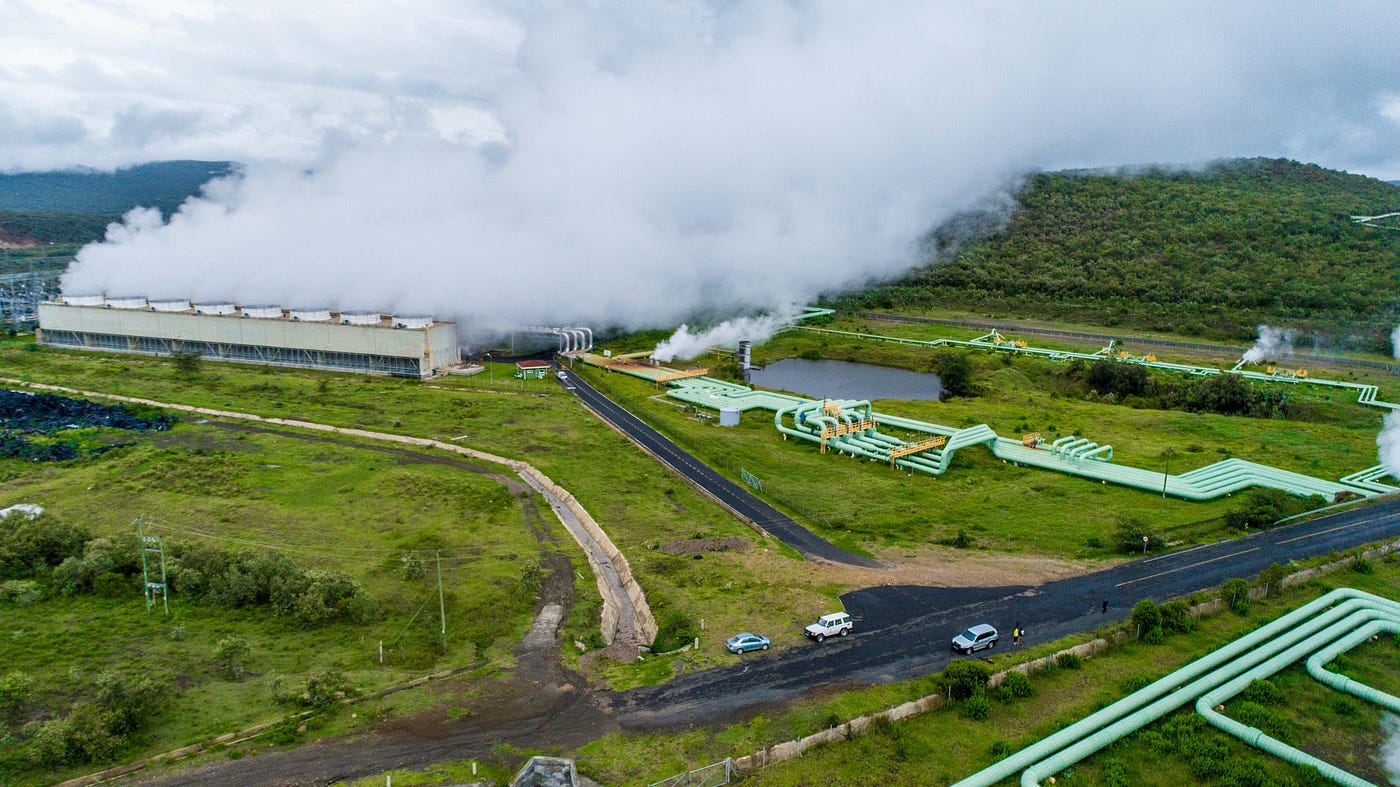
Polymetallic nodules are rich in minerals that are essential to green energy technologies (Chung, 2023).
Minerals like cobalt, nickel, copper, and manganese, from these polymetallic nodules are vital for current green technologies against climate change, including EV batteries and solar panels. Traditionally, these minerals are mined from land, which has led to alarming deforestation and pollution. However, as supplies from land dwindle, demand for these metals continues to rise fast (Hunt, 2024).
Currently, transportation causes around 20% of global emissions. With climate change’s pressure, many companies and countries are encouraging green energy transition, such as EVs. However, often overlooked is the fact that EV batteries require six times more minerals than conventional car batteries as seen in the diagram below. Similarly, other green energy technologies like solar panels and offshore wind turbines also demand more minerals than their traditional counterpart (Chung, 2023).

Electric vehicles require more minerals than conventional cars (Chung, 2023).
The International Energy Agency estimates that our demand for these metals will double by 2040 if we want to meet current global energy transition targets. And to achieve net-zero greenhouse gas emissions, we will need four times the current amount. Because of this, mining costs will inevitably rise (Chung, 2023). Engineers will have to be more resourceful when designing EV’s batteries and similar products. For consumers, this sadly means higher prices. Therefore, these polymetallic nodules become tempting alternatives, allowing us to meet the demands of green energy transition, reduce land pollution, and better control costs.
“What are the alternatives if we don’t go to the ocean for these metals? The only alternative is more land mining and more pushing into sensitive ecosystems, including rainforests,” said Gerard Barron, CEO of The Metals Co, a deep-sea mining company (Chung, 2023).
A Moratorium on Deep-Sea Mining
On the other hand, environmentalists argue against deep-sea mining, claiming that land mining would continue even if deep-sea mining were allowed. They fear humans will greedily exploit the earth’s resources whenever possible. In 2021, even before the discovery of dark oxygen, multiple companies including BMV, Volvo, Google and Samsung also called for a temporary ban in the mining for these nodules (Shukman, 2021). In fact, the second-largest mining company in the world, Rio Tinto, also echoed this concern (Chung, 2023). Given how little we know about the ocean, deep-sea mining could have unpredictable consequences.

Robotic vacuum on the seafloor and stir up plumes and negatively affect marine life (Chung, 2023).
Polymetallic nodules take millions of years to form. Removing them could cause irreversible damage to marine life. According to a study in Nature Ocean Sustainability, using robotic vacuums to mine the seafloor alone stirs up sediment plumes, disrupting animal migrations (Chung, 2021). Areas that were mined in the 1980s still experienced tragically low marine life decades later. Since the discovery of dark oxygen, many scientists around the world have signed petitions asking the International Seabed Authority for a moratorium on deep-sea mining (Hunt, 2024).
Reassessing Our Approach to Green Energy Solutions
Between the urgency of climate change and this new discovery of dark oxygen, the debate over balancing ocean conservation with green energy transition is as pressing as ever.
Our oceans cover 71% of the earth and we are still learning about them. It took Dr. Sweetman’s team a decade to confidently report the discovery of dark oxygen. Can our knowledge catch up with the damage that deep-sea mining causes in time?
Ideally, a moratorium on deep-sea mining should be implemented until further research is conducted. If that’s not possible, we need to enforce stricter regulations like better mining equipment to decrease seafloor damage. Mining could also be restricted in vulnerable areas of the sea. Moreover, there should be waiting time to allow our ecosystems to heal before miners can extract minerals there again.
Additionally, instead of deep-sea mining for resources for sustainable technology, we can explore alternative solutions to decrease mineral demand, such as promoting walking, biking, or public transit. As consumers and citizens, we can still make daily choices to help protect both our land and oceans. Carpooling or cleaning up after ourselves at the beach can all contribute. And as engineers, we can work on designing green technologies that use fewer minerals. Let’s not just go green but also go blue. Small actions, together, can lead to big impacts.
Citations:
Chung, D., Scheyder, E., & Trainor, C. (2023, November 15). The promise and risks of deep-sea mining. Reuters. https://www.reuters.com/graphics/MINING-DEEPSEA/CLIMATE/zjpqezqzlpx/
Hunt, K. (2024, July 22). Scientists discover “dark” oxygen being produced more than 13,000 feet below the ocean surface. CNN. https://www.cnn.com/2024/07/22/science/dark-oxygen-discovery-deep-sea-mining/index.html
Shukman, D. (2021, April 3). Companies back moratorium on Deep Sea Mining. BBC News. https://www.bbc.com/news/science-environment-56607700
SOA TEAM. (2024, July 23). Groundbreaking discovery: “dark oxygen production” in the deep ocean fueled by polymetallic nodules. Sustainable Ocean Alliance. https://www.soalliance.org/soablog/dark-oxygen-deep-sea
Sweetman et al. (2024, July 22). Evidence of dark oxygen production at the abyssal seafloor. Nature. https://www.nature.com/articles/s41561-024-01480-8
메타데이터
- post_id
- 7ba2f9e59f13
- slug
- dark-oxygen-deep-sea-mystery-solved-questioning-our-climate-actions-7ba2f9e59f13
- url
- https://medium.com/berkeley-fung-institute/dark-oxygen-deep-sea-mystery-solved-questioning-our-climate-actions-7ba2f9e59f13
- canonical_url
- https://medium.com/berkeley-fung-institute/dark-oxygen-deep-sea-mystery-solved-questioning-our-climate-actions-7ba2f9e59f13
- author_url
- https://medium.com/@funginstitute
- status
- ok
- fetched_at
- 2026-07-18 02:47:26