How Your Liver Regenerates After Donation?
When saving someone’s life starts with sharing a part of your own.
How Your Liver Regenerates After Donation?
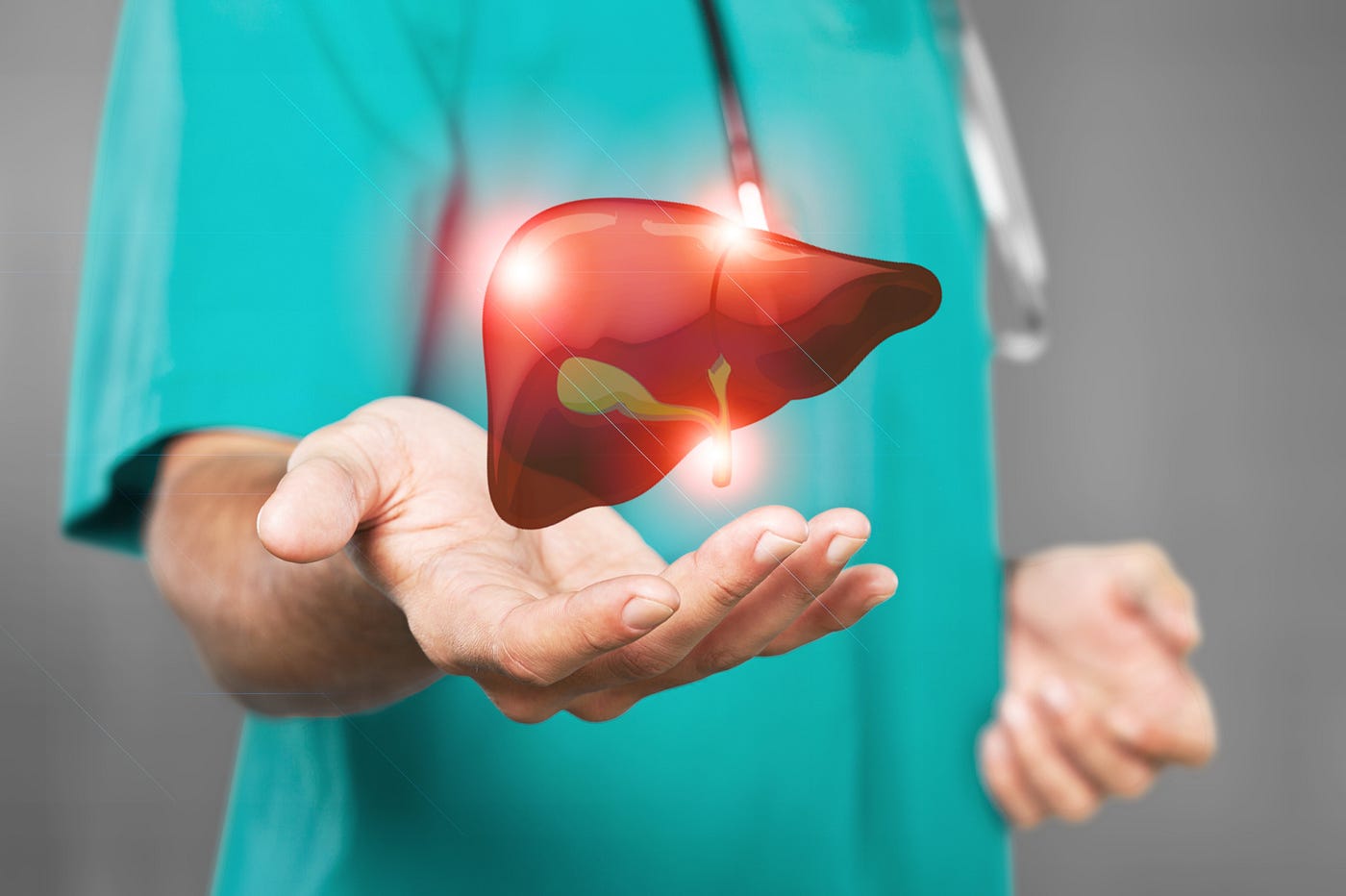
When saving someone’s life starts with sharing a part of your own.
Imagine giving someone a second chance at life — not through words or money, but with a part of your own body. In 2025, thousands of Indians are doing exactly that — donating a part of their liver to save loved ones.
And here’s what’s even more fascinating — your liver actually grows back.
India has become one of the global leaders in Living Donor Liver Transplants (LDLTs). As per medical experts, more than 90% of liver transplants in India are living donor-based, and both donors and recipients recover with astonishing outcomes.
This blog breaks down everything —
- Why India relies so heavily on living donors
- How your liver regenerates after donation
- What the real recovery journey looks like
- And why this selfless act is now saving thousands every year
Why India Depends on Living Donor Liver Transplants
In most countries, liver transplants are performed using organs from deceased donors. But in India, the reality is very different.
Because of low organ donation awareness, religious misconceptions, and lack of deceased donor systems, India faces a huge gap — over 25,000 people need a liver transplant every year, yet only about 1,500–2,000 surgeries are performed.
That’s where living donors come in.
A healthy person donates a part of their liver — usually a right or left lobe — to someone in need. The magic lies in biology: both portions regenerate, forming two healthy, functioning livers in a matter of weeks to months.
This approach doesn’t just bridge the donor shortage; it’s now saving thousands of lives every single year.
What Exactly Happens in a Living Donor Liver Transplant
Let’s keep it simple.
There are two surgeries happening almost at the same time:
- Donor Surgery: The surgeon removes a section of your liver — usually 40%–60% of the total volume. The rest stays in your body to regrow.
- Recipient Surgery: The removed section is transplanted into the recipient. Within hours, blood flow is restored — and both livers start regenerating almost immediately.
The donor typically spends:
- 1–2 days in ICU for close monitoring
- Around 7–10 days in hospital total
- 6–12 weeks for full activity recovery
By 3 months, most donors report feeling completely normal. By 6 months, scans often show the liver has nearly regrown to its original size.
That’s the miracle of regeneration — your body’s built-in healing superpower.
How Does the Liver Regrow? — The Step-by-Step Regeneration Timeline
If there’s one organ that redefines healing, it’s the liver.
Unlike your heart or kidneys, your liver doesn’t need to “replace cells” one by one — it expands existing cells to restore its mass and function. Here’s the complete regeneration journey simplified:
Stage 1: The Trigger Phase (Day 1–3)
The moment a part of your liver is removed, your body senses the loss. Blood flow increases, and special signals — called growth factors — are released.
They tell your remaining liver cells: *“We’ve got work to do.”
- Within hours, these cells start multiplying rapidly.
Stage 2: Rapid Growth (Day 4–14)
This is when regeneration happens at lightning speed. Studies show that by the end of week 2, your liver can regain 60–70% of its original volume.
During this time:
- Liver enzymes stabilize
- Fatigue reduces
- Appetite returns
- And the donor feels more “normal” again
You’ll have follow-up scans to ensure everything’s growing as expected — and most of the time, it is.
Stage 3: Functional Recovery (Week 3–8)
This is where the magic meets reality. By the 6th–8th week, your liver’s function is almost back to 100%.
Even though it might not have fully grown in size yet, functionally it’s working perfectly. You can slowly return to your routine, eat normally, and even resume work (based on your doctor’s advice).
Stage 4: Complete Regeneration (Month 3–12)
Over the next few months, your liver continues to reshape and rebuild itself. By 6–12 months post-donation, imaging studies show 80–100% regeneration in most donors.
There’s no loss in liver capacity, no difference in long-term health, and no functional limitation.
That’s why experts often call the liver the only organ that truly gives back.
Who Can Become a Living Liver Donor in India?
If you’ve ever wondered whether you could donate, here’s what hospitals generally look for:
Age: 18–55 years Good general health — no major illnesses like diabetes, heart or kidney disease Compatible blood group with the recipient Normal liver function tests and imaging results Healthy BMI (not obese or having fatty liver) Voluntary decision — donation must be fully informed and free of pressure
Potential donors go through extensive screening: blood tests, scans, psychological evaluation, and counseling sessions. It’s not just a medical decision — it’s an emotional one too.
Is Donating Part of Your Liver Safe?
That’s the first question almost everyone asks — “Will I be okay after giving away part of my liver?”
And the answer, backed by medical research, is yes — when performed at an experienced center.
Here’s the safety reality:
- Mortality rate: Less than 0.2% (2 in 1,000 donors) in top hospitals
- Complication rate: Around 10–15%, usually minor (infection, bile leak, temporary discomfort)
- Long-term risks: Minimal when you maintain a healthy lifestyle post-surgery
Most donors go back to normal life — working, traveling, exercising — within a few months. In fact, more than 95% report full recovery and no long-term issues.
The liver’s regenerative capacity ensures your body restores what was given — and then some.
Why Living Donor Transplants Are Saving Thousands in India
India performs over 1,200–1,500 living donor liver transplants each year, making it one of the busiest LDLT countries globally.
Here’s why it matters:
- Shorter waiting time: Recipients don’t need to wait for a deceased donor.
- Better survival: Living donor transplants have higher success rates — nearly 90%+ one-year survival.
- Immediate availability: Surgery can be scheduled as soon as the donor is cleared.
- Regenerative advantage: Both donor and recipient benefit from rapid recovery.
- Cost-effective: LDLTs in India are often more affordable compared to Western countries.
It’s not just medicine — it’s human generosity combined with science.
Life After Donation — What Donors Say
The emotional side of donation often goes beyond statistics.
Many donors describe it as one of the most meaningful experiences of their lives. A father saving his son, a wife helping her husband, a sibling giving hope — these stories define humanity.
Donors often report:
- Improved sense of purpose
- Stronger family bonds
- Increased health awareness
- Emotional satisfaction that lasts a lifetime
And yes — almost all say: “I’d do it again.”
Myths and Facts About Liver Donation
Myth 1: Donating liver will affect my health forever.
- Fact: The liver regenerates completely within 2–3 months. Donors lead completely normal lives.
Myth 2: I can’t live with half a liver.
- Fact: The remaining portion grows back to normal size and performs full function.
Myth 3: Liver donation is a very risky surgery.
- Fact: It’s a well-established, safe procedure when done by experienced teams.
Myth 4: Only relatives can donate.
- Fact: In India, living donation must be from close relatives or approved altruistic donors (with government authorization).
Myth 5: Liver transplant is only for the rich.
- Fact: Many government schemes and NGOs now support transplant costs and donor care.
Lifestyle and Recovery Tips for Donors
- Follow doctor-prescribed rest and physiotherapy for 4–6 weeks.
- Avoid alcohol and smoking until complete recovery.
- Maintain a balanced diet with protein-rich foods.
- Regular liver function check-ups at 1, 3, and 6 months.
- Stay positive — most donors report improved emotional satisfaction after donation.
Conclusion: The Gift That Grows Back
- Living liver donation is not just a surgery — it’s an act of humanity that multiplies life.
- India’s medical progress in 2025 proves that science and compassion can coexist beautifully.
- By spreading awareness, we can help thousands of patients find hope, courage, and a second chance at life.
- Because when you donate part of your liver — you don’t lose something, you help life grow back stronger.
References:
- Benefits and Risks of Living-Donor Liver Transplant
- Life of a Donor After Liver Donation
- Liver regeneration after living donor transplant
🔴 Disclaimer: This article is for informational purposes only and does not constitute medical advice. Please consult a healthcare professional before making any health-related decisions.
메타데이터
- post_id
- 7bbb64401d05
- slug
- how-your-liver-regenerates-after-donation-7bbb64401d05
- url
- https://medium.com/@myhealthnotion/how-your-liver-regenerates-after-donation-7bbb64401d05
- canonical_url
- https://medium.com/@myhealthnotion/how-your-liver-regenerates-after-donation-7bbb64401d05
- author_url
- https://medium.com/@myhealthnotion
- status
- ok
- fetched_at
- 2026-07-26 10:31:45