Stop Giving Away Your Email: How I Test Apps Without the Digital Hangover
Man, I remember a time not so long ago when I’d see a cool new app, get all excited, and immediately hit that download button. My finger…
Stop Giving Away Your Email: How I Test Apps Without the Digital Hangover
Man, I remember a time not so long ago when I’d see a cool new app, get all excited, and immediately hit that download button. My finger would hover over the “Sign Up with Email” field, and without much thought, I’d just type in my main address. You know, the one I use for everything important. My bank, my family, my job. What could go wrong?
Turns out, a lot could go wrong. It always felt like a small price to pay for instant access to something shiny and new. A new game, a productivity tool, a photo editor everyone was raving about. I was like a kid in a candy store, just grabbing whatever looked good, not thinking about the cost.
Then came the deluge. First, it was just a few extra newsletters. “Oh, that’s fine,” I’d tell myself. “I can always unsubscribe.” But those few turned into a steady stream. My inbox, once a place for important conversations, slowly became a digital junk drawer. Promo codes for things I didn’t need, notifications from apps I’d forgotten I even signed up for, and a never-ending parade of ‘exclusive offers’. It was exhausting.
The Digital Swamp: Why Your Email is a Treasure Chest for Others
Think about your main email address for a second. It’s not just a way to log in. It’s a digital key. It unlocks parts of your identity, ties you to other accounts, and often, it’s connected to your real name, your phone number, maybe even your location. When you hand it over to every single app, website, or service that asks, you’re essentially giving away pieces of your privacy pie. A big chunk.
I learned this the hard way. One morning, I woke up to an email that looked suspiciously like it was from my bank. It asked me to ‘verify’ my account. My heart pounded. Luckily, something felt off, and I didn’t click. A quick search showed it was a phishing attempt. But how did they get my email? Chances are, it was from one of the countless apps or services I’d carelessly signed up for.
This isn’t just about spam, although that’s annoying enough. We’re talking about data breaches. Companies get hacked. It happens. And when it does, if your email is sitting in their database, it becomes public. It ends up on lists, sold to marketers, or even worse, to cybercriminals. They love this stuff. And who wants that stress? Not me.

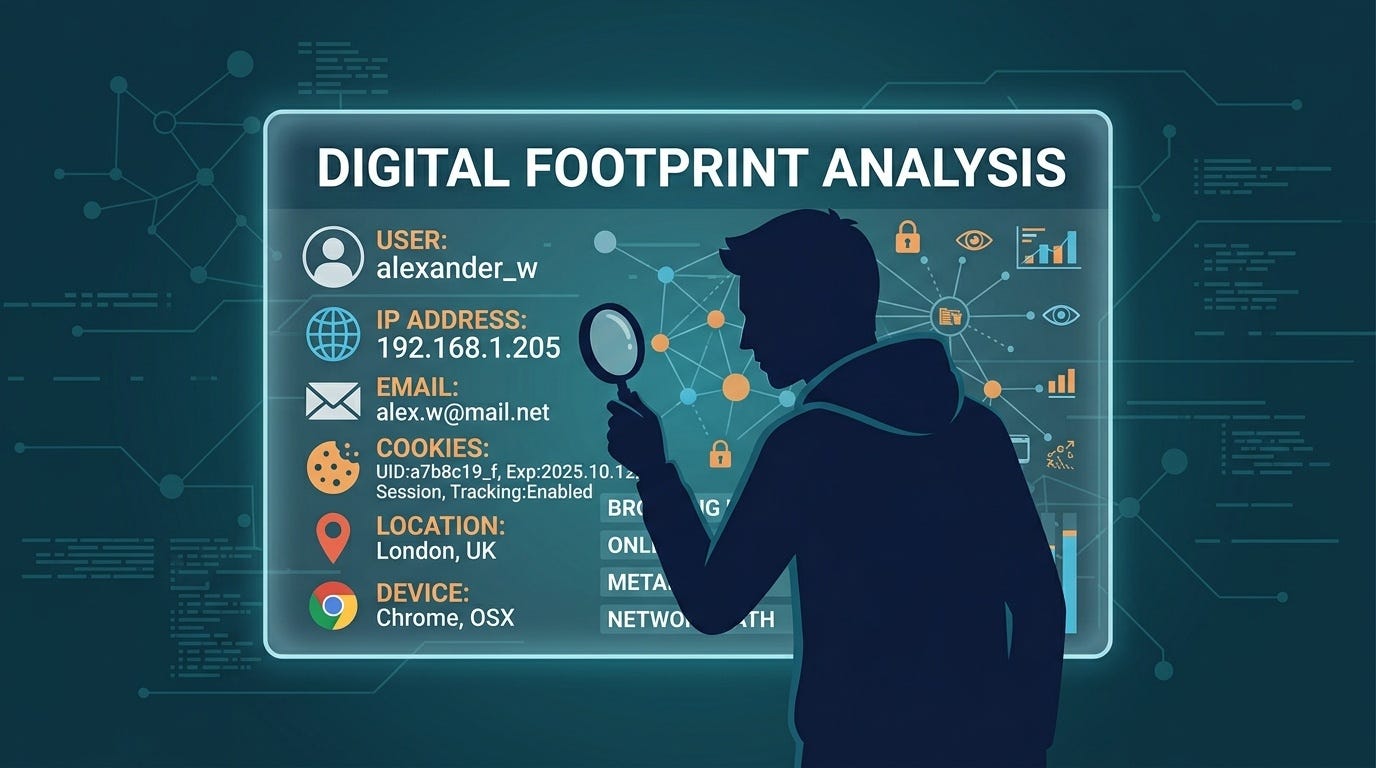
And then there’s the tracking. Oh, the tracking. Once these companies have your email, they can link it to all sorts of other data points. What you click, what you buy, where you browse. Suddenly, every ad you see feels eerily specific, almost like someone’s watching. It’s because they kind of are. Your privacy evaporates. Poof.
The Old Guard: Why ‘Burner’ Emails Were a Pain
For a while, my strategy was to create a separate ‘junk’ email address. You know, a Gmail account or something similar that I’d only use for sign-ups. It felt smart at the time. A firewall, of sorts. I was proud of myself.
But even that had its problems. First off, it was a hassle. Setting up a new email account just to test an app? It took time. And then I’d have to remember the password for that account. And the recovery questions. It became a whole thing.
And what if I actually liked the app? What if I wanted to continue using it and receive important updates? Then I’d have to change the email address to my main one, or constantly check this separate ‘junk’ account. It defeated the purpose of convenience. It added more steps, not fewer. Not good.
It was a clunky solution to a modern problem. I needed something faster. Something smarter. Something truly disposable. My patience wore thin.
A Lightbulb Moment: Discovering the True Disposable Power
I was chatting with a friend who works in cybersecurity — a real whiz with all things digital privacy. We were commiserating about inbox clutter and the constant fear of data breaches. I told him about my ‘junk email’ strategy, and he just shook his head, smiling. “Bless your heart,” he said, “there’s a much better way.”
He told me about temporary email services. At first, I was skeptical. A temporary email? Like, it just… disappears? It sounded too good to be true. But he explained how they work, and honestly, it felt like a revelation. A true game-changer.
Imagine this: you need an email address for five minutes. To sign up for a forum, to test an app, to grab a coupon. You get it, you use it, you get the confirmation, and then it’s gone. No trace. No lingering spam. No connection back to your real identity. Just poof, gone. Clean slate. This was exactly what I needed.

It felt like I’d found a secret backdoor to online freedom. I could explore, try new things, and not have to worry about the digital fallout. No more inbox anxiety. No more wondering who had my data. It was empowering.
How This Digital Magic Works (No Wands Required)
So, how do these temporary email services actually work? It’s surprisingly simple, and that’s what makes them so brilliant. You visit a website, and it instantly generates a unique email address for you. No sign-up required. No personal information needed. Just a fresh, ready-to-use email address.
You copy that address, paste it into whatever app or website is asking for your email, and hit send. The confirmation email or verification link? It pops up right there on the temporary email service’s page, usually within seconds. You click what you need to click, verify what you need to verify, and you’re in. That’s it.
Then, after a set amount of time (often minutes or a few hours), that temporary email address just expires. It vanishes. It becomes unusable. Any spam or unwanted emails that might have been sent to it after you’re done? They just go into the void. They never reach your real inbox. Ever. It’s a beautiful thing.
This means you can freely explore. You can try out that new social media app everyone’s talking about. You can test a beta version of a game. You can sign up for a one-time discount code. All without a single worry about what kind of digital mess you might be creating for your main email address. Pure freedom.
Beyond Just Apps: Protecting Your Digital Home in Other Ways
While testing apps is a huge use case, I quickly realized the power of temporary emails goes far beyond that. Think about all the other places online where you’re asked for an email address.
Newsletters, for example. I love keeping up with certain topics, but I don’t want my main inbox flooded with daily or weekly updates. Now, I use a temporary email to sign up. If I truly love the content, I might consider subscribing with my main email later, or just keep regenerating a temporary one if it’s super rare. But for most, it’s a one-and-done.
Online contests or giveaways? Absolutely. So many of these are just data harvesting schemes. They want your email to send you marketing messages for years. Use a temporary email. If you win, great! If not, no harm done. No spam. No problem.
Free trials for software? Perfect. Sometimes you just need to try something for a day or two to see if it fits your workflow. You don’t want to accidentally sign up for a subscription you’ll forget to cancel. A temporary email solves that. You get your trial, and when it expires, so does the email connection. Smart, right?
And let’s not forget comment sections on forums or blogs. Sometimes you want to chime in, but you don’t want to attach your real identity or get caught in endless notification loops. A temporary email lets you participate anonymously and then disappear. It really is like having a cloak of digital invisibility.

My Own Digital Cleanse: How It Changed My Life Online
Honestly, adopting this simple habit changed my relationship with the internet. My main inbox is cleaner than it’s ever been. I feel less anxious about exploring new websites or trying out new tools. It’s like I have a shield against the digital noise and data collectors.
Before, I’d hesitate. “Do I really need to sign up for this?” I’d ask myself, picturing the future spam. Now, that hesitation is gone. I can quickly generate an address, do what I need to do, and move on. It’s efficient. It’s safe. It’s empowering.
It’s not just about hiding, either. It’s about control. You get to decide who gets to truly connect with you and your personal information. You’re not just passively handing it over anymore. You’re an active participant in your own digital privacy.
But you need a reliable tool. A good temporary email service is quick, easy to use, and ideally, offers features like multiple temporary addresses or the ability to extend an address if you need it for a bit longer. They should be secure and respect your privacy, which, ironically, is their whole point.
For me, finding a service that was intuitive and fast made all the difference. One that truly understood the need for quick, disposable communication without the usual privacy trade-offs. It’s about empowering you to navigate the internet freely and safely. And that’s something we all deserve.

So, if you’re tired of a cluttered inbox, worried about your data, or just want to try out that next cool app without the commitment, it’s time to change your game. Take control. Protect your digital space. It’s easier than you think. You can explore a fantastic option that puts you back in charge of your email privacy right here: Protect your inbox and test apps safely. Trust me, your future self will thank you for the peace of mind.
A Final Word on Your Digital Future
The internet isn’t going anywhere. New apps, new services, new ways to connect are constantly popping up. And that’s exciting! But with great innovation comes great responsibility — our responsibility to protect ourselves.
Using temporary emails isn’t just a hack; it’s a fundamental shift in how you manage your online identity. It’s about building smarter habits. It’s about taking proactive steps to ensure your digital life is less stressful and more secure. It’s a simple change, but its impact is huge. Seriously huge. Give it a try. You’ve got nothing to lose but the spam.
메타데이터
- post_id
- 7bccf1cccb4f
- slug
- stop-giving-away-your-email-how-i-test-apps-without-the-digital-hangover-7bccf1cccb4f
- url
- https://medium.com/@tmmail/stop-giving-away-your-email-how-i-test-apps-without-the-digital-hangover-7bccf1cccb4f
- canonical_url
- https://medium.com/@tmmail/stop-giving-away-your-email-how-i-test-apps-without-the-digital-hangover-7bccf1cccb4f
- author_url
- https://medium.com/@tmmail
- status
- ok
- fetched_at
- 2026-09-01 19:19:11