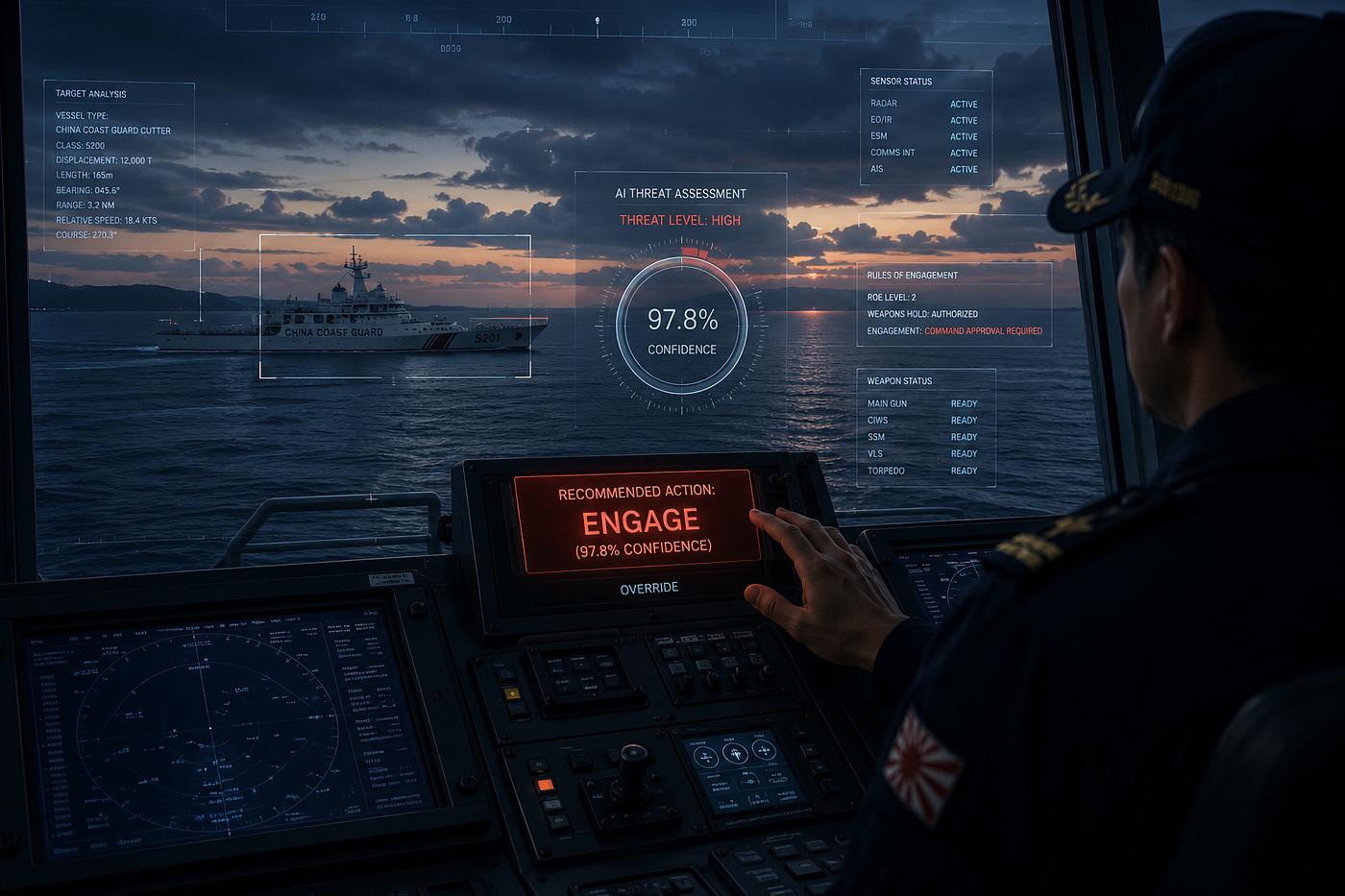
Why I Created the Generic Wargaming System
When I was young, I spent countless hours pushing cardboard counters across hex maps. Like many wargamers of my generation, I learned…
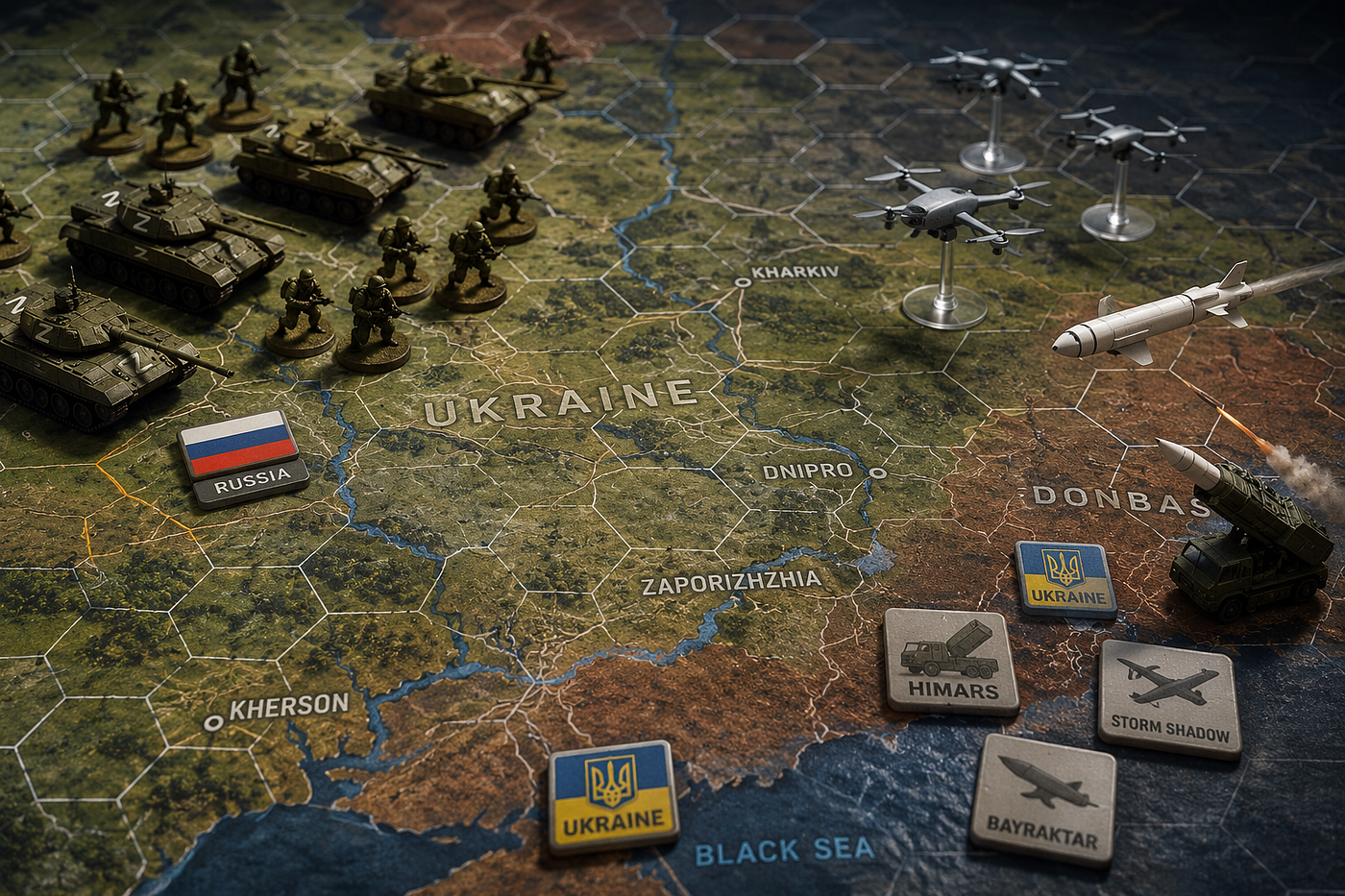
Why I Created the Generic Wargaming System
When I was young, I spent countless hours pushing cardboard counters across hex maps. Like many wargamers of my generation, I learned military history one battle at a time. Every scenario was an opportunity to ask, “What if?” and discover why commanders made the decisions they did.
Life eventually got in the way. Career, family, and responsibilities replaced weekends around the gaming table. But my fascination with warfare never disappeared.
In 2025, one question reignited that passion.
How did Pakistan, flying older aircraft, manage to shoot down India’s Rafales?
The more I researched, the more I realised that modern warfare is no longer won simply by having the best fighter, tank, or warship. Victory belongs to the force that can find the enemy first, understand the battlefield faster, make better decisions, and strike before the opponent can react.
Military professionals call this the Kill Chain.
A modern military is more than its platforms. It is a network of sensors, drones, satellites, electronic warfare, command systems, logistics, and people. Break any link in that chain, and even the most advanced weapon can become ineffective.
That realisation led me to write a book called Fighting Smart, exploring how modern militaries fight in the information age. But reading about warfare wasn’t enough. I wanted a way to test ideas, challenge assumptions, and answer my own “what if” questions.
So I built one.
The Generic Wargaming System (GWS) began as a personal simulation framework. It allowed me to explore battlefield awareness, combined arms, operational tempo, and the constant contest to build and disrupt an enemy’s Kill Chain. Every scenario became an experiment. What happens if drones are lost? What if electronic warfare blinds one side? Does a technologically superior force always win?
As GWS evolved, I discovered something unexpected. It wasn’t just helping me understand modern warfare. It was becoming a game that others could enjoy as well.
But there was one problem.
Like many wargames, it was slowly becoming more complicated than it needed to be.
So I went back to first principles.
I asked myself a simple question:
Should a wargame make players memorize rules, or help them think like commanders?
The answer shaped the current edition of GWS.
The goal is simple: keep the mechanics fast, but make the decisions meaningful.
Instead of pages of technical charts, GWS uses a streamlined 2d6 engine that emphasises the decisions that matter: reconnaissance, battlefield awareness, combined arms, operational tempo, and command under uncertainty. It can model conflicts from World War II to near-future warfare while remaining quick to learn and flexible enough for both casual players and serious military enthusiasts.
I don’t believe a wargame should predict the future, but rather it should help us ask better questions. Because every battle begins with uncertainty. Every commander faces imperfect information. Every decision has consequences.
The better we become at asking questions, the better we become at understanding history, strategy, and perhaps even ourselves.
If that sounds interesting, I’d love for you to try GWS.
The Generic Wargaming System is free to download.
Have you ever played a wargame that changed the way you think about military history or modern warfare? I’d love to hear about it in the comments.
메타데이터
- post_id
- 7bf3a3cf5725
- slug
- why-i-created-the-generic-wargaming-system-7bf3a3cf5725
- url
- https://medium.com/generic-wargaming-system-gws/why-i-created-the-generic-wargaming-system-7bf3a3cf5725
- canonical_url
- https://medium.com/generic-wargaming-system-gws/why-i-created-the-generic-wargaming-system-7bf3a3cf5725
- author_url
- https://medium.com/@allen.pattiselanno
- status
- ok
- fetched_at
- 2026-08-04 05:13:04