This is How Viktor Frankl Survived Auschwitz. It Will Change How Your Brain Handles Suffering
It will change your relationship with your own psyche.
This is How Viktor Frankl Survived Auschwitz. It Will Change How Your Brain Handles Suffering
It will change your relationship with your own psyche.

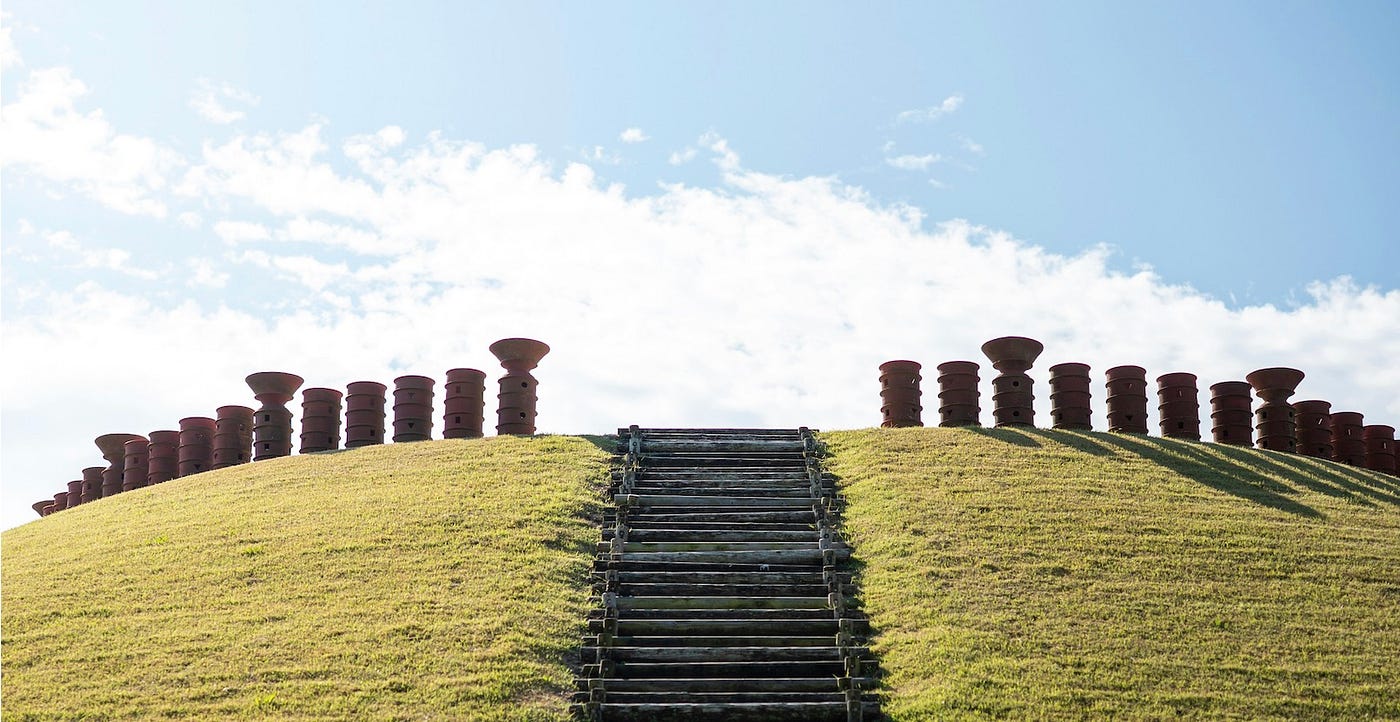
Photo by Tomáš Malík on Unsplash
Viktor Frankl his parents, brother and wife in Nazi concentration camps. He was a psychiatrist before the war. He endured three years of forced labour, starvation, and brutality. After his experience, he wrote a short book about what he experienced, saw and observed. The most important thing that kept him going was what he calls the last human freedom. “Forces beyond your control can take away everything you possess except one thing, your freedom to choose how you will respond to the situation,” he wrote. He noticed the prisoners who survived were the ones who chose to apply his last freedom rule.
Frankl watched prisoners die of despair before they died of starvation. The body gave out only after the mind gave up. He saw the reverse too. People who kept their “reason to live” alive and somehow kept walking, kept working, kept breathing another day. That’s why he wrote, “Those who have a ‘why’ to live, can bear with almost any ‘how’.” He also said, “If there is meaning in life at all, then there must be meaning in suffering.”
The wisdom here is this.
Pain is a fixed force pressing on you.
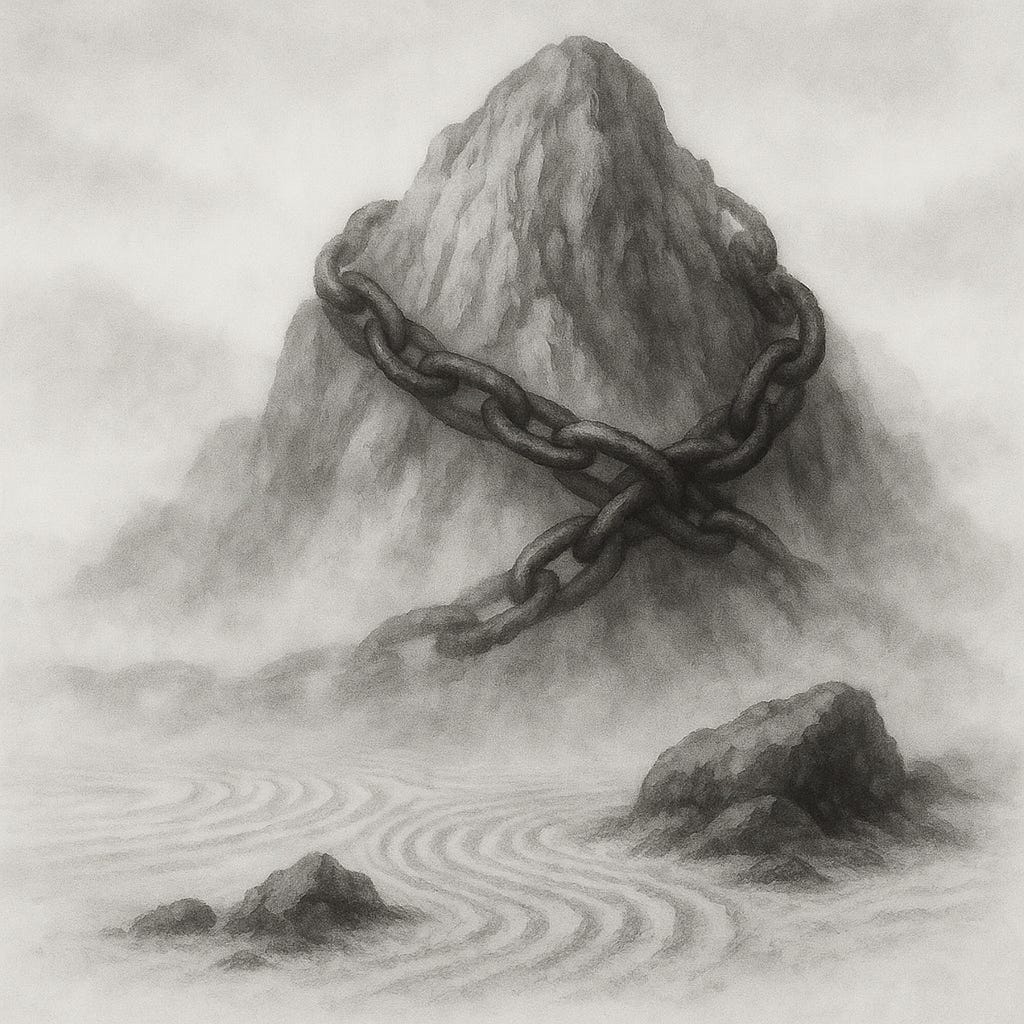
Meaning is what stops the pain from crushing you. Without it, you give in. When you have it, you bend but don’t break. Suffering has always been the load of many lives. Those without the pillars of meaning can’t bear the load. Frankl wants you to make the most of the space between what happens to you (the boulder on your back) and what you do. The experiences of life you can’t change (what happens to you) are the stimulus. Your response is a practice of the last freedom. The choice to make the most of the space between action and reaction. Most people skip that space. When something bad happens, they react or fire instantly.
Through anger, despair or shutdown.
He insisted that if suffering is avoidable, you should eliminate its cause. But when suffering is unavoidable, you get to choose what it means in your head. “In some way, suffering ceases to be suffering at the moment it finds a meaning,” he wrote. Your suffering fills your consciousness completely, whether it’s a small problem or a massive one. It’s relative. So the size of your suffering matters less than what you do with it. Frankl trained himself to notice the space. Even in a concentration camp, with guards and starvation and no way out, he found a way to interpret or decide what the experience meant to him.
The reality was painful and true.
What he chose to make true in his mind helped him survive. His response to a terrible experience he couldn’t escape changed everything. He held onto the possibility of reuniting with his family. He imagined himself after the war, standing in front of an audience, telling his story. Teaching the psychology of the concentration camp.
The prisoners who lost their “why” didn’t survive.
Frankl observed that when a man saw no future goal or no purpose, he was “soon lost.” Prisoners who expected freedom by christmas died of illness when the date passed without rescue. Their hope was gone. Their bodies gave out. That’s why he insisted it pays to choose your meaning.
Most people wait for it.
Frankl argues you build it, experience by experience, through what you do, who you love, and how you bear pain you can’t avoid. He broke it into three paths. Work (building or creating something). Love (connecting with another person). And suffering (the meaning you make when the first two are not available and pain is all that’s left). That third one is the hardest for many people. Frankl said even unavoidable suffering can have meaning if you decide how to carry it. “Life is never made unbearable by circumstances, but only by lack of meaning and purpose,” he wrote. Two people can walk out with the same diagnosis. Same pain. One collapses into bitterness and despair. And lose all hope in life. The other uses the time left to repair a relationship, teach a lesson, and make memories with family.
Same suffering.
Completely different ways to bear it.
For everything that makes life intolerable, if you can construct a different interpretation. Some sense of why you should keep going or what it demands of you: you can recover faster and more fully than people who can’t. Your brain doesn’t process pain in isolation. But through stories you tell yourself. Change what you tell yourself and the same difficult experience be a springboard for your next one.
Frankl created techniques you can use right now.
Start with humour as detachment.
He and his friend promised to invent jokes daily. One for that day, one for the future. “It is well known that humor, more than anything else in the human make-up, can afford an aloofness and an ability to rise above any situation, even if only for a few seconds,” writes Frankl. Humour allows you to distance yourself and have the power to rise above any situation. Focus on small pleasures. “We laughed and cracked jokes in spite of, and during, all we had to go through in the next few hours,” he wrote in Man’s Search for Meaning. Find beauty. In his book, he described how some prisoners drew their attention to the sunrise and sunset.
“In camp, too, a man might draw the attention of a comrade working next to him to a nice view of the setting sun shining through the tall trees of the Bavarian woods (as in the famous water color by Dürer), the same woods in which we had built an enormous, hidden munitions plant. One evening, when we were already resting on the floor of our hut, dead tired, soup bowls in hand, a fellow prisoner rushed in and asked us to run out to the assembly grounds and see the wonderful sunset. Standing outside we saw sinister clouds glowing in the west and the whole sky alive with clouds of ever-changing shapes and colors, from steel blue to blood red.”
You’re not in a concentration camp.
But you face suffering.
Maybe it’s chronic pain. Or the loss of someone you love. Maybe you feel despair as life is working out. Frankl’s advice is simple and practical. You don’t get to choose what happens to you. No one can. Reality is indifferent to your needs. But you always get to choose your response. It doesn’t mean you have to pretend everything is fine. But the meaning you attach to suffering determines how you endure it. Your attitude toward unavoidable pain becomes a way of life. “What man actually needs is not a tensionless state but rather the striving and struggling for a worthwhile goal, a freely chosen task,” Frankl said.
Find your “why.”
Then bear your “how.”
That’s how Frankl survived. That’s how you can handle life’s many unavoidable experiences. You won’t always get to pick your suffering. But you always get to choose what you do with it. “Live as if you were living already for the second time,” Frankl advised, “and as if you had acted the first time as wrongly as you are about to act now.” You get a do-over. Starting now. You can rise above the absurd. It’s the one choice no one can take from you. Frankl’s last advice is this. “Man is not free from conditions. But he is free to take a stand toward those conditions.”
메타데이터
- post_id
- 7c34506e75d2
- slug
- this-is-how-viktor-frankl-survived-auschwitz-it-will-change-how-your-brain-handles-suffering-7c34506e75d2
- url
- https://medium.com/personal-growth/this-is-how-viktor-frankl-survived-auschwitz-it-will-change-how-your-brain-handles-suffering-7c34506e75d2
- canonical_url
- https://medium.com/personal-growth/this-is-how-viktor-frankl-survived-auschwitz-it-will-change-how-your-brain-handles-suffering-7c34506e75d2
- author_url
- https://medium.com/@thomas-oppong
- status
- ok
- fetched_at
- 2026-07-09 06:53:08