4,000 Religions and Not One Agrees Completely
Thousands of Faiths, Countless Doubts, and One Human Need to Make Sense of Life
4,000 Religions and Not One Agrees Completely
Thousands of Faiths, Countless Doubts, and One Human Need to Make Sense of Life
Photo by Chris Liverani on Unsplash
I am a religious mosaic.
On my father’s side, my great-grandparents were Baptist.
When my grandmother was giving birth to my father, she became convinced she was dying. A priest was called to administer last rites. She survived, and the experience changed her so profoundly that she converted to Catholicism.
My mother was Jewish.
Years later, I had my two children baptized Methodist.
By then, I was an atheist.
I did not believe in God, yet I still wanted the ceremony, the photographs, and the feeling of participating in something larger than myself.
Why Methodist?
Because when my Jewish mother and Catholic father tried to elope, a Methodist minister was the only clergy member willing to marry them.
So within one family, and within one lifetime, I inherited Baptist, Catholic, Jewish, and Methodist traditions.
These were not simply different labels.
They made fundamentally different claims about the nature of God and the meaning of life.
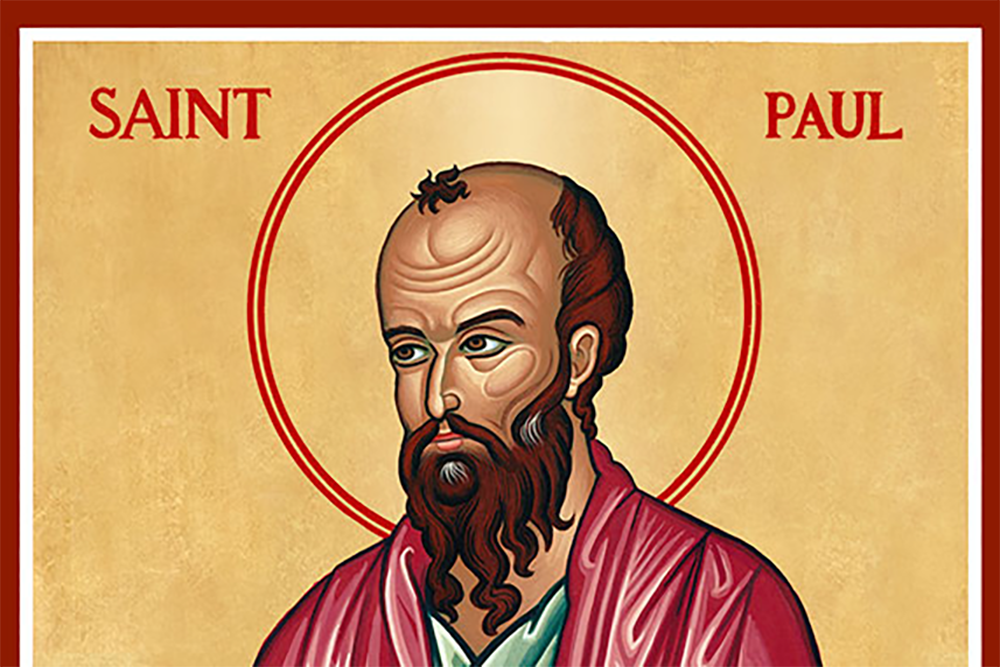
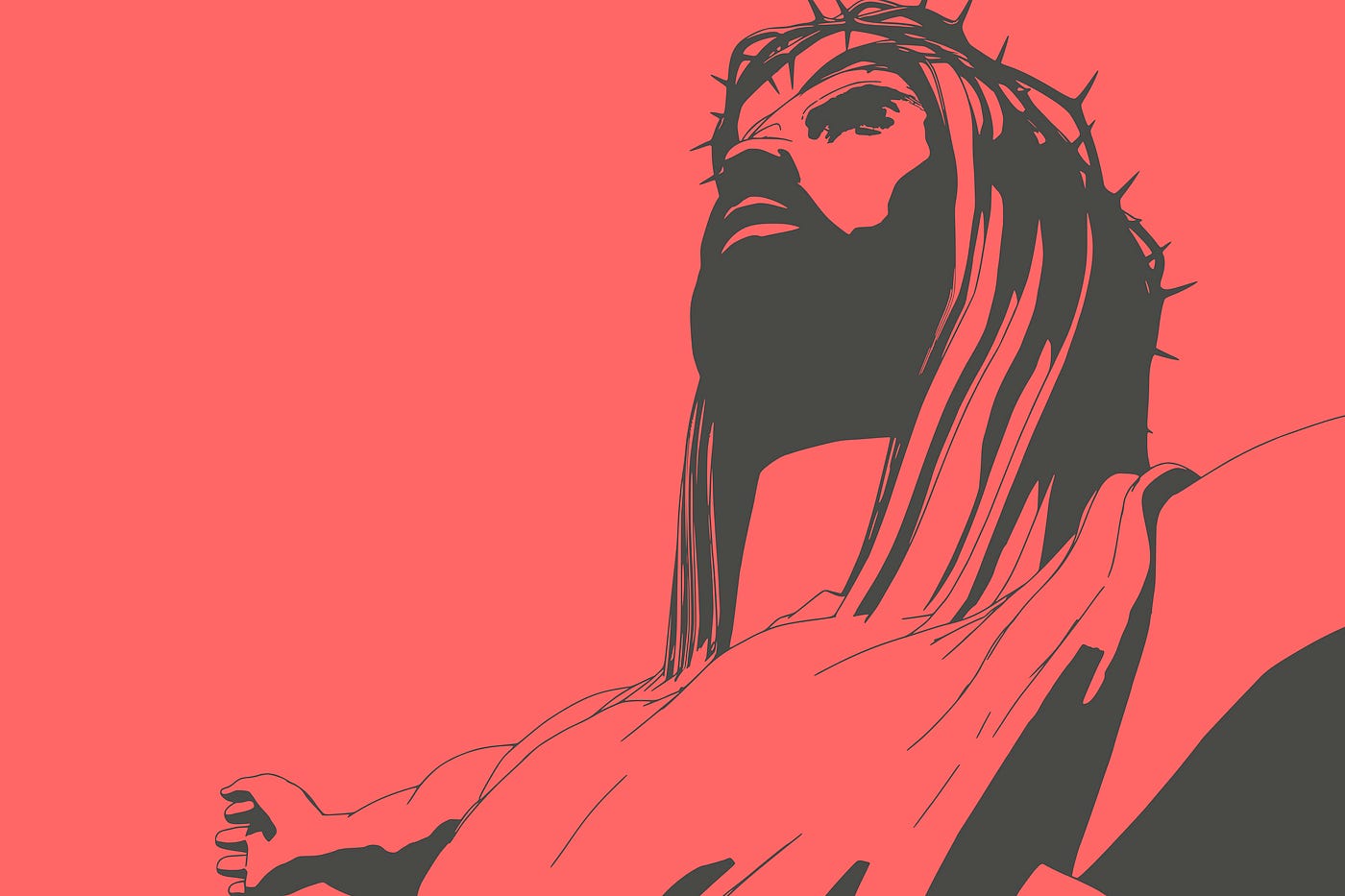
Judaism does not accept Jesus as divine.
Catholicism teaches that Jesus is the Son of God and that spiritual authority flows through the Church and the Pope.
Baptists emphasize personal conversion and the Bible as the highest authority.
Methodists, while also Christian, place particular emphasis on grace, personal faith, and social responsibility.
Even within my own family, the answers to humanity’s biggest questions were profoundly different.
And that is only my immediate family.
Researchers estimate that there are more than 4,000 religions and spiritual traditions around the world.
More than 4,000 different explanations for who God is, what God wants, and what happens after we die.
Some teach that there is one God.
Others teach many gods.
Some believe God became human.
Others insist that idea is impossible.
Some promise heaven.
Others teach reincarnation.
Some say salvation comes through faith.
Others through deeds, rituals, or enlightenment.
They cannot all be entirely correct.
Yet billions of people are born into one of these belief systems and come to regard it as ultimate truth.
That is what fascinates me.
If there is one all-powerful God who wants humanity to know him, why are there thousands of conflicting versions?
Why would divine truth be so fragmented that geography and family tradition determine what most people believe?
A child born in Jerusalem, Mumbai, Rome, or Salt Lake City will likely inherit a completely different understanding of God.
Not because of evidence.
But because of birthplace.
Our beliefs often say less about what is objectively true and more about the culture, history, and family stories that shaped us.
But belief is only half the story.
When I came to accept that there is no God, I found that there are also many ways to live without faith in a god.
Atheist. Secular. Humanist. Skeptic. Nonreligious.
Different labels. Different philosophies. Different worldviews.
Even Disbelief Has Endless Variations
The only thing atheists have in common is a lack of belief in gods.
That is where the agreement ends.
There is no sacred text.
No central authority.
No universal doctrine.
No single set of answers about morality, politics, or the meaning of life.
Some of the most thought-provoking debates I have ever had were with fellow atheists.
And that diversity fascinates me just as much as religion does.
Because it reveals something deeply human.
Whether we believe in God, doubt, or reject the idea altogether, we are all wrestling with the same questions.
Why are we here?
How should we live?
What gives our lives meaning?
What happens when we die?
More than 4,000 religions have emerged from humanity’s search for answers.
And even those who conclude there is no God arrive there by countless different paths.
That is what I find most extraordinary.
Not that there are thousands of ways to believe.
But that every human being, believer and nonbeliever alike, is trying to make sense of the same mystery.
메타데이터
- post_id
- 7c489dc4258f
- slug
- 4-000-religions-and-not-one-agrees-completely-7c489dc4258f
- url
- https://medium.com/atheist-awakening/4-000-religions-and-not-one-agrees-completely-7c489dc4258f
- canonical_url
- https://medium.com/atheist-awakening/4-000-religions-and-not-one-agrees-completely-7c489dc4258f
- author_url
- https://medium.com/@suz5962
- status
- ok
- fetched_at
- 2026-06-13 16:00:06