The Seat No One Takes
A quiet train ride in Osaka and the strange comfort of distance
The Seat No One Takes
A quiet train ride in Osaka and the strange comfort of distance
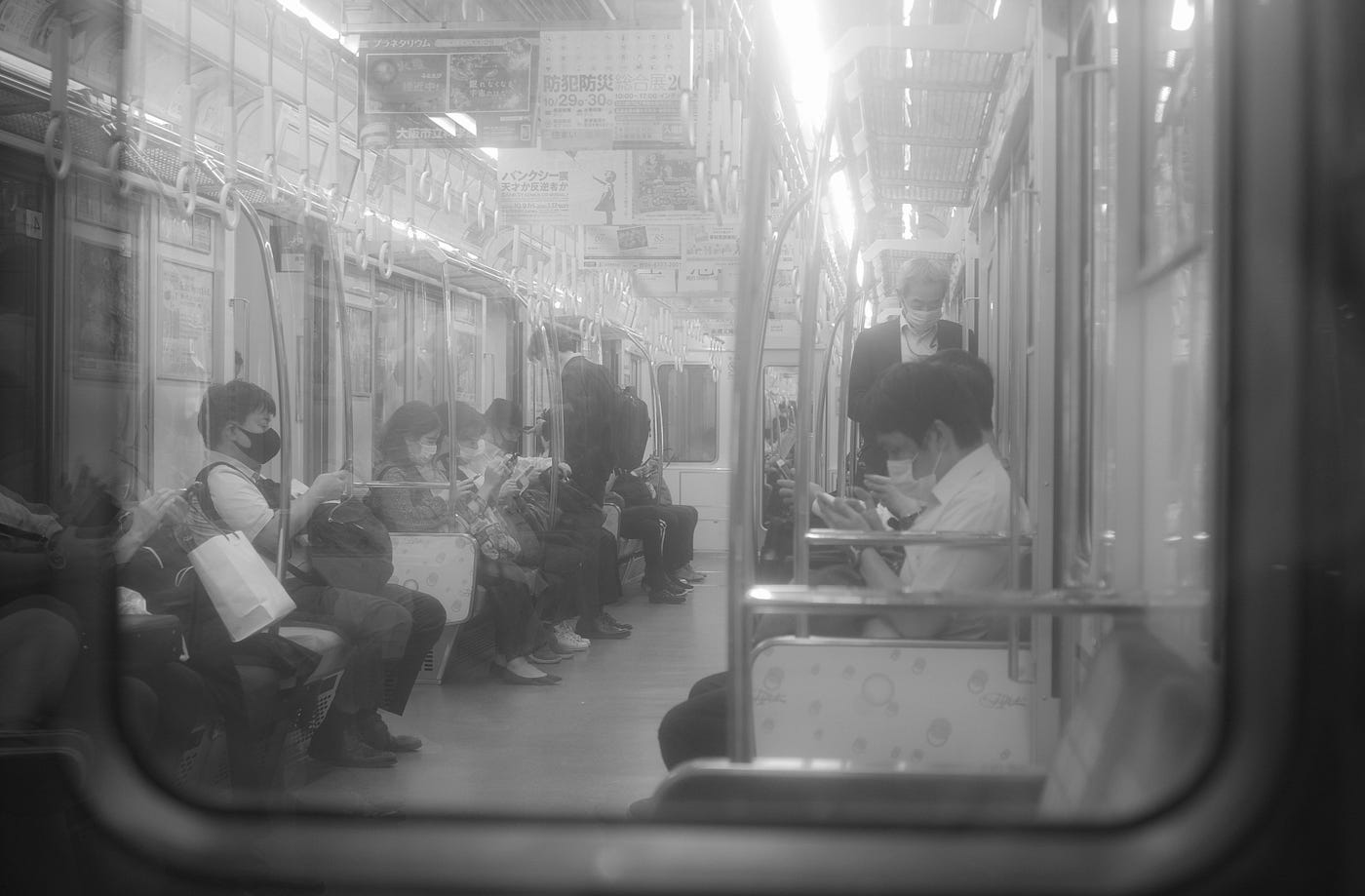
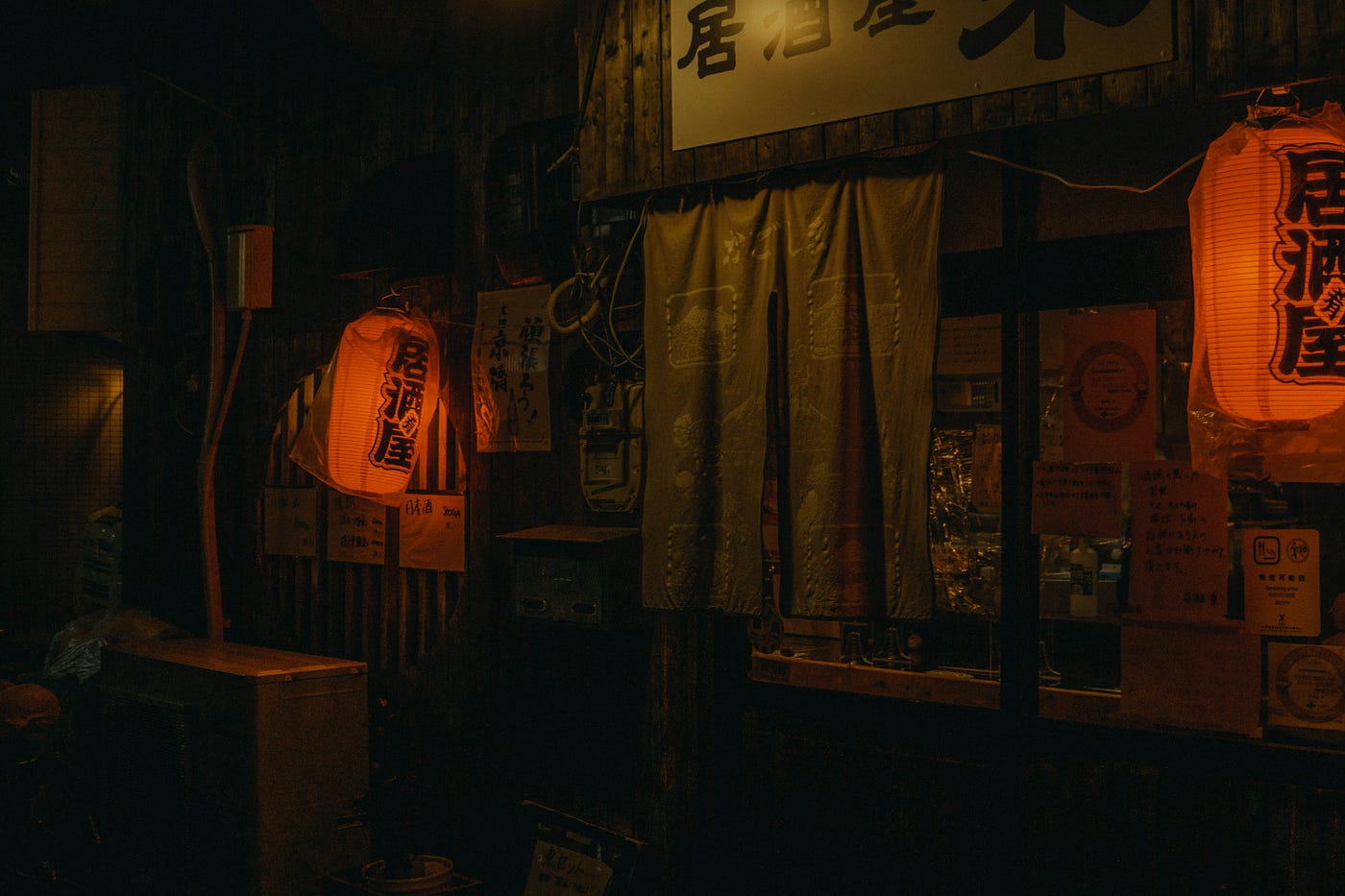
Photo by Nguyen Khiem on Unsplash
The train to Namba wasn’t crowded that afternoon, which surprised me.
It was a weekday, just past 2 p.m., the kind of time when the rush has already drained out of the city. I tapped my IC card, walked through the gate, and boarded the Kintetsu line with a paper ticket still tucked into my wallet out of habit. The air inside the carriage was cool, almost too clean, and the only sound was the low mechanical hum of the train moving forward.
My wife stood beside me, holding the strap lightly. We were heading to see a play in Namba — something we hadn’t done in a long time. I remember thinking that alone felt slightly unusual, like stepping into a version of our life we don’t visit often anymore.
There were empty seats.
Not just one or two, but several, scattered in a way that made it easy to sit down without touching anyone else. And yet, a few people remained standing. Not out of necessity. Just… choosing to.
I didn’t think much of it at first.
But something about it stayed with me.
It’s not just this train. I’ve noticed it before, in buses, in local lines, even in quieter parts of the city where space isn’t a problem.
People standing in front of empty seats. People hesitating before sitting down next to someone, even when there’s plenty of room. People choosing the edge of a space rather than its center.
In the countryside, it feels slightly different. When I used to take local trains there, especially late in the evening, people would sit more freely. Not necessarily close, but without that extra layer of calculation. Or maybe I imagined that. I’m not sure.
In Osaka, though — especially around Namba or Tennoji — there’s a kind of quiet choreography to it.
You step in. You scan. You adjust.
No one says anything, but everyone seems to understand something.
A few stops later, a man got on. Probably in his 50s, wearing a slightly worn business suit, the kind you don’t notice unless you look twice.
He glanced at the seats.
There was one clearly open spot — between two people, but with enough space. Not ideal, maybe, but perfectly usable. He paused for just a second. Then moved past it.
He walked further down the carriage and stood near the door, even though there was another seat available just a few steps away.
No one reacted.
No one made space.
It was a small moment, barely noticeable. But I found myself watching it longer than I should have.
It started to feel like the empty seats weren’t really empty.
Or maybe they were, but only in a physical sense.
There was something else occupying them — something less visible, but just as real. A kind of boundary that didn’t need to be spoken.
I wondered if it was about comfort. Not comfort in the usual sense, like sitting down versus standing, but a different kind.
Maybe comfort meant not getting too close.
Maybe it meant leaving a buffer, even when it wasn’t necessary.
When I look around on trains here, what stands out isn’t just the quiet.
It’s how deliberate the quiet feels.
People scroll through their phones, or close their eyes, or look straight ahead. Conversations are rare, and when they happen, they’re soft, almost contained. Even laughter seems to shrink itself.
It’s not that people are unhappy. It doesn’t feel tense in an obvious way.
But there’s a certain carefulness in how space is used.
Two people sitting side by side will often lean slightly away from each other, as if making invisible adjustments. Bags are placed on laps, not on adjacent seats, even when no one is around. Feet stay within an imagined boundary.
And when someone new boards the train, there’s a brief, subtle shift. Not movement exactly — more like a recalibration.
Where do I stand?
Where do I not go?
At some point, I realized I was doing it too.
I had chosen to stand next to my wife instead of sitting across from her, even though there were seats available. I told myself it was because we’d only be on the train for a short time. But that wasn’t entirely true.
It just felt easier.
Standing meant we didn’t have to negotiate space with anyone else. It meant we could exist without entering someone else’s small, temporary world.
I noticed that. And I hesitated for a second, wondering why. There’s something undeniably comfortable about it.
A kind of separation that’s hard to describe.
Lately, I’ve also noticed more foreign passengers on these trains.
Tourists with large suitcases. People speaking in English, Chinese, Korean — sometimes a little louder than the surrounding silence.
They don’t follow the same rhythm.
They sit wherever there’s space. They talk freely. They laugh without lowering their voices as much.
And for a moment, the atmosphere shifts.
Not dramatically. Just enough to feel it.
No one says anything. No one complains.
But you can sense the contrast.
It made me wonder if what feels “normal” here is actually something quite specific — and maybe not as universal as it seems.
As the train approached Namba, more people started to gather near the doors.
The man in the worn suit adjusted his position slightly, making room for others without making eye contact. My wife looked at me and smiled briefly, as if to say, “We’re almost there.”
When the doors opened, everyone moved at the same pace.
No rush. No hesitation.
Just a smooth, quiet exit.
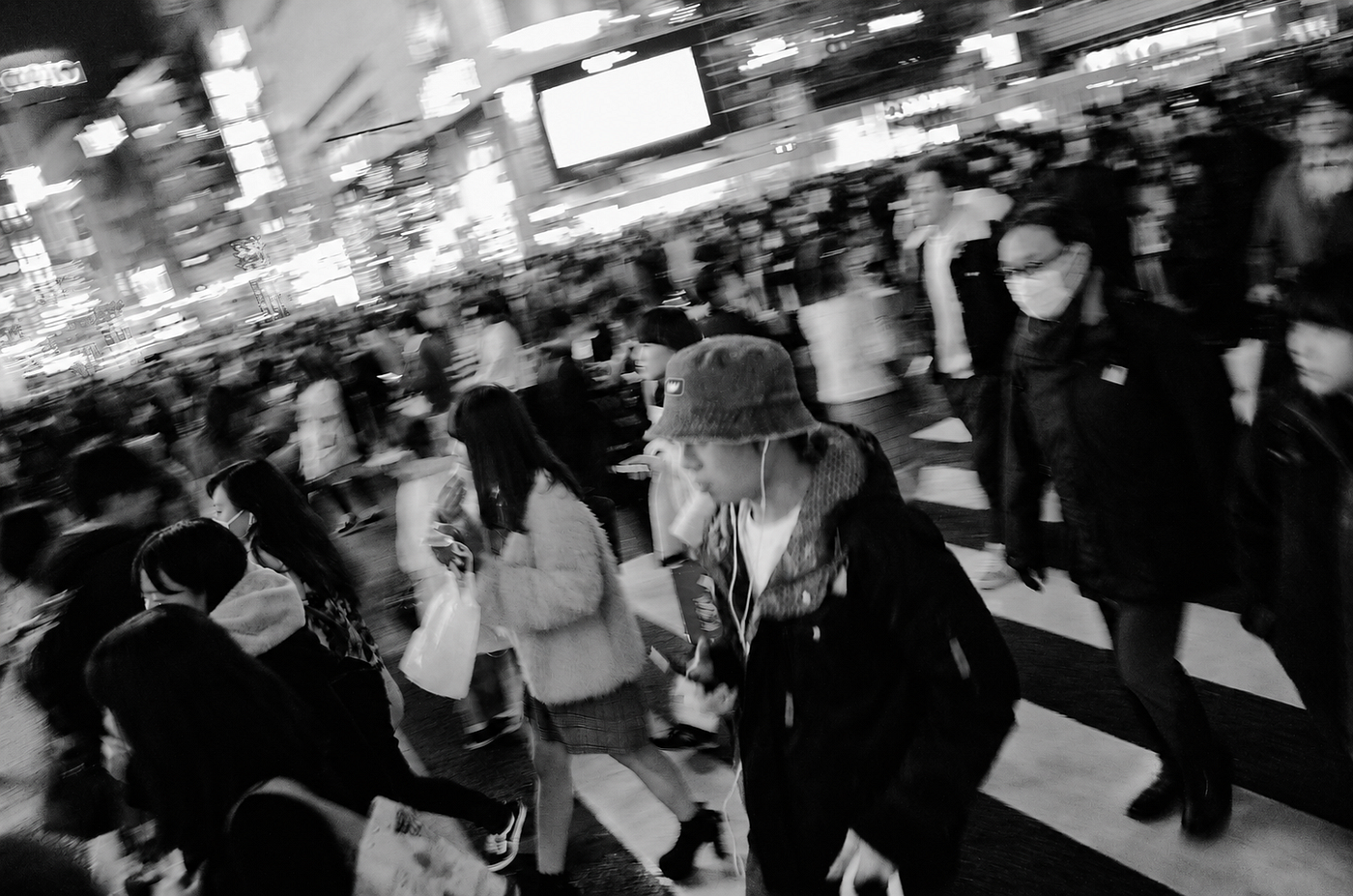
Walking out into the noise of Namba — neon lights, street sounds, fragments of conversation — it felt like stepping into a completely different atmosphere.
Louder, looser, less contained.
I glanced back once, at the train we had just left.
It was already closing its doors.
On the way to the theater, I found myself thinking about those empty seats again— about the ones no one took.
Photo by author
If you enjoyed this article, please leave a comment and follow me. You can also connect with me on X (@maki4301316667). Thank you for readin
메타데이터
- post_id
- 7c5b2b62d1cb
- slug
- the-seat-no-one-takes-7c5b2b62d1cb
- url
- https://medium.com/japonica-publication/the-seat-no-one-takes-7c5b2b62d1cb
- canonical_url
- https://medium.com/japonica-publication/the-seat-no-one-takes-7c5b2b62d1cb
- author_url
- https://medium.com/@ma-ki
- status
- ok
- fetched_at
- 2026-06-10 08:17:25