What Affects the Price of a Sculpture?
Comparing quotes is not always as simple as it seems. Two sculptures may look almost identical in photos, but the prices can be…
What Affects the Price of a Sculpture?

Comparing quotes is not always as simple as it seems. Two sculptures may look almost identical in photos, but the prices can be surprisingly different. Sometimes, even a small change in design leads to a difference in cost. Whether you are planning a piece for a hotel entrance, a public plaza, or your home garden, it is normal to wonder what you are actually paying for.
The truth is that appearance only tells part of the story. Material, size, craftsmanship, finish, shipping, and installation requirements all influence the final price. A sculpture designed for a waterfront plaza, for example, may be priced differently from one with similar dimensions and materials installed in a residential garden. Custom work can also add extra time. So why do some sculptures cost much more than others, even when they seem almost the same at first glance?
Why Material Makes a Difference
304 and 316 Stainless Steel
Material is usually where price differences begin. In common projects, a **stainless steel sculpture **is commonly made with either 304 or 316 stainless steel. A piece made with 304 is often more budget friendly, while 316 generally costs more. For offices, hotels, and residential gardens, 304 works well because it handles normal outdoor conditions and helps keep costs under control.
Things change when the location is close to the coast. A sculpture placed beside a waterfront plaza or marina has to deal with moisture and salt air almost every day. 316 stainless steel is often worth the extra cost. It costs more upfront, but it can help avoid maintenance issues down the road.
Why Bronze and Marble Cost More
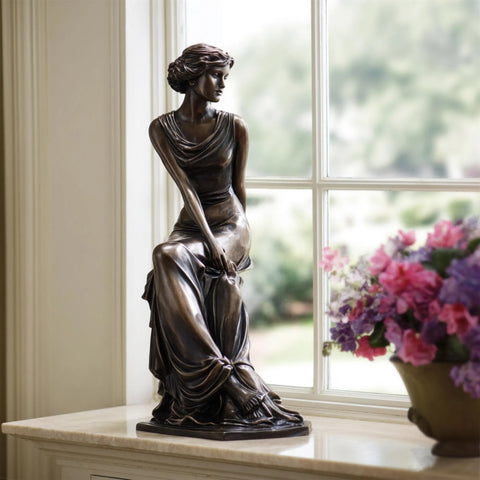
When you compare prices, **bronze sculptures** are often among the most expensive. Casting, welding, finishing, and hand detailing all require skilled labor. If you have ever compared two bronze pieces of about the same size, you have probably noticed how much craftsmanship like casting and forging can affect the final number.
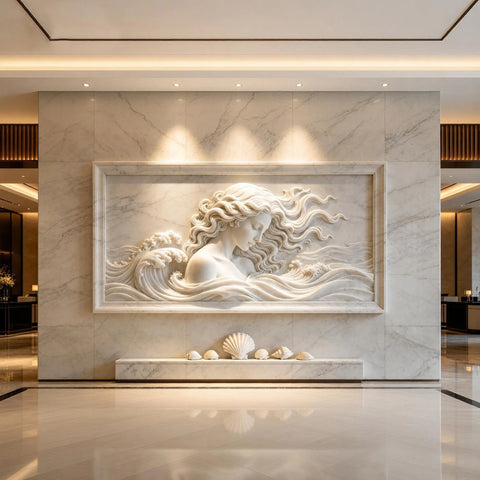
The same thing happens with **marble sculptures**. Quality stone is expensive before carving even begins. For projects in luxury villas, memorial gardens, and civic plazas, transporting large marble blocks can also add to the budget. And then, the raw material alone accounts for a significant portion of the overall cost.
Why Fiberglass Is a Popular Choice
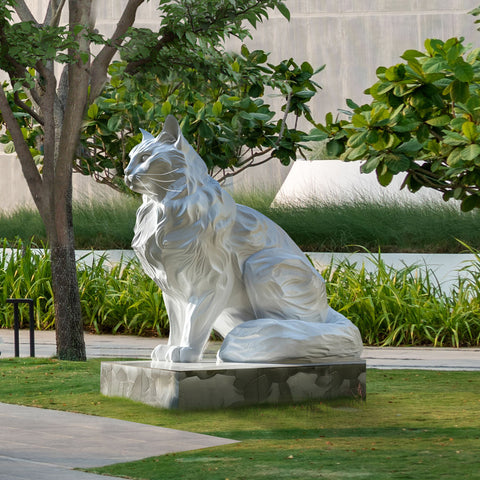
For many commercial projects, a **fiberglass sculpture** offers a good mix of appearance and affordability. It is commonly used in indoor spaces like retail spaces, shopping malls or event venues where a large piece is needed without the weight of metal or stone.
Flexibility is another reason people choose fiberglass. Large custom shapes can often be made at a lower cost than many other materials. Since fiberglass is lightweight, installation is usually easier too. That can be especially helpful for covered rooftop terraces, patios, and locations where bringing in large equipment is not easy.
How Changes Affect the Price
Adjusting Size, Finish and Color
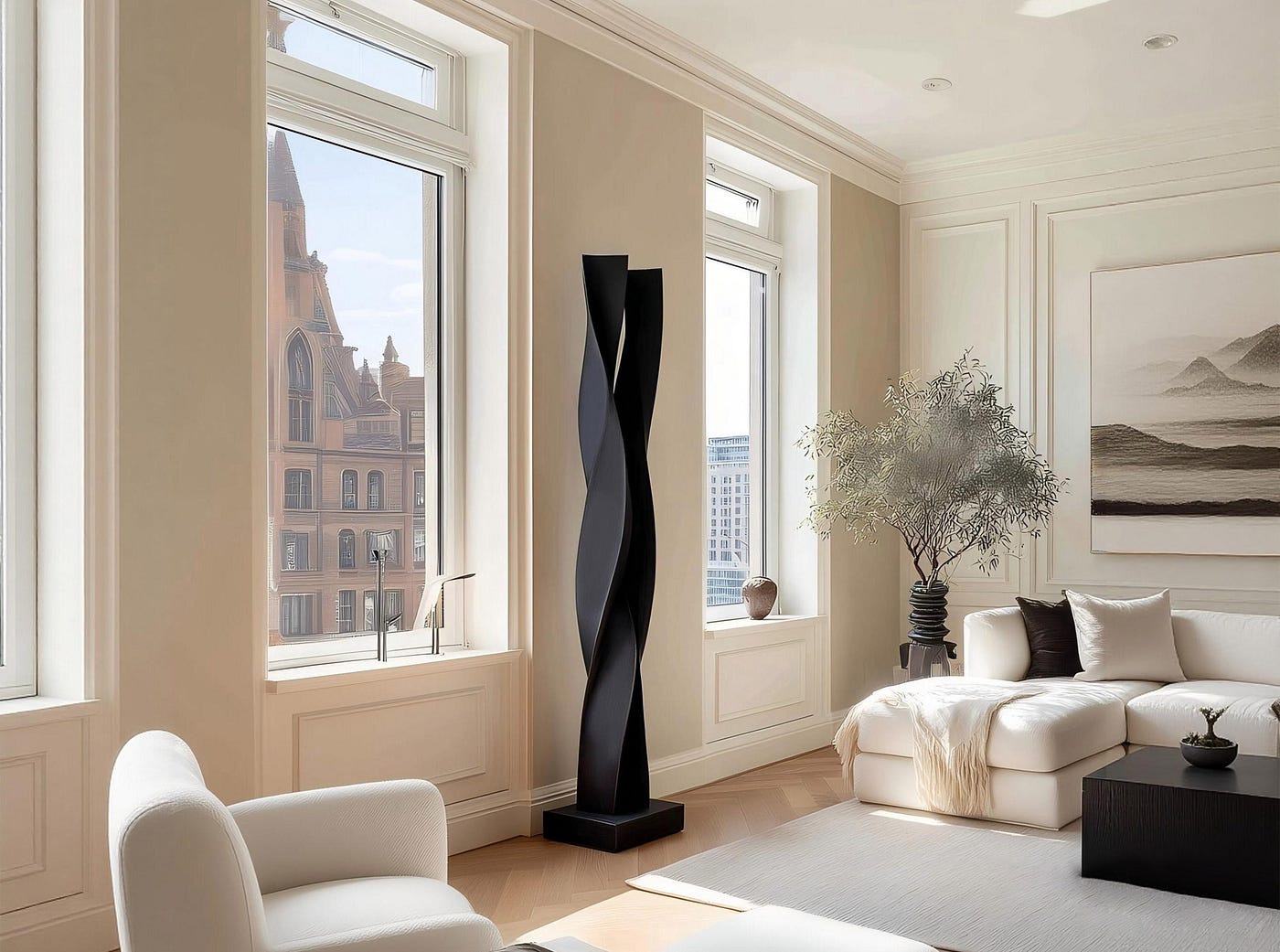
Starting from scratch is not always necessary. Many people can begin with an existing **custom sculpture** and make changes to fit their spaces. A taller piece may look better at a hotel entrance, while a smaller version may feel more at home. Finish and color choices matter too because they help the piece blend in with nearby buildings, landscaping, or brands.
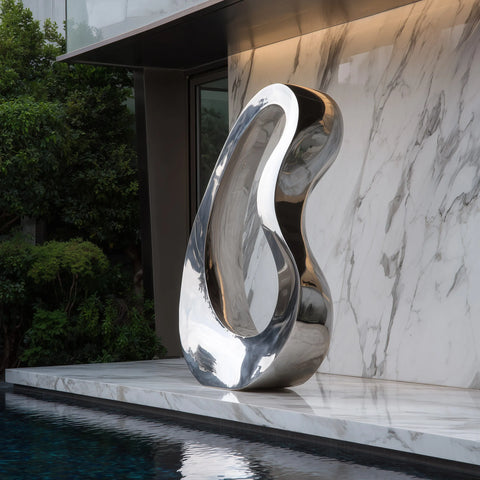
Even small updates can affect the price. A larger size means more material, and certain finishes or colors require additional labor. For example, a mirror polished surface usually takes more time than a satin finish. Electroplated coloring can also produce a richer look, although it usually costs more than spray painting.
Starting From a Custom Idea
Some buyers know exactly what they want. A project may start with plans for a **minimalist sculpture on a rooftop terrace or an [abstract sculpture](https://premiersculpture.com/collections/abstract-sculpture)** for a public plaza. From there, the design gradually takes shape.
Most custom projects go through several rounds of review before production starts. Drawings are checked, dimensions are adjusted, and structural details are confirmed. It takes time, but it also helps make sure the finished piece fits your location and your original goals.
Changes Along the Production
Things can get more expensive once production is underway. After reviewing drawings or progress photos, some people may sometimes decide to adjust the size, materials, or choose a different finish or color. Those are common, but they can affect both the schedule and the overall budget.
Once production has started, changes usually mean additional labor, materials, and production time. Usually for public gardens, luxury villas, and commercial properties, confirming the important details early often helps avoid unnecessary revisions. In the end, that usually makes the whole project proceed more smoothly.
Why Size Affects
More Material and More Time
Size affects more than most people expect. A sculpture designed for a living room or hallway usually uses less material and can move through production fairly quickly. Meanwhile, projects created for a waterfront plaza or a center square usually need a much stronger visual presence, which naturally changes both the budget and the schedule.
As the size goes up, so do the material and labor requirements. **Large sculptures** often need stronger internal support before finishing work even begins. So it should not come as a surprise when bigger projects take more time to build and sometimes come with longer lead times.
Delivery Planning and Transportation
Moving a sculpture is usually simpler when it fits on a standard truck. Delivery tends to be easier and more affordable. However, a piece headed to a busy downtown area, a campus, or a water feature often needs extra logistics planning before it ever leaves.
Some large sculptures need to be shipped in several sections and assembled onsite. Access roads, unloading areas, and lifting equipment all matter. The more difficult the location, the more planning is usually involved before installation arrives.
Onsite Setup and Structural Support
Installation can look very different depending on where the piece will go. Some sculptures only need a simple metal or stone base. Meanwhile, projects located in pedestrian walkways, commercial properties, or public plazas often require additional planning.
Site conditions matter too. Uneven ground, elevated locations, and limited access can all add time and cost. So it’s important to review installation requirements early. It helps avoid problems later and makes the process more smooth.
Why Designs Matter
Simple Shapes and Realistic Features
Designs can change the price more than many people expect. For example, if a company want to place a sculpture outside, they may choose a kind with clean lines. Because people can recognize it from the distance and it fits the modern look of the building. And simpler designs usually need relatively less time.
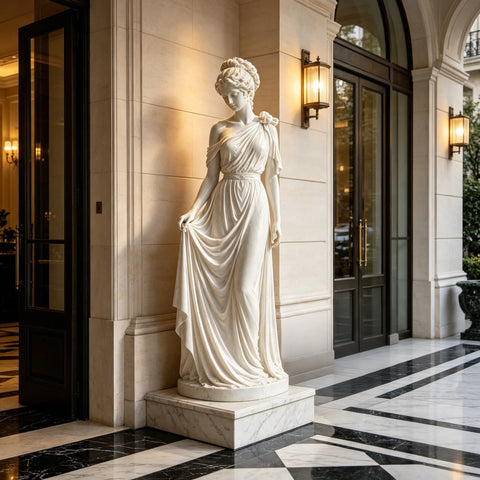
Realistic projects are often more involved. They may include facial expressions, clothing textures, or symbolic details connected to a person, a story, or a special meaning. Those details take more time and cost.
Building in Sections and Putting It Together
Many oversized sculptures are divided into sections because shipping crates, access roads, or installation conditions make transportation easier that way. In some situations, building in sections is simply the most practical solution.
Each part has to be made carefully so everything fits together during installation. Visitors only see the finished result, but a lot of work happens behind the scenes before the final assembly is completed onsite.
Surface Finishes and Hand Crafts
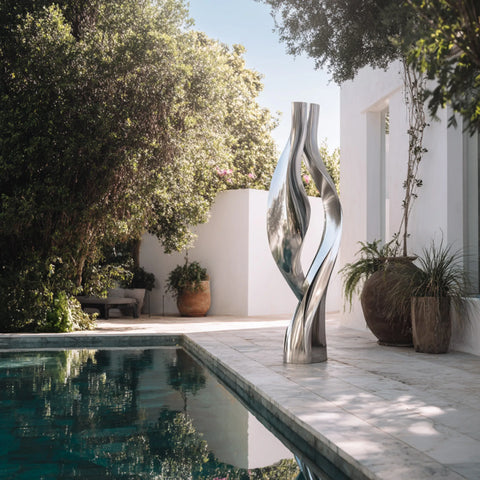
Surface treatments can affect cost as well. A highly polished finish often requires careful work so it continues to look consistent as sunlight changes throughout the day. By comparison, matte finishes usually require less time and labor.
Hand carved details add another level of craftsmanship. Custom patterns, lettering, and decorative elements can connect a piece to a home, a person, or a particular setting. Even when two sculptures are the same size, the one with more detailed work usually takes longer to complete and costs more.
Thinking About the Years Ahead
Maintenance and Care
Maintenance often depends on where the piece will live. If your home or project is close to the coast, you may find yourself cleaning it more often because of salt air and moisture. By comparison, sculptures kept indoors or farther inland usually need much less attention.
The good news is that most outdoor sculptures are easier to maintain than expected today. Stainless steel usually only needs occasional cleaning, while bronze pieces benefit from periodic inspections. Picking the right material from the start can save you time and maintenance costs later on.
Why Support Matters Later On
Most people do not think much about warranty until they actually need help. Imagine a sculpture sitting outside an entrance for several years. If they need special advice, support from the original supplier can make things a lot easier.
Good after sales support is not only about fixing problems. It can also help owners take care of the piece properly with related O&M manuals. For sculptures installed in corporate courtyards, public spaces, and commercial properties, many owners end up appreciating that support more than they expected.
Why Quality Still Matters Years Later
Some buyers focus on the purchase price and appearance, while others think about the bigger picture. A well made sculpture with quality materials and skilled craftsmanship often stays attractive for years. That is one reason collectors and property owners are willing to spend more upfront on something they truly want.
Nobody can predict its future value, but quality usually matters. Unique custom sculptures with production records, durable materials, and solid craftsmanship often attract more attention than mass produced pieces. Over time, those help them stand out from more common options.
Conclusion
Material, custom designs, size, production complexity, transportation, installation, and long term upkeep all influence the final cost. A sculpture made for a private backyard will not have the same requirements as one designed for a hotel, a supermarket or a public gathering space. Understanding these factors makes the whole process feel less overwhelming and helps you choose what kind of sculpture fits both your space and your budget.
Meanwhile, price matters, but it is only one piece of the puzzle. The perfect sculpture should feel natural in your space, and people will notice it easily. That’s often more important. Hotel guests can notice it before they come into the area. Residents can walk past it each morning, and friends and family can gather around it during backyard parties. A well designed piece does more than fill an empty area. It becomes part of how you experience that space over time. That is what many people end up appreciating the most years later.
메타데이터
- post_id
- 7c90286926a3
- slug
- what-affects-the-price-of-a-sculpture-7c90286926a3
- url
- https://medium.com/@premiersculpture/what-affects-the-price-of-a-sculpture-7c90286926a3
- canonical_url
- https://medium.com/@premiersculpture/what-affects-the-price-of-a-sculpture-7c90286926a3
- author_url
- https://medium.com/@premiersculpture
- status
- ok
- fetched_at
- 2026-06-20 20:29:01