Stop building skeletons: why your MVP is brain-dead.
Some professionals still treat emotional design like a luxury add-on. But they’re completely misunderstanding human cognition.
Stop building skeletons: why your MVP is brain-dead.
Some professionals still treat emotional design like a luxury add-on — a final coat of paint to embellish the product once the engineering is done. They’re so wrong!
*FULL article here. Follow and like for more!*
Every time I advocate for emotional design, whether it is a LinkedIn post, or a friendly chat with PMs, devs…and quite incredibly, even fellow designers, I can practically visualize the collective eye-roll. Even in many product strategy meeting, a familiar phrase quietly suffocates innovation: “Let’s focus on the MVP features first.”
It sounds like the right thing to do. It is the language of spreadsheets, velocity charts, and risk mitigation. But beneath this corporate pragmatism lies a profound misunderstanding of human cognition. When stakeholders relegate emotional design to a later phase of the roadmap, they reveal that they view emotion as a superficial layer. A coat of paint, a flashy animation, or a useless piece of eye-candy slapped onto the “real deal” once the engineering is done.
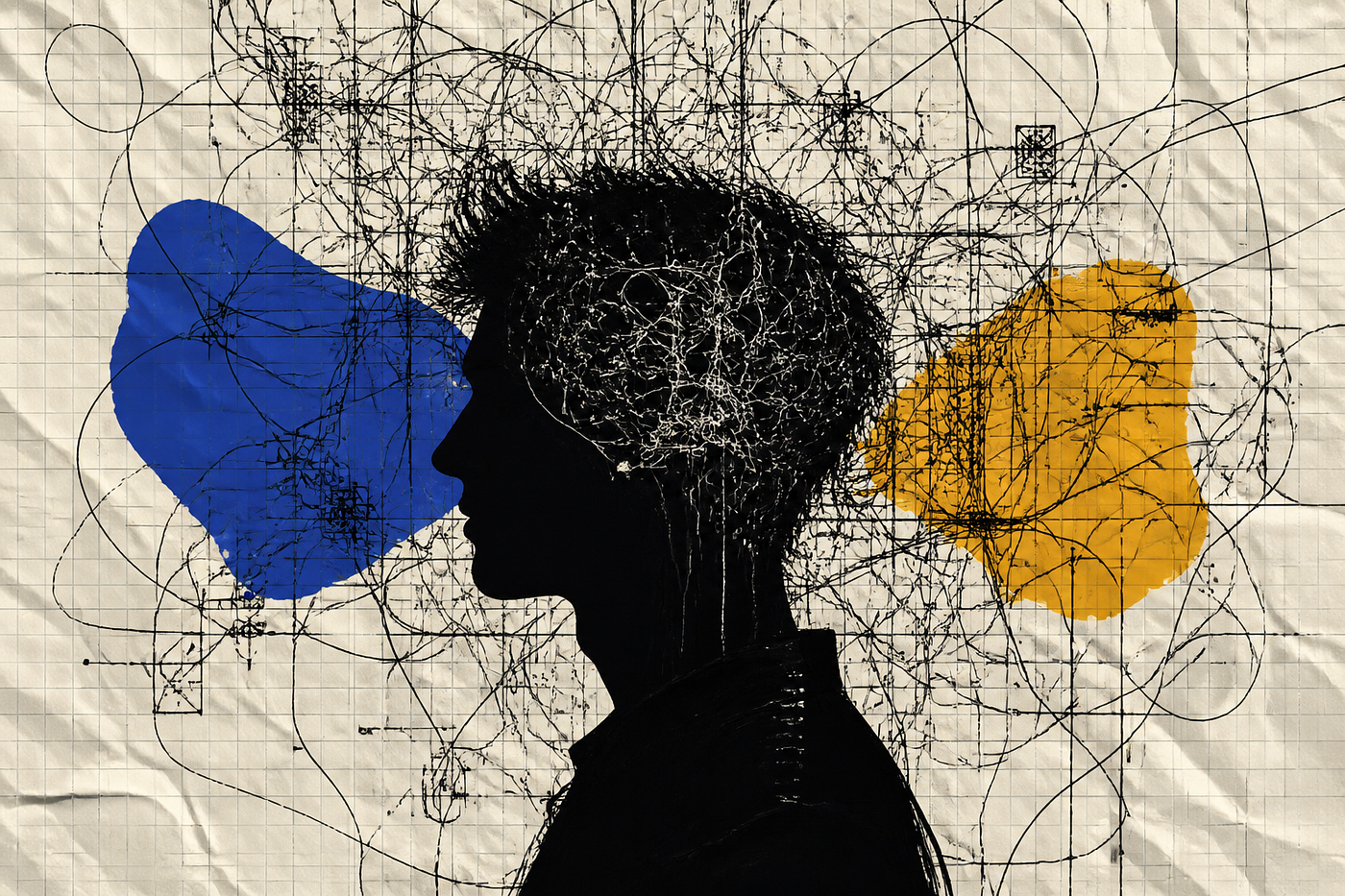
But functionality is merely the skeleton of your product. Emotional design is the nervous system — the network of electrical impulses, pain receptors, and dopamine loops that translate cold inputs into human feeling. A skeleton holds structure, but it cannot move, adapt, or survive without the neural pathways that dictate behavior.
To understand why, we have to look past superficial aesthetics and examine how the human brain processes physical and digital environments. Sometimes, this requires breaking the traditional rules of usability altogether to shock the brain out of its automated habits.
Consider the experience of approaching a Tesla for the very first time. Traditional UX dogma dictates that a door handle should demand zero cognitive load; it should be immediately obvious how to open it. Tesla intentionally breaks this rule. Their flush, pivoting handles force a moment of hesitation. For four or five seconds, a new user faces a minor puzzle, perhaps even a brief wave of discomfort.
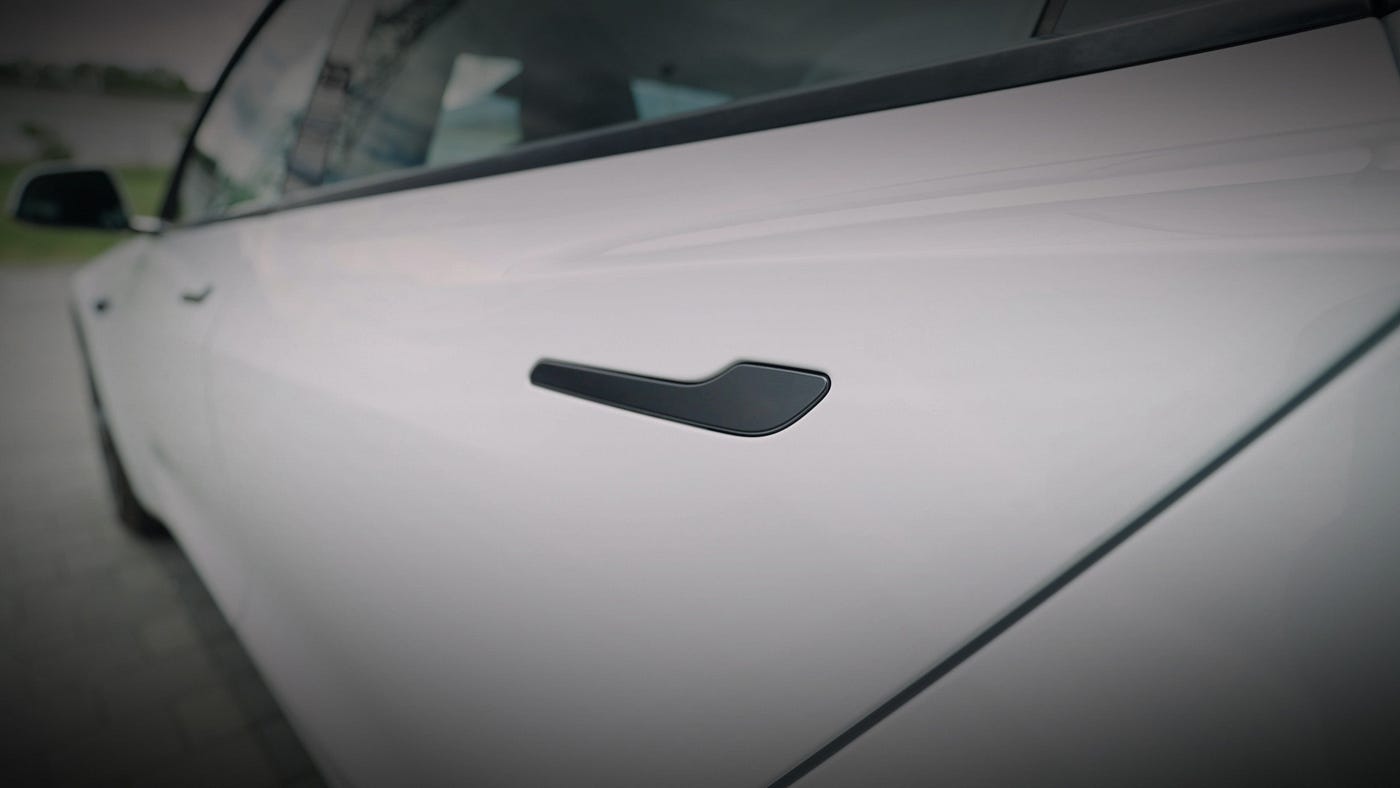
In behavioral psychology, this friction triggers the orienting reflex. By disrupting your automated physical habits, the design forces your brain into a state of acute awareness. This brief window of bewilderment strips away your existing assumptions about transportation. It creates anticipation. By the time you finally open the door and sit behind the wheel, your brain has been primed for a radical paradigm shift. The door handle acts as a cognitive palate cleanser, preparing you to experience an entirely new concept of an automobile.
This single physical interaction perfectly illustrates the three-tiered cognitive framework that the father of usability and scientist Don Norman established to explain how humans form relationships with everyday objects:
- The Visceral Level: This is the immediate, subconscious reaction to form and appearance. When you first look at the Tesla, the handle sits completely flush against the chassis. It is visually seamless and sleekly aerodynamic. Far from superficial, this visceral layer acts as the brain’s sensory gatekeeper. Your biology registers premium execution and unexpected form before you even touch it, triggering an immediate neurochemical signal that forces the mind to pay attention.
- The Behavioral Level: This handles our experience of function, usability, and performance. This is the moment of physical contact — the unusual, tactile pivot required to actually unlatch the door. It feels distinctly different from any car door you have ever opened, reinforcing the physical reality of the upgrade and confirming what the visceral layer predicted.
- The Reflective Level: This is the highest tier of cognition, where we consciously analyze, rationalize, and form long-term memories. The reflective layer is where the true power of emotional design locks into place. The visceral and behavioral inputs are not isolated events. They are the raw fuel for the reflective mind. As you get into the car, your brain synthesizes the visual elegance and the tactile surprise into a profound narrative conclusion: I am stepping out of the past and into a completely re-engineered future. Because the visceral input was highly differentiated, the reflective mind is forced to build a highly differentiated identity around it.
The “MVP first” mindset fails because it isolates the behavioral layer — the bare bones of utility — and completely ignores the nervous system that connects it to human desire. It assumes that humans are purely rational actors who evaluate tools based on utility alone. In reality, logic merely helps us rationalize decisions that our emotions have already made. When a product solves a functional problem without engaging the visceral or reflective layers, it remains a dead framework. And inanimate structures are ruthlessly abandoned the exact moment a cheaper, faster alternative emerges.
When a brand intentionally designs across all three of Norman’s levels, embedding a neural network into the functional architecture, the underlying business metrics shift fundamentally. By anchoring the user experience in the reflective layer of cognition, you minimize cognitive load over the long term and maximize identity alignment. The product stops being a tool the user employs. It becomes an extension of who they are.
This deep alignment creates an incredibly powerful psychological moat: a high cognitive switching cost. Humans are naturally loss-averse and habit-driven creatures. When a user forms a reflective attachment to your product ecosystem, migrating to a competitor introduces massive psychological friction. A potential switch would involve not only a feature set or a pricing tier, but also a piece of their identity.
Ultimately, this emotional resonance alters the entire growth trajectory of a business.
When a product successfully connects functionality to identity, it triggers a self-sustaining adopter loop. Casual users suddenly evolve to become fierce evangelists. They actively push the product into their own networks because associating with the brand enhances their social currency. Top-of-funnel customer acquisition costs plummet because your user base has willingly transformed into your primary marketing engine.
On the other hand, if your product strategy focuses exclusively on functional utility under the guise of an MVP, you are simply engineering a highly efficient, inanimate commodity. Competitors can replicate your features, match your code, and undercut your pricing overnight. What they can never replicate is the nervous system that makes your product come alive.
So, this is why I strongly believe it is time to retire the myth of the superficial surface layer. Don’t launch dead frameworks and promise to breathe life into them late. Give your product a nervous system, and build something that doesn’t just work, but lives.
Edi Bianco CDO @Amplifi Labs + @TradeInsightAI
Bibliography
Norman, D. A. (2004). Emotional Design: Why We Love (or Hate) Everyday Things. New York: Basic Books.
Norman, D. A. (2013). The Design of Everyday Things: Revised and Expanded Edition. New York: Basic Books.
Kahneman, D. (2011). Thinking, Fast and Slow. New York: Farrar, Straus and Giroux.
Moore, G. A. (2014). Crossing the Chasm: Marketing and Selling Disruptive Products to Mainstream Customers (3rd ed.). New York: HarperBusiness.
메타데이터
- post_id
- 7cba850a3940
- slug
- stop-building-skeletons-why-your-mvp-is-brain-dead-7cba850a3940
- url
- https://medium.com/design-bootcamp/stop-building-skeletons-why-your-mvp-is-brain-dead-7cba850a3940
- canonical_url
- https://medium.com/design-bootcamp/stop-building-skeletons-why-your-mvp-is-brain-dead-7cba850a3940
- author_url
- https://medium.com/@edi.bianco
- status
- ok
- fetched_at
- 2026-07-11 14:03:14