Holland–Frei Cancer Medicine 10th Edition
What is Holland–Frei Cancer Medicine, 10th Edition?
Holland–Frei Cancer Medicine 10th Edition
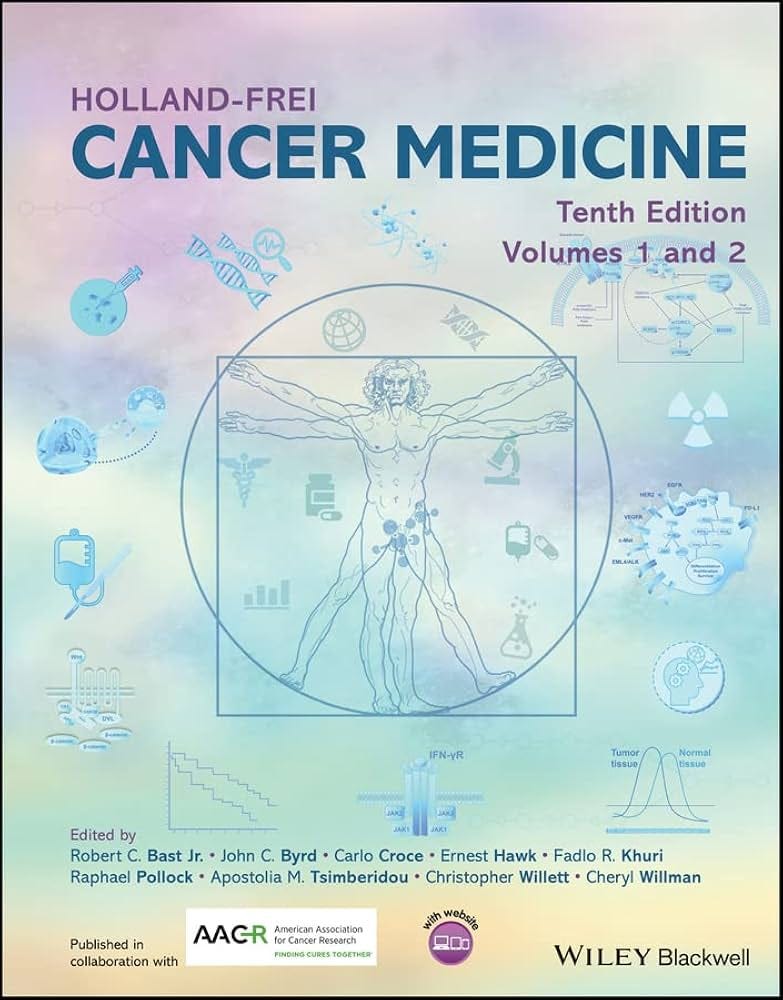
What is Holland–Frei Cancer Medicine, 10th Edition?
Holland–Frei Cancer Medicine, 10th Edition, is a comprehensive oncology reference covering cancer biology, diagnosis, prevention, treatment, and emerging therapies. It is designed for oncologists, residents, researchers, and healthcare professionals seeking an authoritative, up-to-date resource on cancer medicine.
Introduction
Cancer care has evolved rapidly with advances in molecular biology, genomics, immunotherapy, precision medicine, and translational research. Keeping pace with these developments requires access to a trusted and comprehensive reference.
Holland–Frei Cancer Medicine, 10th Edition, serves this role by bringing together leading experts from major cancer centers worldwide to provide an extensive overview of modern oncology.
This textbook examines the biological foundations of cancer, current diagnostic approaches, treatment modalities, supportive care strategies, and future directions in oncology. Its broad scope makes it relevant not only for practicing oncologists but also for residents, fellows, researchers, and healthcare professionals involved in cancer care.
As one of the most recognized references in medical oncology, Holland–Frei Cancer Medicine continues the legacy established by pioneers James F. Holland and Emil Frei while incorporating contemporary developments that define cancer management in the modern era.
Book Overview
Full Title: Holland–Frei Cancer Medicine
Edition: 10th Edition
Editors:
- Robert C. Bast Jr., MD
- John C. Byrd, MD
- Carlo M. Croce, MD
- Ernest Hawk, MD, MPH
- Fadlo R. Khuri, MD
- Raphael E. Pollock, MD, PhD
- Apostolia M. Tsimberidou, MD, PhD
- Christopher G. Willett, MD
- Cheryl L. Willman, MD
Publisher: John Wiley & Sons, Inc.
Publication Year: 2023
ISBN: 9781119750680
Medical Specialty: Oncology / Cancer Medicine
Intended Audience:
- Medical oncologists
- Radiation oncologists
- Surgical oncologists
- Hematologists
- Oncology fellows
- Residents
- Medical students
- Cancer researchers
- Healthcare professionals involved in cancer care
WHAT THIS BOOK COVERS
One of the defining strengths of Holland-Frei Cancer Medicine, 10th Edition, is the remarkable breadth of topics covered across the entire continuum of cancer care.
The book begins with foundational concepts, including:
- Cardinal manifestations of cancer
- Biological hallmarks of cancer
- Molecular biology and genetics
- Tumor suppressor genes
- Oncogenes
- Cancer genomics
- Epigenetics
- Cancer stem cells
- Cancer metabolism
- Tumor angiogenesis
It then explores quantitative oncology and precision medicine topics such as:
- Cancer bioinformatics
- Systems biology
- Statistical innovations
- Biomarker-driven clinical trials
- Clinical informatics
- Precision oncology strategies
A dedicated section on carcinogenesis reviews major causes of cancer, including:
- Chemical carcinogens
- Ionizing radiation
- Ultraviolet radiation
- Inflammation
- Viral oncogenesis
- Human papillomavirus
- Hepatitis viruses
- Cancer-associated parasites
The text also addresses cancer prevention and early detection through discussions of the following:
- Cancer epidemiology
- Hereditary cancer syndromes
- Genetic counseling
- Behavioral prevention strategies
- Nutrition and cancer
- Chemoprevention
- Cancer screening
Clinical disciplines are comprehensively covered, including:
- Diagnostic pathology
- Molecular diagnostics
- Cancer imaging
- Interventional radiology
- Surgical oncology
- Radiation oncology
- Medical oncology
- Palliative care
- Psycho-oncology
- Rehabilitation medicine
- Integrative oncology
Modern therapeutic approaches receive extensive attention, including the following:
- Chemotherapy
- Targeted therapies
- Monoclonal antibodies
- Immunotherapy
- Cancer vaccines
- Gene therapy
- Nanotechnology
- Hematopoietic stem cell transplantation
The textbook also contains disease-specific chapters covering virtually all major malignancies, including:
- Brain tumors
- Head and neck cancers
- Lung cancer
- Gastrointestinal cancers
- Hepatobiliary malignancies
- Pancreatic cancer
- Breast cancer
- Gynecologic cancers
- Genitourinary cancers
- Melanoma
- Sarcomas
- Leukemias
- Lymphomas
- Plasma cell disorders
Finally, the book addresses complications of cancer and cancer treatment, survivorship, oncologic emergencies, and future directions in oncology.
Key Features
- Comprehensive coverage of basic, translational, and clinical oncology
- Contributions from internationally recognized oncology experts
- Extensive discussion of cancer genomics and molecular medicine
- Strong focus on precision oncology
- Dedicated sections on immunotherapy and targeted therapies
- Coverage of both solid tumors and hematologic malignancies
- Integration of prevention, diagnosis, treatment, and survivorship
- Multidisciplinary approach to cancer care
- Detailed disease-specific chapters
- Inclusion of supportive and palliative care principles
Who Should Read This Book
Medical Students
Students interested in oncology can gain a broad understanding of cancer biology, diagnosis, and treatment principles.
Residents and Fellows
Residents in internal medicine, oncology, surgery, pathology, and radiation oncology will find it useful as an advanced reference during training.
Practicing Oncologists
Medical, surgical, and radiation oncologists can use the book as a comprehensive reference for evidence-based cancer care.
Researchers
Cancer researchers benefit from extensive discussions of molecular oncology, genomics, translational medicine, and emerging therapeutic strategies.
Oncology Nurses and Allied Professionals
Healthcare professionals involved in multidisciplinary cancer care may find valuable insights into treatment approaches and supportive care.
Board Examination Candidates
Trainees preparing for oncology-related examinations can use the text as a supplemental reference due to its extensive scope.
Why This Book Is Useful
Clinical Relevance
The book connects fundamental cancer biology with real-world clinical oncology practice. This integration helps readers understand how scientific discoveries influence patient care.
Evidence-Based Focus
Many chapters are authored by leaders in their respective fields, reflecting contemporary scientific understanding and clinical practice.
Practical Application
Coverage extends beyond theory to include diagnostics, treatment strategies, supportive care, rehabilitation, survivorship, and management of complications.
Precision Medicine Integration
A major strength of the tenth edition is its emphasis on genomic medicine, molecular diagnostics, biomarkers, and individualized treatment approaches.
Learning Efficiency
By consolidating multiple oncology disciplines into a single resource, the book provides a centralized reference for learners and clinicians.
Table of Contents Overview
The textbook is organized into thirteen major parts:
- Introduction
- Tumor Biology
- Quantitative Oncology
- Carcinogenesis
- Epidemiology, Prevention, and Detection
- Clinical Disciplines
- Individualized Treatment
- Chemotherapy
- Biological and Gene Therapy
- Special Populations
- Disease Sites
- Management of Cancer Complications
- The Future of Oncology
These sections collectively cover the spectrum from cancer mechanisms to patient management and future innovations.
메타데이터
- post_id
- 7cc2fb9767c4
- slug
- holland-frei-cancer-medicine-10th-edition-7cc2fb9767c4
- url
- https://medium.com/@randadesigns4u/holland-frei-cancer-medicine-10th-edition-7cc2fb9767c4
- canonical_url
- https://medium.com/@randadesigns4u/holland-frei-cancer-medicine-10th-edition-7cc2fb9767c4
- author_url
- https://medium.com/@randadesigns4u
- status
- ok
- fetched_at
- 2026-06-09 15:37:30