How Does Your Body Speak More Than You?
Have you ever noticed that sometimes your body communicates more than your words? In everyday interactions, people often rely not only on…
How Does Your Body Speak More Than You?
Have you ever noticed that sometimes your body communicates more than your words? In everyday interactions, people often rely not only on what is said, but also on how it is expressed. This is where body language plays a major role
So, what's body language?
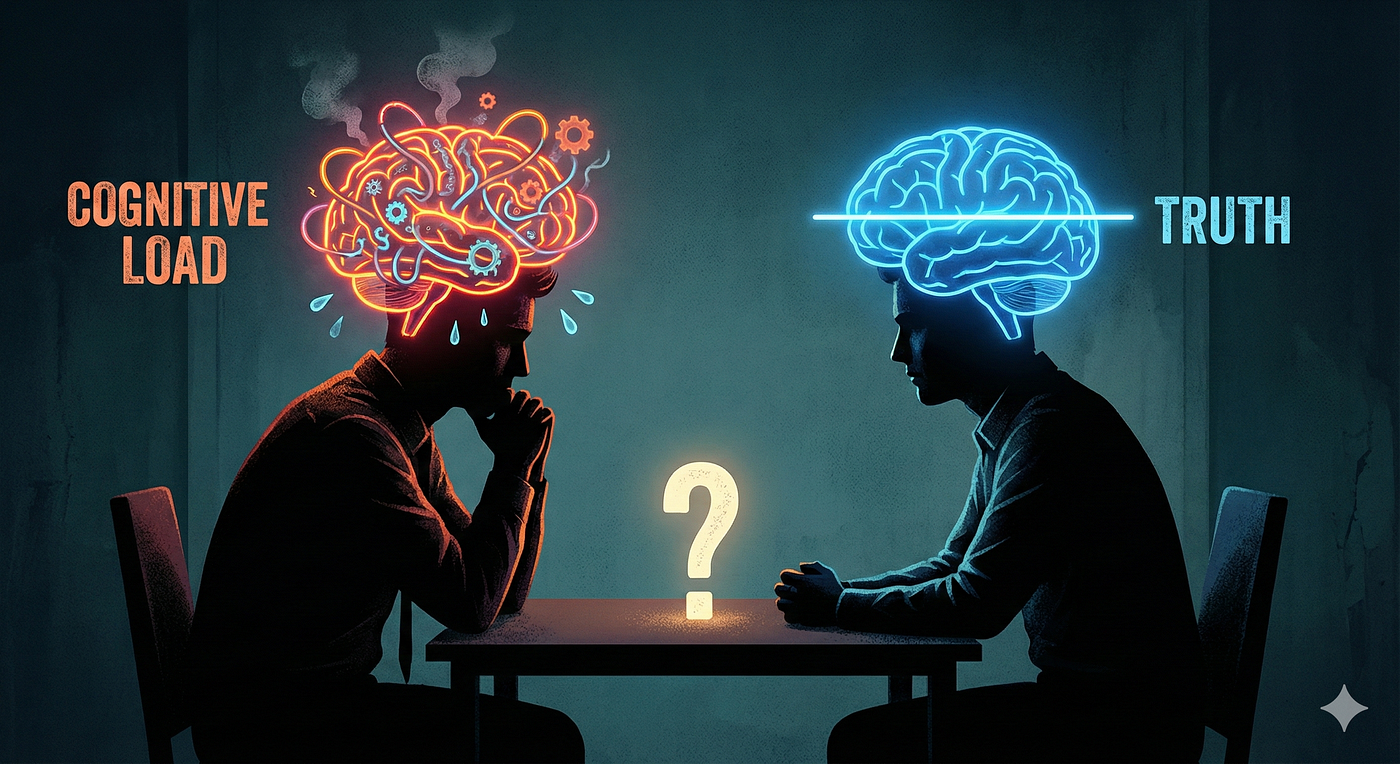
It’s a type of nonverbal communication in which physical behaviors, as opposed to words, are used to express or convey information. Such behavior includes facial expressions, body posture, gestures, eye movement, touch and the use of space. Although body language is an important part of communication, most of it happens without conscious awareness. In social communication, body language often complements verbal communication.

Body Language
Now, let’s break down some of the most common types of body language you probably use every day without realizing it.
first, Facial expressions are one of the most noticeable forms of body language is facial expression. A smile can show friendliness and openness, while a frown may indicate confusion, sadness, or disagreement. Even small movements such as raising an eyebrow or tightening the lips can communicate emotions without a single word being spoken.

Facial Expression Emojis
next, Posture plays a huge role in how others perceive you. the way we sit, or stand can reveal a lot about our feelings and level of confidence. Standing upright often suggests confidence and engagement, while slouching may indicate discomfort, boredom, or lack of interest.

Body’s Postures
**Gestures **are another important aspect of body language. Hand movements are commonly used to support what we are saying. People often use gestures such as waving, pointing, or moving their hands while speaking to emphasize ideas and express enthusiasm.

Gestures
**Eye contact **is also essential in communication. It plays an important role in communication. Maintaining appropriate eye contact can show confidence, attention, and sincerity, while avoiding eye contact may sometimes suggest nervousness or uncertainty.

Eye Contact
Another key element is Haptics (touch), which refers to communication through touch. Which refers to communication through touch. Physical contact such as a handshake, a hug, or a pat on the back can express emotions like friendliness, comfort, or encouragement.
To better understand nonverbal communication, you can watch this
So, how can you actually use body language to your advantage? Start by being more aware of your own nonverbal signals. Try to maintain good posture, make natural eye contact, and use gestures to support your ideas. Avoid crossing your arms too often, as it can make you seem closed off or defensive. Also, pay attention to other people’s body language — it can give you clues about how they feel, even if they don’t say it directly.
Body language is especially important for college students. Whether you’re giving a presentation, participating in group discussions, or preparing for internships, the way you present yourself can make a big difference. Strong, confident body language can help you appear more prepared, engaged, and trustworthy.
In conclusion, body language is a powerful form of communication that often speaks louder than words. Being aware of our nonverbal signals can help us communicate more effectively and better understand others in both personal and professional situations.
메타데이터
- post_id
- 7ceef8f86893
- slug
- how-does-your-body-speak-more-than-you-7ceef8f86893
- url
- https://medium.com/@chpider2020/how-does-your-body-speak-more-than-you-7ceef8f86893
- canonical_url
- https://medium.com/@chpider2020/how-does-your-body-speak-more-than-you-7ceef8f86893
- author_url
- https://medium.com/@chpider2020
- status
- ok
- fetched_at
- 2026-07-10 06:54:57