SMARTLINEN vs Traditional Linen Management: Which One Saves More?
In many hotels, the linen operations operate in the background until there’s a problem. A sudden deficiency in towels, an increase in the…
SMARTLINEN vs Traditional Linen Management: Which One Saves More?
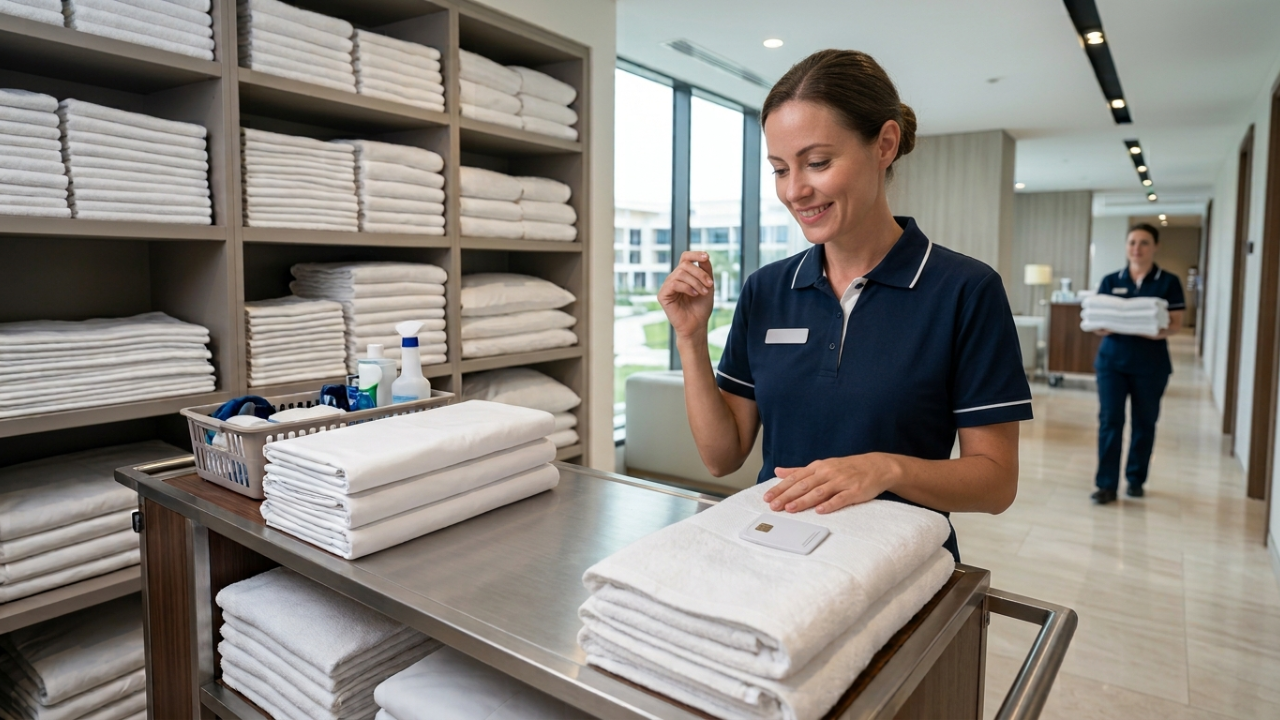
In many hotels, the linen operations operate in the background until there’s a problem. A sudden deficiency in towels, an increase in the cost of laundry or unanswered loss can rapidly disrupt service and affect the margins. For a long time, traditional laundry management was the preferred method. However, as pressures on operations increase, numerous properties are looking into whether this is still the most cost-effective choice.
Comparing **SMARTLINEN** with traditional methods isn’t just about technology against the traditional method. It’s about knowing where the money is actually going to be spent and where it’s getting lost.
How Traditional Linen Management Really Works
The majority of hotels still use a combination of hand-counting, Excel spreadsheets and regular audits to control their hotel linens. In paper form, the procedure seems straightforward: monitor inventory and then send the laundry items and reorder as levels decrease.
Where the Gaps Begin
In the real world, a variety of problems arise:
- The linen movement between housekeeping, laundry and storage isn’t completely evident
- They are not identified until late, or not at all
- The inventory decisions are based on estimates, not actual usage
For instance, a business might believe that it requires 4 to 5 per cent of hotel linens; however, in reality, a significant portion of that inventory is not being utilised or is missing.
What SMARTLINEN Does Differently
SMARTLINEN provides a systematic method of linen that is based on data operations. Instead of making assumptions, it provides real-time information in the process of making an item.
In its essence, it serves as a complete line-of-business management tool bringing accountability, visibility and control into everyday processes.
Real-Time Inventory Visibility
With SMARTLINEN, teams can track the total inventory of linens in all areas. This reduces the need for guesswork and assures that the levels of inventory are in line with the actual demand.
Lifecycle Tracking
From the first use until the final replacement, every item’s journey is documented. This helps operators understand the length of time the bedding sheets last and when they are due to be retired.
Cost Comparison: Where Hotels Actually Spend
1. Linen Loss and Replacement
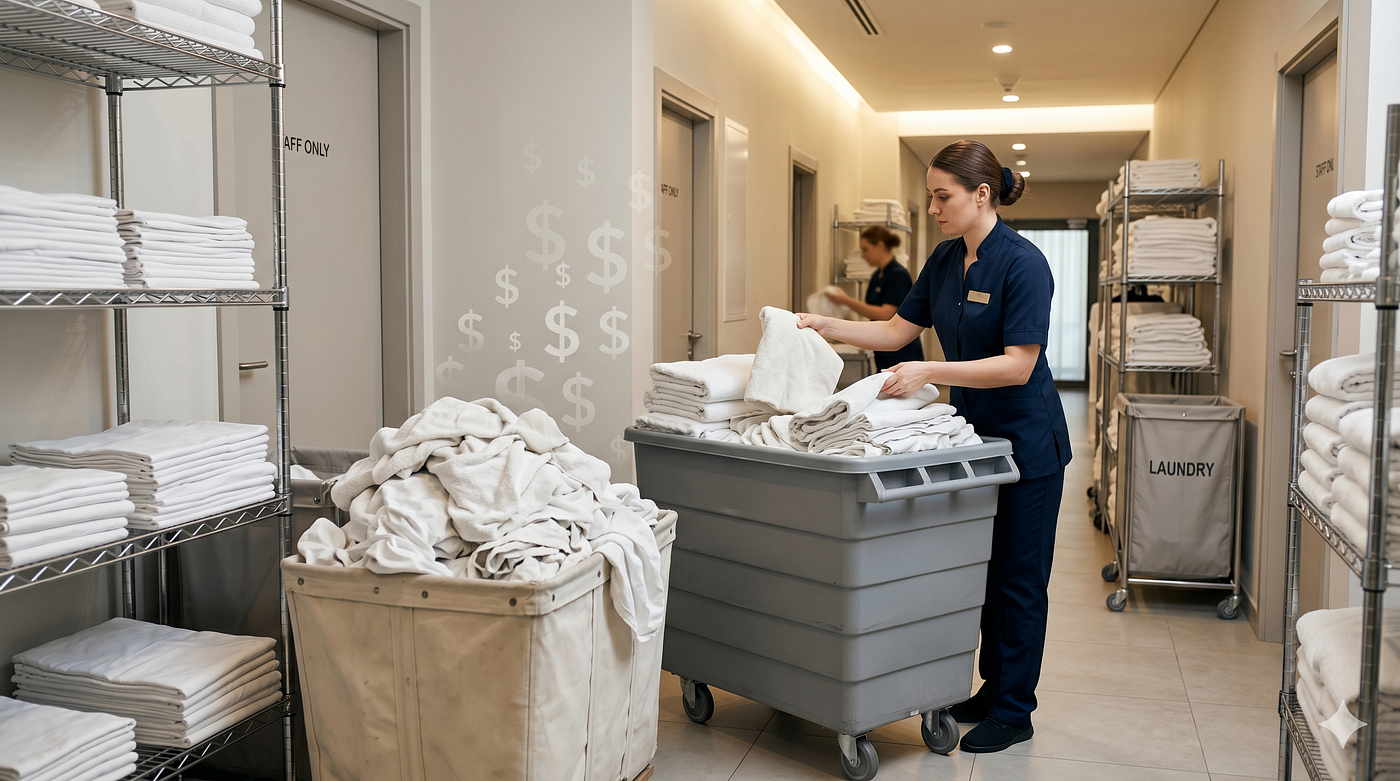
Traditional Method: Losses often are discovered during audits, and are often discovered long after they have occurred. In order to compensate, hotels purchase more linens from Wholesale linen suppliers, thereby increasing the capital expense.
With SMARTLINEN: Loss patterns are evident almost immediately. When items are lost or misused, or if they are mishandled, the system identifies the problem before it becomes too late, thus reducing the need for replacements.
2. Inventory Overstocking
Traditional Method: To prevent shortages, hotels keep surplus inventory. This can bind working capital, and also increases storage requirements.
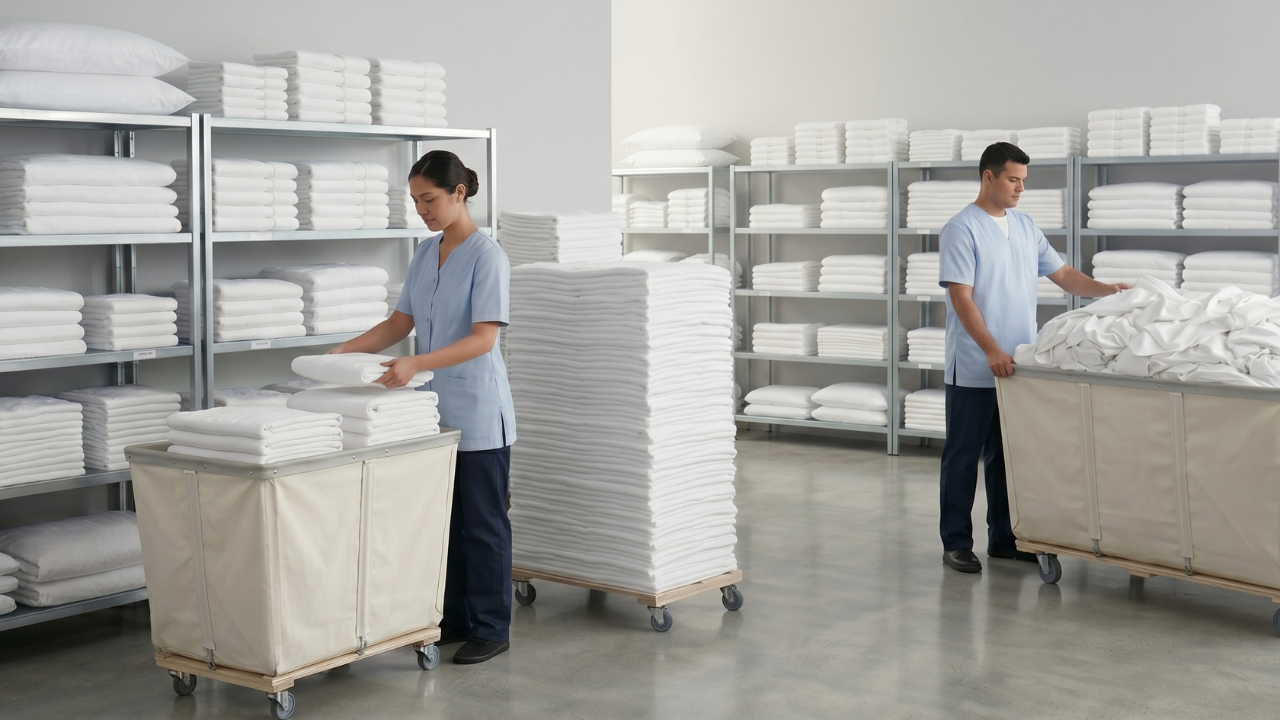
With SMARTLINEN The accuracy of usage data helps optimise levels of stock. Hotels can ensure the proper amount of linens needed for hotels without stocking too much, which frees up space as well as budget.
3. Laundry Efficiency
Traditional Methodology: Laundry operations are often scheduled according to fixed schedules, not actual demand. This can lead to:
- Partly loaded machines
- Rewash cycles because of poor tracking
- More energy and water consumption
With SMARTLINEN: Laundry teams can match processing to actual usage patterns. This increases the efficiency of the load, decreases utility costs and prolongs the life span of linens for hospitality.
4. Labour and Operational Time
Traditional Method: Manual counting and reconciliation take a significant amount of staff time. The chances of errors are high, particularly in times of high occupancy.
With SMARTLLINEN: Automated tracking decreases the requirement to use manual interventions. Teams for laundry and housekeeping have less time to count instead of focusing on the quality of service.
Operational Impact on Guest Experience
Cost savings are crucial but they should not be at the expense of customer satisfaction.
Consistency Across Rooms
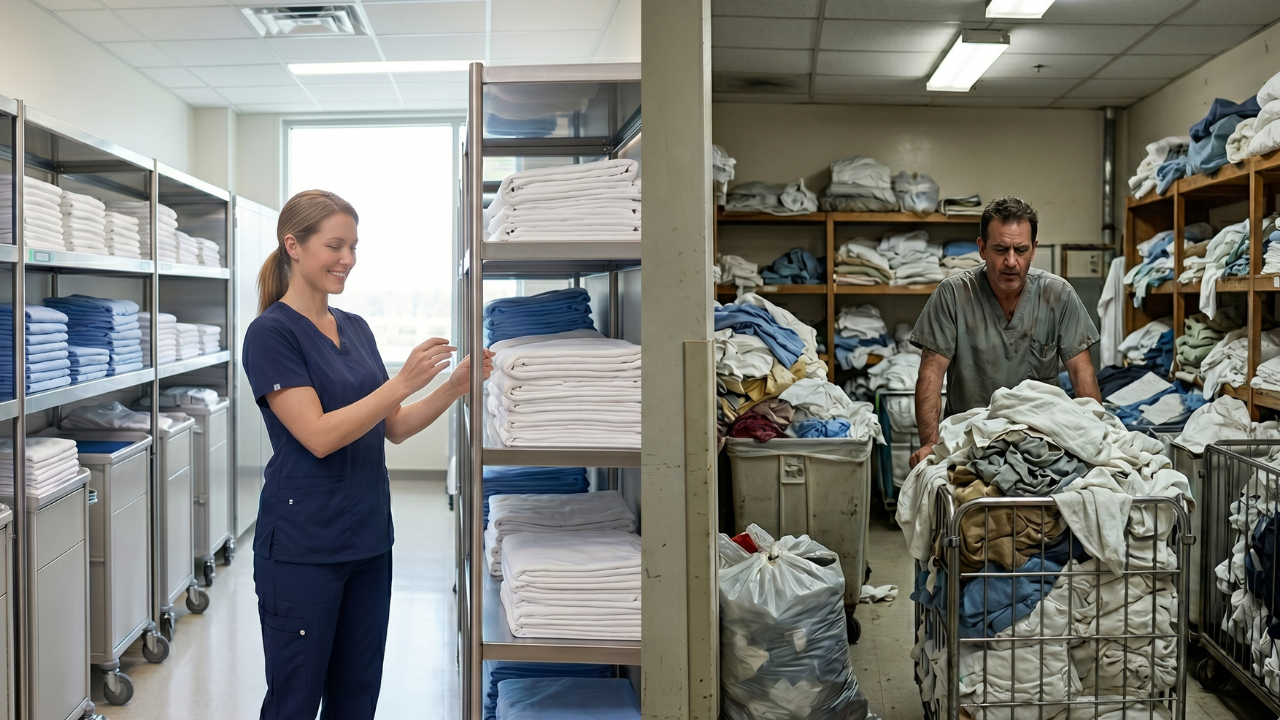
Traditional systems can produce uneven quality linen — some rooms could have newer items, and others have worn-out items.
SMARTLINEN makes sure that quality linens standards are in circulation to ensure the same guests’ experience.
Faster Room Turnaround
If inventory visibility isn’t as good, the housekeeping team may experience delays because of missing items. This could impact the overall readiness of rooms.
With SMARTLINEN, teams know precisely where to go to get the information they need, which improves efficiency and speed of service.
Procurement Decisions: Smarter Using Data
Procurement is the area where the financial differences become evident.
Traditional Buying Patterns
Purchasing decisions are typically dependent. If stock is in short supply, orders are sometimes made in bulk to avoid shortages.
This method results in:
- Overstocking
- Inconsistent supplier evaluation
- More expensive long-term costs
Data-Driven Procurement using SMARTLINEN
With access to specific utilisation insights, procuring teams can:
- Forecast demand accurately
- Based on current trends in consumption
- Examine how well **wholesale linen suppliers** perform.
The shift away from reactive to strategic buying greatly reduces waste and enhances control of budgets.
Durability and Lifecycle Optimisation
Many different linens are utilised equally, and the traditional methods do not always capture this difference.
Traditional Perspective
Linens are replaced on the basis of an inspection by eye or a fixed timeline, which might not be accurate in describing wear.
SMARTLINEN Advantage
Through a system that tracks usage frequency, SMARTLINEN can determine the actual lifespan of every item. This will ensure the bedding sheets are changed at the correct time, not too early and certainly not too late.
Scalability Across Property Types
Traditional management’s limitations become apparent as operations expand.
Multi-Property Challenges
For resorts and hotel groups, managing consistency across sites is a challenge without standardised methods.
SMARTLINEN gives centralised control, allowing managers to oversee linen operations across multiple properties, with the same degree of transparency and effectiveness.
Implementation: Practical Considerations
The process of switching systems may seem like something that is a huge undertaking, but in the real world, the transition can be managed with the proper method.
Begin with the core areas.
Start with categories that are high volume, like towels and sheets for beds. This will give you immediate insight and tangible savings.
Align Teams Early
Laundry, housekeeping and procurement teams must be aligned from the beginning. Their workflows will benefit most from better visibility.
Monitor Results
In the initial few months, the patterns start to emerge, highlighting areas where costs could be cut and processes improved.
So, Which One Saves More?
If you look at the numbers, loss reduction, optimising inventory, increased efficiency in laundry and smarter procurement, the differences become clear.
Traditional linen management is usually a way to hide costs from everyday operations. SMARTLLINEN reveals these costs on the surface and provides hotels with the tools needed to manage them efficiently.
Ready to See the Difference in Your Operations?
If your establishment is relying on the manual process of tracking and purchasing, is it time to think about a new approach? SMARTLINEN allows hotels to gain complete control, cut unnecessary costs and provide structure to the linen process without affecting regular work processes.
**Connect to SMARTLINEN** now to learn more about how a sophisticated linen tracking system can make your home run more efficiently, while also protecting profits.
메타데이터
- post_id
- 7cef97d7bf28
- slug
- smartlinen-vs-traditional-linen-management-which-one-saves-more-7cef97d7bf28
- url
- https://medium.com/@smartlinen.net/smartlinen-vs-traditional-linen-management-which-one-saves-more-7cef97d7bf28
- canonical_url
- https://medium.com/@smartlinen.net/smartlinen-vs-traditional-linen-management-which-one-saves-more-7cef97d7bf28
- author_url
- https://medium.com/@smartlinen.net
- status
- ok
- fetched_at
- 2026-08-16 02:20:39