The Hidden Risks of P2P Lending That Beginners Often Overlook
Introduction
The Hidden Risks of P2P Lending That Beginners Often Overlook
Introduction
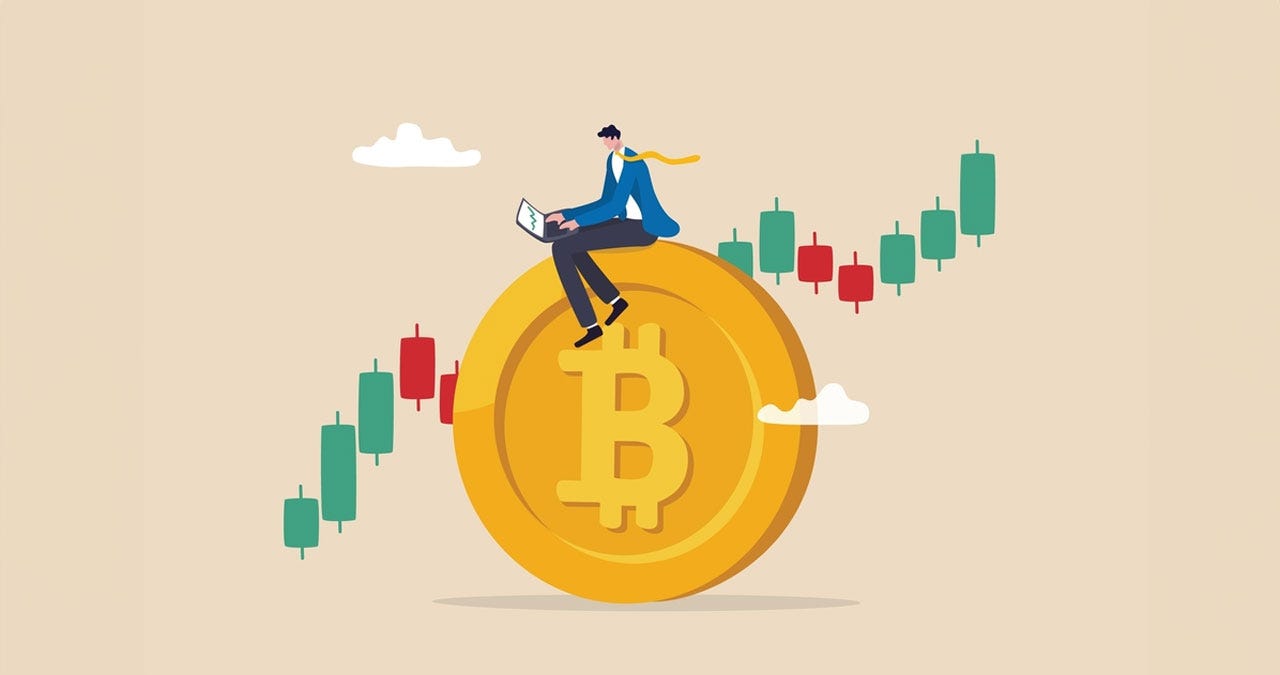
Peer-to-peer (P2P) lending has become one of the most popular alternative investment options in recent years. The appeal is easy to understand. Instead of earning a fraction of a percent in a traditional savings account, investors can often earn significantly higher returns by lending money directly to borrowers through online platforms. For many investors, P2P lending offers an attractive combination of passive income, accessibility, and relatively low barriers to entry. But beneath the promise of higher returns lies a set of risks that many beginners don’t fully understand until they experience them firsthand.
Imagine waking up one morning, opening your investment account, and discovering that your money isn’t available when you need it. Not because you made a poor investment decision. Not because every borrower suddenly stopped paying. But because the structure of the platform itself made your funds less accessible than you expected. This is just one example of the hidden risks that can accompany P2P lending. Let’s take a closer look at the most important ones.
What Is P2P Lending?
Peer-to-peer lending connects borrowers directly with investors through an online platform. Instead of a traditional bank issuing loans and collecting interest, individual investors provide the capital. Borrowers make repayments over time, and investors earn interest in return. The platform acts as the intermediary, handling loan origination, payment processing, borrower screening and administration.
In theory, everyone benefits:
Borrowers gain access to financing. Investors earn attractive returns. Platforms earn fees for facilitating the process.
However, this structure introduces several unique risks that are easy to overlook when focusing solely on returns.
1. Default Risk
The most obvious risk in P2P lending is default risk. Simply put, borrowers may fail to repay their loans. If a borrower stops making payments, investors may lose some or all of the capital they invested in that loan. This is the fundamental risk of lending money. No matter how sophisticated a platform appears, no lending model can completely eliminate the possibility of borrower default.
The Role of Buyback Protection
Many P2P platforms attempt to reduce investor concerns by offering buyback protection. Under a typical buyback arrangement, if a loan becomes overdue beyond a specified period — often 30 to 60 days — the loan originator agrees to repurchase the loan and compensate investors for the outstanding principal and sometimes accrued interest. At first glance, this can make investments appear much safer. However, there is an important detail many investors miss: Buyback protection is only as strong as the company providing it. If the loan originator experiences financial difficulties, it may not be able to honor its buyback obligations.
2. Liquidity Risk
Liquidity risk is one of the most underestimated risks in P2P lending. Many new investors assume they can access their money whenever they want, much like a bank account or money market fund. In reality, many P2P investments are tied to loans with fixed repayment schedules. That means your money could be committed for months or even years. If you suddenly need cash, you may discover that withdrawing your funds isn’t as simple as clicking a button.
Secondary Markets Aren’t a Guaranteed Exit
Some platforms offer secondary markets where investors can sell existing loans to other investors. While this feature can improve liquidity, it is NOT a guarantee. A secondary market only works when buyers are willing to purchase the loans being offered. During periods of economic uncertainty or market stress, buyers can disappear quickly. When everyone wants to sell and nobody wants to buy, liquidity can dry up precisely when investors need it most. This creates a situation where your investment may still have value, but you cannot easily convert it into cash. For investors who prioritize flexibility, platform design becomes especially important. Some alternative yield-generating platforms like Lendamax focus on providing easier access to funds rather than locking users into fixed investment terms.
3. Platform Risk
Many investors spend considerable time evaluating borrowers. Far fewer spend time evaluating the platform itself. This can be a costly mistake. P2P platforms play a critical role in the lending ecosystem. They process payments, manage borrower relationships, maintain records, handle collections and operate the technology that connects lenders and borrowers. If the platform encounters problems, investors can be affected even when borrowers continue making payments. Potential platform-related issues include:
Financial instability Operational failures Cybersecurity breaches Fraud Poor management decisions Insolvency or bankruptcy
In extreme cases, a platform shutting down can create significant uncertainty regarding the recovery of investor funds. This is why platform due diligence matters just as much as borrower due diligence. When evaluating a platform, investors should consider factors such as:
Years in operation Regulatory status Financial transparency Default statistics Reputation within the investment community History of handling economic downturns
A strong track record doesn’t guarantee future success, but it can provide valuable insight into how a platform manages risk.
4. Regulatory Risk
P2P lending exists within a constantly evolving regulatory environment. As governments and financial regulators become more involved in the industry, rules can change. New regulations may affect:
Platform licensing requirements Investor eligibility Tax treatment Disclosure standards Capital requirements Cross-border investing
While regulation can improve investor protection, it can also create uncertainty. A regulatory change that seems minor on the surface could significantly impact platform operations or investor returns. For example, stricter compliance requirements may increase operating costs, while changes to tax laws could reduce net returns for investors.
The Psychology of High Returns
One reason investors overlook these risks is the allure of high yields. When investors see annual returns significantly above those offered by traditional savings products, it’s natural to focus on the upside. However, higher returns generally exist because investors are accepting higher levels of risk. This doesn’t mean P2P lending is inherently bad. It simply means the risks should be understood and evaluated alongside the potential rewards.
Conclusion
P2P lending can be a valuable part of an investment portfolio, but it is not a risk-free source of passive income. Default risk, liquidity risk, platform risk, and regulatory risk all have the potential to affect investor outcomes. The investors who tend to perform best over the long run are not necessarily the ones chasing the highest yields. They’re the ones who understand the risks they’re taking.
메타데이터
- post_id
- 7d19aef67a69
- slug
- the-hidden-risks-of-p2p-lending-that-beginners-often-overlook-7d19aef67a69
- url
- https://medium.com/@lendamax/the-hidden-risks-of-p2p-lending-that-beginners-often-overlook-7d19aef67a69
- canonical_url
- https://medium.com/@lendamax/the-hidden-risks-of-p2p-lending-that-beginners-often-overlook-7d19aef67a69
- author_url
- https://medium.com/@lendamax
- status
- ok
- fetched_at
- 2026-06-28 10:39:35