How to Overcome Productive Procrastination in Your Writing
In only three steps
How to Overcome Productive Procrastination in Your Writing
In only three steps
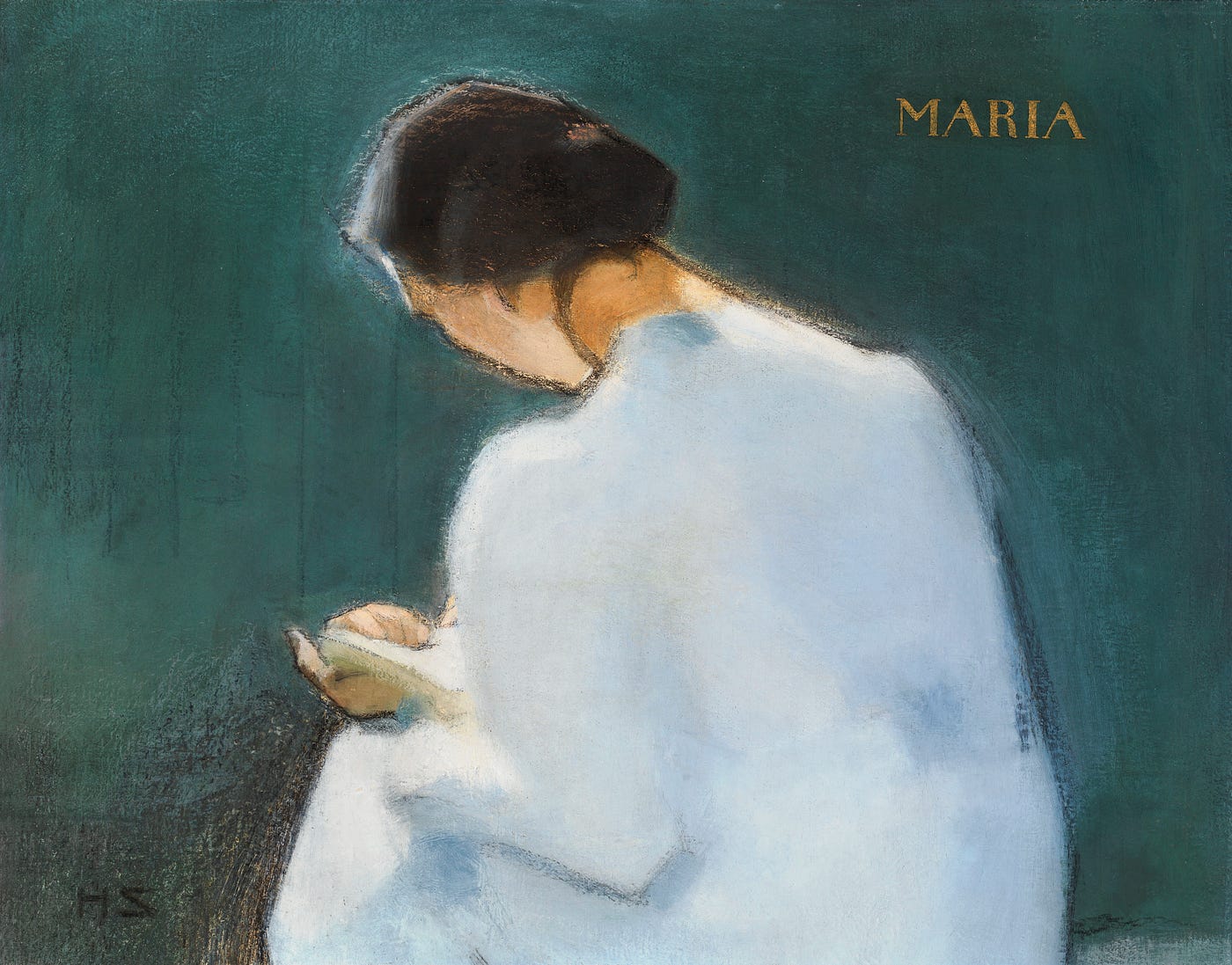
Photo by Yulin Wang on Unsplash
I’ve not written anything of any substance in the last few weeks. It’s easy to break a habit — I was on holiday for a week, then went down a research rabbit hole.
Then suddenly it’s three weeks later, and the word count on my work in progress hasn’t changed. It wasn’t intentional, and I felt like I was keeping busy. But the numbers don’t lie.
Often, it can feel like you are being productive when writing, but you’re not actually writing. And this is productive procrastination.
My list includes research rabbit holes, reworking my plan for the fourteenth time, and studying writing courses to improve my skills. All of these can be an important part of writing work, but they can also be used to trick yourself into thinking you are making progress.
There are ways of fixing it.
Step One — Acknowledge you are not writing
The first step is to identify it and acknowledge that you aren’t writing. This sounds easy — because if you are not adding to a word count, then it should be easier to spot.
Recognising if you are working on something meaningful or just going through the motions is key. Before you take action to get back on track, you need to recognise that you have left it.
The easiest way to identify this is to think about what your end goal is — are you writing a novel? Producing a series of articles? Creating a poetry collection? Then ask yourself: is what I am doing right now pushing this project forward in a meaningful way? Or am I procrastinating?
The line between the two can be hard to find, especially if you are working on activities that feel productive. Some are easier to spot — if you have spent a lot of time choosing the perfect font for your novel, but ignoring the structural edits required, that’s procrastination.
But some are more subtle — the editing course that you are working through might improve your editing skills, but it might be an excuse to put off the next round of editing. Each time, going back to your end goal can help you decide if it’s procrastination or truly a helpful action.
Once you have acknowledged the issue, then you can start to fix it.
Step Two — Identify the issue — why are you not writing?
What exactly is it that you are avoiding and why?
It could be that you don’t know what to do next on your work in progress, or you are daunted by the scale of edits required. It could be something external — your usual writing routine cafe has changed its hours, or your office is being painted. Once you are out of a routine, it can be easy to tell yourself you are still being productive when you are not.
Identifying this issue is the next step to resolving it.
I like writing, most of the time, so if I’m avoiding it, there is usually another reason behind the procrastination. This step helps me identify what the issue is.
To identify the issue, I recommend either thinking or journaling about why you are procrastinating.
Journaling can sometimes feel a bit too much like the thing I’m avoiding, so just thinking it through in my head, while I’m washing the dishes or out for a walk, can be just as useful. It’s about spending some time identifying the underlying reasons why you’re not making progress on a particular project.
If you are journaling, it could be as simple as starting with the sentence ‘I’ve not been writing because…’ And seeing where it takes you.
Also, it’s good at this point to remind yourself why you started, what got you excited about the idea? Reignite that initial spark and joy in the project as a motivation to get back into it.
Once you have identified the issue, you can start thinking about ways to overcome it. And the most important next step is to get writing again.
Step Three. Sit at your desk (or usual writing spot) and write one sentence.
Identify a time and a place where you can sit. Or just go do it now. Even if it is for just five minutes, or the length of time it takes you to write one sentence or edit one paragraph, before you get up and do something else.
This step is all about turning up and working on something meaningful; progress, not procrastination.
If you are trying to get back into a project, don’t jump into the hardest thing first (unless you are feeling particularly energised for it!)
It could be opening the file you were last working on and reminding yourself where you got to is enough for the first session. Think of it like going to the gym — if you are coming back after a break, you wouldn’t try and achieve a new personal best by lifting the heaviest dumbbells you have ever managed, you’d start lighter, and work back up to that. It’s the same with writing.
Give yourself an achievable target and make it fun or something that excites you. If there is an idea in your head, start with that.
But most importantly, start by writing that one sentence.
메타데이터
- post_id
- 7d4bf4029188
- slug
- how-to-overcome-productive-procrastination-in-your-writing-7d4bf4029188
- url
- https://medium.com/practice-in-public/how-to-overcome-productive-procrastination-in-your-writing-7d4bf4029188
- canonical_url
- https://medium.com/practice-in-public/how-to-overcome-productive-procrastination-in-your-writing-7d4bf4029188
- author_url
- https://medium.com/@lca199
- status
- ok
- fetched_at
- 2026-07-09 08:02:55