How to Perform Self-Ruqyah for Protection and Inner Calm
In a world filled with constant noise, mental exhaustion, and unseen spiritual trials, many Muslims look for ways to protect their minds…
How to Perform Self-Ruqyah for Protection and Inner Calm
In a world filled with constant noise, mental exhaustion, and unseen spiritual trials, many Muslims look for ways to protect their minds and souls.
While modern wellness trends offer mindfulness and meditation, Islam has always provided a complete, divine system of healing: Ruqyah (رُقْيَة).
Often misunderstood or associated with complex rituals, authentic Ruqyah is simply a beautiful form of worship. It is the practice of reciting Quranic verses, authentic supplications, and words of remembrance to seek Allah’s help, protection, and cure from physical, emotional, and spiritual illnesses.
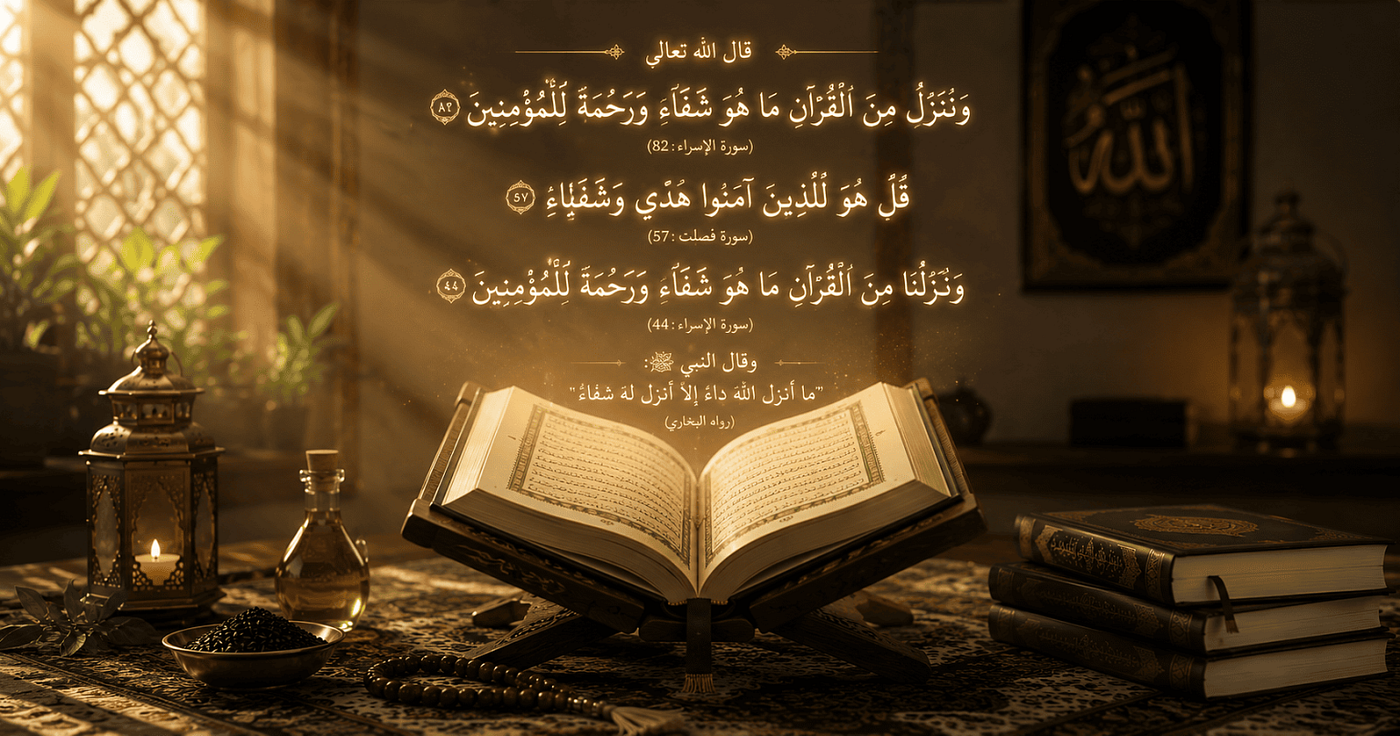
Here is a beginner-friendly guide to understanding and performing Ruqyah in your daily life.
What is Ruqyah Shariah?
The word Ruqyah translates to “incantation” or “cure” in Arabic. In Islamic terminology, Ruqyah Shariah refers to spiritual healing that is 100% aligned with the Quran and Sunnah.
For Ruqyah to be considered authentic and permissible (halal), it must meet three conditions:
- It must be done using the words of Allah (the Quran), His names, or attributes.
- It must be performed in Arabic or in a language whose meaning is clearly understood.
- The reciter and listener must firmly believe that the Ruqyah itself does not heal; healing comes only from Allah.
If a ritual involves unintelligible words, talismans, numerology, or seeking help from the jinn, it is considered forbidden (haram) and must be avoided.
The Power of Self-Ruqyah
Many people believe they need to find a “spiritual specialist” to perform Ruqyah for them. While seeking help from a knowledgeable practitioner (a Raqi) is permissible, performing Ruqyah on yourself is always the best option.
Self-Ruqyah is highly encouraged because:
- It builds direct Tawakkul (reliance) on Allah.
- Your own plea to Allah in times of distress is often the most sincere.
- It can be integrated easily into your daily routine.
How to Perform Self-Ruqyah in 5 Simple Steps
You do not need a special location or complex tools. Here is how to perform it on yourself:
- Purify Your Intention (Niyyah): Start by sitting in a quiet space. Correct your heart’s intention, remembering that you are turning to Allah alone for cure and protection.
- Ensure Cleanliness: While not strictly required, it is highly recommended to perform Wudu (ablution) and sit facing the Qiblah.
- Recite the Key Quranic Verses: Recite the following verses slowly, with presence of heart:
- Surah Al-Fatihah (The Opening): Known as the ultimate Surah of healing (Ash-Shifa).
- Ayatul Kursi (Surah Al-Baqarah, 2:255): Recited for supreme protection.
- The Last Two Verses of Surah Al-Baqarah (2:285–286): The Prophet (ﷺ) said reciting these at night is sufficient for protection.
- The Three Quls (Surah Al-Ikhlas, Al-Falaq, and An-Nas): Recite these three times each.
- Blow & Wipe: After completing the recitations, cup your hands together, blow gently into them (a dry spit or puff), and wipe them over your face and as much of your body as you can reach.
- Be Consistent: Healing is a journey. Repeat this routine daily — ideally in the morning, evening, or right before sleeping.
Signs that Ruqyah is Working
Because spiritual healing is gradual, you should look for subtle changes rather than dramatic events. Common signs of healing include:
- A Sense of Lightness: Feeling a sudden release of emotional heaviness, chest tightness, or unexplained fear.
- Mental Clarity: An increase in peace of mind and reduced anxiety or overthinking.
- Motivation for Worship: Feeling a stronger, smoother pull toward praying, reading Quran, and making dua.
- Restful Sleep: A decrease in bad dreams or sleep paralysis, leading to more peaceful rest.
Ruqyah is not a mysterious ritual; it is a beautiful reminder that our ultimate protection and healing lie with Allah. By learning to perform self-ruqyah, you take charge of your own spiritual well-being. Keep it simple, keep it consistent, and trust in the healing power of Allah’s words.
This article is a concise version of the comprehensive guide originally published on Sukoon Blog. To explore the Hadith references, guidelines for choosing a Raqi, and additional details, read the Full article here: **What Is Ruqyah in Islam?**
메타데이터
- post_id
- 7d710b3784bf
- slug
- how-to-perform-self-ruqyah-for-protection-and-inner-calm-7d710b3784bf
- url
- https://medium.com/@trysukoon/how-to-perform-self-ruqyah-for-protection-and-inner-calm-7d710b3784bf
- canonical_url
- https://medium.com/@trysukoon/how-to-perform-self-ruqyah-for-protection-and-inner-calm-7d710b3784bf
- author_url
- https://medium.com/@trysukoon
- status
- ok
- fetched_at
- 2026-07-13 16:47:38




