World Theatre Day 2026
Celebrating resilience as Nigerian theatre moves from ritual stages to hybrid performance.
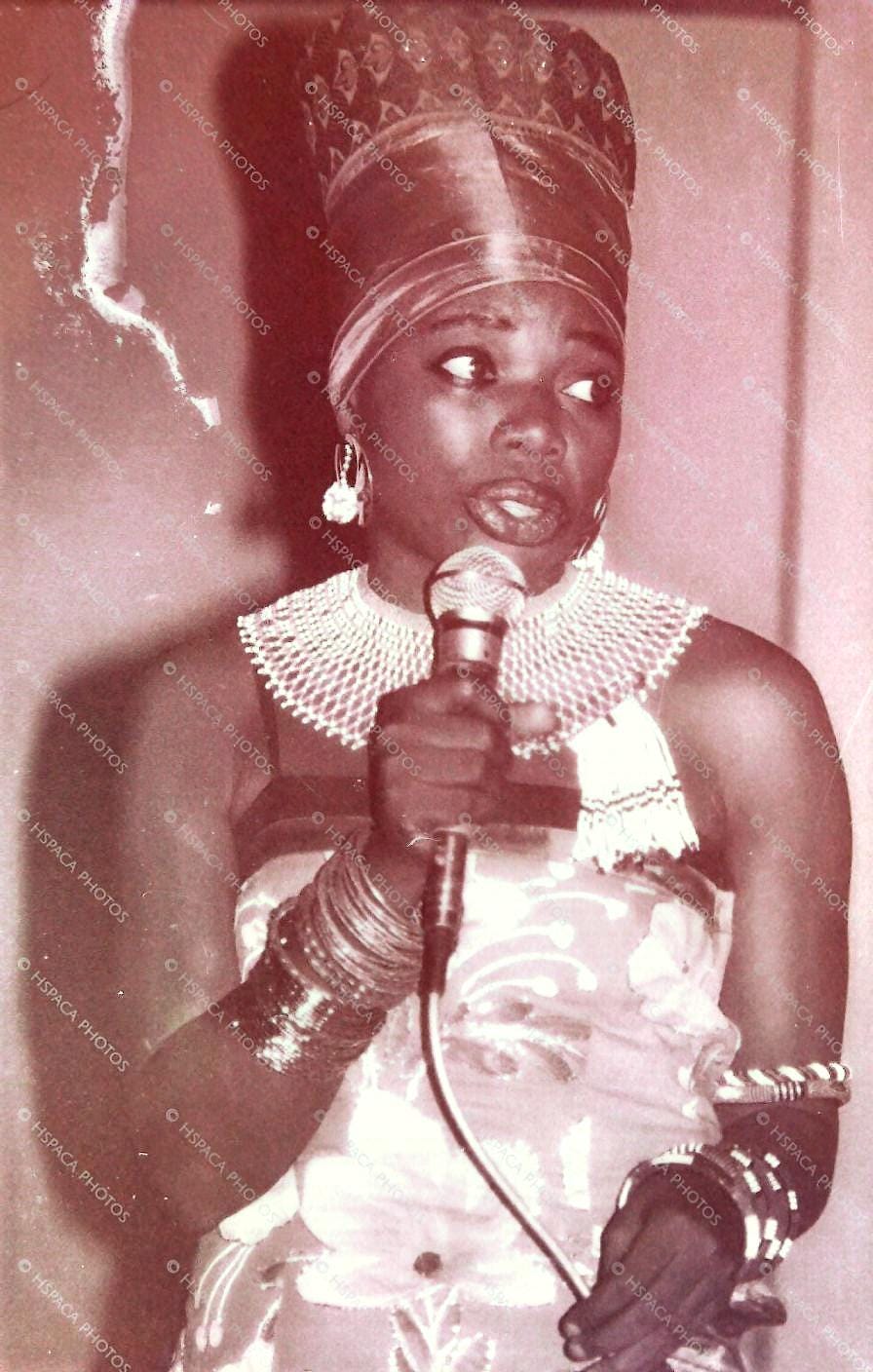
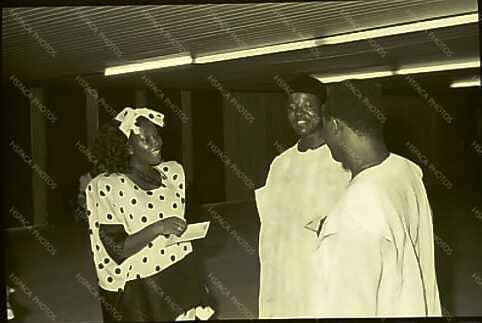
Ms Bhola Eberiga at the International Theatre Day celebration 27th March 1990 © Hakeem Shitta / HSPACA.
World Theatre Day 2026
Celebrating resilience as Nigerian theatre moves from ritual stages to hybrid performance.
Part 1: Origins, World Theatre Day context, and Nigeria’s foundations
A historical and contemporary overview of theatre’s global evolution and Nigeria’s theatrical foundations
“All the world’s a stage, the men and women merely players.” — William Shakespeare, As You Like It

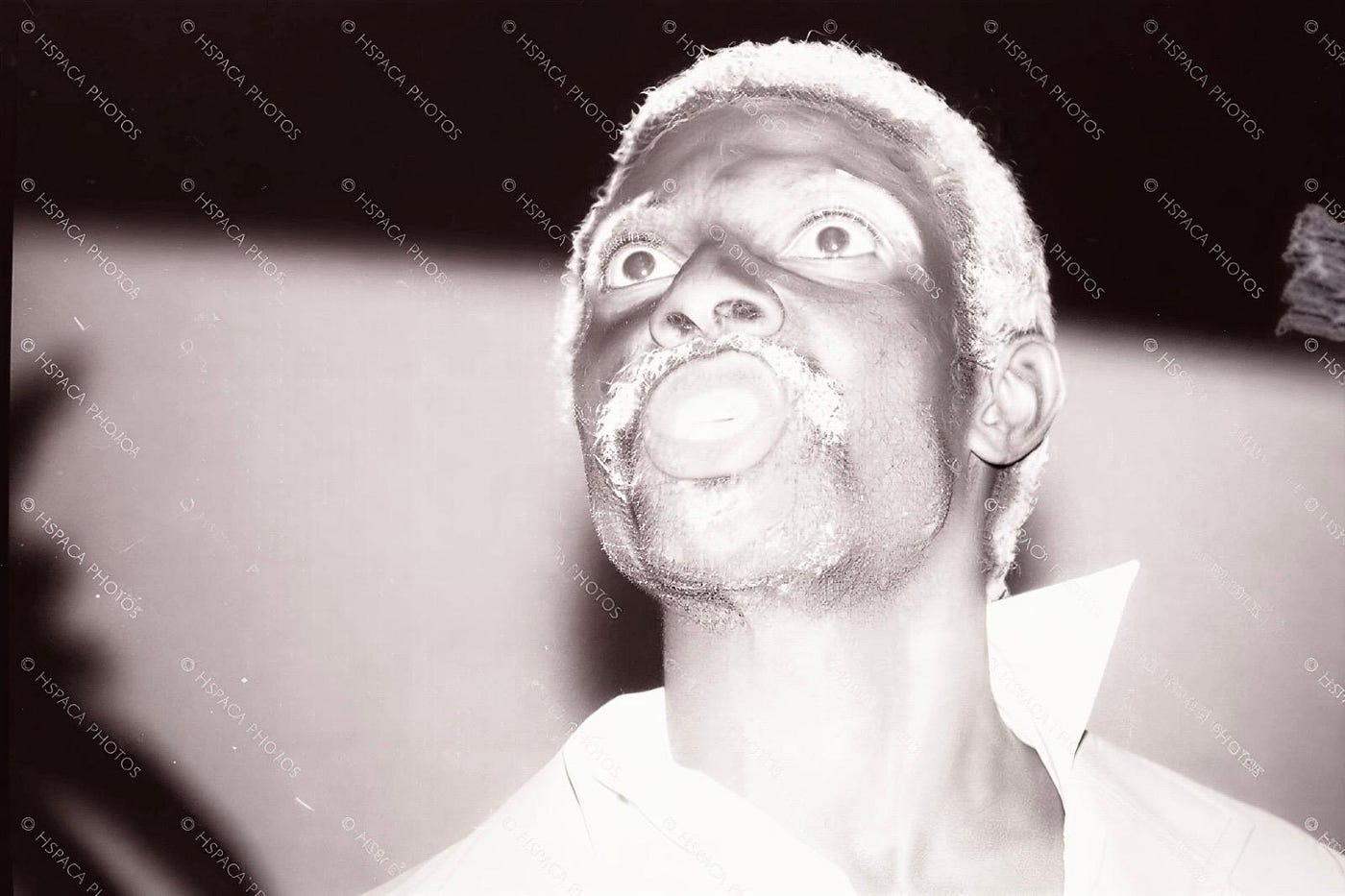
Mahmood Ali Balogun the President of the National Association of Nigerian Theatre Arts Practitioners(NANTAP), delivering a speech at the International Theatre Day Celebration 27th March 1990 © Hakeem Shitta / HSPACA
Theatre has always been more than a stage. It is ritual, storytelling, spectacle, and imagination. From ancient amphitheaters to digital streaming platforms, it has evolved alongside humanity, reflecting our cultures, struggles, and triumphs, with an enduring power to adapt, inspire, and connect across generations.
In Nigeria, this history is deeply rooted in local traditions and communal performance.
World Theatre Day, also known as International Theatre Day, was initiated in 1961 by the International Theatre Institute (ITI) to commemorate the opening of the Theatre of Nations festival in Paris.

Oba Gbenga Sonuga and Dr Bayo Oduneye and others at the Internatioinal Theatre Day Celebration 27th March 1990 © Hakeem Shitta / HSPACA
Since the first celebration in 1962, March 27 has become a symbolic date for recognizing theatre’s role in cultural exchange, peace, and understanding.

Dame Taiwo Ajai-Lycett, an unidentified lady, and Elder Steve Rhodes seated at the International Theatre Day Celebration 27th March 1990 © Hakeem Shitta / HSPACA
A hallmark of the celebration is the annual international message, written by a prominent figure in the theatre world and translated into more than twenty languages.
This year’s message is from Willem Dafoe, whose reflections emphasize theatre’s power to connect people, communities, and cultures and urge practitioners to resist reducing theatre to a mere commercial enterprise.

Unidentified actress and Professor Chuck Mike at the International Theatre Day Celebration 27th March 1990 © Hakeem Shitta / HSPACA
In Nigeria, the National Association of Nigerian Theatre Arts Practitioners (NANTAP) is marking the occasion with the Abuja Performing Arts Summit, themed
“Charting New Paths: Strengthening the Performing Arts Ecosystem in the FCT.”
Internationally, the Cairo Experimental Theatre Festival will take place from September 1–8, 2026, with Willem Dafoe as a guest. Notably, Nobel Laureate Professor Wole Soyinka serves as an International Theatre Institute Ambassador, underscoring Nigeria’s central role in the global theatre community.
Images of the attendees of the International Theatre Day celebration on March 27, 1990, were captured by Hakeem Shitta and Arts Illustrated Weekly and now form part of the Hakeem Shitta Photography and Cultural Archive (HSPACA), preserving invaluable visual records of that historic occasion
The Global Evolution of Theatre
The origins of theatre stretch back to ancient civilizations. Ritualistic performances and storytelling flourished in Egypt around 2500 BCE, while India developed Sanskrit dramas and folk theatre around 1500 BCE. Ancient Greece in the 6th century BCE gave birth to Western theatre, with tragedies and comedies performed in amphitheaters.
Medieval Europe introduced morality and mystery plays, and the Renaissance of the 16th and 17th centuries produced Shakespeare’s works and Commedia dell’Arte. The Globe Theatre, built in 1599, became a hub for Shakespeare’s plays and a defining symbol of English Renaissance theatre.
The 19th and 20th centuries brought realism, absurdism, and experimental theatre; contemporary theatre now embraces diverse styles, global influences, and digital integration. Today, theatre exists across live stages, film adaptations, television, and digital theatre streamed online.
“I regard the theatre as the greatest of all art forms, the most immediate way in which a human being can share with another the sense of what it is to be a human being.” — Oscar Wilde
Nigeria’s Theatre Foundations
Hubert Ogunde, widely regarded as the father of Nigerian theatre, founded the first contemporary professional theatrical company in 1945.
Other notable figures include Duro Ladipo, Kola Ogunmola, Wole Soyinka, J.P. Clark, and Moses Olaiya Adejumo (Baba Sala) — artists whose work shaped the cultural landscape and public imagination.
By the 1990s, Nigeria’s theatre scene was particularly dynamic, with innovative voices such as Professor Femi Osofisan, Professor Segun Ojewuyi, Felix Okolo, Oba Gbenga Sonuga, Dame Taiwo Ajai‑Lycett, and Ms Bhola Eberiga gazing into the future of the art form.
The Golden Age and Its Living Legacy
Going by Arts Illustrated Weekly, published by Hakeem Shitta, the 1970s to 1990s were a very vibrant period in Nigerian theatre history. The hubs of this golden age included the PEC Repertory Theatre, the National Arts Theatre, and the AYOTA Art Centre.
AYOTA no longer exists following the death of Segun Taiwo, whose presence defined its spirit. The National Theatre itself has since been renamed the Wole Soyinka Centre for Culture and the Arts. I have not been able to find out PEC Repertory Theatre’s current status, but its legacy remains, while today new hubs such as Terra Kulture, Freedom Park Lagos, and MUSON Centre continue to sustain live theatre in Lagos.
This era was marked not only by thinkers and critics such as Biodun Jeyifo, Ben Tomoloju, Dan Izevbaye, Kole Omotoso, Bolanle Awe, Bode Sowande, and Bode Osanyin.
While the playwrights, producers, directors and critics carried the torch of creativity and activism, the performers embodied the vibrancy of the stage: Wole Soyinka, Femi Osofisan, J.P. Clark, Ola Rotimi, Bayo Oduneye, Titilope Sonuga, Segun Taiwo, Zu Sofola, Sola Osofisan, Chuck Mike, Felix Okolo, Ade Afolayan (Ade Love), Tunji Oyelana, Segun Olusola, Dejumo Lewis, Tunji Sotimirin, Kole Odutola, Segun Ojewuyi, Ihria Enakhimio, Olu Jacobs, Joke Silva, Taiwo Ajai‑Lycett, Richard Mofe Damijo, Clarion Chukwura, Edmond Enaibe, Francis Agu, Sam Loco Efe, Pete Eneh, Oba Gbenga Sonuga, and Dele Adagunodo (Baba Ne). Their work was strengthened by the technical support of Tunde Kelani, John Iwuh , Hakeem Shitta and others.

Ms Bhola Eberiga, Dame Taiwo Ajai-Lycett and Oba Gbenga Sonuga on stage at the International Theatre Day Celebration 27th March 1990 © Hakeem Shitta / HSPACA
Live theatre in Nigeria
Live theatre in Nigeria is evolving to meet competition from cinema, streaming platforms, virtual reality, and computer games. To retain and grow audiences, practitioners are adopting virtual production, live streaming, and multimedia scenography to rethink staging, pacing, and spectatorship. Virtual and augmented reality are being used to create immersive experiences that attract younger audiences, while digital platforms — streaming services and social media — extend Nigerian theatre’s reach beyond national borders.
For example, some Lagos companies now combine live performance with real‑time streaming and projection‑mapped sets so remote viewers can access multiple camera angles and augmented elements alongside the in‑house audience. These innovations create new revenue and outreach opportunities but also require investment in technical skills, infrastructure, and revised production workflows
Nollywood’s success on platforms like Netflix and Prime Video demonstrates the global potential of Nigerian content, and theatre can leverage similar platforms to showcase its unique stories and cultural heritage.

Two unidentified actors on the extreme left, Ms Bhola Eberiga, Elder Steve Rhodes, Dame Taiwo Ajai-Lycett, and Oba Gbenga Sonuga at the 27 March 1990 International Theatre Day celebration organized by NANTAP — © Hakeem Shitta / HSPACA
Continue to Part 2
World Theatre Day 2026
Part 2 of 2 Part 2: The Golden Age, digital transformation, and the future Continue from Part 1
Nigerian Theatre in the Digital Age
Into the 2000s, 2010s, and Beyond
The legacy of the golden age flowed into the new millennium. Ahmed Yerima emerged as one of Nigeria’s most prolific playwrights. Wole Oguntokun revitalized stage performance. Bimbo Manuel, Kate Henshaw, Ireti Doyle, and Ngozi Nwosu bridged theatre and Nollywood.
Institutions like MUSON Centre and Terra Kulture became new hubs, while festivals such as the Lagos Theatre Festival created platforms for younger voices.
Directors like Kenneth Uphopho and playwrights like Ayodele Arigbabu and Adesola Osakalumi carried forward the activist spirit of the 1990s. The 2010s also saw the rise of spoken word and performance poetry, with figures like Titilope Sonuga and Efe Paul Azino.
The 2020s brought new challenges and opportunities. COVID‑19 pandemic forced theatres to close, but it also accelerated the rise of digital platforms and hybrid performances. Groups like Kininso Koncepts and Theatre Hub Africa embraced digital storytelling, while established figures such as Wole Oguntokun and Ahmed Yerima adapted their work for online formats. Themes of gender, climate change, migration, and digital identity became central, reflecting the realities of a new generation.
Looking Ahead to the 2030s
The future promises even more transformation. As AI, immersive technology, and global collaborations reshape performance, Nigerian theatre is poised to enter a new frontier.
Scholars like Professor Femi Euba of Louisiana State University exemplify how Nigerian theatre connects globally, blending scholarship and performance across continents.
The coming decade will likely see deeper intersections between theatre, poetry, and digital art, ensuring that Nigerian voices remain central to the global cultural dialogue.
Conclusion
“It’s us, not the gods, who created war. It’s us, we human beings, who can kill it.” — Femi Osofisan, Women of Owu
As we celebrate World Theatre Day 2026, we recognize the resilience and creativity of theatre practitioners worldwide. From its ancient origins to its digital future, theatre has remained a mirror of humanity, reflecting our joys, sorrows, conflicts, and hopes.
In Nigeria, the journey from traditional performances to the golden age of the 1970s–1990s, and now into hybrid digital stages, shows how theatre continues to adapt while preserving cultural identity.
Theatre is not merely entertainment; it is a living archive of human experience, a force for empathy, and a catalyst for social change. Its power lies in its ability to question, to inspire, and to connect across generations and borders.
As Nigerian theatre steps into the 2030s, embracing technology and global collaboration, it carries forward the legacy of its pioneers and visionaries, ensuring that the stage remains a place where humanity confronts itself, dreams of better futures, and celebrates the art of being alive.
Gratitude
I am deeply grateful to Professor Femi Osofisan, Dr Ihria Enakhimio, Ms Yinka Davies, Professor Chuck Mike, Professor Segun Ojewuyi, Professor Kole Odutola, and UNESCO Ambassador Jahman Anikulapo, who personally shared insights and information to assist this work. Their generosity in offering knowledge and perspective has been invaluable.
I also acknowledge the monumental work of Hakeem Shitta, who documented Nigerian theatre and cultural life through more than 6,000 photographs, now preserved in HSPACA, ensuring that the cultural treasures of Nigeria’s theatre history are preserved and shared with future generations.
This article draws on original research, personal interviews with Nigerian theatre practitioners, and my ongoing work assisting in the curation of the Hakeem Shitta Photography and Cultural Archive (HSPACA). Artificial Intelligence was used only for polishing language, structure, and flow.
메타데이터
- post_id
- 7e039a7e66cd
- slug
- world-theatre-day-2026-7e039a7e66cd
- url
- https://medium.com/write-your-world/world-theatre-day-2026-7e039a7e66cd
- canonical_url
- https://medium.com/write-your-world/world-theatre-day-2026-7e039a7e66cd
- author_url
- https://medium.com/@seguncoladimeji
- status
- ok
- fetched_at
- 2026-07-13 06:23:13