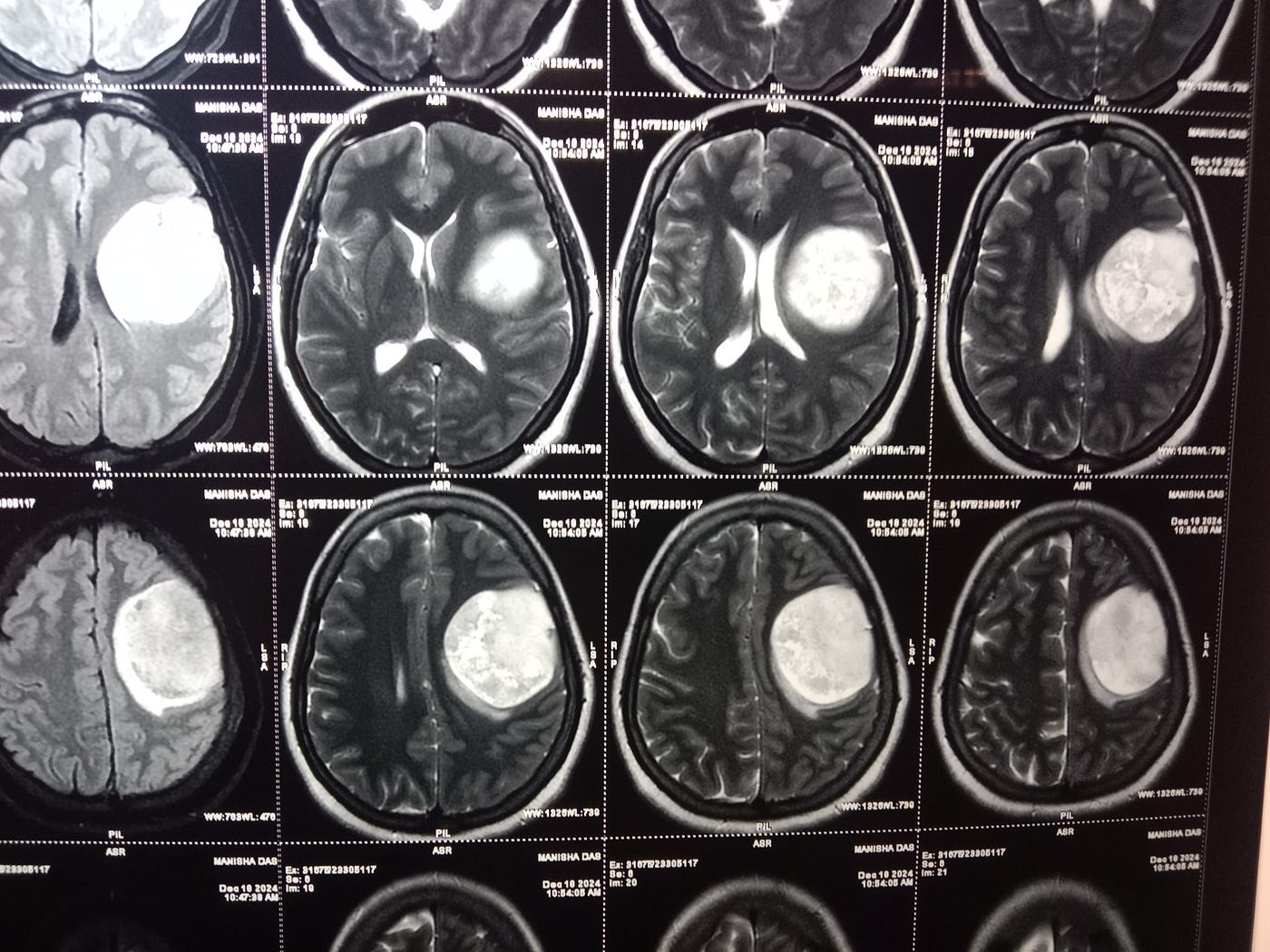
Openness at the table.
Hierarchy is an integral part of running a neurosurgical department. There needs to be a clear delineation of responsibilities and what’s…
Openness at the table.
Hierarchy is an integral part of running a neurosurgical department. There needs to be a clear delineation of responsibilities and what’s acceptable and what’s not to make the process streamlined. This is because the margin of error is very narrow in neurosurgical cases and many a times split second decisions, correct split second decisions can be the deciding factor between life and a vegetative state or even death. As important as is the speed of decision making, the correctness of the decision is where that quick consultation with a senior makes all the difference. Yes, hierarchy has an integral role in the functioning of a neurosurgical unit. I reaffirm.
Even at places where processes seem redundant, the redundancy is deliberate to minimise errors of omission rather than the errors of commission. And more often it’s the errors of omission that wreck havoc because during the performance of an act you have experienced seniors and assistants watching over your shoulder, ideally who’d raise an alarm at the slightest hint of danger.
That said, there are places where the hierarchy needs to desperately cease being toxic, like on the operating table. It should be relaxed, not abolished. Of course while operating, like cooking, too many hands can quickly turn the surgery sour. But there needs to be a freedom for open conversation regarding the case. And everybody’s interests needs consideration: in general! What that means is the operating surgeon’s interest is to get the patient better with as less a neurological deficit as possible. The assisting surgeons are there to learn. The assisting sister’s a mix of both. And the egos need to be dropped at the door and mean lambasting for asking questions need to stop.

How some neurosurgeons behave at the operating table!
The first example I want to speak of is Dr X, a great surgeon. I was a big fan of his surgeries. I realised that surgery can be art by assisting and observing him. But he’s uptight and keeps you at the edge of your seat. In his head his behavior is justified as it in some convoluted way is supposed to make you better. So the 1st one year I loved going to his surgeries as there was a lot to learn merely by observation. However, over time as an assistant the take away for me from his surgeries dwindled. His constant nagging and cruel criticisms left me blue at the end of the day and just piled onto the already stressful residency. It left me with little to no energy to focus on anything else after the case. Secondly, he made everything possible to make the energy drain not even worth it. Dr X is known to not let you do any of even the preliminary steps of surgery. I was ok with that. I wasn’t in his theatre for operative chances. I was in his theatre because, as I said before I was a fan of his surgery, which to me was art. Yet i did not find myself making any progress towards a similar style because it was never taught. It was assumed by him that whatever is to be learnt shall be learnt by observation. And certainly an insecurity that ‘if I teach all that I have to teach I wont be respected any more’. Either way, I dint have the freedom to ask him how something was being done, lest be bombarded with a million counter questions or disparaging remarks. Even if he had just made me a part of his pre-op evaluation and told me his justifications for deciding on a certain approach, I’d still be satisfied and eagerly await the next case to assist him. But what broke the camel’s back for me was in the fag end of third year when I assisted him for a case, a CP angle schwanomma. The patient’s wife was extremely anxious. The patient himself was a gentleman. Craniotomy revealed a tense dura with cerebellar bulge by midway of tumor decompression. I feel the sacrifice of the petrosal vein may have led to cerebellar edema mid surgery, but that’s just a guess. I conveyed to him over phone during closure that there was too much cerebellar bulge and if I should discard the bone. He dismissed me and asked me to place it in fragments. Immediate post op scan i pointed out to him that the ventricle size seems to have increased, should we consider elective sedation and ventillation, but he pushed for an extubation despite the anesthetists request, and I suspect because of the anaesthetists mistake. Surgeons get egoistic and often change their own plan when the same is suggested by someone else just to send a message that “I don’t take orders from no one”. The patient finally herniated early morning the next day and a subsequent EVD made no difference. The patient died. I was sad as it was avoidable.
Another example was when I was assisting Dr Y. Dr Y is a no nonsense old timer teacher who is adept at drawing boundaries. He gives you very clear instructions the first time and if you mess up, there’s no second chance. The punishment is quick and precise. I still have PTSD when I meet him although he is friendlier now that I don’t work under him. The case in question was a C3–4 osteolytic lesion and the plan was tumor decompression and 360 degree fusion. We started with the posterior approach. While on the left side, side of the dominant vertebral artery. The consultant showed me the vertebral artery and was decompressing the tumor around it. At one point I saw the vertebral artery hanging in thin air and had an urge to point it out, but i was too afraid to open my mouth as he’s the type who’d appreciate your silence, period. Also, if i pointed at it ands wrong, I’d hear an earful on how I’m ‘always sleeping in the OT’, or ‘I’m not surprised by your incompetence’ or something worse. And as fate would have it i saw him grab the flimsy strand while decompressing bone sending a spurt of blood that hit the roof. He immediately placed a finger on it and arrested the bleed. I understood how it happened although the official version was that the artery must’ve been adherent to the bone being yanked and torn off accidentally. I’m sure he realised it too. But no one spoke about it. Fortunately, the bleed was controlled and the child dint suffer any brain stem infarcts due to collaterals from the opposite side as seen on DSA.
The incident really got me thinking there needs to be approval for open conversation and questioning on the table. People should be given the freedom to speak and ask doubts and point out something they may think is relevant without fearing ridicule. Surgeons claim to have Lion hearts. Sadly, it boils down to the ‘lion and the mouse’ story from childhood. You never know when a particular input may be useful even if it is from that resident rat.
메타데이터
- post_id
- 7e0ed4fe63e5
- slug
- openness-at-the-table-7e0ed4fe63e5
- url
- https://medium.com/@sanjayhm/openness-at-the-table-7e0ed4fe63e5
- canonical_url
- https://medium.com/@sanjayhm/openness-at-the-table-7e0ed4fe63e5
- author_url
- https://medium.com/@sanjayhm
- status
- ok
- fetched_at
- 2026-07-21 11:34:48