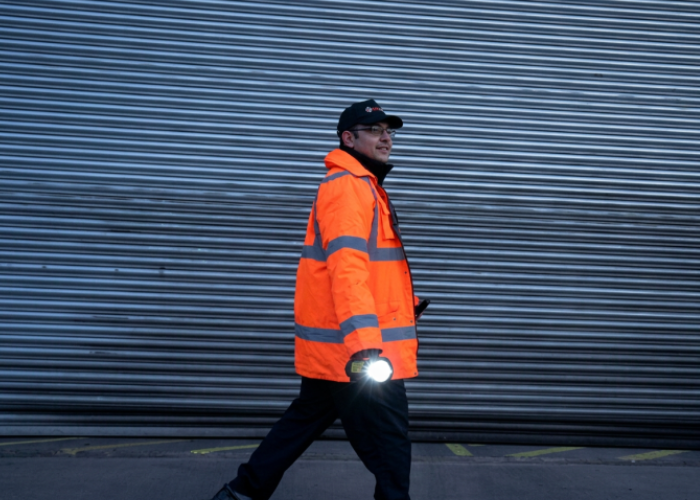
The Security Balancing Act Behind Student Accommodation
Why securing a student residence takes a different kind of thinking — and why getting it right matters more than people realise.
The Security Balancing Act Behind Student Accommodation
Why securing a student residence takes a different kind of thinking — and why getting it right matters more than people realise.
Student accommodation is one of the more complex environments to secure. Not because the risks are always dramatic, but because the setting creates a unique tension that most security operations don’t have to navigate.
On one side, you have a large number of young people living independently, often for the first time, in a shared residential environment. On the other, you have a duty of care that requires those spaces to be safe, well managed, and properly protected.
The student accommodation security challenges that come with that combination are specific and layered. They’re worth understanding properly whether you manage a single hall of residence or a large portfolio of student properties.
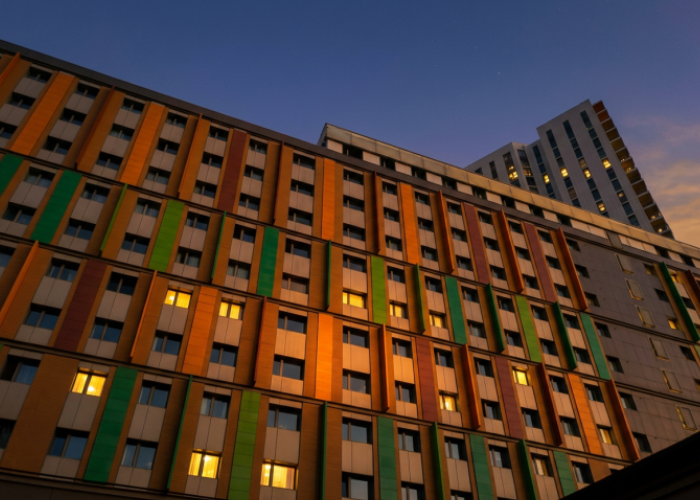
Behind every lit window is a resident who deserves to feel safe — student safety and security starts with the right plan
Why Student Accommodation Security Risks Are Different
Student residences aren’t offices or hotels. They’re homes. That changes the nature of the security operation considerably.
The risks in these environments tend to centre around a few recurring themes:
- Unauthorised access — shared entrances, propped doors, and a culture of letting people in without question all create vulnerabilities that are much harder to manage in a residential setting than in a controlled commercial one
- Theft — bikes, laptops, and personal belongings left in communal areas are frequent targets. The high turnover of residents means the window between someone moving out and a new tenant moving in can create its own exposure if access control isn’t properly managed
- The social side of student life — late night activity, guests staying over, and gatherings are all a normal part of the environment. Managing those situations without creating an atmosphere that feels oppressive or unwelcoming is one of the more nuanced student accommodation security challenges a management team will face
How to Optimise Security in Student Accommodation
There’s no single answer here. The right approach depends on the size and layout of the property, the profile of the residents, and the specific risks the site faces. That said, a few principles tend to apply across the board.
Access control is foundational. Every entry point needs to be managed consistently. That includes the main entrance, side doors, car park access points, and any communal areas that connect to the wider building. Student accommodation access control works best when it’s built around the actual movement patterns of residents rather than what looks good on a plan.
Out of hours coverage matters too. The risk profile of a student residence shifts significantly after midnight. Reduced staffing, higher footfall from social activity, and the presence of guests who aren’t residents all create conditions that need to be thought through carefully as part of student accommodation security planning.
Regular patrols of communal areas help maintain visibility. That includes stairwells, laundry rooms, bike stores, and car parks. They can also make it easier to identify unusual activity without making residents feel like they’re living in a controlled environment.
Student Accommodation Visitor Management
One of the more specific challenges in student residence security is managing visitors. Unlike a workplace or hotel security setting, student accommodation has to balance residents’ right to have guests with the need to understand who is on the premises at any given time.
A clear visitor management policy is essential. That means a consistent process for registering guests, a defined limit on how long visitors can stay, and a way of ensuring that access to residential floors is restricted to those who should be there.
This doesn’t need to feel heavy handed. A well briefed reception or concierge presence, combined with a straightforward sign in process, can manage visitor access effectively without creating friction for residents going about their normal lives.
Contractor access needs the same level of attention. Maintenance teams, cleaning staff, and external contractors all need to be properly vetted, signed in, and escorted where appropriate.
Why Communal Areas Require Particular Attention
Communal areas carry a particular risk in student accommodation. They’re shared by a large number of people, often at all hours, and can be difficult to monitor consistently.
Student safety and security in these spaces relies on a combination of physical measures and human presence. Good lighting, working CCTV, secure storage for bikes and valuables, and clearly marked emergency procedures all form part of the picture.
The human element is just as important. Staff and security personnel who are visible, approachable, and genuinely engaged with the residential community are far more effective than a purely enforcement led approach. Students are more likely to report concerns, flag suspicious behaviour, and follow procedures when they feel the security team is there to support them rather than police them.
That relationship takes time to build. It’s also one of the things that makes student accommodation security different from securing a commercial property.
Security Measures for Student Accommodation: What a Solid Plan Looks Like
Effective student residence security measures tend to share a few characteristics. They’re proportionate to the risk. They’re communicated clearly to residents so people understand what’s in place and why. They’re also reviewed regularly as the property evolves and the resident population changes.
A solid plan typically covers:
- Access control across the whole site — not just the main entrance but side doors, service entrances, and communal areas
- Out of hours protocols — clear procedures for managing the site overnight when staffing is reduced and activity patterns shift
- A visitor management policy — a consistent process for registering guests and ensuring residential floors are accessible only to those who should be there
- Regular patrols of communal and external areas — stairwells, car parks, bike stores, and laundry rooms all need to be covered consistently
- An incident logging and escalation process — so that patterns can be identified and acted on rather than each issue being treated in isolation
- Seasonal planning — the start of the academic year and the end of year move out period both carry elevated risk and need specific resource and attention
Getting Student Accommodation Security Right
The student accommodation security challenges in this sector are real. But they’re also manageable with the right approach in place.
What works best is a setup that takes the duty of care seriously without losing sight of the fact that these are people’s homes. Security that is visible, consistent, and well planned. A team that understands the environment and can engage with residents as well as manage risk.
Student accommodation done well gives residents confidence that the place they’re living is safe and well looked after. It helps residents feel settled, supports the property’s reputation, and supports effective long‑term management.
메타데이터
- post_id
- 7e17fc2cdca3
- slug
- the-security-balancing-act-behind-student-accommodation-7e17fc2cdca3
- url
- https://medium.com/@Ari_RegionSecurityGuarding/the-security-balancing-act-behind-student-accommodation-7e17fc2cdca3
- canonical_url
- https://medium.com/@Ari_RegionSecurityGuarding/the-security-balancing-act-behind-student-accommodation-7e17fc2cdca3
- author_url
- https://medium.com/@Ari_RegionSecurityGuarding
- status
- ok
- fetched_at
- 2026-07-15 05:07:54