The Scientific Link Between Animal Protein and Lower Cancer Risk
A New Study Showing Animal Protein Lowers Cancer Risk
The Scientific Link Between Animal Protein and Lower Cancer Risk
A New Study Showing Animal Protein Lowers Cancer Risk
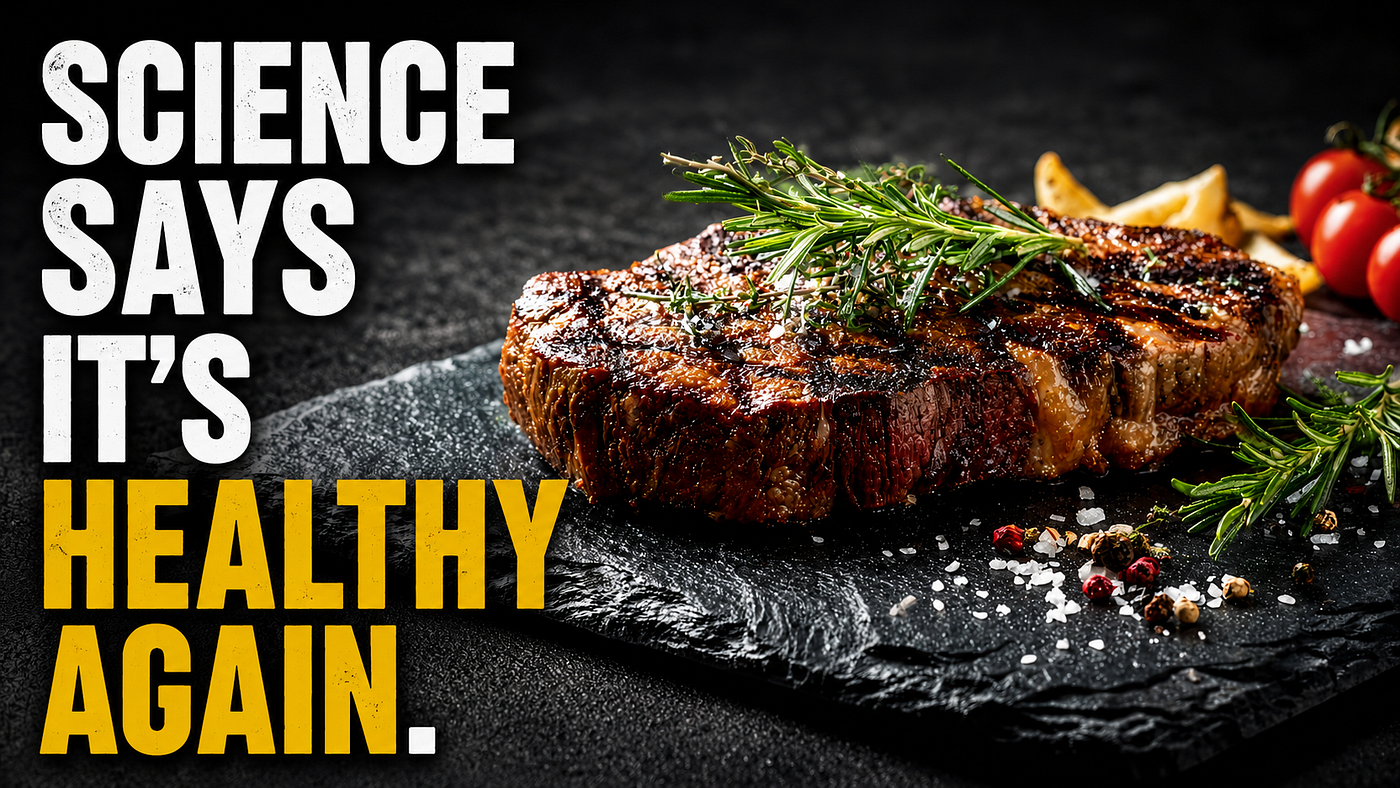
Meat has been called a cancer risk for decades. Now a new study says the opposite could be true. Could everything you’ve been told about red meat be wrong?
For more health and wellness information check out my YouTube Channel: https://www.youtube.com/@MyLongevityExperiment
A Warning You Have Heard for Years
You have probably heard it from a doctor, a headline, or a worried relative, red meat raises your cancer risk. That warning traces back to the World Health Organization’s cancer research arm, which classified red meat, including beef, pork, lamb and mutton, as probably carcinogenic to humans. Processed meats got an even harsher label, with bacon and sausages classified as definite carcinogens. That guidance rests on multiple studies linking red meat to colorectal cancer, which is why so much dietary advice tells you to cut back.
A Study That Flips the Script
Now picture a study that argues the reverse, that eating more animal protein could actually lower your risk of dying from cancer. That is exactly what researchers from Canada’s McMaster University found, reporting that people who consume more animal protein may have lower cancer mortality rates. The research, led by kinesiology professor Stuart Phillips, pulled data from nearly 16,000 adults using the National Health and Nutrition Examination Survey, NHANES III.
You will notice the researchers did not just glance at the numbers either, they leaned on advanced statistical methods, including the National Cancer Institute method and multivariate Markov Chain Monte Carlo modelling, to estimate long term dietary intake and reduce measurement error. McMaster NewsNutrition Insight
What The Numbers Actually Showed You
When you look closely at the results, the picture gets more interesting. The team found no associations between total protein, animal protein, or plant protein and risk of death from any cause, cardiovascular disease, or cancer. Even when both protein sources were analyzed together, the pattern held, with plant protein showing minimal impact on cancer mortality while animal protein appeared to offer a small protective effect. One outlet summarizing the findings put a number on that protective link, noting that each additional gram of animal protein was tied to a 5% lower cancer death risk in the dataset. EurekAlert! + 2
Follow The Money Before You Follow the Headline
Before you change what is on your plate tonight, you should know who paid for this research. The study was funded by the National Cattlemen’s Beef Association, America’s leading beef industry lobbying group, though the study authors stated that the sponsor had no role in the study design, data collection, analysis, interpretation, or manuscript preparation. That disclosure does not automatically make the science wrong, but it is exactly the kind of detail you should weigh before drawing conclusions. StudyFindsEurekAlert!
One Big Category Can Hide a Lot
Here is where the study runs into a real limitation, and it is one you should keep in mind. By grouping all animal proteins together, the research may have picked up the protective effects of fish and certain dairy foods rather than proving red meat itself is safe. Dairy alone complicates the picture further, since some research suggests it lowers colorectal cancer risk while potentially raising prostate cancer risk. That kind of mixed evidence shows you how a broad label like animal protein can blur meaningful differences between food types.
Processed Meat Is Not the Same as a Fresh Cut
You also need to notice what the researchers did not separate out. Crucially, they did not distinguish between processed and unprocessed meats, a distinction that countless other studies have shown to be essential. Processed meats such as bacon, sausages, and deli meats consistently carry higher cancer risks than fresh, unprocessed cuts, so lumping them together with a steak or a fish fillet, risks flattening a real and important difference.
Why This Does Not Settle the Debate for You
None of this means the study is worthless, but it does mean you should read the conclusions carefully. The research is observational, so it can show patterns without proving that animal protein directly causes lower cancer mortality. Phillips himself acknowledged the confusion around protein guidance, saying “there’s a lot of confusion around protein, how much to eat, what kind and what it means for long term health,” and that the study was meant to add clarity for anyone trying to make informed, evidence based decisions about what they eat.
Lead author Yanni Papanikolaou struck a similar note, arguing that “when both observational data like this and clinical research are considered, it’s clear both animal and plant protein foods promote health and longevity.” McMaster News + 2
What This Means for Your Plate
So where does this leave you? The safest takeaway is not that bacon is suddenly a health food, it is that nutrition science rarely gives you a single villain or a single hero. Fresh, unprocessed animal protein sits in a very different category than processed meat, and the type of animal protein you choose likely matters more than whether you eat it at all.
Balance, variety, and a preference for whole, minimally processed foods remain the most defensible strategy while researchers keep untangling these associations.
메타데이터
- post_id
- 7e6618d7edf5
- slug
- the-scientific-link-between-animal-protein-and-lower-cancer-risk-7e6618d7edf5
- url
- https://medium.com/@mylongevityexperiment/the-scientific-link-between-animal-protein-and-lower-cancer-risk-7e6618d7edf5
- canonical_url
- https://medium.com/@mylongevityexperiment/the-scientific-link-between-animal-protein-and-lower-cancer-risk-7e6618d7edf5
- author_url
- https://medium.com/@mylongevityexperiment
- status
- ok
- fetched_at
- 2026-07-18 09:37:53