Why the USMCA Trade Deal Freeze Will Hit Your Wallet
The White House just let America’s biggest trade deal expire — and the real target isn’t Canada or Mexico
Why the USMCA Trade Deal Freeze Will Hit Your Wallet
The White House just let America’s biggest trade deal expire — and the real target isn’t Canada or Mexico
Your grocery bill is about to get hit by a geopolitical freight train, and almost no one is talking about it. The White House has officially refused to renew the USMCA, the trade agreement that governs nearly $2 trillion in annual commerce between the US, Canada, and Mexico.
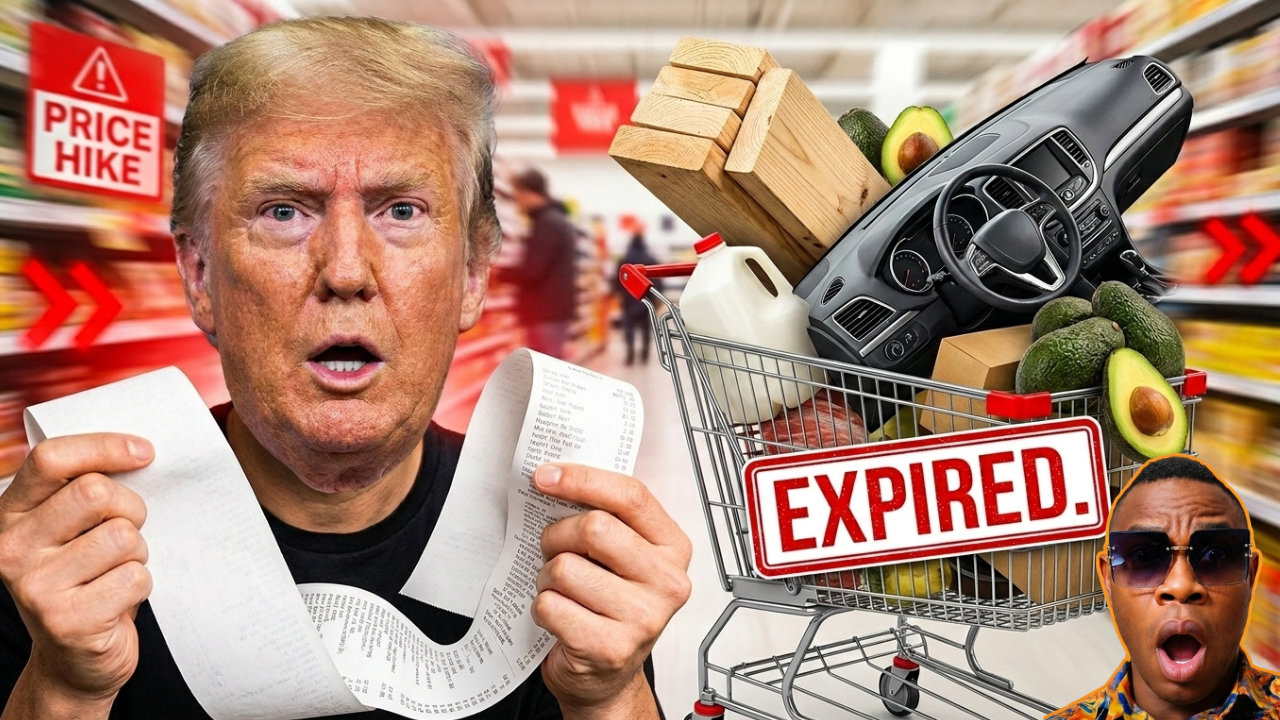
If you thought inflation was bad last year, wait until you see what this decision could do to the price of a new car, your weekly grocery run, or a basic sheet of plywood. But there’s a hidden reason behind this shutdown that isn’t making the evening news, and it has nothing to do with a fight between neighbors.
Here’s what actually happened, why it matters for your wallet, and the real motive sitting underneath the headlines.
The USMCA Deadline That Changed Everything

July 1st was the official deadline for renewing the USMCA. Canada and Mexico came to the table wanting a clean, sixteen-year extension that would have kept trade rules stable and predictable through 2042.
The US said no.
Instead of the automatic renewal, the administration pulled the plug entirely, triggering a wave of economic uncertainty that’s now expected to run all the way until 2036. The official reason: skyrocketing trade deficits. The White House argues that Canada and Mexico are eating America’s lunch while domestic manufacturing jobs keep slipping across the border.
The bottom line: the biggest trade deal in North America no longer has a stable future, and that instability is the whole point.
How This Actually Hits Your Wallet
This isn’t an abstract policy fight. It comes down to three concrete pressure points on everyday spending.
1. Groceries
The US imports the overwhelming majority of its winter fruits and vegetables from Mexico. If free trade terms lapse and tariffs kick in, the produce aisle takes a direct hit. This is the fastest, most visible way the average household will feel this shift.
2. Housing
A large share of America’s construction lumber comes straight from Canada. If that supply chain stalls or gets taxed at the border, building a new home or even repairing an existing one gets meaningfully more expensive.
3. Cars
Auto parts routinely cross North American borders multiple times before a vehicle is finished being built. Disrupt that back-and-forth flow, and you threaten to spike the price tag on your next car.
Groceries, housing, and cars: the three biggest line items in most household budgets are all exposed at the same time.
The Real Target Isn’t Canada or Mexico
Here’s the twist most coverage is missing. This isn’t actually a fight with Canada or Mexico. It’s a proxy war with China.
Over the past few years, Chinese manufacturers found a workaround to heavy US tariffs: ship components to Mexico, assemble them there, and slide the finished product across the US border completely duty-free under existing USMCA rules. It’s a loophole, and it’s been quietly draining the effectiveness of America’s China tariffs for years.
The White House isn’t refusing to renew the deal because of Canada or Mexico. It’s refusing to renew it to force a shutdown of the Chinese backdoor loophole running through the USMCA.
The administration is willing to risk a domestic price spike on groceries, housing, and cars if it means pushing that manufacturing back onto American soil.
The US isn’t fighting its neighbors over this trade deal. It’s fighting China through them.
The Trade-Off Nobody Can Avoid
This leaves the country stuck in a genuine economic bind, and it’s one without a clean answer.
On one side, the administration is using serious leverage to protect American factories from a loophole that’s been letting foreign manufacturers dodge tariffs for years. On the other side, everyday consumers are the ones left holding the bag if prices climb on basic necessities in the meantime.
The White House’s bet is that this uncertainty forces companies to build in America. Critics call it a hidden tax on ordinary households. Both things can be true at once, and that’s exactly what makes this hard to have a simple opinion about.
Where This Leaves Us
The USMCA’s automatic renewal is dead, replaced by a decade of uncertainty stretching to 2036. The stated reason is trade deficits. The real reason is closing a Chinese tariff loophole that’s been quietly undermining US trade policy for years. And the bill for that fight is likely to show up in grocery carts, lumber yards, and car dealerships long before it shows up in any factory reopening.
Are you willing to pay more at the grocery store if it means protecting domestic manufacturing, or does this just look like a tax on your wallet dressed up as strategy? Drop your take in the comments, and follow along as this story develops.
메타데이터
- post_id
- 7e79e0a0b1db
- slug
- why-the-usmca-trade-deal-freeze-will-hit-your-wallet-7e79e0a0b1db
- url
- https://medium.com/@ndifreke.page/why-the-usmca-trade-deal-freeze-will-hit-your-wallet-7e79e0a0b1db
- canonical_url
- https://medium.com/@ndifreke.page/why-the-usmca-trade-deal-freeze-will-hit-your-wallet-7e79e0a0b1db
- author_url
- https://medium.com/@ndifreke.page
- status
- ok
- fetched_at
- 2026-07-08 21:56:07



