Exploring the Frontiers of Neurology: Understanding the Brain’s Mysteries
Exploring the Frontiers of Neurology: Understanding the Brain’s Mysteries
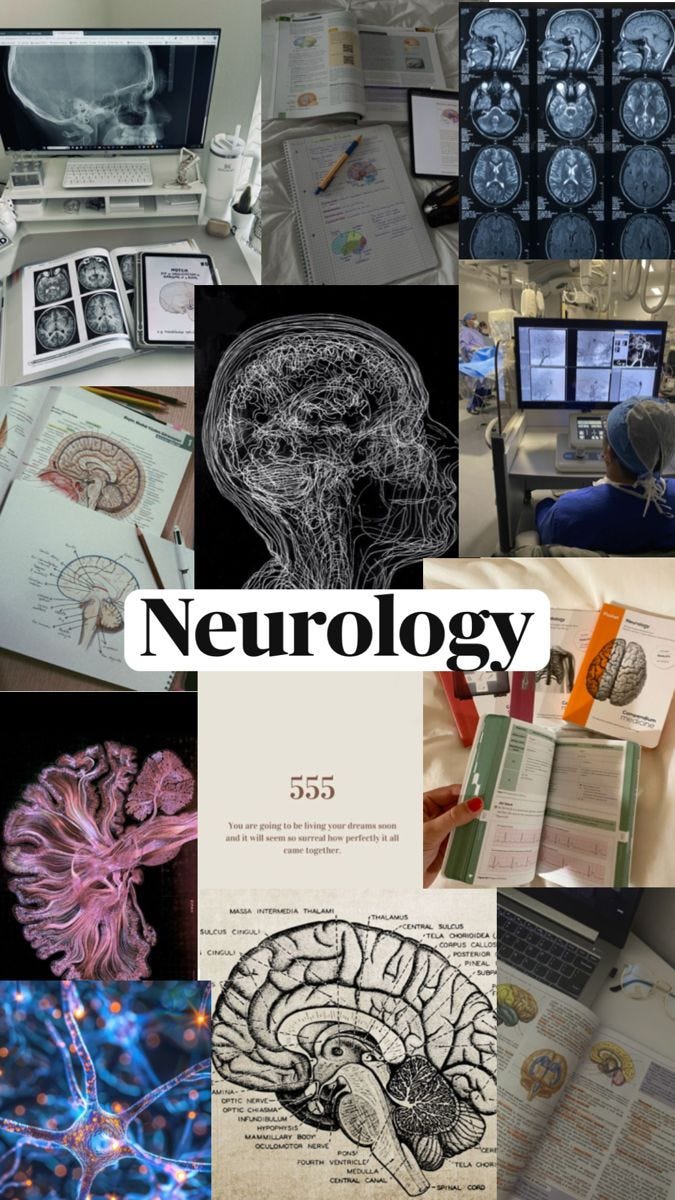
The human brain, weighing just about three pounds, is the most complex organ in the body. It orchestrates everything from our simplest reflexes to the most intricate thoughts, emotions, and behaviors. Neurology, the branch of medicine dedicated to studying the nervous system, continues to unravel the secrets of this remarkable organ, with profound implications for health, technology, and our understanding of consciousness.
The Structure and Function of the Brain
The brain consists of approximately 86 billion neurons, each forming thousands of synaptic connections. These neurons communicate via electrical and chemical signals, forming intricate networks that underlie every human experience. Neurologists study both the macroscopic structures — such as the cerebral cortex, cerebellum, and brainstem — and the microscopic cellular architecture to understand how the brain operates under normal and pathological conditions.
Key structures include:
- Cerebral Cortex: Responsible for higher cognitive functions like decision-making, language, and sensory perception.
- Hippocampus: Central to memory formation and spatial navigation.
- Basal Ganglia: Coordinates movement and plays a role in learning routines.
- Amygdala: Processes emotions, particularly fear and pleasure.
Advances in Neuroimaging
Technological innovations have transformed neurology over the last few decades. Techniques like functional MRI (fMRI), diffusion tensor imaging (DTI), and positron emission tomography (PET) allow researchers to visualize brain activity in real-time, map neural pathways, and study disorders with unprecedented precision. These tools have revealed that the brain is not a static organ but highly plastic, capable of rewiring itself in response to experience, learning, and injury — a phenomenon known as neuroplasticity.
Neurological Disorders: From Understanding to Intervention
Neurology bridges basic science and clinical medicine, particularly in the study and treatment of disorders. Some of the most studied conditions include:
- Alzheimer’s Disease: Characterized by progressive memory loss, linked to amyloid plaques and tau protein tangles in the brain.
- Parkinson’s Disease: A movement disorder arising from degeneration of dopamine-producing neurons in the substantia nigra.
- Epilepsy: Abnormal electrical activity in the brain causes recurrent seizures.
- Multiple Sclerosis (MS): An autoimmune condition where the immune system attacks the myelin sheath, impairing neuronal signaling.
Recent research is exploring gene therapies, neuroprotective drugs, and advanced neuromodulation techniques like deep brain stimulation (DBS) to manage or potentially reverse neurological damage.
Cutting-Edge Research and the Future of Neurology
Modern neurology increasingly intersects with other disciplines, such as artificial intelligence, genetics, and bioengineering. Some exciting frontiers include:
- Brain-Computer Interfaces (BCIs): Devices that translate neural activity into commands for prosthetics or communication devices, restoring function for patients with paralysis.
- Neurogenetics: Identifying genetic variants associated with neurological disorders, enabling personalized medicine approaches.
- Neuroinflammation Research: Understanding how inflammation contributes to neurodegenerative diseases and developing targeted therapies.
- Consciousness Studies: Investigating the neural correlates of consciousness to answer one of science’s most profound questions: what is the neural basis of awareness?
Conclusion
Neurology stands at the intersection of curiosity, innovation, and human need. From mapping neural circuits to developing therapies for debilitating diseases, the field continues to challenge our understanding of the brain while offering hope for millions affected by neurological conditions. As we push the boundaries of neuroscience, one truth becomes clear: every discovery is a step closer to unlocking the deepest mysteries of the human mind.
메타데이터
- post_id
- 7e8a6c7773d3
- slug
- exploring-the-frontiers-of-neurology-understanding-the-brains-mysteries-7e8a6c7773d3
- url
- https://medium.com/@curiousbysadhanjalife/exploring-the-frontiers-of-neurology-understanding-the-brains-mysteries-7e8a6c7773d3
- canonical_url
- https://medium.com/@curiousbysadhanjalife/exploring-the-frontiers-of-neurology-understanding-the-brains-mysteries-7e8a6c7773d3
- author_url
- https://medium.com/@curiousbysadhanjalife
- status
- ok
- fetched_at
- 2026-06-09 15:37:30






