The 20 Seconds Before You Speak
The room leans in or out before you say a word.
Deckcraft · Part 5 of 5
The 20 Seconds Before You Speak
The room leans in or out before you say a word.

You haven’t made a point yet, and the room is already deciding. That’s the slide that matters most.
Before you say a word, the room has already started deciding.
Your first slide is up. You haven’t made a single point yet. But in the first twenty seconds, before your opening sentence even lands, people are quietly choosing whether to lean in or reach for their phone.
And here’s what most decks do with those twenty seconds. A title. A logo. An agenda. A “quick bit about us before we dive in.” We spend the single most valuable moment we’re going to get warming up.
Steal this from screenwriters
Television has a name for the fix. The cold open. The scene before the title sequence, the one that drops you into something and makes you need to know what happens next.
Great shows don’t open on credits and a table of contents, they invariably open on a moment.
Your first slide is a cold open, whether you treat it like one or not. I call it the cold-open slide: the frame you set before you’ve said anything, the one that decides whether the room wants your second slide at all.

A title tells them what this is. An opening makes them want to know more. Only one earns slide two.
The one I almost didn’t use
When I built the deck for my own studio, the obvious first slide was the name and what we do. Clean, expected, safe. I cut it.
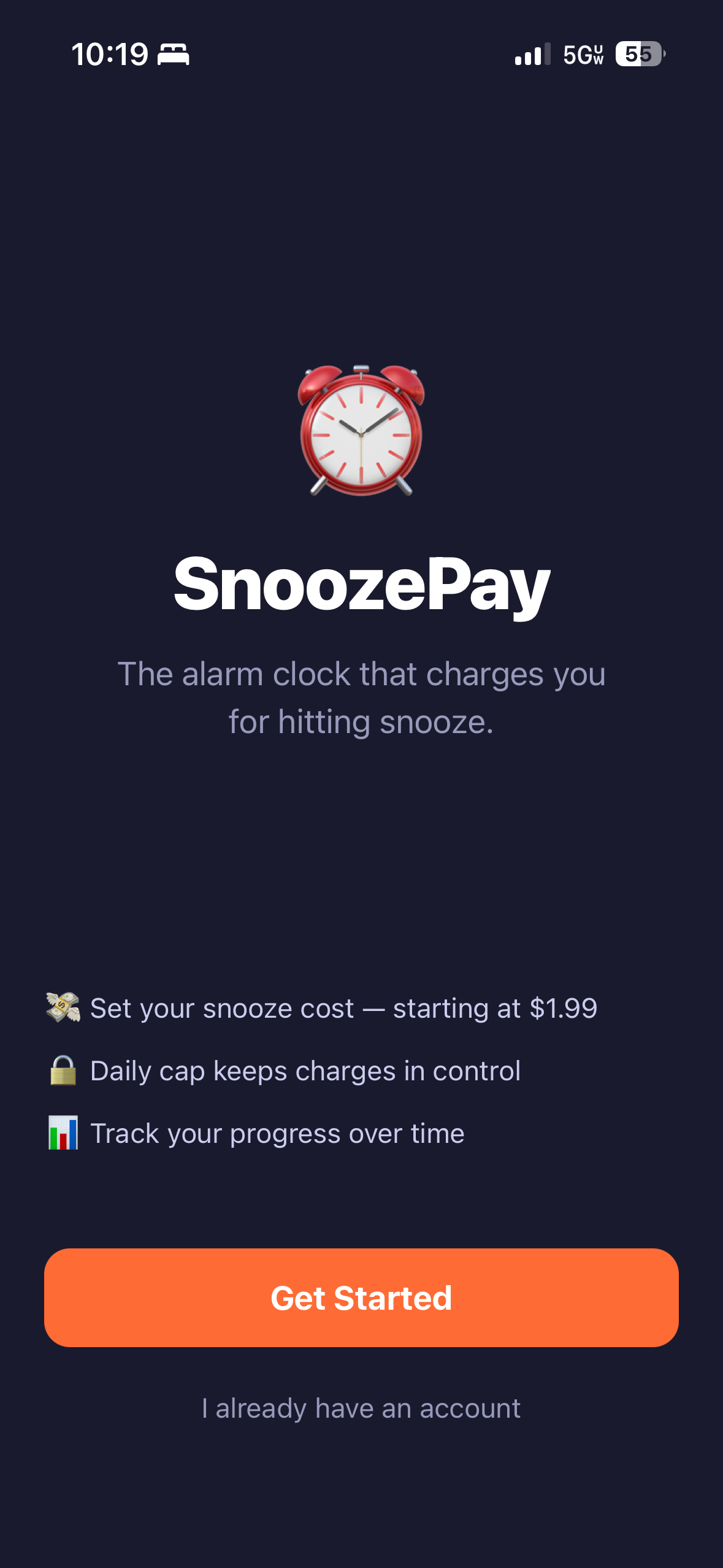
The slide I opened on said one thing:

My actual first slide. No logo, no agenda, just a line the room needed explained.
No logo. No agenda. Just a provocation the room couldn’t help but want explained. By the time I got to who we are, they were already leaning in, because the cold open had bought me the right to be heard.
How to build one
Open on the sharpest thing you have. Your best number, your hardest truth, a scene the room recognizes, the question they’re already asking in their heads. Whatever makes them need the next slide.
Cut the throat-clearing. The title, the agenda, the “about us,” it can all come after you’ve earned attention. None of it earns attention.
And make the first slide a promise the deck keeps. A cold open sets up a payoff. The rest of your deck has to be that payoff.
One caution
A cold open is not a cheap trick. A provocation you don’t pay off is worse than a boring title, because now you’ve spent trust and handed back nothing.
The opening has to be true, and it has to connect to everything after it. Earn the attention, then honor it.
The whole series, in one line
This is the last part of Deckcraft, so let me close the loop.
Across five pieces the through-line has been a single idea: a deck is not a slideshow. It’s a conversation you’re having with a room, often when you aren’t even there.
It has to answer the real question, not a decorative one (Part 1). It has to earn belief before it claims anything (Part 2). It has to make someone feel one true number, not report a dozen (Part 3). And it has to survive being read without you, sometimes by a machine first (Part 4).
All of that starts in the first twenty seconds. If the cold open fails, nobody is still around for the rest.
The reframe
So before your next deck, look hard at slide one. Not at whether it’s polished. At whether it earns slide two. If someone saw only that first slide and nothing else, would they lean in, or would they already be gone?
Make the first twenty seconds worth the next twenty minutes.
That’s a wrap on Deckcraft. Thank you for reading the whole series.
And I’m curious: what’s the cold open you’d put on slide one of your deck? Tell me in the responses.
메타데이터
- post_id
- 7ea34f953f0d
- slug
- the-20-seconds-before-you-speak-7ea34f953f0d
- url
- https://medium.com/design-bootcamp/the-20-seconds-before-you-speak-7ea34f953f0d
- canonical_url
- https://medium.com/design-bootcamp/the-20-seconds-before-you-speak-7ea34f953f0d
- author_url
- https://medium.com/@vishalme
- status
- ok
- fetched_at
- 2026-07-07 02:51:59