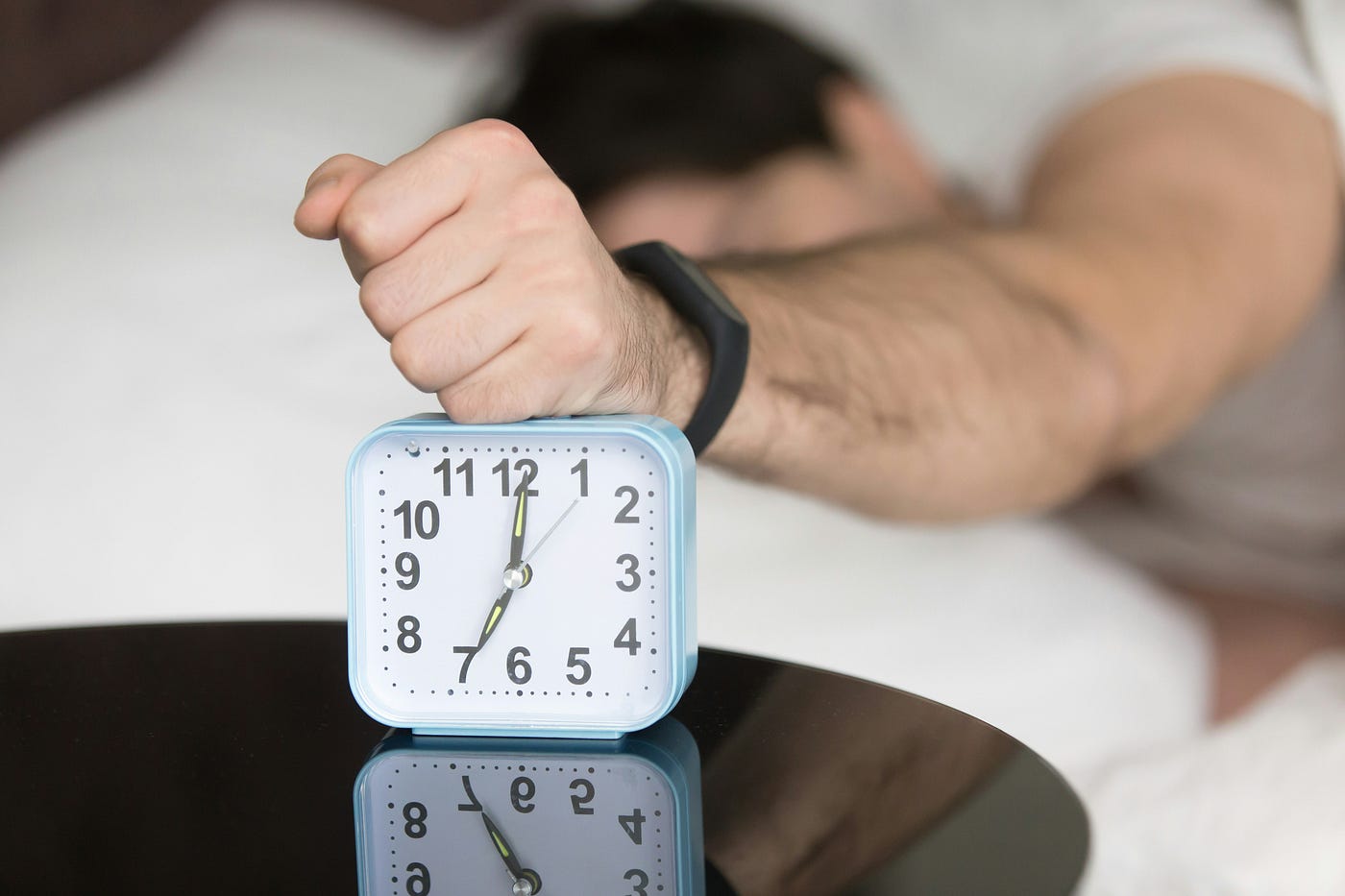
Korean Medicine 101 #45: The Afternoon Crash — Why Energy Collapses at 2–5 PM and How to Prevent It
For many people, the day splits in two.
Korean Medicine 101 #45: The Afternoon Crash — Why Energy Collapses at 2–5 PM and How to Prevent It

For many people, the day splits in two.
Morning is manageable. But between 2 and 5 PM, energy drops hard:
- eyelids get heavy
- focus disappears
- cravings spike
- mood narrows
- coffee feels necessary, but then sleep gets worse later
This is not just a willpower problem. It is usually a rhythm problem: sleep pressure, caffeine timing, meal composition/timing, stress load, and movement pattern colliding in the same window.
In Korean Medicine terms, afternoon crash often reflects mixed instability:
- depletion (insufficient recovery reserve),
- digestive dysregulation (post-meal heaviness),
- or reactivity cycles (overdrive → drop).
This episode gives you a practical map and a 7-day prevention protocol.
1) Why 2–5 PM is a vulnerable window
This time block is where several forces overlap:
- Natural circadian dip (normal, but magnitude varies)
- Post-lunch digestive load (meal size/composition + pace)
- Caffeine dynamics (rebound or late rescue use)
- Cognitive fatigue accumulation (decision load since morning)
- Low movement (long sitting blocks reduce alertness)
If your baseline is already fragile (poor sleep, stress overload), the dip becomes a crash.
2) Four common crash patterns
Pattern A: Sleep-debt crash
Clues
- wake unrefreshed
- heavy sleepiness mid-afternoon
- better briefly after caffeine, worse in evening
- frequent “second wind” at night
Priority
Fix nighttime recovery first; afternoon is downstream.
Pattern B: Post-lunch digestive crash
Clues
- sleepiness/heaviness 30–90 minutes after lunch
- bloating/fullness + brain fog
- worse after large, dense, rushed meals
Priority
Adjust lunch load, pace, and post-meal movement.
Pattern C: Caffeine rebound crash
Clues
- strong morning caffeine reliance
- sharp dip when stimulant effect fades
- repeated top-ups needed
- nighttime sleep onset worsens
Priority
Re-time and reduce caffeine volatility.
Pattern D: Stress-overdrive crash
Clues
- high output until early afternoon
- sudden drop in focus/mood
- irritability + tension + shallow breathing
- craving sugar/caffeine to continue
Priority
Insert pre-crash recovery breaks before collapse begins.
3) The most common mistakes
- skipping or delaying first meal, then overeating lunch
- eating lunch too fast while working
- no daylight/movement break before crash window
- using caffeine as a 3–5 PM rescue
- treating crash with sugar, then repeating the cycle
- blaming personality instead of physiology
4) The 7-day Afternoon Crash Prevention Protocol
Anchor 1: Protect the morning setup
- consistent wake-time window
- first meal at a consistent time
- front-load hydration earlier in day
If mornings are chaotic, afternoons usually collapse.
Anchor 2: Rebuild lunch for stability
For 7 days, lunch should be:
- moderate portion (not maximal)
- slower pace (especially first 10 minutes)
- less greasy/heavy during workdays
- followed by a 10-minute walk
This reduces post-lunch sedation and fog.
Anchor 3: Caffeine boundary strategy
- keep caffeine earlier (set a cut-off)
- avoid late-afternoon rescue caffeine
- if needed, reduce dose volatility rather than sudden extremes
Goal: stable alertness, not repeated spikes.
Anchor 4: Pre-crash interrupt (1:30–2:30 PM)
Before your usual crash time:
- 5–10 minutes brisk walk or mobility
- brief breathing reset (longer exhale)
- stand, stretch chest/hip flexors, reset posture
Preventive interruption works better than emergency rescue at 4 PM.
Anchor 5: Smart snack rule (if needed)
If genuine hunger appears, choose a simple structured snack; avoid high-sugar spikes alone.
Use snack as stabilization, not stimulation.
Anchor 6: Protect evening to protect tomorrow
Afternoon crash prevention fails if evening is overloaded:
- earlier/lighter dinner
- reduced late stimulation
- keep sleep runway intact
Tomorrow afternoon starts tonight.
5) Copy-paste daily tracker (1 minute)
Afternoon Crash Log (Day __ / 7)
- Wake time: ___
- First meal time: ___
- Lunch time/size: light / moderate / heavy
- Post-lunch walk: yes/no
- Caffeine after cut-off: yes/no
- Crash intensity (2–5 PM, 0–10): ___
- Symptoms: sleepy / foggy / irritable / cravings / tension
- Recovery by evening: good / partial / poor
After 7 days, keep the 2 changes with strongest effect.
6) Korean Medicine interpretation (practical)
Afternoon crash is commonly:
- depletion (low reserve can’t sustain output),
- damp/heavy digestion (post-meal fog), or
- reactive overdrive (adrenalized push then drop).
So treatment logic is:
- stabilize rhythm,
- reduce digestive burden,
- smooth stimulation cycles,
- add strategic movement/downshift.
Not extreme detox. Not endless caffeine.
7) When to seek evaluation
Consider medical review if crashes are persistent/severe despite 2–4 weeks of stabilization, or if accompanied by:
- significant daytime sleepiness affecting safety
- snoring/apnea suspicion
- palpitations, dizziness, unusual sweating
- unexplained weight change
- mood symptoms impairing function
- concern for thyroid, anemia, glucose dysregulation, or other medical conditions
Closing
The afternoon crash is usually not random. It is a predictable systems failure in timing, load, and recovery.
Start with:
- consistent morning anchors
- lighter, slower lunch + post-meal walk
- caffeine boundary
- pre-crash movement reset
Do this for 7 days, and most people see meaningful change.
Next episode
Korean Medicine 101 #46: Travel and Jet Lag — How to Protect Sleep, Digestion, and Energy While Crossing Time Zones We’ll build a practical travel protocol for global readers, including pre-trip adjustment, in-flight rules, and first-72-hours recovery.
About the author
Jayoun Cho is a licensed Korean medicine doctor (KMD) practicing in Seoul, Korea, with 15 years of clinical experience. She studied Computer Science at Seoul National University and Korean Medicine at Kyung Hee University, and later trained in Counseling Psychology at Kyung Hee Cyber University.
[embed]조자연의 현대과학과 한의학 연구노트 : 네이버 블로그 Edit descriptionblog.naver.com
[embed]조자연의 브런치스토리 에세이스트 | 한의사, 그리고 글쓰는 사람. 진료실에서 시작된 이야기를 글로 옮기며 삶을 고치는 시간을 기록합니다.brunch.co.kr
메타데이터
- post_id
- 7ed38ccc8fe8
- slug
- korean-medicine-101-45-the-afternoon-crash-why-energy-collapses-at-2-5-pm-and-how-to-prevent-it-7ed38ccc8fe8
- url
- https://medium.com/@balanceorigin/korean-medicine-101-45-the-afternoon-crash-why-energy-collapses-at-2-5-pm-and-how-to-prevent-it-7ed38ccc8fe8
- canonical_url
- https://medium.com/@balanceorigin/korean-medicine-101-45-the-afternoon-crash-why-energy-collapses-at-2-5-pm-and-how-to-prevent-it-7ed38ccc8fe8
- author_url
- https://medium.com/@balanceorigin
- status
- ok
- fetched_at
- 2026-06-09 15:37:30