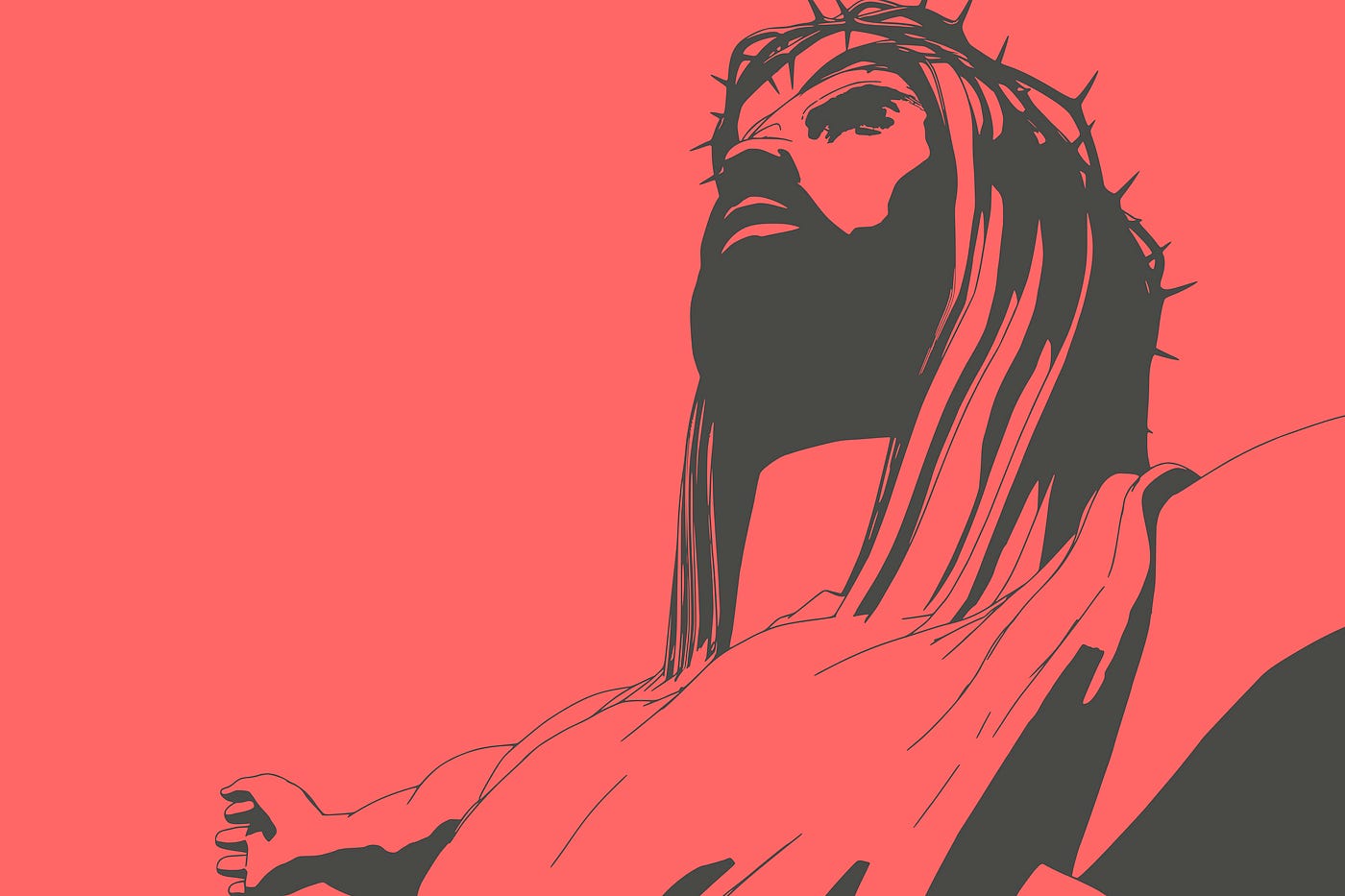
The Sacred Wound: Why Betrayal Is a Sign of Spiritual Awakening
There is a moment, often arriving without warning, when someone you trusted completely turns away from you. The ground beneath you shifts…
The Sacred Wound: Why Betrayal Is a Sign of Spiritual Awakening
Photo by Thomas Griggs on Unsplash
There is a moment, often arriving without warning, when someone you trusted completely turns away from you. The ground beneath you shifts. The version of reality you built together collapses. And in that raw, disorienting silence, something in you begins to crack open.
Most people call this pain. The spiritually awake call it initiation.
Betrayal is not random. It does not arrive by accident, and it does not leave you unchanged. In virtually every wisdom tradition that has survived the erosion of centuries, the great wound precedes the great transformation. The hero does not awaken in comfort. The shaman does not receive the gift before enduring the ordeal. The mystic does not arrive at union without first passing through darkness. Betrayal follows this same ancient logic. It is the universe removing a mirror and handing you a lantern.
The Collapse of the False Container
Consider what betrayal actually does to the inner world. It forces a confrontation with illusion. The person you believed in, the relationship you felt certain about, the story you had built your identity around, all of it gets exposed as something incomplete. This is not punishment. This is precision. The soul cannot grow inside a false container, and betrayal dissolves those containers with a ruthless, impersonal efficiency that no amount of self-reflection or therapy can fully replicate on its own.
We spend enormous energy constructing stability. We choose partners, build friendships, and invest in communities not only for love and connection, but also to confirm a particular story we are telling about who we are. When betrayal arrives, it does not simply damage the relationship. It challenges the entire narrative.
Suddenly, the person you believed yourself to be, the trusting one, the loyal one, the one who chose wisely, is called into question. That dissolution is terrifying. It is also liberating in a way that nothing comfortable ever could be.
The spiritual teacher Eckhart Tolle describes suffering as the result of clinging to forms, identities, and structures that consciousness has already outgrown. Betrayal is the universe’s most aggressive way of prying those structures loose. You cannot negotiate with it. You cannot intellectualize your way around it. You can only go through it, and in going through it, you arrive somewhere your former self was not capable of reaching.
The Shadow the Betrayer Carries
Carl Jung spoke at length about the shadow, the parts of ourselves we have buried, denied, and projected outward onto others. When someone betrays you, they are often acting as a carrier for the exact energy you refused to acknowledge within yourself. The controlling partner reveals your own hunger for control. The dishonest friend reflects the places where you have not been honest with yourself. The abandoner surfaces every wound of self-abandonment you never finished healing. The one who diminished you mirrors the voice inside that has been doing the same thing for years without your full awareness.
This is not a framework designed to excuse the behavior of the person who hurt you. What they did remains what it is. But at the level of the psyche, every significant relationship is also an interior conversation. The people we choose, and the ways we allow ourselves to be treated, are never fully separate from the unresolved architecture of our inner world.
Betrayal makes that architecture visible in a way that ordinary life rarely does.
When you stop asking only “how could they do this to me” and begin also asking “what was I unwilling to see,” the wound becomes a teacher rather than just a scar. That shift in question does not minimize the hurt. It multiplies the meaning.
The Initiatory Wound in Ancient Traditions
In shamanic traditions, there is a concept called the initiatory wound, an experience so devastating that it cracks the ordinary self wide open, allowing something deeper, wiser, and more essential to emerge. Indigenous healers across many cultures trace their gifts back to a specific breaking point. A loss, a betrayal, a shattering of the known world. The wound is not incidental to the calling. The wound is the doorway.
This same pattern echoes through the mythological record. Osiris is murdered and dismembered by his brother before resurrection. Chiron, the great healer of Greek myth, carries an unhealable wound that becomes the source of his wisdom. Inanna descends into the underworld, stripped of every symbol of power and identity, only to rise transformed. The message across all of these stories is consistent: you do not receive the depth of wisdom without first being cracked open by the depth of pain.
Modern culture does everything possible to bypass this process. We pathologize grief. We prescribe numbness. We offer endless distraction in place of genuine descent. But the wound does not disappear because we look away from it. It waits, embedded in the body, shaping choices from the unconscious, drawing similar dynamics into our lives until we are finally willing to sit with what it is actually trying to show us.
The Soul Contract Behind the Betrayal
Photo by Ahmad Odeh on Unsplash
There is a perspective, held across many metaphysical and spiritual frameworks, that the significant relationships in our lives are not entirely accidental. That at some level beyond ordinary awareness, the souls involved in our most formative encounters chose one another for reasons that transcend what the conscious mind can access. Within this framework, the person who betrayed you did not arrive randomly.
They carried a specific lesson, one your soul had enrolled in, and they delivered it with the kind of precision that only pain can produce.
This does not require you to feel grateful toward them while the wound is still fresh. It does not demand forgiveness as a performance or a spiritual obligation. It simply invites you to consider that the event holds more intelligence than it appears to. That the destruction it caused was clearing space for something more aligned with who you actually are and who you are still becoming.
When you can hold both truths at once, that what happened to you was genuinely painful and also purposefully catalytic, you step into the kind of consciousness that betrayal is ultimately trying to awaken. You move from victim to student. Not because victimhood is shameful, but because studenthood is where the power begins to return.
The Stages of Awakening Through Betrayal
The spiritual awakening that betrayal initiates often moves through recognizable stages. First comes the collapse: the grief, the anger, the disorientation, the questioning of everything you thought you knew. This stage deserves its full duration. Rushing past it is not strength. It is avoidance, and it will cost you later.
Then comes the excavation. The honest and often uncomfortable reckoning with what you ignored, what you tolerated beyond your own wisdom, and where your own inner compass had gone quiet. This is where the shadow work lives. This is where you stop rehearsing what they did and begin investigating what you were unwilling to know. Not to assign blame to yourself, but to reclaim the awareness you had surrendered.
Then comes the reconstruction. Not of the old life, but of something more truthful. This stage is quieter than the others. It does not announce itself. It arrives as a gradual return of your own instincts, a sharper sense of your own values, a decreased tolerance for dynamics that require you to make yourself smaller.
The person you become on the other side of a real betrayal is not the same person who entered it. They are more rooted. More discerning. More genuinely themselves.
What Betrayal Leaves Behind
People who have walked through a genuine betrayal and come out the other side are unmistakable. They carry a groundedness that was not there before. They have learned to trust their instincts because those instincts were once overridden at significant cost. They are less easily impressed, less desperate for external approval, and more capable of a love that does not require another person to hold them together.
They have also developed a particular quality of compassion, the kind that comes not from idealism but from having been broken open and choosing, after everything, to remain soft. That quality cannot be taught. It can only be earned through descent.
The wound did that. The betrayal, as brutal and destabilizing as it was, did that.
A Word to Anyone Still in the Rubble
Photo by Marcos Paulo Prado on Unsplash
If you are standing in the wreckage of a broken trust right now, do not rush to rebuild the old structure. Sit in the rubble long enough to notice what it is showing you. Ask yourself what you had been refusing to feel. Ask yourself what version of yourself you are finally being given permission to release.
The ground only breaks when something is ready to grow through it. The container only shatters when you have outgrown what it was holding. What is being asked of you is not to forgive and forget, but to wake up and remember who you were before you agreed to make yourself smaller for someone else’s comfort.
Betrayal is brutal. It is also, in the most ancient sense of the word, a form of grace. The grace is just wrapped in something almost unrecognizable at first.
Stay with it long enough to unwrap it.
If anxiety, overthinking, or the weight of the past have been pulling you out of your own life, The Timeless Way offers a different path. This eBook guides you through the spiritual practice of present-moment awareness — helping you release what no longer serves you, quiet the mental noise, and return to the grounded, peaceful version of yourself that exists beneath all the stories.
***Get your copy today and start living from the inside out.***
A Message from AI Mind

Thanks for being a part of our community! Before you go:
- 👏 Clap for the story and follow the author 👉
- 📰 View more content in the AI Mind Publication
- 🧠 Improve your AI prompts effortlessly and FREE
- 🧰 Discover Intuitive AI Tools
메타데이터
- post_id
- 7ee0f6ede9ac
- slug
- the-sacred-wound-why-betrayal-is-a-sign-of-spiritual-awakening-7ee0f6ede9ac
- url
- https://pub.aimind.so/the-sacred-wound-why-betrayal-is-a-sign-of-spiritual-awakening-7ee0f6ede9ac
- canonical_url
- https://pub.aimind.so/the-sacred-wound-why-betrayal-is-a-sign-of-spiritual-awakening-7ee0f6ede9ac
- author_url
- https://medium.com/@atlasrelics
- status
- ok
- fetched_at
- 2026-06-26 12:24:55