Highly Sensitive CNV Detection : The Power of CNest
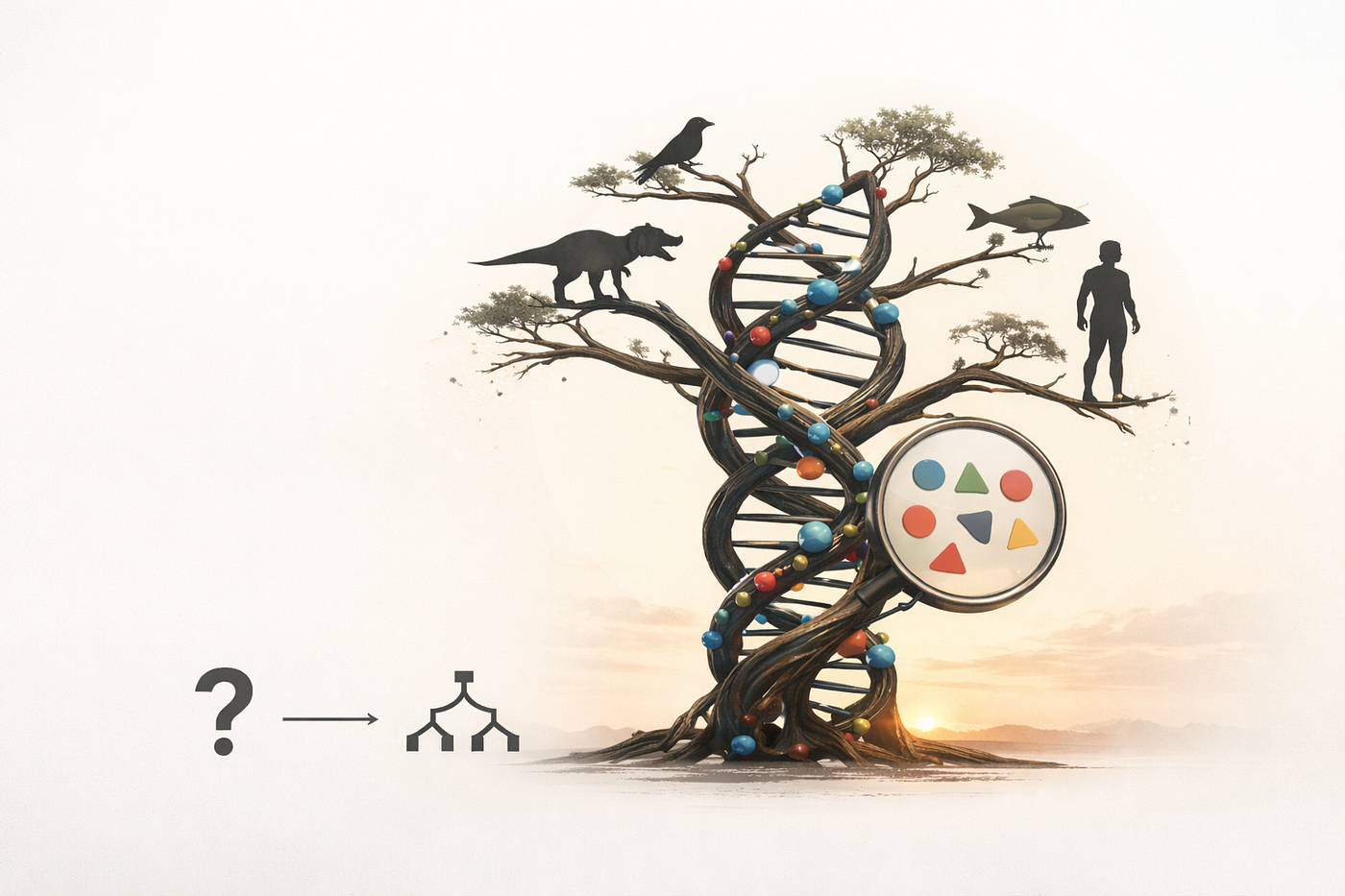
Copy Number Variation (CNV) implies copy numbers of a gene presented in the human genome which is differentiated from person to person…
Highly Sensitive CNV Detection : The Power of CNest
Copy Number Variation (CNV) implies copy numbers of a gene presented in the human genome which is differentiated from person to person. For this reason, CNV has become the focus of more attention in genetic disease research. Through GWAS (Genome-Wide Association Studies), mirroring the phenotypic relations of CNV was attempted. GWAS is a conventional method basically related to inter — genome relationships, enlightening the disease pathways and, in some cases, the treatment options. However, from CNV perspective, the absence of the data shows that values stay below the accuracy curve in large-scale GWAS comparisons.
On the other hand, applying another methods rather than GWAS complicates the detection much more and appears as an obstacle. Generally, CNVs that indicates phenotypic differences with de novo mutations relate to many complex diseases nowadays, such as mental illnesses (autism) and rare diseases. To better understand these relationships Single Nucleotide Polymorphisms (SNPs) are used as a biological marker. Although significant progress has been made, current technological approaches cannot identify them sensitively due to SNPs’ utilization in some CNV detection, causing uncertainty. This lack of precision highlights the need for developing new strategies to establish certain CNV detection and assign clean matching infrastructures of CNV and SNP.

Photo by National Cancer Institute on Unsplash
Fitzgerald and colleagues designed a practical linear model to bring a solution for the problems mentioned above named as “CNest” utilized with Next generation sequencing (NGS) datasets. This model compatible with SNP-CNV that provides similarity to SNP GWAS methodology, and it was tested with samples collected through UK Biobank. It was then confirmed that it could gather both in the same pool. As a result of the research, two dataset obtained; one of them examined the genomic size of the CNV-SNP relation, and the other reflected the specificities arising from CNVs in genetic expressions individually. The developed model was adapted to the requirements of GA4GH (Global Alliance for Genomics and Health).
In this study, a CNV caller and variety of tools applied due to actualize the aim of CNest. That aim includes optimizing CNVs and ensuring and control that the genomic fluctuations comply with specific criteria. When the workflow considered as a phone, it calls the CNVs in sample clusters and determines the accuracy by only measuring the responded calls. For the confusing returns of a call, employed CNV connections used in previous studies were compared for their compatibility and the selection based on shown similar features. Regarding all calls, last step of this flow involves the use of genetically valuable calls by identifying call responses that fall above and below the cutoff value.
To conclude, CNest, with the ability to detect rhythmically genomic transposable CNVs and CNV phenotypic relationships, is promising for future studies to potentially create a CNV catalog and broaden the spectrum of detecting complex diseases. It offers a powerful tool that can pave the way for future research.
Reference: Fitzgerald T, Birney E. CNest: A novel copy number association discovery method uncovers 862 new associations from 200,629 whole-exome sequence datasets in the UK Biobank. Cell Genom. 2022 Aug 10;2(8):100167. doi: 10.1016/j.xgen.2022.100167. PMID: 36779085; PMCID: PMC9903682.
메타데이터
- post_id
- 7ee783db2b8b
- slug
- highly-sensitive-cnv-detection-the-power-of-cnest-7ee783db2b8b
- url
- https://medium.com/@bilgebzk/highly-sensitive-cnv-detection-the-power-of-cnest-7ee783db2b8b
- canonical_url
- https://medium.com/@bilgebzk/highly-sensitive-cnv-detection-the-power-of-cnest-7ee783db2b8b
- author_url
- https://medium.com/@bilgebzk
- status
- ok
- fetched_at
- 2026-06-09 14:34:10