THE WORLD WE LEAVE BEHIND | ENVIRONMENT & SUSTAINABILITY
THE WORLD WE LEAVE BEHIND
THE WORLD WE LEAVE BEHIND | ENVIRONMENT & SUSTAINABILITY
THE WORLD WE LEAVE BEHIND
A Practical Guide to Protecting, Restoring & Using Our Environment for a Better Future
ENVIRONMENT • RESPONSIBILITY • INNOVATION • ACTION
────────────────────────────────────────
The environment is not simply the scenery around human life — it is the system that makes life possible. Clean air, safe water, fertile soil, forests, oceans and a stable climate support our health, food, economies and communities. Yet pollution, waste, deforestation, resource overuse and climate change are placing increasing pressure on these systems. The good news is that environmental protection is not only about avoiding damage. It is also about redesigning the way we live so that nature and human progress can work together.
1. Understanding the World Environment
The term ‘environment’ includes everything that surrounds and supports life: the atmosphere, water, land, plants, animals, microorganisms and the human-made spaces in which societies operate. These elements are connected. When one part is damaged, the effects can spread through food systems, public health, economies and communities.
A healthy environment provides essential services such as oxygen production, water purification, pollination, soil formation, temperature regulation and natural protection against floods and erosion. Protecting these services is therefore not a luxury; it is a long-term investment in human survival and prosperity.
2. The Biggest Environmental Problems Today
Air pollution
Vehicle emissions, industrial activity, burning waste and other pollutants can reduce air quality and harm people and ecosystems.
Water pollution
Plastic, untreated wastewater, chemicals and agricultural runoff can contaminate rivers, lakes, groundwater and oceans.
Deforestation and habitat loss
Land conversion and unsustainable resource use reduce biodiversity and weaken ecosystems.
Climate change
The accumulation of heat-trapping gases is changing temperatures, rainfall patterns, sea levels and the frequency or intensity of some extreme events.
Waste and plastic
A throw-away culture consumes resources quickly and creates persistent waste that can enter land and water systems.
Resource depletion
Excessive use of freshwater, forests, minerals, energy and other resources can reduce what remains available for future generations.
3. How Can We Reduce Environmental Damage?
Reduce energy waste
Use energy-efficient lighting and appliances, switch off equipment when it is not needed, improve building insulation and choose cleaner energy sources where practical. Reducing unnecessary energy use lowers costs while also reducing environmental pressure.
Build a low-waste lifestyle
Follow a simple hierarchy: refuse what is unnecessary, reduce consumption, reuse what is still useful, repair before replacing, and recycle materials when suitable facilities exist. The aim is not perfection; it is to make waste prevention a normal part of daily life.
Protect water
Fix leaks, avoid unnecessary water use, prevent chemicals and waste from entering drains, and support safe wastewater treatment. Water protection should begin at home and continue through agriculture, industry and city planning.
Restore forests and biodiversity
Protect existing forests and natural habitats first, then restore degraded areas with locally appropriate native vegetation. Trees are valuable, but a healthy ecosystem is more than a collection of trees: soil, insects, birds, fungi, grasses, wetlands and waterways all matter.
Choose sustainable transport
Walking, cycling, public transport, ride-sharing and efficient vehicles can reduce fuel use and urban pollution. Cities can strengthen this change by designing safe pedestrian routes, reliable public transport and cleaner mobility systems.
4. How We Can Maintain the Environment
Make environmental responsibility part of school, workplace and community culture.
Support environmental laws, responsible business practices and transparent waste-management systems.
Monitor air and water quality so problems can be identified early.
Protect wetlands, forests, coastal areas and other high-value ecosystems.
Use agriculture practices that conserve soil, water and biodiversity.
Buy durable products and consider a product’s full life cycle — not only its purchase price.
Share accurate environmental information and avoid spreading misleading claims.
Measure progress through practical indicators such as waste reduction, energy use, water consumption and habitat restoration.
5. Turning the Environment Into a Tool for Positive Change
The environment should not be viewed only as something we must protect. Natural systems and environmental innovation can also become powerful tools for improving society. Clean energy can expand access to electricity, green buildings can lower operating costs, sustainable agriculture can strengthen food security, and ecosystem restoration can create jobs while improving natural resilience.
Green technology
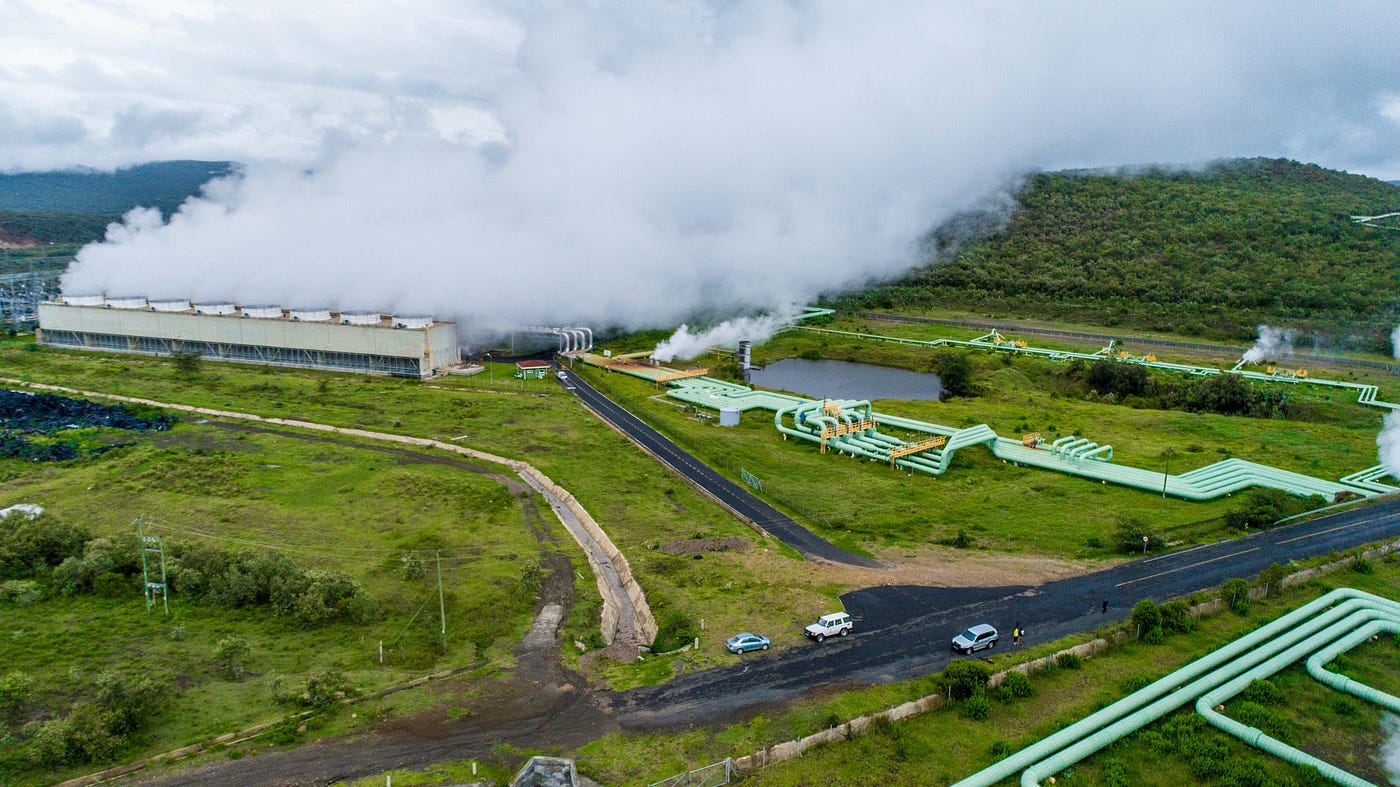
Solar and wind power, energy storage, efficient appliances, electric mobility, smart irrigation and cleaner industrial processes can reduce environmental pressure while creating new economic opportunities.
Circular economy
Instead of a linear model — take, make and throw away — a circular economy keeps materials in use for as long as possible. Repair, refurbishment, reuse, remanufacturing and recycling can reduce resource extraction and create new businesses.
Nature-based solutions
Wetlands, urban trees, restored forests and healthy coastal ecosystems can provide practical benefits such as shade, water management, habitat and protection from some environmental risks. Working with nature can sometimes be more durable and cost-effective than relying only on hard infrastructure.
6. Advantages of Protecting and Restoring the Environment
Advantage
Why It Matters
Better public health
Cleaner air and water and safer communities can reduce exposure to harmful pollution.
Economic opportunities
Renewable energy, recycling, sustainable agriculture, environmental services and green construction can create jobs and new markets.
Food and water security
Healthy soils, watersheds and ecosystems support reliable food production and freshwater supplies.
Climate resilience
Protected ecosystems and efficient infrastructure can help communities prepare for environmental stresses.
Biodiversity protection
Healthy habitats give plants and animals a better chance to survive and ecosystems a better chance to recover.
Lower long-term costs
Prevention, efficiency and resource conservation can reduce the financial burden of pollution, waste and environmental damage.
Improved quality of life
Green spaces, cleaner neighborhoods and healthier ecosystems can make communities more pleasant and livable.
7. Challenges and Disadvantages
Environmental action has clear long-term benefits, but the transition can also create short-term challenges. Recognizing these challenges makes environmental planning more realistic and fair.
Challenge
What to Consider
Initial cost
Energy-efficient equipment, cleaner technologies and infrastructure can require significant upfront investment.
Transition for workers and industries
Some businesses and workers may need training or new skills when industries shift toward cleaner systems.
Unequal access
Low-income communities may find sustainable products, transport or technologies harder to afford without supportive policies.
Implementation complexity
Recycling, renewable energy, water treatment and environmental monitoring require planning, maintenance and reliable systems.
Trade-offs
A solution that reduces one type of environmental impact may create another if its full life cycle is ignored.
Behavioral resistance
People may resist changes that feel inconvenient, expensive or unfamiliar.
Greenwashing risk
Some organizations may market products as ‘green’ without making meaningful environmental improvements, which can confuse consumers.
8. What Individuals Can Do Every Day
Carry reusable bags and bottles where practical.
Avoid unnecessary single-use items.
Separate waste according to the recycling and collection system available locally.
Save electricity and water.
Use public transport, walk or cycle when practical.
Plant and care for suitable native or climate-appropriate plants.
Buy fewer, better-quality products and repair them when possible.
Talk about environmental solutions in a positive, practical way.
9. What Businesses and Governments Can Do
Individual action is important, but large-scale environmental improvement requires institutions to act as well. Governments can invest in clean infrastructure, enforce environmental standards, protect ecosystems and improve public transport. Businesses can measure emissions and waste, design durable products, reduce unnecessary packaging, use resources efficiently and make environmental claims transparently.
The strongest approach is collaborative: governments create fair rules, businesses innovate, communities participate, schools educate, and citizens make informed choices. When these efforts reinforce one another, environmental progress becomes easier to sustain.
10. A Simple ‘5-Step Green Action Plan’
MEASURE — Identify where energy, water and materials are being wasted.
REDUCE — Remove unnecessary consumption and prevent waste at the source.
REUSE — Repair, share, refill and extend the life of useful products.
RESTORE — Protect and rebuild natural spaces such as forests, wetlands and urban green areas.
REPEAT & IMPROVE — Track progress, learn from mistakes and continuously improve the system.
Conclusion: The Future Is a Choice We Make Today
A healthier planet will not be created by one invention, one government or one generation. It will be built through millions of practical decisions supported by smart policies, responsible businesses and informed communities. The goal is not to stop human development; it is to make development compatible with the natural systems that support it.
If we reduce waste, protect water, restore ecosystems, use energy intelligently and design economies around long-term value, the environment can become more than something we defend — it can become a foundation for healthier communities, stronger economies and a more resilient world.
“Protecting the planet is not a pause in progress; it is a better direction for progress.”
Prepared as a professional environmental awareness blog
메타데이터
- post_id
- 7eec5b6fda7c
- slug
- the-world-we-leave-behind-environment-sustainability-7eec5b6fda7c
- url
- https://medium.com/@mahnoor1962101/the-world-we-leave-behind-environment-sustainability-7eec5b6fda7c
- canonical_url
- https://medium.com/@mahnoor1962101/the-world-we-leave-behind-environment-sustainability-7eec5b6fda7c
- author_url
- https://medium.com/@mahnoor1962101
- status
- ok
- fetched_at
- 2026-09-15 18:52:51