Your Cataract Lens Cannot Be Replaced. Don’t Go Cheap.
When the natural lens inside your eye becomes cloudy from a cataract, modern medicine offers a straightforward answer. The procedure…
Your Cataract Lens Cannot Be Replaced. Don’t Go Cheap.
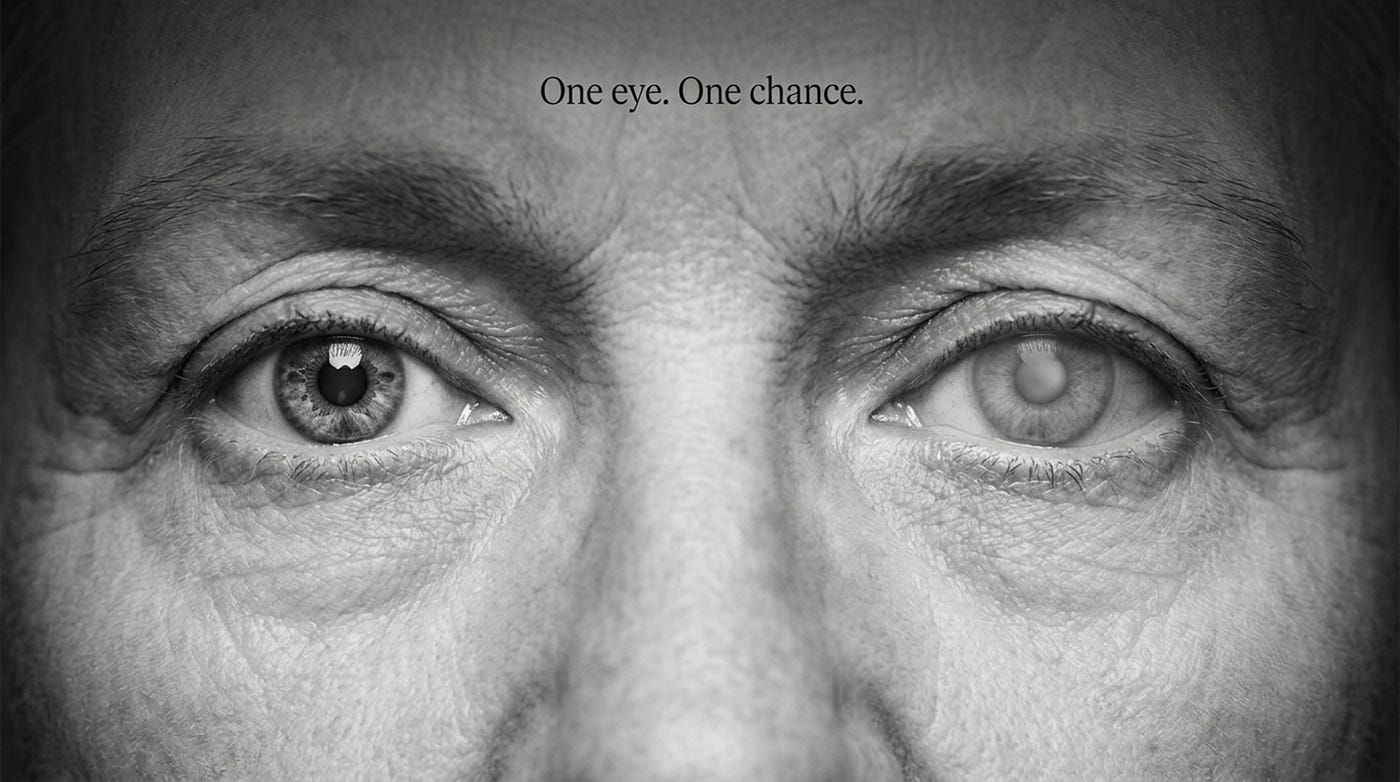
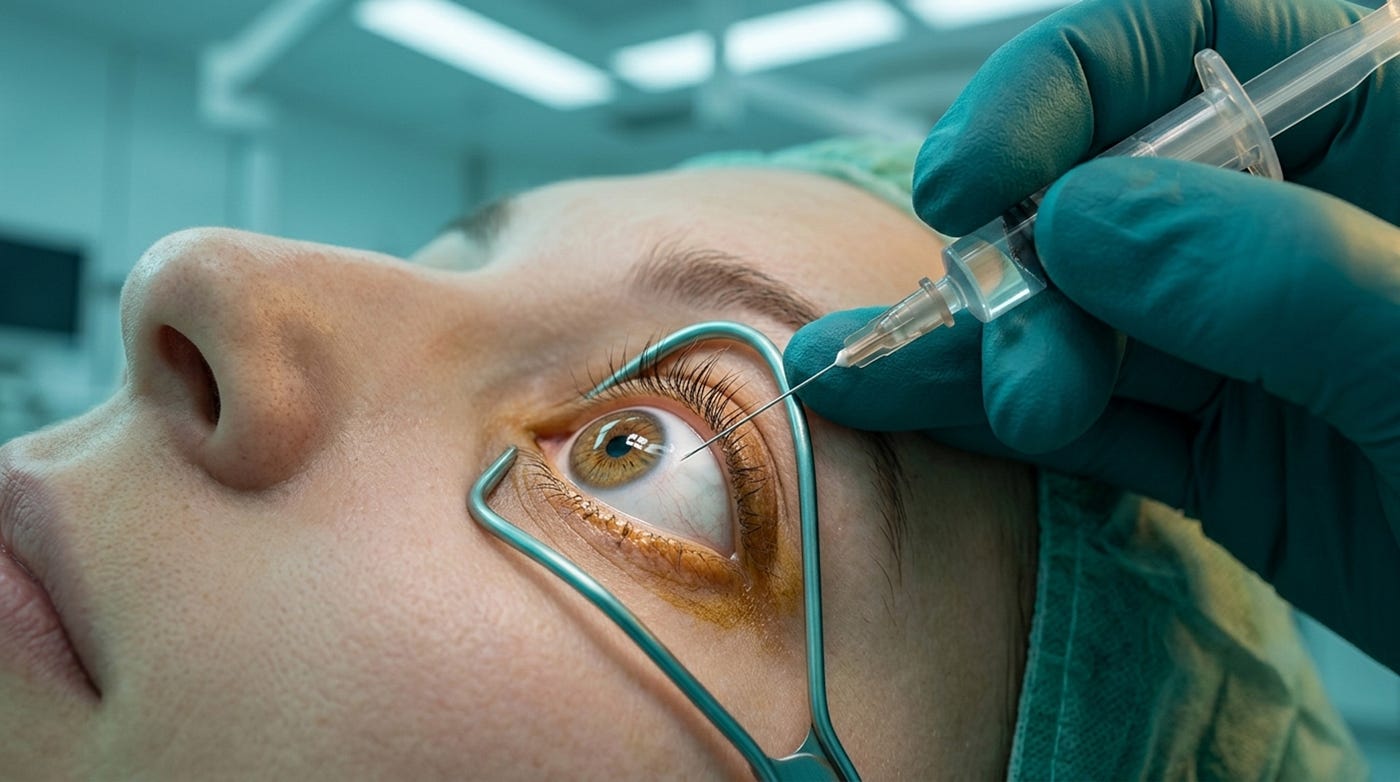
When the natural lens inside your eye becomes cloudy from a cataract, modern medicine offers a straightforward answer. The procedure removes that clouded lens and replaces it with an artificial one, and soon after, colours return and faces sharpen. But the implant left inside your eye is not a pair of glasses you can swap when your prescription changes. It is permanent. The lens choice you make today will shape every waking moment of sight for the rest of your life. This is why the lens decision is the single most important part of cataract surgery.
THE LENS YOU CHOOSE IS FOR LIFE
The artificial lens, called an intraocular lens or IOL, sits inside the same thin capsule that once held your natural lens. Over time, the capsule scars around it, securing the IOL in place. That stability is excellent for vision, but it also means the lens cannot be easily removed. An IOL exchange is a real procedure, performed when something has gone significantly wrong — severe misalignment, a badly calculated lens power, intractable optical side effects, or damage. It is more complex and carries more risk than the original cataract surgery. For all practical purposes, the lens you pick is the lens you keep. Exchanging it simply because you regret your choice is exceptionally rare and only considered when there is a compelling medical reason, never as a casual upgrade.
This is why understanding the options matters. A basic monofocal lens gives you sharp distance vision but leaves you dependent on reading glasses for near work. A multifocal or extended‑depth‑of‑focus (EDOF) lens can reduce or eliminate that dependence, offering a fuller range of clear sight. Both are good lenses, but they solve different problems. The mistake is not choosing one over the other. The mistake is choosing without knowing what you are giving up.
WHAT A BASIC LENS GIVES YOU?
A standard monofocal lens is what most insurance plans and government schemes cover. It focuses light to a single point. If that point is set for distance, you will see road signs, television screens, and faces across the room clearly without glasses. But you will need a pair of reading glasses for your phone, a book, a menu, or anything within arm’s reach. That is not a failure. It is the design. You get one clear distance, and everything else needs help.
For someone who has worn glasses all their life and is comfortable with that routine, a monofocal lens can be perfectly acceptable. But if you value the freedom of not hunting for spectacles every time a message pings on your phone, a monofocal lens may leave you quietly frustrated. And that frustration will not fade, because the lens is permanent.

One lens, two different lives.
WHAT A MULTIFOCAL OR EDOF LENS OFFERS?
A multifocal or extended‑depth‑of‑focus (EDOF) lens aims to give you clear vision at multiple distances. Someone with a well‑chosen multifocal or EDOF lens can often read their phone, work on a laptop, and drive without reaching for glasses. That convenience is meaningful. It changes how you move through your day, how spontaneously you can help a grandchild with a toy, or how easily you can scan a menu in a dimly lit restaurant.
The trade‑offs are real. Some multifocal lenses produce halos or glare around lights at night. A small number of patients find these side effects bothersome. Most adapt within weeks and never look back. The American Academy of Ophthalmology notes that patient satisfaction with multifocal IOLs is generally high when expectations are properly set before the procedure. The key is to know what you are trading — some night visual quality in exchange for daytime spectacle independence. Not every eye is suitable for these lenses; your surgeon will check the health of your retina, cornea, and ocular surface before recommending them.
WHY THE CHEAPER OPTION IS NOT ALWAYS WISER?
A cataract is a clouding of your natural lens, and once it is removed, the new lens is meant to stay. The natural lens does not grow back, and the artificial one, as already explained, is not easily swapped. Choosing a basic lens because it saves money today can mean a lifetime of reaching for reading glasses every single day. The upfront savings are real, but they must be weighed against the cost of multiple pairs of glasses over decades, the daily inconvenience, and the quiet awareness that a different lens could have given you a different life.
Many patients who choose a monofocal lens for financial reasons later say they wish someone had told them more clearly that the lens was forever. They thought they could upgrade later. In almost every case, that is not possible without a second, more complex surgery that surgeons avoid unless there is a pressing medical need.
The All India Ophthalmological Society has stressed the importance of thorough counselling before surgery. A well‑informed patient is far more likely to be satisfied than one who discovers the limitations of their implant only after the bandage comes off.
THE RIGHT WAY TO DECIDE
Before you walk into the operating room, ask yourself a simple question. How do you want to live your daily life for the next twenty or thirty years? Do you mind reaching for reading glasses every time you need to see something up close? Or would you rather pay more now and spend the rest of your life with greater freedom from spectacles? There is no universal right answer. But there is a wrong way to choose: deciding without knowing the stakes.
The cataract that once clouded your lens is gone forever, but the new lens will be with you every day that follows. Talk to your surgeon. Ask what each lens will give you. Ask what each lens will take away. Do not rush. The procedure may take only ten minutes, but its outcome lasts a lifetime.
Book a comprehensive consultation at Infigo Eyecare Hospital or a trusted centre near you. Ask the questions that matter. Choose the lens that fits the life you want to live. A few thousand rupees saved today may not feel like a bargain when you are still reaching for reading glasses ten years from now, knowing that a different lens could have changed everything. The choice is yours. Make it wisely.
메타데이터
- post_id
- 7f294d37a1e2
- slug
- your-cataract-lens-cannot-be-replaced-dont-go-cheap-7f294d37a1e2
- url
- https://medium.com/@aniketmmclayinc/your-cataract-lens-cannot-be-replaced-dont-go-cheap-7f294d37a1e2
- canonical_url
- https://medium.com/@aniketmmclayinc/your-cataract-lens-cannot-be-replaced-dont-go-cheap-7f294d37a1e2
- author_url
- https://medium.com/@aniketmmclayinc
- status
- ok
- fetched_at
- 2026-07-11 06:06:52