Why Your Inner Editor Is a Bully (And How to Lock Them in a Closet)
Every minute you spend editing too early is a minute you lose to momentum. Throw away the red pen.
Why Your Inner Editor Is a Bully (And How to Lock Them in a Closet)
Every minute you spend editing too early is a minute you lose to momentum. Throw away the red pen.
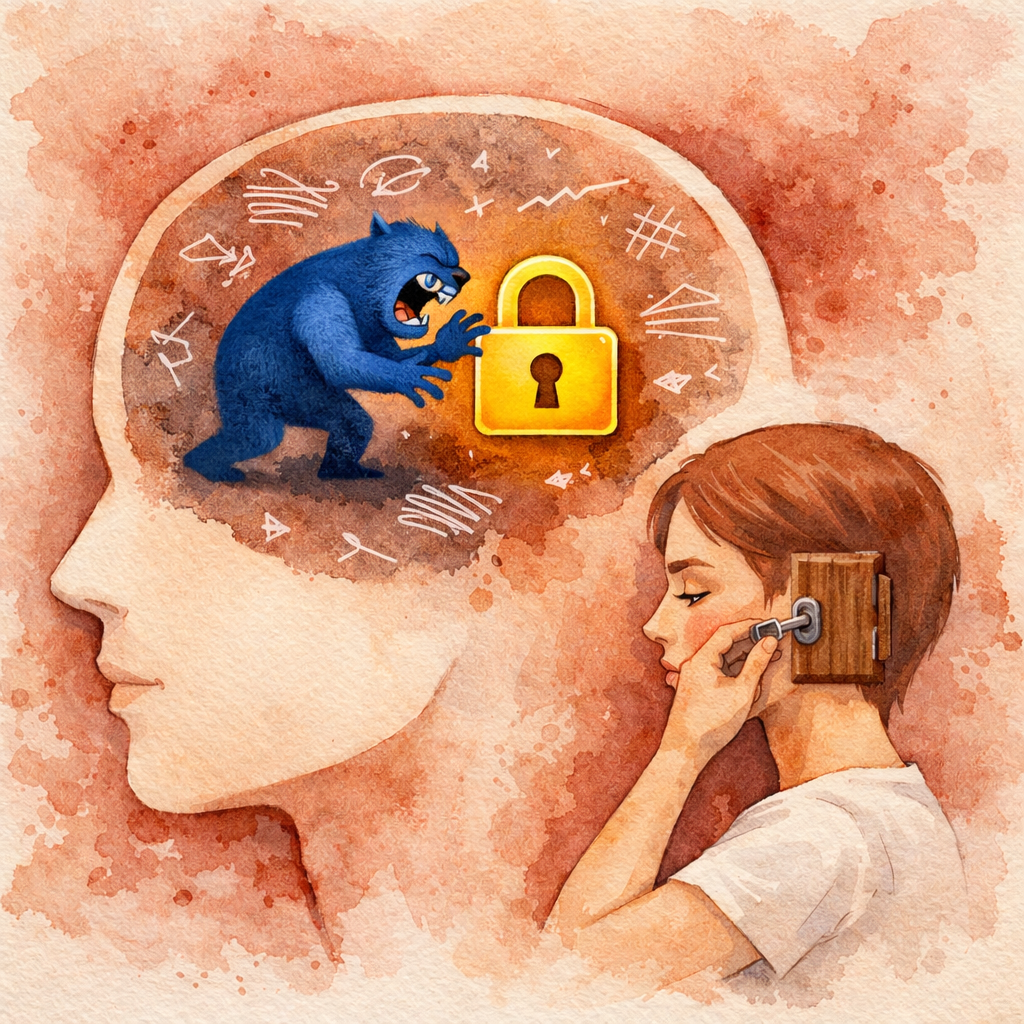
Created by Author
Most writers are stuck with a voice in their head that won’t shut up.
They tweak one sentence. They rewrite the opening. They delete a paragraph and add it back.
I spent years watching talented people stall out because they couldn’t get past their own inner critic.
I had to learn how to shut that voice down and get words on the page again.
In 2026, the pressure is higher than ever. The standards feel impossible. The comparison is constant.
Real writing isn’t about perfect sentences. It is a disciplined process that separates creation from judgment so your ideas can breathe.
Just the exact mental frameworks I use to write faster, clearer, and without fighting myself every time I sit down.
Control is everything. Output is non-negotiable.
1. Your inner editor
Your inner critic is a predatory squatter living rent-free in your creative process.
A full-on bully.
You know the voice. The one showing up the second you start writing (before you even finish a sentence).
“This isn’t good enough.”
“This makes no sense.”
“Start over.”
So you listen. You fix, rewrite, delete. Again and again. Until there’s nothing left.
No draft. No progress. Pure frustration.
Meanwhile, someone else hits publish on something messy.
Imperfect.
Raw. And they move forward. But what if they’re moving forward into a trap?
While you sit there, stuck on sentence one. So here’s the real question… Is the voice helping you write better?
Or stopping you from writing at all?
2. Fear of the blank page
You’ve got about 3 seconds to outrun your own anxiety.
Hesitate, and you’re gone. Writing grows from action (a fact your confidence will never admit). Move your fingers before your brain objects.
Which approach works?
Planning every word in your head
Or
I typed “I don’t know what to write” ten times… then the real sentence showed up
Waiting for inspiration
Or
I set a timer for 5 minutes and wrote the worst paragraph of my life. Then I rewrote the whole thing.
Outlining every detail
Or
I started with one stupid sentence. Then another. Then another. Now I have a draft
Notice the difference?
The second versions are alive. They trick your inner critic like a magician palming a coin. They whisper: “Write garbage. Garbage gets edited.”
Here’s how to pull the same trick:
- Lower the stakes to zero
- Use a timer so your brain has nothing to argue with
- Say the thing you’re most scared to write first
- Stop staring… your blank page deserves better than your frozen face
Dial everything down. Add some disorder.
Think less architect, more toddler with crayons.
3. Being too far ahead
Writing success is a ruthless game of volume, but perfectionism is playing defense.
Once a perfect draft takes shape in your head, the memory of raw, unformed writing vanishes entirely.
The perfectionism trap. What if the perfectionism trap is protecting you from something worse?
Wrecking your output in the process. You start comparing your opening sentence to someone else’s published masterpiece. Your reader wants to see if you’re human (not if you’re Shakespeare).
Here’s the fix:
- Tell embarrassing early-draft stories
- Use short, ugly sentences
- Explain with metaphors about falling over… like your nan has done.
Instead of writing:
This article needs a strong hook.
Try:
I deleted my first seven openings yesterday. Number eight was a mess. But my editor said “keep going.” The mess turned into this paragraph.
Your reader doesn’t need a masterpiece. They need proof someone else also writes terrible early drafts.
When you write like someone who still struggles, your words land differently.
4. Being perfect
Are you building a bridge to your reader or a monument to your own ego?
Courage is the currency readers actually spend their attention on.
So let them see you. The real you (skip the final draft, skip the polished, rehearsed, Instagram-filtered version). The I once cried because a semicolon felt wrong version. Your audience craves someone real, not a flawless expert. They want someone who’s typed garbage, figured out the repairs, and stayed willing to share the typos.
Here’s the golden rule: release the first draft. The highlight reel belongs somewhere else entirely.
Stop treating this like a final exam. A gift to someone else who’s stuck on page one.
Try this format:
- Write something bad
- Leave the draft overnight
- Fix one sentence
Works in every genre… fiction, business, journaling, poetry, reddit posts. When you live your writing, the words ring true. They vibrate with relief. Readers smell perfectionism from a mile off. Give them the real stuff.
Show your messy side and readers will trust you.
5. Stop waiting for permission
Your readers aren’t short on advice about writing.
They’re drowning in advice. They don’t want a new list of rules. They want a permission slip… and someone who’s already signed theirs. But what if permission is the problem?
Bad writing says: You should write every day.
Good writing says: I printed this permission slip, signed my name, and stuck the paper on my monitor. Now I write when I’m scared, tired, or convinced I’m a fraud.
Spot the gap?
You’re not giving advice. You’re handing over a template. And a template carries weight.
Here’s how to do this well:
- Stop saying “stop being a perfectionist”… print a permission slip
- Use examples from your own failed drafts (messy is always fine)
- Break things down like you’re handing a scared friend a pen
Be the person who makes starting possible.
Loyalty follows.
One-time readers become forever fans. Writers quit fast… but they stay for someone giving them permission to be bad. Cut the inner critic. Kill the blank-page fear. Ditch the perfection mask.
Be real.
Be messy.
Be YOU.
Do all of that, and the cursor stops being your enemy. You’ll write. Finish. And secretly hope someone else reads your ugly first draft.
Because the draft belongs to you.
Join Persuasion OS and get the next breakdown Friday morning.
메타데이터
- post_id
- 7f2d13680596
- slug
- why-your-inner-editor-is-a-bully-and-how-to-lock-them-in-a-closet-7f2d13680596
- url
- https://medium.com/write-a-catalyst/why-your-inner-editor-is-a-bully-and-how-to-lock-them-in-a-closet-7f2d13680596
- canonical_url
- https://medium.com/write-a-catalyst/why-your-inner-editor-is-a-bully-and-how-to-lock-them-in-a-closet-7f2d13680596
- author_url
- https://medium.com/@JimTeague
- status
- ok
- fetched_at
- 2026-07-13 06:23:13