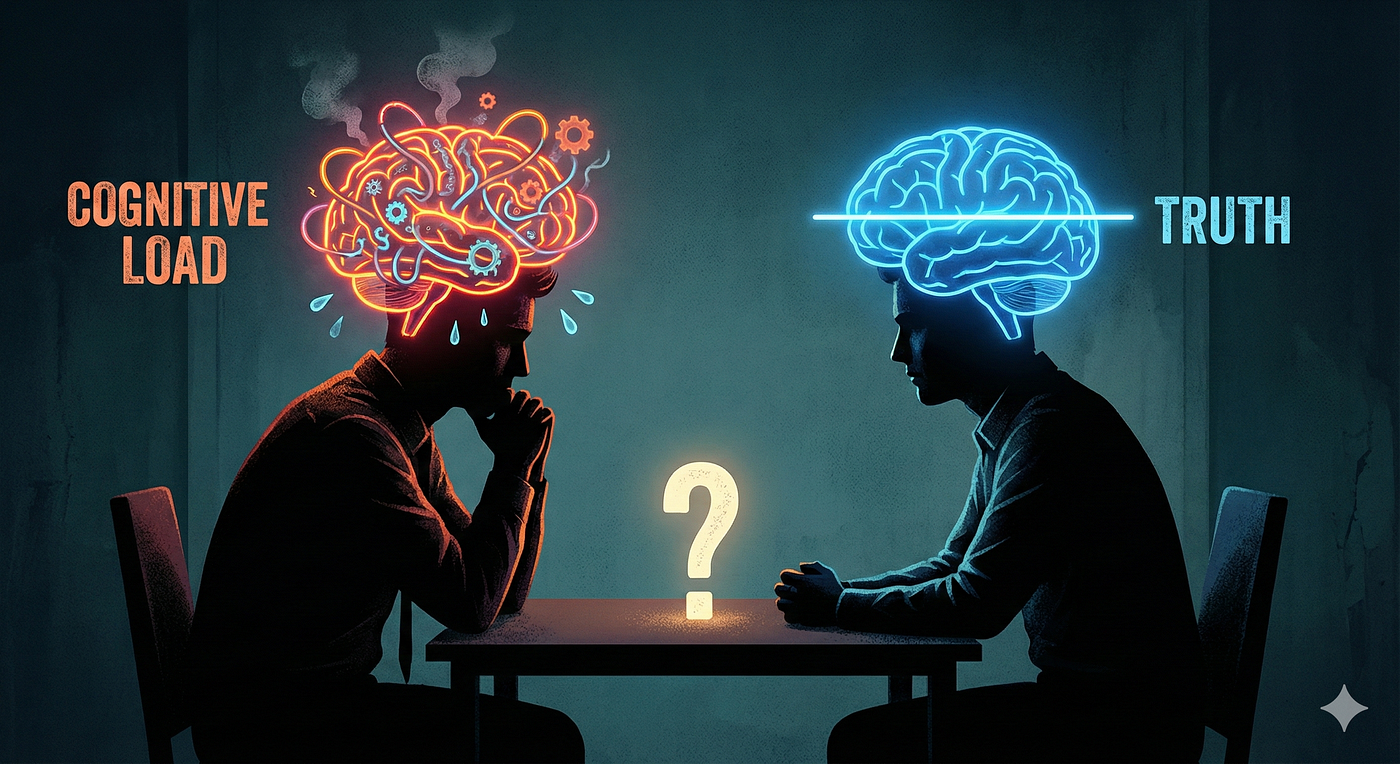
What Buyers Are Really Thinking Before They Purchase A Digital Product (Buyer Psychology)
Someone lands on your product page, they scroll through it slowly, they pause for a few seconds. “This looks good…” But they don’t buy…
What Buyers Are Really Thinking Before They Purchase A Digital Product (Buyer Psychology)

Someone lands on your product page, they scroll through it slowly, they pause for a few seconds. “This looks good…” But they don’t buy, they don’t say no either, they just leave.
And from your side? It feels completely confusing. Because nothing looks wrong, but something is quietly stopping them.
I hope you have not forgotten when you discovered a product online that seemed perfect for you, but you still somehow talked yourself out of it? Maybe you added it to cart. Maybe you bookmarked the page. Maybe you told yourself ‘let me think about it.’ And then life moved on and you never went back.
That moment you experienced as a buyer? Your customers are going through the same exact thing, right now, on your product page.
Buying is not a simple action, it is a mental process. And before someone clicks the buy button, they go through a series of silent questions, they do not say these out loud, but they are always there.
The Hidden Reality Most Sellers Don’t See

A digital marketing expert once said, ‘People don’t decide to buy, they decide to trust.’ And that distinction matters more than most sellers realize.
A lady was trying to buy a digital template online last month. She said ‘I loved it. I genuinely wanted it. But I kept thinking, is this really for someone in my situation? Will it work for the type of business I run? I wasn’t sure. So I left the page and told myself I’d come back.’ She never did. The seller had a great product. But they lost her, not to a competitor, but to confusion.
This is the hidden reality. Most sellers lose sales not because their product is bad, but because the buyer’s mental process breaks down before it reaches the buy button.
The 4 Questions Every Buyer Asks (Without Saying It)
Every person who lands on your product page is silently running through a mental checklist. Here is what they are really thinking.
Question 1
‘Is this for someone like me?’ This should remind you of the last time you walked into a store and immediately felt like the products were not made for you. You left without buying anything, right? That feeling happens online too, and it happens fast. Within seconds of landing on your product, a visitor is already asking ‘this looks nice, but is it actually for me…?’ If the answer is not crystal clear, they disconnect immediately. It’s not because they don’t want it, but because they don’t see themselves in it.
Question 2
‘Will this actually work for my situation?’ A product can sound useful in theory and still feel irrelevant to someone’s specific life. You should remember when you tried a ‘one size fits all’ solution that just did not fit your situation at all. That memory is what makes buyers hesitant. They think ‘It sounds useful… but will it work for how I do things?’ This is where doubt quietly starts, not because your product is bad, but because the outcome is not specific enough.
Question 3
‘Do I trust this enough to pay for it?’ This is a very powerful statement. ‘On the internet, trust is the only currency that matters.’ And with digital products, this is even truer. They cannot touch it, they cannot test it. They cannot pick it up and feel its weight. So all they have is how clear your product feels, how real it looks, and how confident it sounds. So if any of those feel off, even slightly, trust weakens and hesitation grows.
Question 4
‘Should I decide now… or later?’ This is where most sales disappear. The buyer thinks ‘I’ll just save it and come back.’ It feels harmless, it feels reasonable. But think about your own browser tabs, how many products have you ‘saved for later’ and never returned to? Your buyers are doing the exact same thing. Later rarely comes.
Where Most Decisions Break, And Why It’s Not What You Think
Most sellers look at their numbers and assume the problem is traffic, pricing, or visibility. If I just got more eyes on this, the sales would come. But that is rarely the whole story.
‘A confused mind always says no.’ — Dan Kennedy, marketing strategist.
The real problem? One or more of those four silent questions is not being answered. And when that happens, the buyer pauses, delays, and leaves, not out of disinterest, but out of uncertainty.
Think of it like this. Imagine you walked into a restaurant, sat down, and the menu had no descriptions. Just dish names, no photos, no ingredients listed, no explanation of what anything tastes like. You would probably pick the safest, most familiar option. Or leave. That is exactly what buyers do when your product page does not answer their silent questions. They default to ‘not today.’
How This All Connects to Trust

All four of those questions lead to the same core issue which is ‘trust.’ But here is what most sellers get wrong, they think trust is only about reviews and testimonials. However, trust is actually built through three things.
1. Clarity — the buyer should immediately understand what the product is, who it’s for, and what it does.
2. Relevance — they should feel like it was made specifically for their situation.
3. Confidence in the outcome — they should be able to picture what their life looks like after using it. If a buyer does not feel ‘this is for me, this will work, this makes sense’, then they do not feel safe enough to buy. And when people do not feel safe, they do not decide. It is not a price problem, it is a trust architecture problem.
‘People buy from people they trust, in that order. Trust first, everything else second.’ — Zig Ziglar, sales expert
Real Behavior Behind This
This is why you see patterns that feel confusing from the seller’s side, people viewing but not buying, people saving your link but never returning, sales that are inconsistent even when your audience is growing.
It is a decision process breaking down at a specific point, and once you understand which question is not being answered, you can fix it.
If you’re selling a productivity course and getting good traffic with decent reviews, but your sales are inconsistent, the issue may not be visibility, it may be clarity. For example, if your product description is too general, like “Learn to be more productive,” it doesn’t clearly show who the course is for. Is it for a student? A remote worker? A business owner managing a team?
When no specific audience is defined, buyers struggle to see themselves in the product, and that hesitation affects their decision to buy.
But once you rewrite the page to speak directly to a specific group, for instance, remote workers managing multiple projects, everything changes. The message becomes clearer, the connection becomes stronger, and sales start to become more consistent.
What You Should Focus On Instead

Instead of trying to push people to buy, your job is to answer those four silent questions so clearly that saying yes becomes the easiest decision they make today. 1. Make the product feel specific. The right person should instantly feel it is for him. Use their exact words, their exact situation, their exact pain point.
2. Show how it works in real life. Do not make them imagine it. Show them a screenshot, a walkthrough, a short demo, etc. Let them see themselves using it.
3. Build trust through clarity, not hype. Overselling triggers alarm bells. Honest, specific, clear language builds trust. Write like a knowledgeable friend, not a salesperson.
4. Support the decision. Make it easy to say yes now, not later. A guarantee, a clear expectation of what happens after purchase, a simple process, these all reduce the risk the buyer feels.
The Simple Truth Most Sellers Skip Over
People do not buy when they are confused, people do not buy when they are unsure, and people do not buy when they do not trust.
They buy when things feel clear, when things feel relevant and when things feel safe. Your product might be excellent. But if the buyer cannot feel that through your words, your presentation, your clarity, they will never know.
So if your product is not converting the way you expect, the answer is rarely ‘get more traffic’ or ‘lower the price.’ The answer is almost always to go back and listen to what your buyer is silently asking, and answer it better. Fix the thinking process that happens before the decision, and everything will change.
‘The aim of marketing is to know and understand the customer so well the product or service fits them and sells itself.’ — Peter Drucker, management consultant and author

(NEXT TOPIC OVERVIEW)
What you have just read becomes even clearer when you look specifically at how trust affects buying decisions, why people hesitate even when they fully understand the product. That is something I will break down further in the next piece. Which is ‘Trust Issues.’ ( Why customers hesitate before buying digital products online, and How trust affects digital product conversion rates)
Do you want a Clear Breakdown? If you feel like people are seeing your product but not taking action, I can review your product or store and point out exactly where trust or clarity is breaking down, and what needs to change.
Feel free to reach out. Sometimes all it takes is one fresh set of eyes.
And if you found this helpful, follow for more breakdowns on improving digital product sales and conversions.
메타데이터
- post_id
- 7f6ccdf594db
- slug
- what-buyers-are-really-thinking-before-they-purchase-a-digital-product-buyer-psychology-7f6ccdf594db
- url
- https://medium.com/@jetmerceofficial/what-buyers-are-really-thinking-before-they-purchase-a-digital-product-buyer-psychology-7f6ccdf594db
- canonical_url
- https://medium.com/@jetmerceofficial/what-buyers-are-really-thinking-before-they-purchase-a-digital-product-buyer-psychology-7f6ccdf594db
- author_url
- https://medium.com/@jetmerceofficial
- status
- ok
- fetched_at
- 2026-06-09 15:37:30