Water Rail: Ground Effect Revolution
Best of air, water, land transportation - efficient electric ground effect ferry
Water Rail: Ground Effect Revolution
Best of air, water, land transportation - efficient electric ground effect ferry
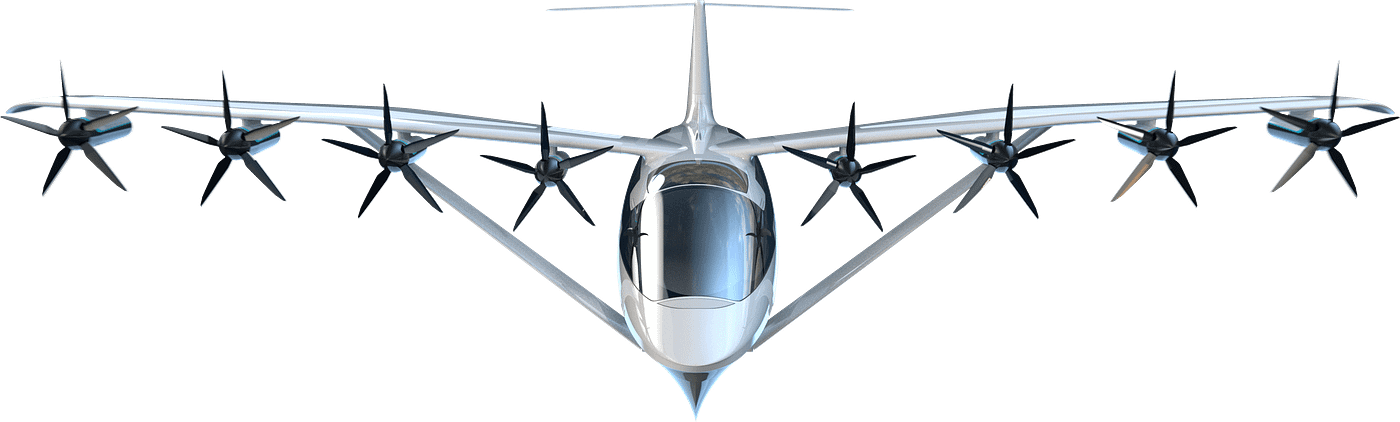
Regent’s Seaglider GEF (Ground Effect Ferry)
As a pilot in training, you quickly learn both the theory & practice of “ground effect”: As you are taking off & especially when landing, while you are below about 10 meters, the air your wings push down is cushioned & deflected by the ground. This is important because the aircraft flies better when getting that extra boost. This can be bad if you rotate (start to climb steeply) too early, suddenly losing the ability to fly. Or when you are trying to land with too much speed, risking running out of runway before the aircraft will settle. Hovercraft use an extreme form of ground effect to float above the ground, without actually being able to ‘fly’ more than a few inches.
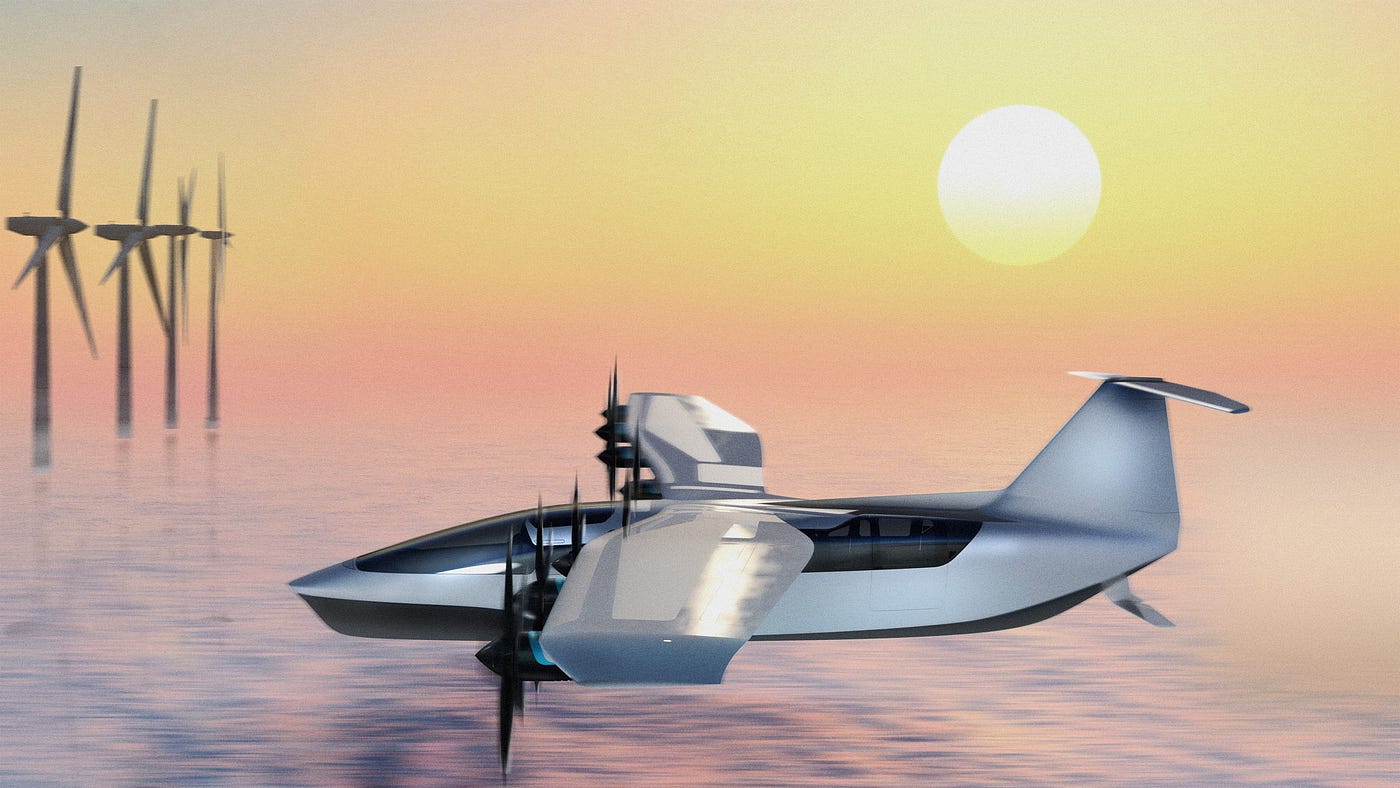
The Seaglider
With the electric 180-mph, 180 mile range “Seaglider”, Boston-based Regent seems to be making a serious investor-backed run at creating viable ground effect vehicles that are reminiscent of both ferries & seaplanes. Using a hydrofoil at lower speeds for smooth rides & stability, the Seaglider flies just above the water’s surface at 3X typical driving speeds; about the speed of a modestly fast small aircraft. Because the vehicle cannot fly, i.e. cannot continue to rise beyond ground effect height, it is classed as a watercraft, not an aircraft. That has many regulator & practical benefits: minimal safety validations & maintenance compared to an aircraft (which are extreme), obviously much lower risk for most failures, and far more efficiency than most alternatives. Existing dock infrastructure, already in place for cruise ships and other watercraft, likely already with electrical connections that could be adapted easily, means that the Seaglider doesn’t require the massive widespread investment that many new forms of transportation require.
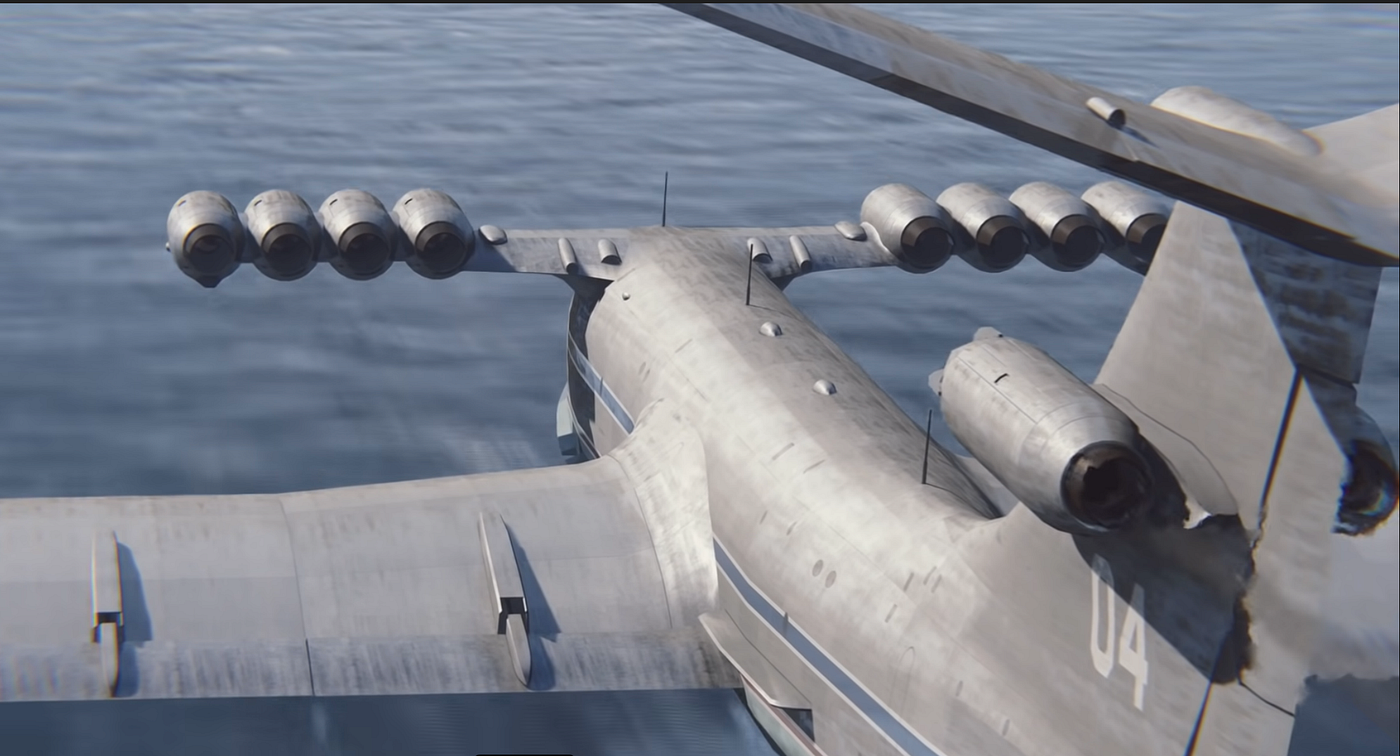
While not a totally new concept, as New Atlas points out, there have been occasional iterations on this idea since the 1960s & as recently as 2018. Going all electric and preparing to scale up production & services seems to be an exciting new level.
At full speed, that is Honolulu to Maui in about 30 minutes, San Diego to Los Angeles in 50 minutes. With improved range or fast recharging, Los Angeles to San Francisco in just over 2 hours.
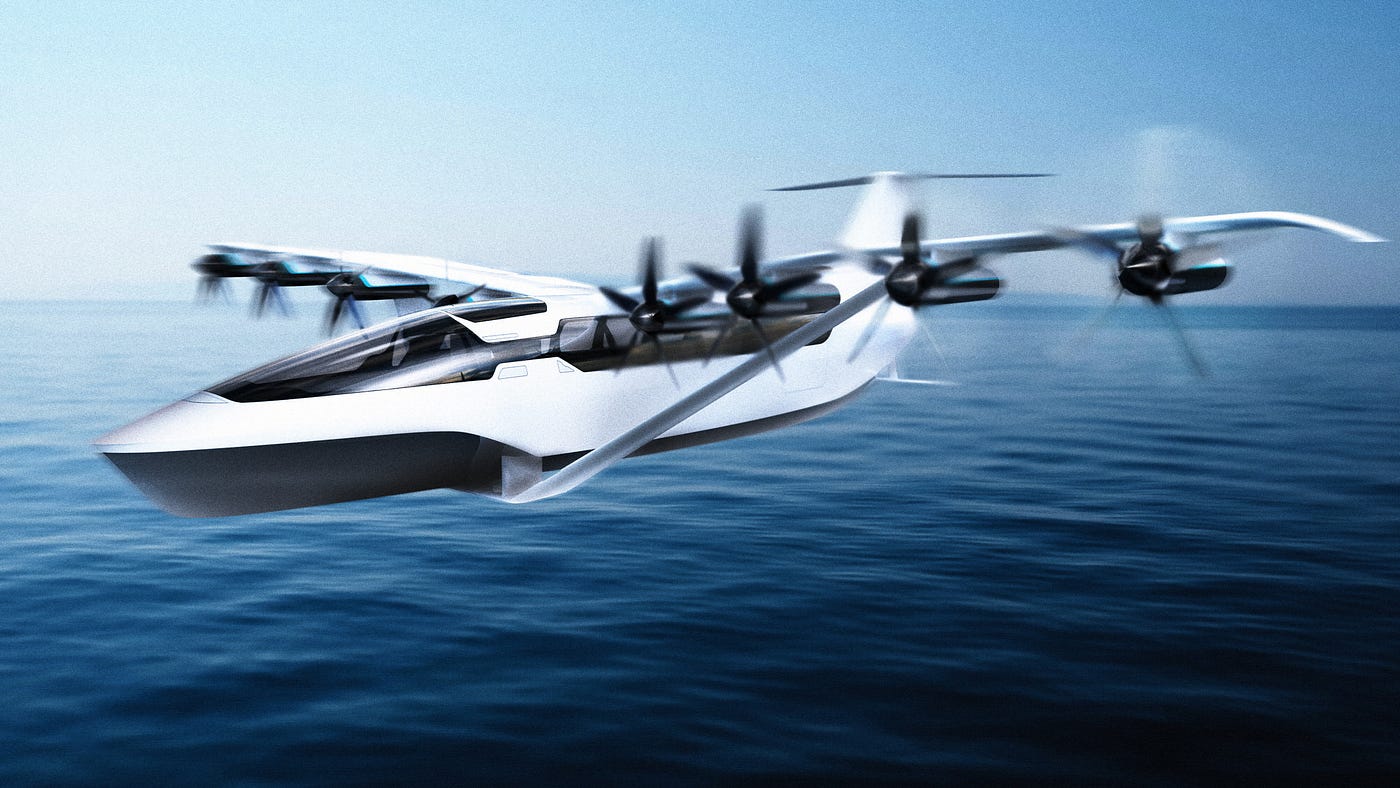
Seaglider isn’t a terrible name, but as a private pilot, it seems a bit off to call a vehicle with 8 engines a glider. The name does highlight the obvious failure recovery promise of this approach: Typical worst case functional failure is that you just glide to a safe stop, going into boat mode. While only the land version would be strictly limited in path like a railroad, in practice these will feel more like a ‘water rail’ system.
Haven’t seen a mention of a possible land-based version of this. While the water version should be proved first, and probably would have a better safety / failure profile, this same idea would work on land too. It could, for instance, ‘fly’ right over certain crops in California’s Central Valley or over desert areas with little preparation. That is a potentially interesting alternative, or perhaps an initial stage of service, for both California’s High Speed Rail project or hyperloop runs. This could also form a kind of ‘rapid transit’ spoke addition to those systems, one that is actually rapid.
Let’s call that ‘air rail’ to generalize without confusing it with the existing ‘land rail’ system. All vehicles have some accepted precise technical term, the kind the FAA uses to be clear. These kinds of vehicles have more generally been called a ‘Ground Effect Vehicle’ (GEV), or ‘Wing In Ground effect’ (WIG), and even a Water-Skimming Wingship. For this narrower class of a ferry-like solution, the most appropriate term seems to be (and I hereby coin) ‘Ground Effect Ferry’ (GEF) with GEF/water, GEF/land sub types.
With the modest regulatory & startup requirements, inherently safe nature, and convenience compared to existing alternatives, this new form of short & middle-distance transportation may rapidly become available to many coastal & great lakes communities.
메타데이터
- post_id
- 7f6efbb388e
- slug
- water-rail-ground-effect-revolution-7f6efbb388e
- url
- https://medium.com/missed-points/water-rail-ground-effect-revolution-7f6efbb388e
- canonical_url
- https://medium.com/missed-points/water-rail-ground-effect-revolution-7f6efbb388e
- author_url
- https://medium.com/@scienteer
- status
- ok
- fetched_at
- 2026-06-24 16:30:55