DC Inverter AC Technology Explained Simply — Complete Guide 2025
What is a DC Inverter AC System?
DC Inverter AC Technology Explained Simply — Complete Guide 2025
What is a DC Inverter AC System?
[embed]
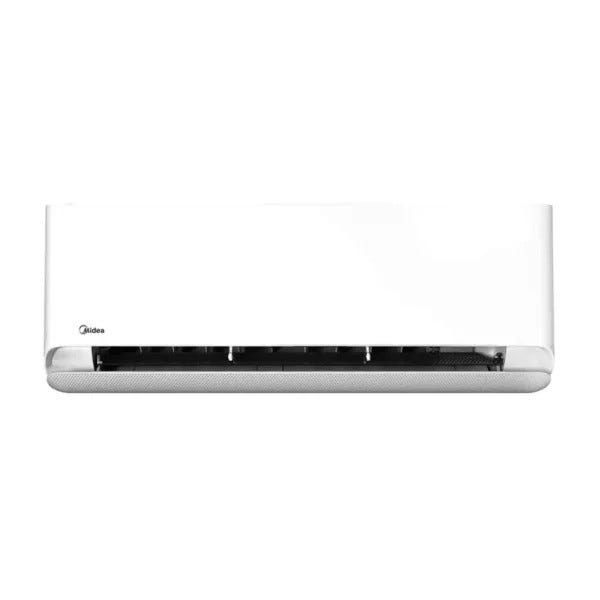
**DC inverter AC** represents revolutionary cooling technology transforming Pakistani homes. Moreover, it uses variable-speed compressors for maximum efficiency throughout operations. Furthermore, this advanced system adjusts cooling power automatically based on requirements. Additionally, it maintains perfect temperatures without unnecessary energy waste.
Traditional **air conditioners operate on fixed-speed compressor technology. However, DC inverter systems** provide intelligent speed control mechanisms. Moreover, these units eliminate frequent on-off cycling. Therefore, consistent comfort levels are maintained while reducing costs.
The technology behind DC inverters involves sophisticated electronic controls. Furthermore, microprocessors monitor room conditions every few seconds continuously. Additionally, automatic adjustments ensure optimal performance under varying conditions. Consequently, homeowners experience superior comfort with reduced electricity consumption.
How DC Inverter Technology Works
First, the system converts incoming **AC power to DC power efficiently. Then, electronic circuits control compressor speed precisely based on demand. Moreover, variable frequency drives manage motor operations with exact precision. Consequently, your AC runs** smoothly without frequent stopping and starting.
The conversion process happens through multiple electronic stages. Additionally, rectification circuits change AC to stable DC power first. Furthermore, inverter circuits convert DC back to variable AC power. Therefore, compressor motors receive perfectly controlled power for operations.
Advanced control algorithms monitor temperature differentials between set points. Moreover, when rooms approach desired temperatures, compressor speed reduces gradually. Furthermore, minimal power maintains comfortable conditions without temperature fluctuations. Additionally, this intelligent operation eliminates energy waste from cycling.
Sensor technology plays a crucial role in DC inverter operations. Temperature sensors continuously monitor indoor and outdoor conditions precisely. Moreover, humidity sensors detect moisture levels for optimal comfort. Furthermore, pressure sensors monitor refrigerant conditions for efficient operation. Therefore, multiple feedback systems ensure perfect environmental control.
Key Components of DC Inverter ACs
[embed]
The DC motor drives the compressor efficiently with variable speeds. Additionally, electronic control units manage temperature regulation automatically throughout operations. Furthermore, advanced sensors monitor room conditions constantly for adjustments. Therefore, you get consistent cooling performance with minimal energy consumption.
Variable Frequency Drive (VFD) systems control motor operations precisely. These sophisticated circuits adjust compressor speeds from 20% to 100% capacity. Moreover, soft-start technology prevents power surges during startup operations. Furthermore, gradual speed changes eliminate mechanical stress on components. Additionally, smooth operations reduce wear and extend equipment lifespan.
Electronic expansion valves replace traditional mechanical controls completely. These precision devices adjust refrigerant flow based on conditions. Moreover, stepper motors provide exact positioning for optimal efficiency. Furthermore, electronic control enables rapid response to changing demands. Therefore, refrigeration cycles operate at peak efficiency consistently.
Advanced heat exchangers maximize thermal transfer efficiency significantly. Specially designed coils increase surface area for heat exchange. Moreover, enhanced fin designs improve airflow across coil surfaces. Furthermore, copper tubing provides superior thermal conductivity compared to alternatives. Additionally, anti-corrosion treatments protect components in Pakistani climate conditions.
Energy Savings Benefits Explained
DC inverter ACs save 40–60% electricity bills compared to conventional units. Moreover, they consume 800–1200W versus 1500–2000W for regular systems. Furthermore, annual savings typically reach PKR 15,000–25,000 for households. Additionally, **Lahore Centre** customers consistently report excellent energy reduction results.
Monthly electricity cost comparisons demonstrate significant savings potential. A 1.5-ton DC inverter consuming 1000W for 8 hours daily. Moreover, monthly usage equals 240 kWh at PKR 20 per unit. Furthermore, the total monthly cost reaches PKR 4,800 for operations. Therefore, annual cooling costs approximate PKR 57,600 for usage.
Conventional AC units consume substantially more electricity for cooling. Similar 1.5-ton non-inverter systems use 2200W for operations. Moreover, monthly consumption reaches 528 kWh under similar conditions. Furthermore, costs increase to PKR 10,560 monthly for electricity. Additionally, annual expenses reach PKR 126,720 for conventional systems.
The difference equals PKR 69,120 annual savings potential significantly. These savings accumulate over a 12–15 year lifespan, typically. Moreover, total lifetime savings exceed PKR 800,000 for investments. Furthermore, payback periods range from 2–3 years for upgrades. Therefore, DC inverter technology provides excellent financial returns.
Advanced Features and Technologies
Smart connectivity enables remote control and monitoring capabilities. Wi-Fi-enabled models connect to smartphone applications easily. Moreover, users can adjust settings from anywhere conveniently. Furthermore, energy consumption monitoring helps optimize usage patterns. Additionally, diagnostic features alert users to maintenance requirements.
Multi-stage air filtration improves indoor air quality significantly. HEPA filters remove particles down to 0.3 microns effectively. Moreover, activated carbon filters eliminate odors and gases. Furthermore, antibacterial treatments prevent microbial growth inside units. Therefore, healthier indoor environments result from advanced filtration.
Eco-mode operations maximize energy efficiency during low-load periods. These intelligent modes adjust temperature settings automatically for savings. Moreover, fan speeds reduce when cooling demands decrease significantly. Furthermore, compressor operations are minimized during stable temperature periods. Additionally, sleep modes gradually adjust temperatures for comfort.
Installation Requirements and Considerations
Professional installation ensures optimal DC inverter performance and efficiency. Certified technicians understand electrical requirements for safe connections. Moreover, proper refrigerant handling prevents environmental damage and leaks. Furthermore, correct sizing calculations match equipment to cooling loads. Therefore, professional installation maximizes performance and warranty protection.
Electrical requirements include a stable voltage supply for electronics protection. DC inverters require 220V ±10% for reliable operations. Moreover, dedicated circuits prevent voltage fluctuations from other appliances. Furthermore, surge protectors safeguard expensive electronic components. Additionally, proper grounding ensures safety and optimal performance.
Location planning affects efficiency and maintenance requirements significantly. Outdoor units need adequate ventilation for heat rejection. Moreover, indoor units require proper drainage for condensate removal. Furthermore, service access enables maintenance and repairs when needed. Therefore, strategic placement optimizes performance and serviceability.
Maintenance Requirements for Optimal Performance
Regular maintenance ensures continued efficiency and extends equipment lifespan. Monthly filter cleaning maintains proper airflow through indoor units. Moreover, quarterly coil cleaning prevents dirt buildup, affecting efficiency. Furthermore, annual professional service identifies potential issues early. Therefore, preventive maintenance protects your investment and performance.
Filter maintenance requires attention every 30 days for optimal operations. Washable filters need cleaning with mild detergent and water. Moreover, disposable filters require replacement according to the manufacturer's specifications. Furthermore, clogged filters reduce airflow and increase energy consumption. Additionally, clean filters improve indoor air quality significantly.
Professional service includes a comprehensive system inspection and optimization. Technicians check refrigerant levels and adjust as required. Moreover, electrical connections receive inspection for safety and reliability. Furthermore, component testing identifies wear before failures occur. Therefore, professional maintenance prevents costly emergency repairs.
Comparison with Traditional AC Systems
Operating cost differences highlight DC inverter advantages over time. Traditional ACs cycle on-off creating power consumption spikes regularly. Moreover, starting currents reach 6–8 times normal operating levels. Furthermore, frequent cycling increases wear on mechanical components. Additionally, temperature fluctuations affect comfort levels negatively.
Comfort level improvements include consistent temperature maintenance throughout operations. DC inverters adjust cooling output to match thermal loads precisely. Moreover, minimal temperature variations enhance occupant comfort significantly. Furthermore, humidity control improves with steady operation patterns. Therefore, superior comfort justifies the initial investment premium.
Equipment lifespan extends significantly with DC inverter technology benefits. Gentle speed variations reduce mechanical stress on compressor components. Moreover, soft-start features eliminate startup shock on systems. Furthermore, continuous operation prevents thermal cycling damage. Additionally, 12–15 year lifespans exceed conventional 8–10 year expectations.
Environmental Impact and Sustainability
Reducing electricity consumption decreases the carbon footprint of households significantly. Lower energy use means reduced power generation requirements nationally. Moreover, decreased emissions contribute to environmental protection efforts. Furthermore, R32 refrigerant offers lower global warming potential. Therefore, DC inverter technology supports sustainable cooling solutions.
Government incentives encourage the adoption of energy-efficient cooling technologies. Tax benefits apply to high-efficiency appliance purchases currently. Moreover, utility rebates sometimes offset initial cost premiums. Furthermore, net metering enables solar integration for sustainability. Additionally, environmental regulations favor efficient equipment choices.
Troubleshooting Common Issues
Understanding basic troubleshooting helps identify service requirements early. Unusual noises may indicate mechanical problems requiring attention. Moreover, reduced cooling capacity suggests maintenance or repair needs. Furthermore, increased electricity consumption indicates efficiency problems. Therefore, early identification prevents major repair expenses.
Professional diagnosis ensures accurate problem identification and proper solutions. Certified technicians understand complex electronic systems thoroughly. Moreover, specialized tools enable accurate testing and measurement. Furthermore, genuine parts ensure compatibility and warranty protection. Additionally, proper repairs restore factory performance levels.
Selecting the Right DC Inverter AC
Capacity selection depends on room size and cooling requirements. 1-ton units suit 120–150 square feet typically. Moreover, 1.5-ton models work for 150–200 square feet spaces. Furthermore, 2-ton systems handle 200–250 square feet areas effectively. Therefore, proper sizing ensures efficiency and comfort.
Brand comparison helps identify the best value propositions for investments. Premium brands offer superior efficiency and longer warranties. Moreover, established service networks ensure support availability nationwide. Furthermore, Energy Star ratings indicate verified efficiency performance. Additionally, customer reviews provide real-world performance insights.
Budget planning includes initial costs and long-term operating expenses. Quality DC inverters range from PKR 70,000–150,000 for residential applications. Moreover, installation costs add PKR 8,000–12,000 to total investments. Furthermore, annual operating costs depend on usage patterns. Therefore, the total cost of ownership guides purchasing decisions.
Why Choose DC Inverter Technology?
[embed]
Modern Pakistani homes need efficient cooling systems addressing rising costs. Moreover, extreme summer temperatures demand reliable climate control solutions. Furthermore, frequent power outages require equipment to protect electrical components. Additionally, DC inverters provide long-term value through reduced consumption.
Economic benefits justify initial investment premiums through monthly savings. Electricity cost increases make efficiency improvements more valuable. Moreover, payback periods decrease as energy prices rise. Furthermore, property values increase with efficient equipment installations. Therefore, DC inverters provide excellent investment returns.
Comfort improvements enhance the quality of life for family members. Consistent temperatures eliminate hot spots and cold drafts. Moreover, quieter operation improves sleep quality significantly. Furthermore, better humidity control reduces mold and mildew. Additionally, cleaner air improves health outcomes for occupants.
Reliability advantages include longer service life and fewer repairs. Quality components withstand Pakistani climate conditions effectively. Moreover, advanced protection circuits prevent damage from power fluctuations. Furthermore, gradual operation reduces mechanical stress significantly. Therefore, reliable performance justifies the investment confidence.
메타데이터
- post_id
- 7fcbe6b38dce
- slug
- dc-inverter-ac-technology-explained-simply-complete-guide-2025-7fcbe6b38dce
- url
- https://medium.com/@lahorecentre6/dc-inverter-ac-technology-explained-simply-complete-guide-2025-7fcbe6b38dce
- canonical_url
- https://medium.com/@lahorecentre6/dc-inverter-ac-technology-explained-simply-complete-guide-2025-7fcbe6b38dce
- author_url
- https://medium.com/@lahorecentre6
- status
- ok
- fetched_at
- 2026-07-17 12:21:16