Calling Romance Novels “Porn” Isn’t Criticism — It’s a Confession
The spicy scenes are elements within a larger story about love, trust, vulnerability, personal growth, and connection. They’re not the…
Calling Romance Novels “Porn” Isn’t Criticism — It’s a Confession
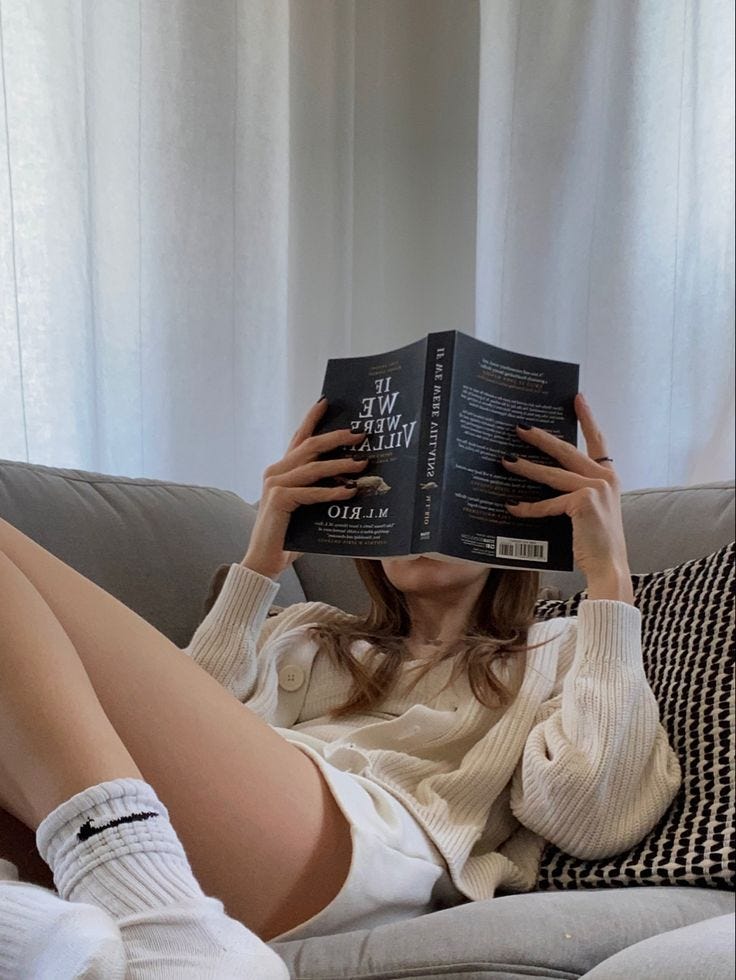
image from google
The spicy scenes are elements within a larger story about love, trust, vulnerability, personal growth, and connection. They’re not the whole story. They’re part of it.
So when men call romance books porn, what they’re really saying is: “I haven’t read these books, I don’t understand these books, and I’m not willing to take them seriously because they’re made for women.”
And that says a lot more about them than it does about the books.
Women are allowed to enjoy romance and sexuality in their reading, and that’s not a bad thing. Even if romance books were entirely about sex, which they’re not, there would still be nothing wrong with women reading them.
Women are allowed to enjoy sexual content. Women are allowed to read books with spicy scenes. Women are allowed to explore romance, desire, and intimacy through fiction.
And the fact that men are so uncomfortable with this says everything.
Because men consume sexual content all the time. They watch movies with sex scenes. They play video games with sexual elements. They read books with explicit content. And society doesn’t shame them for it.
But when women do the same thing, suddenly it’s inappropriate. Suddenly, it’s embarrassing. Suddenly, we’re supposed to feel guilty about it.
Why?
Because women aren’t supposed to have sexual desires. We’re not supposed to enjoy sexual content. We’re not supposed to seek out media that explores intimacy and attraction from a female perspective.
We’re supposed to be passive. We’re supposed to wait for men to initiate. We’re supposed to pretend we don’t think about sex or romance unless a man brings it up first.
And reading romance books, especially ones with explicit scenes, breaks that expectation.
It shows that women have sexual agency. That we have preferences. That we enjoy exploring desire and intimacy in ways that center our perspective and our pleasure.
And that makes men uncomfortable.
So they shame us for it. They call our books porn. They act like we’re doing something shameful or pathetic by reading content that we enjoy.
But there’s nothing shameful about it.
Men don’t get shamed for watching action movies with sex scenes. They don’t get mocked for reading thrillers that include sexual content. They don’t get called porn consumers for enjoying media that happens to have explicit moments.
But women do. Because the real issue isn’t the content. It’s that women are enjoying it.
And society has always been uncomfortable with women openly expressing sexual desire or seeking out content that caters to female sexuality.
The criticism that romance books are “basically porn” has nothing to do with the actual content of the books.
It’s not about the spicy scenes, because men consume media with just as much explicit content, and nobody reduces it to pornography.
It’s not about the quality of the writing, because many romance and romantasy authors are incredibly talented storytellers with complex plots and well-developed characters.
It’s not even about protecting women from “inappropriate” content, because nobody seems concerned when we watch the same shows and movies that men do.
The real issue is control.
Men are uncomfortable with women having sexual agency. They’re uncomfortable with women seeking out content that centers female desire, female pleasure, and female perspectives on intimacy.
They’re uncomfortable that we’re reading stories where we get to choose what we find attractive, what we want in a partner, and what kind of relationships we want to experience, even if only through fiction.
So they shame us. They reduce our entire reading preferences to porn. They mock us for enjoying romance. They act like we’re doing something embarrassing or pathetic.
But we’re not.
We’re reading books we enjoy. Books with plots, characters, emotions, and yes, sometimes sexuality. Just like the content men consume without ever being questioned for it.
So the next time someone tells me that romance books are “basically porn,” I’m going to ask them if they’ve ever watched Game of Thrones, read a fantasy novel with sex scenes, or enjoyed any piece of media that includes sexual content.
And when they say yes, I’ll remind them that the only difference between what they consume and what I read is that mine is written for women.
And apparently, that’s the real problem.
Women are allowed to enjoy romance. We’re allowed to enjoy sexuality in our fiction. And we don’t need anyone’s permission or approval to keep reading what we love.
메타데이터
- post_id
- 8016d01db92c
- slug
- calling-romance-novels-porn-isnt-criticism-it-s-a-confession-8016d01db92c
- url
- https://medium.com/@glonetictrends/calling-romance-novels-porn-isnt-criticism-it-s-a-confession-8016d01db92c
- canonical_url
- https://medium.com/@glonetictrends/calling-romance-novels-porn-isnt-criticism-it-s-a-confession-8016d01db92c
- author_url
- https://medium.com/@glonetictrends
- status
- ok
- fetched_at
- 2026-08-03 11:19:48