Disney’s Recidivist Use of AI in ‘Wonder Man’
Quietly taking the man out of the wonder
Art | Television
Disney’s Recidivist Use of AI in ‘Wonder Man’
Quietly taking the man out of the wonder
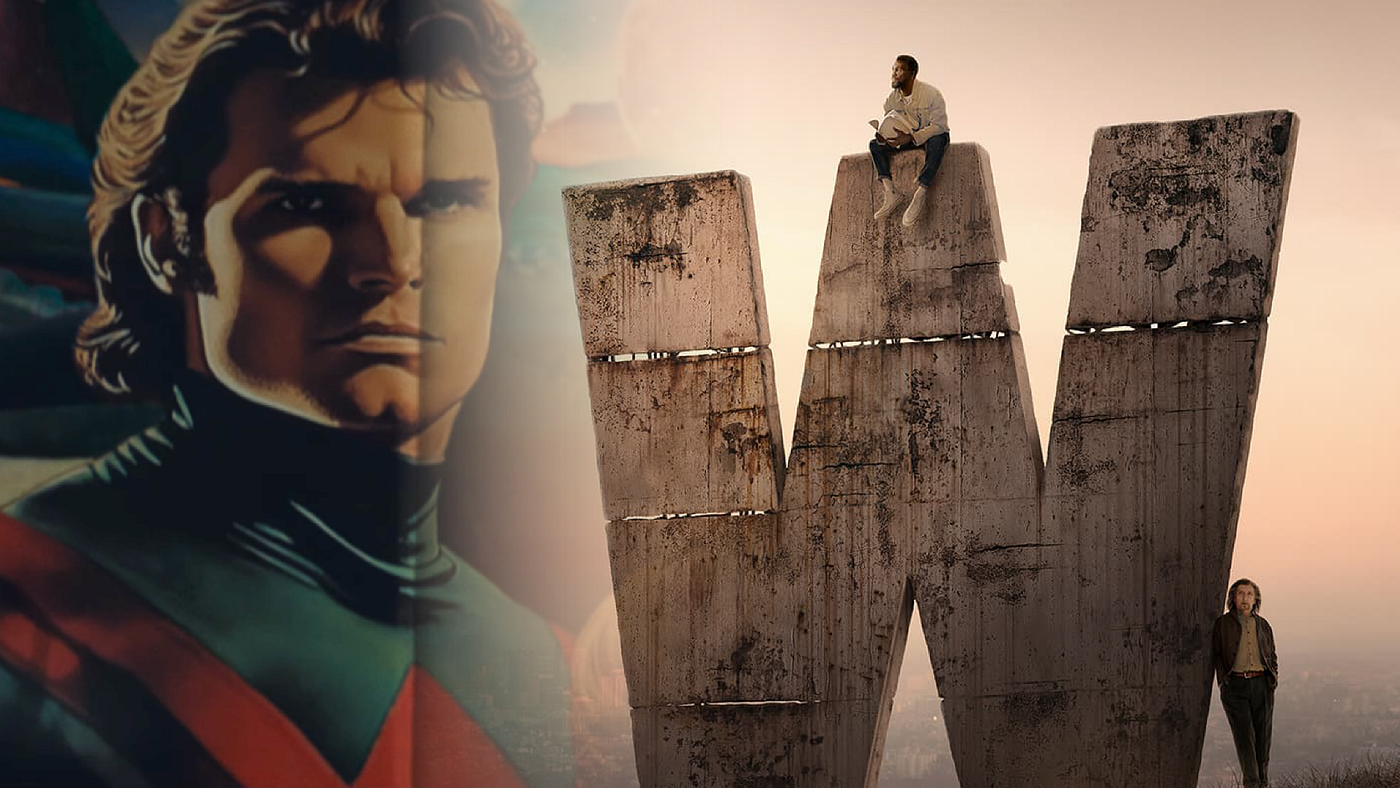
Wonder Man (2026). Credits: Marvel Studios and Walt Disney Pictures
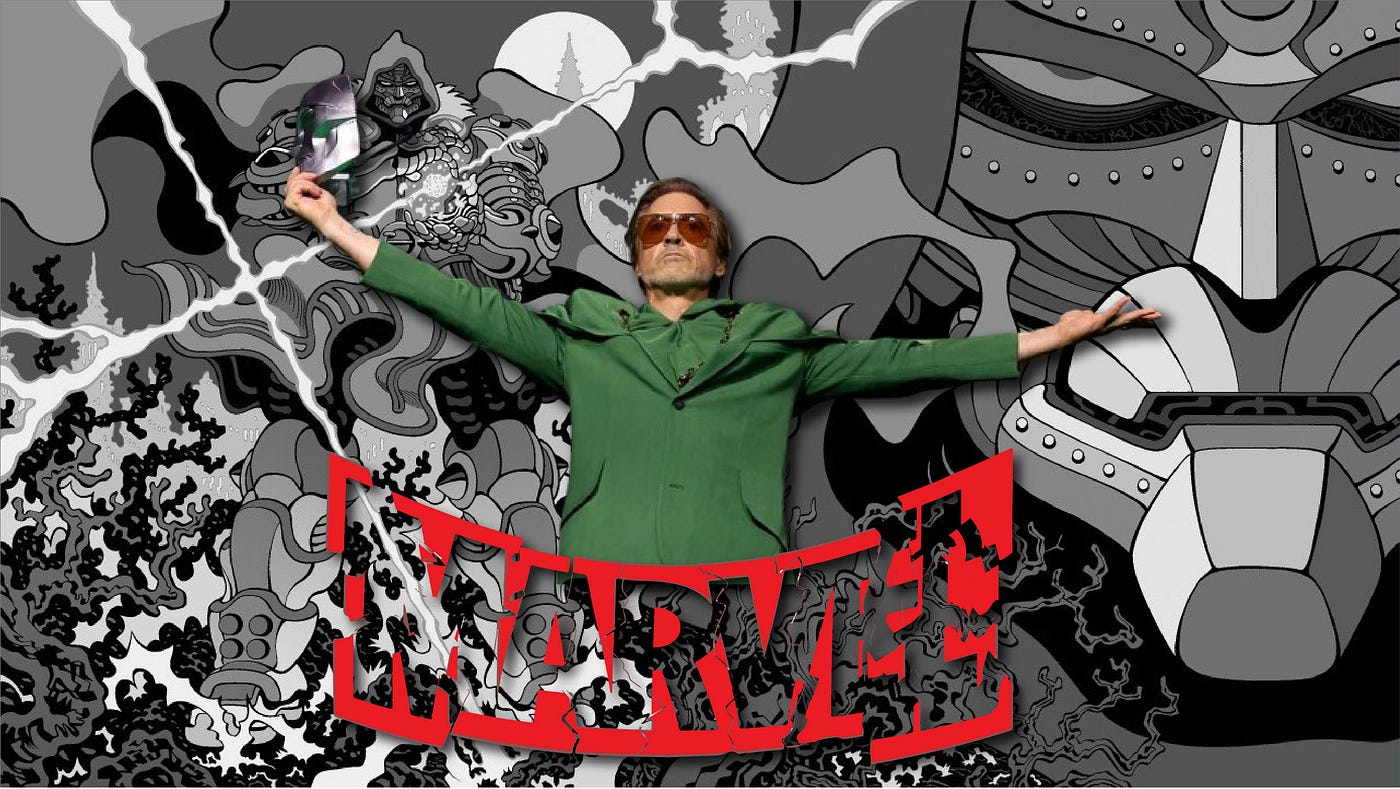
Wonder Man is Marvel’s first 2026 outing. In a packed year in which the wildly anticipated Spider-Man: Brand New Day and Avengers: Doomsday make an appearance in theaters, Wonder Man is the odd one out. It is jarring that Disney confidently begins the year with a miniseries that aims to be a scathing metacommentary on the very bad habits present in their upcoming December tentpole, a movie where everyone who has played anyone and their distant cousin returns.
The plot of Wonder Man follows struggling actor Simon Williams (Yahya Abdul-Mateen II) as he competes for the lead role in a remake of an old superhero movie appropriately titled: Wonder Man. Along the way, he meets returning Iron Man 3 character Trevor Slattery (Ben Kingsley) and, as is often the case in these things, discovers superpowers of his own.
If the character’s name does not ring any bells, only reminding laymen of Gal Gadot’s questionable line reads from a dead cinematic universe, the series’ marketing team empathizes with you. That’s why its promotional efforts leading up to release have been doing the heavy lifting to be different, leaning on tongue-in-cheek comedy and poking fun at Hollywood and the entertainment industry. They went as far as releasing a teaser that parodies all the gimmicky interviews these celebrities do on press tours, with Abdul-Mateen II in character as Simon Williams, playing with puppies and being served hot wings.
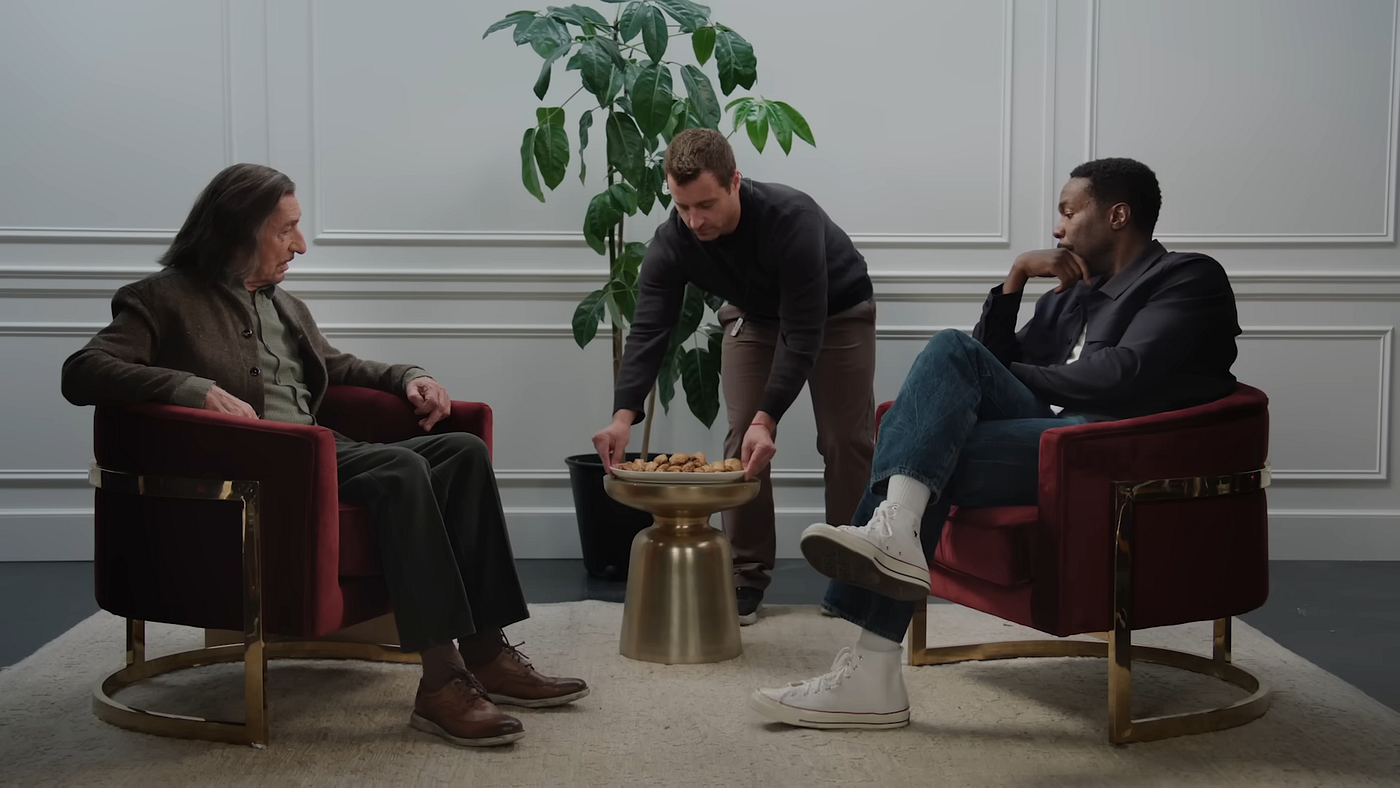
Wonder Man marketing campaign (2026). Credits: Marvel Studios and Walt Disney Pictures
Even though they are made in good fun, I can’t help but feel a cynical air that pervades every piece of content released for the series. And it has nothing to do with any of the actors or performances given. It has everything to do with some of the associated props and how… artificial they look.
Telltale signs of Generative AI
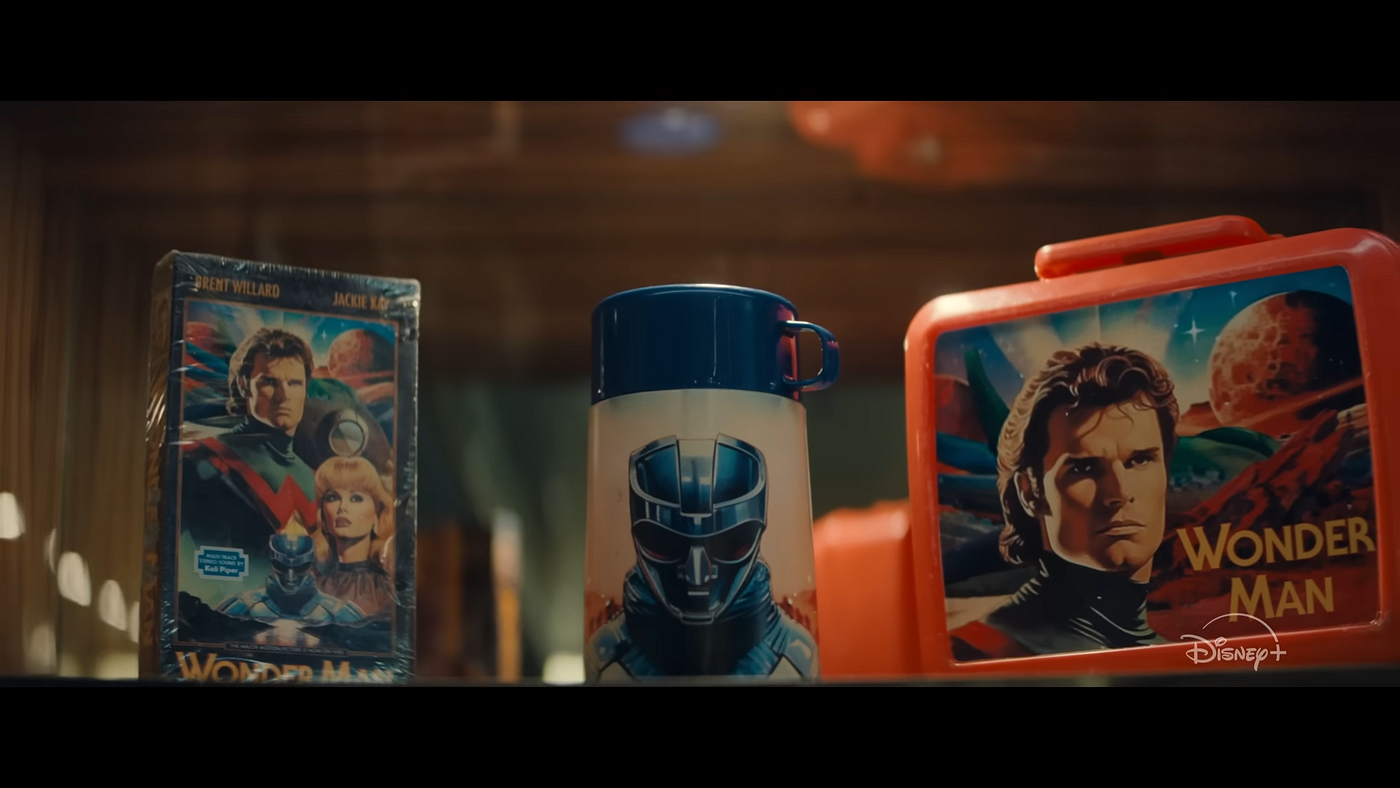
In the first trailer for Wonder Man and the subsequent promotional materials that accompany it, a poster of the fictional film that Simon Williams is remaking prominently appears. The piece visually resembles 80s sci-fi painted posters, most notably Flash Gordon and Star Trek. But when you compare the poster in Wonder Man side-by-side to either of the classics, a keen eye can spot a major difference: one is most likely made with the assistance of Generative AI.
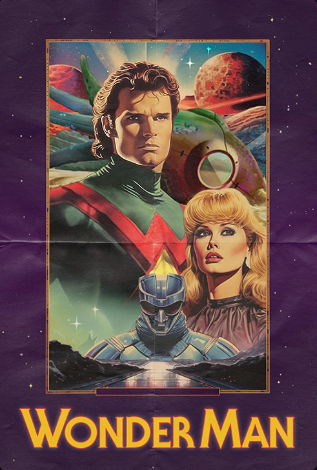
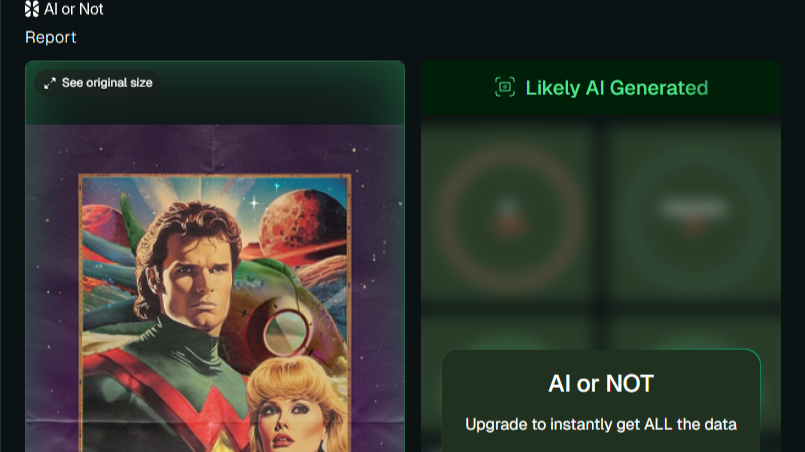
Wonder Man poster tested on AI or Not. Credit: author
The first telltale sign that Gen-AI is used in an image’s conception is a gut reaction. Something feels off; the faces are lifeless. Eyes stare into the distance with naught but a discernible expression. Composition can be altered afterward with Photoshop, mistakes cleaned up in post, but expressions are built from delicate brushstrokes that AI is just not capable of yet. What we’re left with is a stock stoic leading man and a semi-sultry love interest, looking like they’ve been prompted separately and stitched together in one frame by an overworked artist. No dynamic poses. No hands visible for extra fingers to be counted. No human actors.
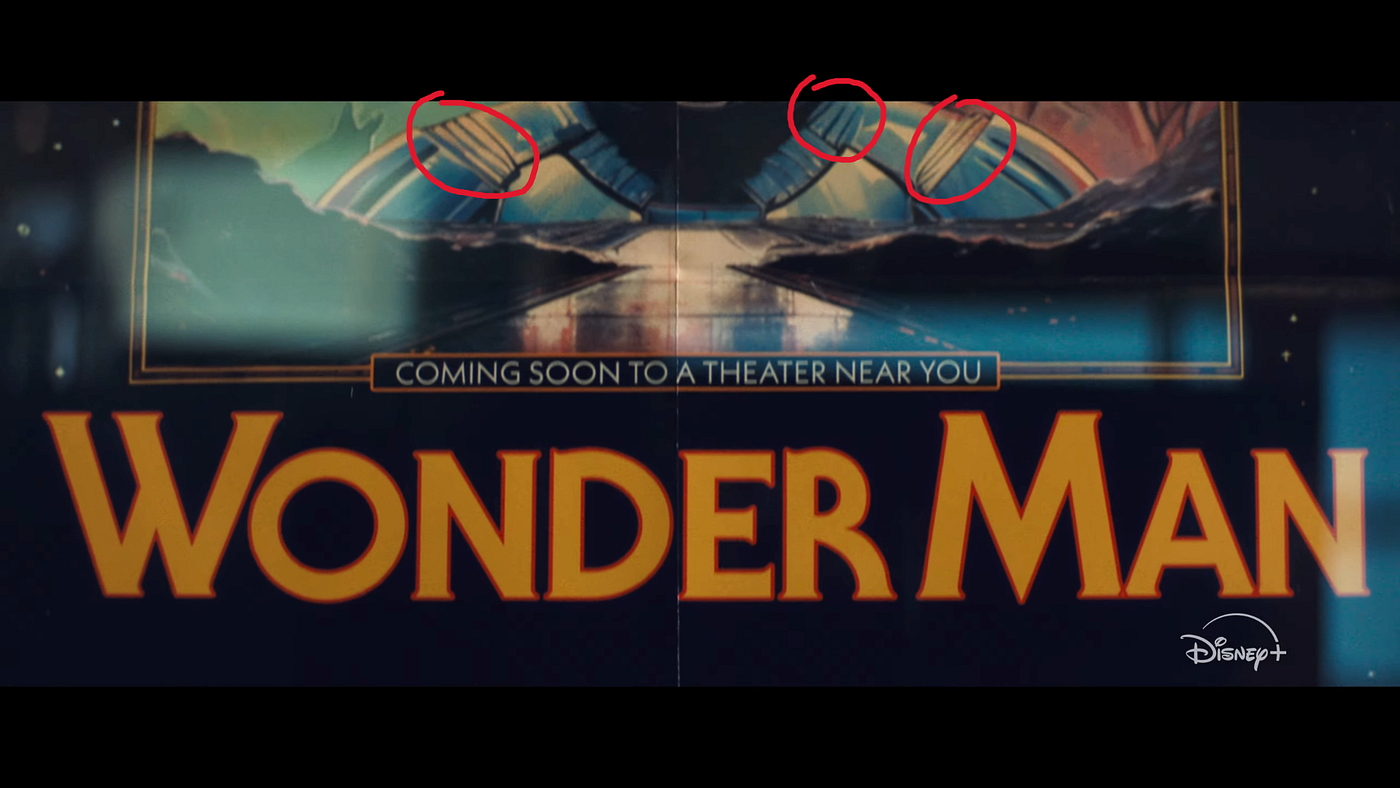
Wonder Man (2026). Credits: Marvel Studios and Walt Disney Pictures
Aside from using AI image detectors, such as AI or Not, with its 80% accuracy ratio, another indicator is the lack of consistency or symmetry. This is most noticeable in the presumed armored antagonist, situated in the lower half of the poster. Their shoulders have a warped texture, with lines that do not match on either side.
Another clue is the fact that this same image is used multiple times for in-universe merchandise and concept art. There is no other angle (at least from the trailers). This is important because AI is notoriously unreliable in maintaining continuity, meaning that generating a new image would alter the details of the characters’ faces and design.
What’s damning is that it’s not a photograph, but it’s also not a painting. The background planet looks visibly photoshopped, but the main visual elements of Wonder Man and the other two characters are not real; they’re summoned from scratch in cyberspace. There is an actor who plays old Wonder Man, shown in various moments of the trailer, and the poster looks nothing like him.
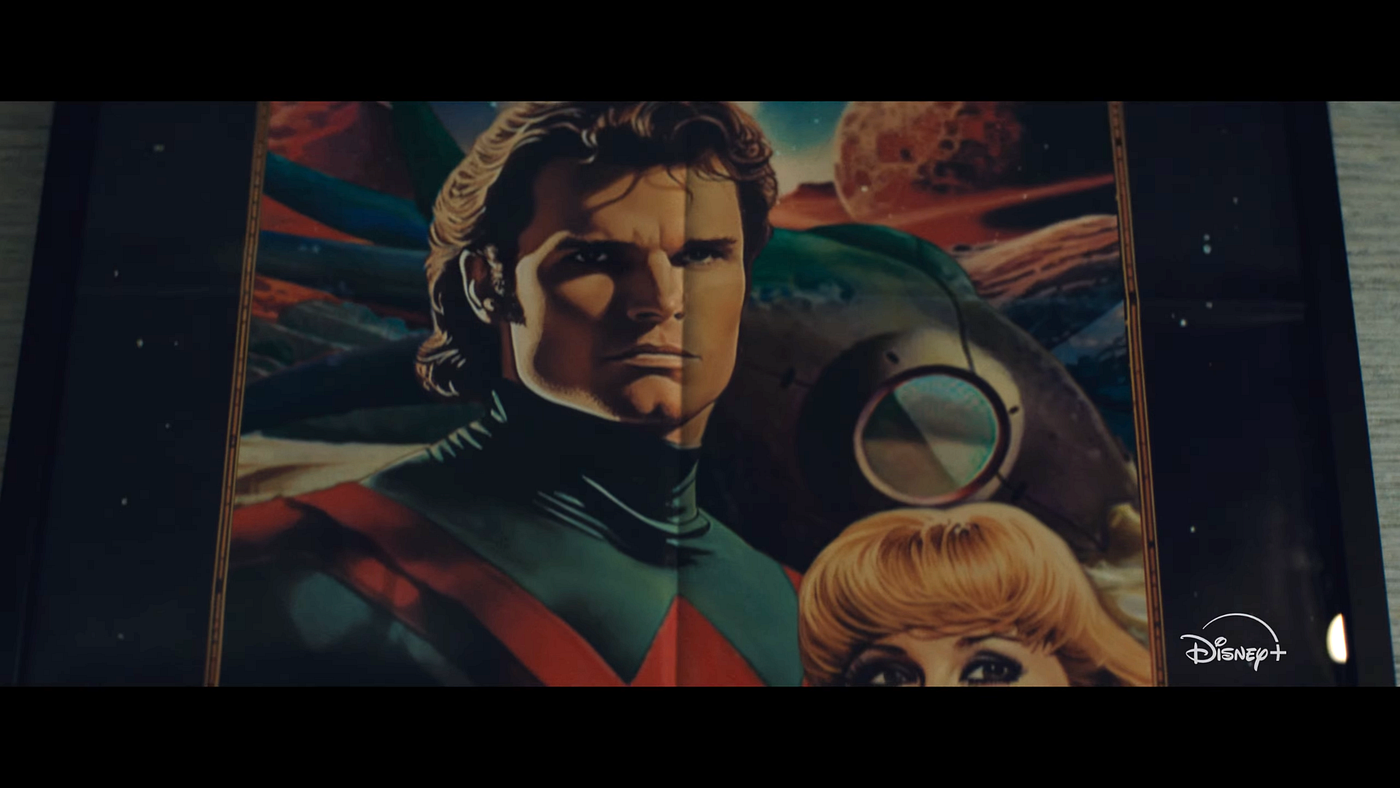
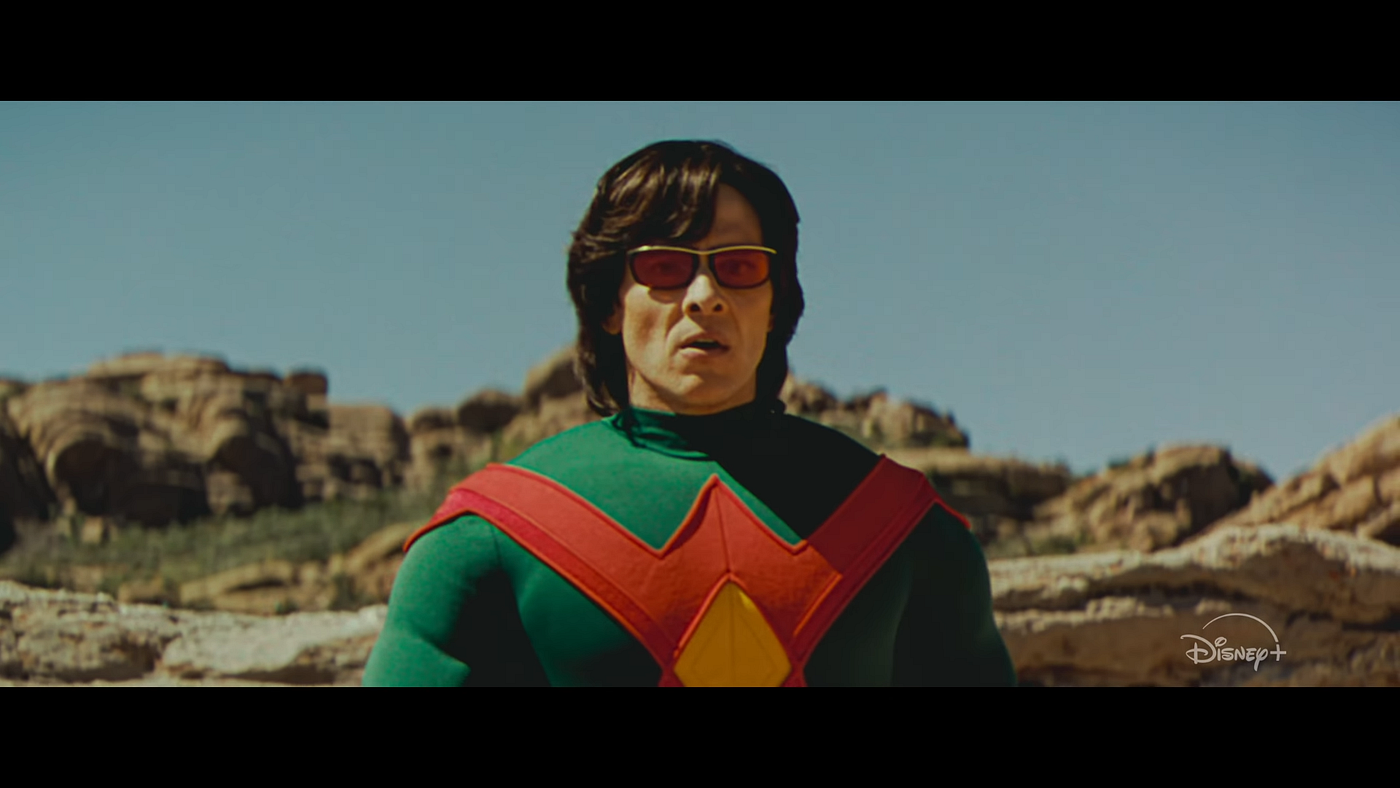
Wonder Man (2026). Credits: Marvel Studios and Walt Disney Pictures
Now, if you think I’m grasping at straws just to pick fights with mega corporations, my claims are not unfounded. Disney specifically has a track record of utilizing Gen-AI whenever given the opportunity. And of course they would. They have a stake in the game, a one-billion-dollar one to be exact.
It is tragic to see the company that started off revolutionizing the Western animation industry with classics such as Snow White end up eating from the poison apple. Disney, which has the biggest library of characters available, has opted to license them all to Sora, OpenAI’s social media home for AI-generated videos.
Why protesting against AI “art” matters
Actor-Director Ben Affleck predicted this outcome back in 2024 at the annual CNBC Delivering Alpha investor summit. He said:
“People want to make five-minute, 30-second TikTok videos where they look like the Avengers. Well, great. Just like you used to be able to buy your Iron Man costume at the store, you’re going to buy your Iron Man pack, and you and your buddies are gonna look like Iron Man and Hawkeye on Twitch. That’s what’s gonna really happen.”
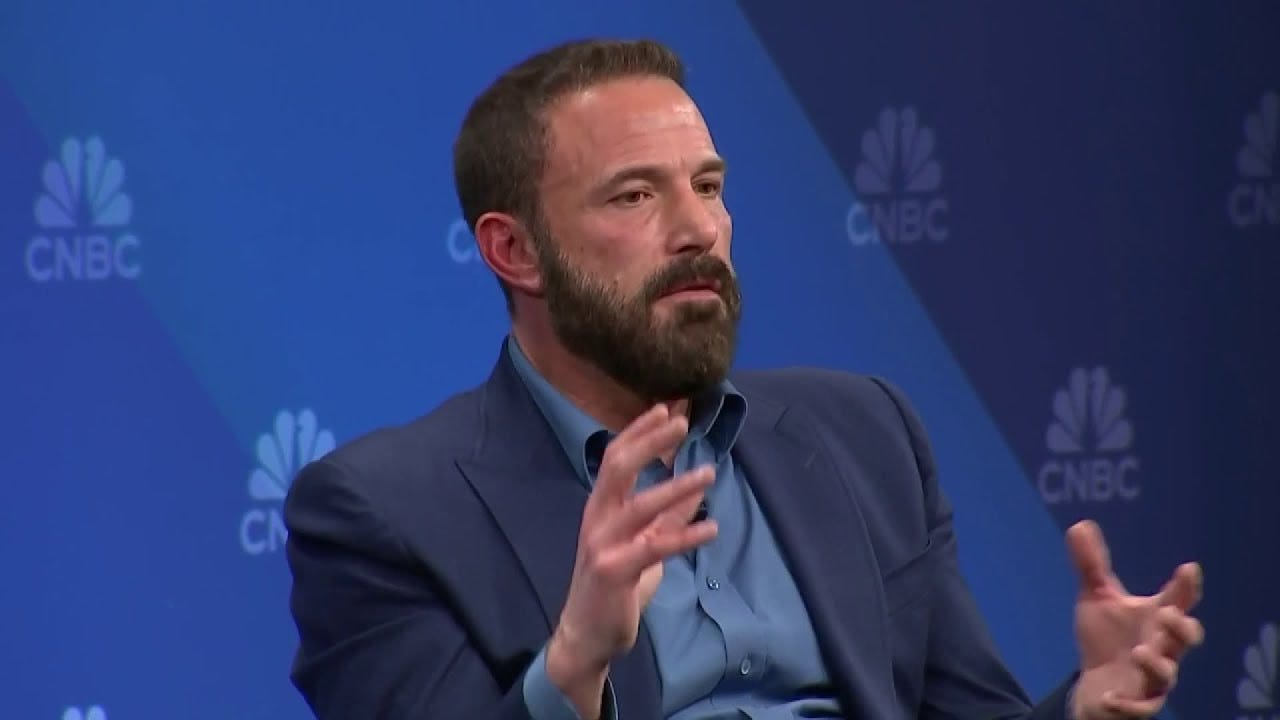
Ben Affleck on AI at the CNBC Delivering Alpha investor summit (2024). Credit: CNBC Television
People are already using Google’s free AI, Gemini, to act as if they are being photographed with Hollywood stars or models. Some have even used it to create fake behind-the-scenes photos of actors in Avengers: Doomsday. The science fiction future has arrived in the present.
The reason this matters is the same reason tech companies are fighting hard to lobby for policies in favor of AI deregulation. It is in Disney’s interest to make AI-generated “art” as indistinguishable from human expression as possible. It’s not that they couldn’t hire a proper artist. They certainly have the ability to. It’s a choice. And it is in our interest to prove that human-made art will triumph over machine copycats. That they are more valued. That people know and care about the distinction.
One could argue that a most-likely-AI poster is only a small part of a series like this, one that takes a village to release. But considering that the show’s premise is remaking the movie depicted in said poster, to squash “superhero fatigue” as mentioned in the marketing, I would argue otherwise. This is the first step in a long line of decisions that will destroy the already forgotten art of movie posters and diminish human involvement in filmmaking.
Wonder Man (2026). Credits: Marvel Studios and Walt Disney Pictures
To me, the poster is not a background asset; it is a test to see if audiences notice or care enough to complain. After all, the use of AI detracts from the story that Wonder Man’s writers and actors want to tell. The poster is meant to be from an earlier time, a vintage leftover from Simon Williams’ childhood, but it looks like it’s made with AI prompts in the present, betraying its facile nature.
Unlike Hildebrandt’s iconic Star Wars poster, or even cheaply made B-movies like Superman and the Mole Men, the poster in Wonder Man is not the type that a kid would put on their bedroom wall. It expresses nothing and conveys no information. It only serves to look like something else, pointing to other posters we might recognize. And isn’t that just a perfect metaphor for Disney’s present predilections?

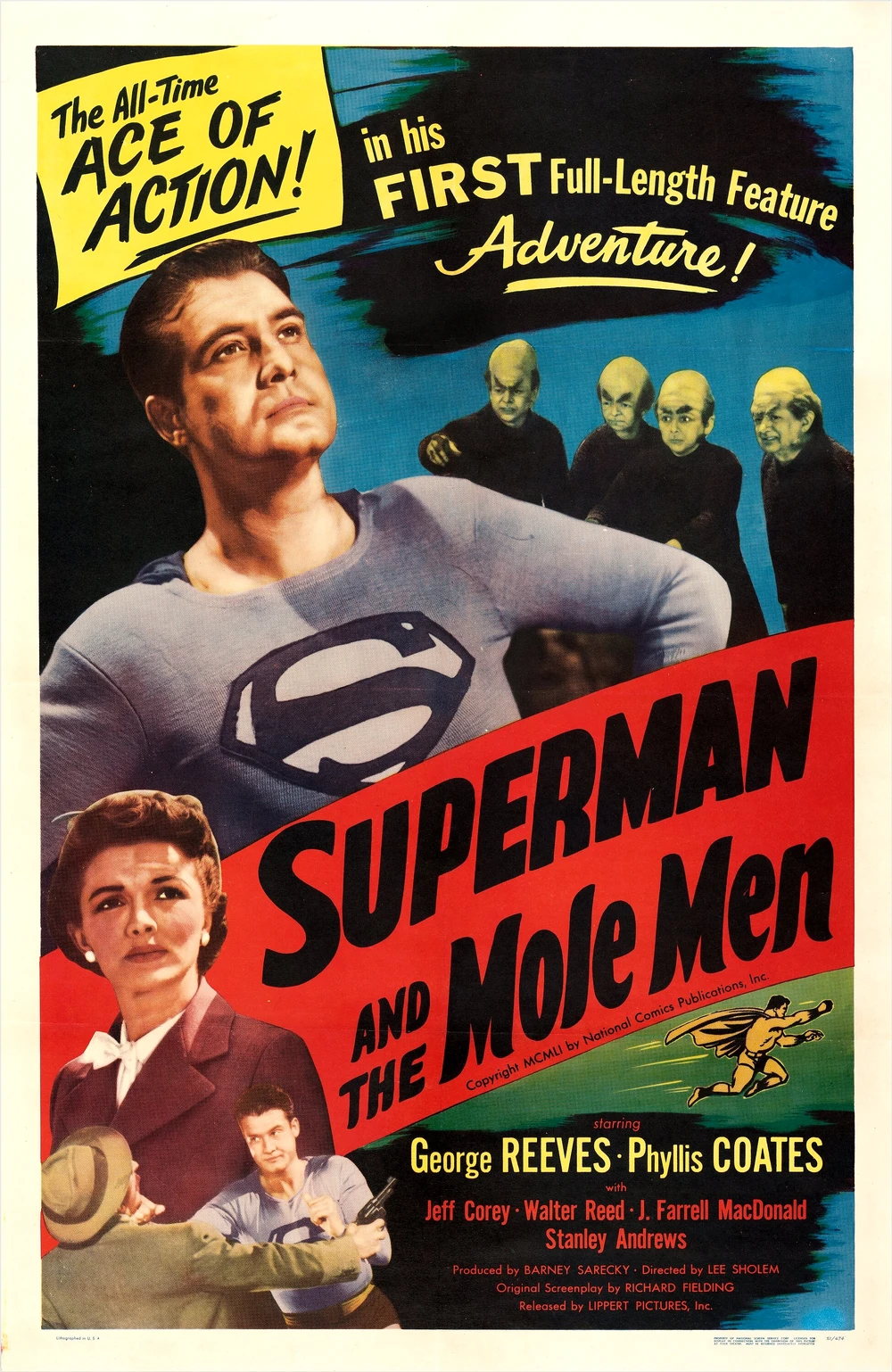
Star Wars theatrical poster (1977). Credits: Twentieth Century Studios and Walt Disney Pictures (left) and Superman and the Mole Men poster (1951). Credits: Lippert Pictures and Warner Bros. Pictures
Corporations only speak in terms of profit. The welfare of the arts and the artists who make them is secondary. If speaking up and refraining from consuming a series because of its AI usage reduces Disney’s revenue, then perhaps, and only then, can AI proliferation in future media be less normalized.
Besides, it is our right to demand better from our arts. Why settle for low-quality and low-effort entertainment? Are our tastes that base? By pointing it out, we discourage Disney from underestimating their consumers, thinking we’ll buy into everything they’re selling just because they slap a Marvel or Star Wars logo on it. This is how we tell them we’re looking for art, not assembly line products.
And what happens when we win? When AI adoption is relegated to sectors that truly benefit from it, like healthcare and security? The result is good art. Hand-crafted, human, and resonant. What happens when we lose? Another empty addition to the Disney+ roster that no one will rewatch or remember.
We protest because if they are not willing to put effort into the details, then why should we pay attention? What’s at stake is quality and the livelihood of artists, whose future is on the line. Let me ask you this: Is AI art worth the monthly subscription fee?
Stained track record
But what of AI-generated posters? It’s not uncommon for comic book aficionados to prompt their fan-casts of favorite actors to be in comic-accurate superhero costumes and then have them pose unflatteringly together. It’s the modern lesser-skilled substitute for the early internet days of poorly photoshopped posters. If not creative, it at least has roots since the dawn of digital fandom.
It is another thing entirely for the multi-billion-dollar company that owns these intellectual properties to do it. With near-limitless access to talent and an enviable amount of proprietary resources, it is baffling that they would even consider an autonomous shortcut. Yet it is exactly what happened and is still happening at Disney. But the final result speaks for itself. You can’t cheat the manpower and hours needed on a project just by typing “generate” in a one-sided chat room. The process is inextricable from the piece. The work is part of the art.
Another Disney+ series, Loki Season 2, had a little-known case of Gen-AI usage in one of its primary posters. And remember, this is before they were as widely used in advertisements as they are now. Disney has been using Gen-AI since the very beginning, which is ironic, given the company’s history as a pioneer of hand-drawn animation.

Loki Season 2 poster with AI-generated elements (2023). Credits: Marvel Studios and Walt Disney Pictures
Disappointingly, things only get worse from there. In the case of AI, Disney is a repeat offender. When the critically panned and universally disliked Secret Invasion series starts with a fully AI-generated intro, it is clear that art or intent is no longer the main motivator of creation. Many excuses were used as ammunition, but none helped to defend the show’s incoherent visuals and lazy execution.
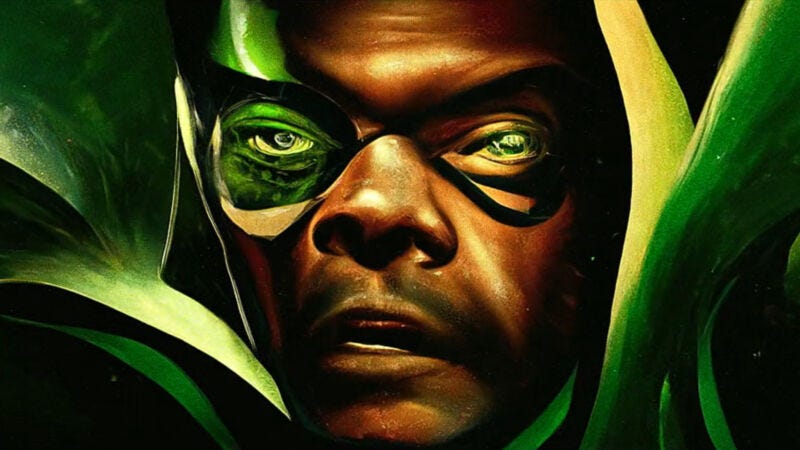
Secret Invasion’s AI-generated opening titles (2023). Credits: Marvel Studios and Walt Disney Pictures
Hand-painted movie posters are one of the lost arts of a bygone era, missing in action like background matte painters. They are left behind by more efficient alternatives, replaced by the ease of Photoshop, and now assisted by the even easier Gen-AI. Every advancement reduces human input. And with it, artistic vision is left on the cutting room floor. Modern posters are relegated to serviceable commercials, a means to an end, committee-made to sell seats. To pay homage to retro 80s posters but not attempt even the most half-hearted of paintings is sadly emblematic of the entire Disney corporate brand.
What this means for Disney
If elements of a movie can easily be replicated by typing prompts, with no account for skill, why bother buying a ticket? The point of entertainment is that it is created by the best artists. AI is the opposite of that. It’s not unique. It’s homogenous. Who wants to see art that anyone can make on their phone?
By allowing the use of Gen-AI and giving free rein for Marvel superheroes to be generated by the public in any way they want, Disney has made them virtually public domain. Anyone with enough fan fiction juice and purchasable AI tokens can make a Marvel video now, complete with the likenesses of their real actors.
Ironically, Disney is preparing AI to be the instrument of their own obsolescence. By providing consumers with the tool to create whatever kind of content they want, they remove themselves from the equation.
AI affords anyone the ability to stop weighing hypotheticals in the air, instead solidifying them in any fictional world they want with their preferred characters, building a bubble where no opposing opinions may enter. AI gives everyone their own private versions of Iron Man and Wonder Man, catering to each person’s childhood imaginations, detached from any actual artists’ intentions.
Sure, it starts with opening titles and posters, but there are already AI shorts and fan-made teasers. In fact, when you search Wonder Man on Google, one of the top images is AI-generated, and it is decidedly not from Disney. Before you know it, a whole slew of a movie’s parts are going to be made with AI.
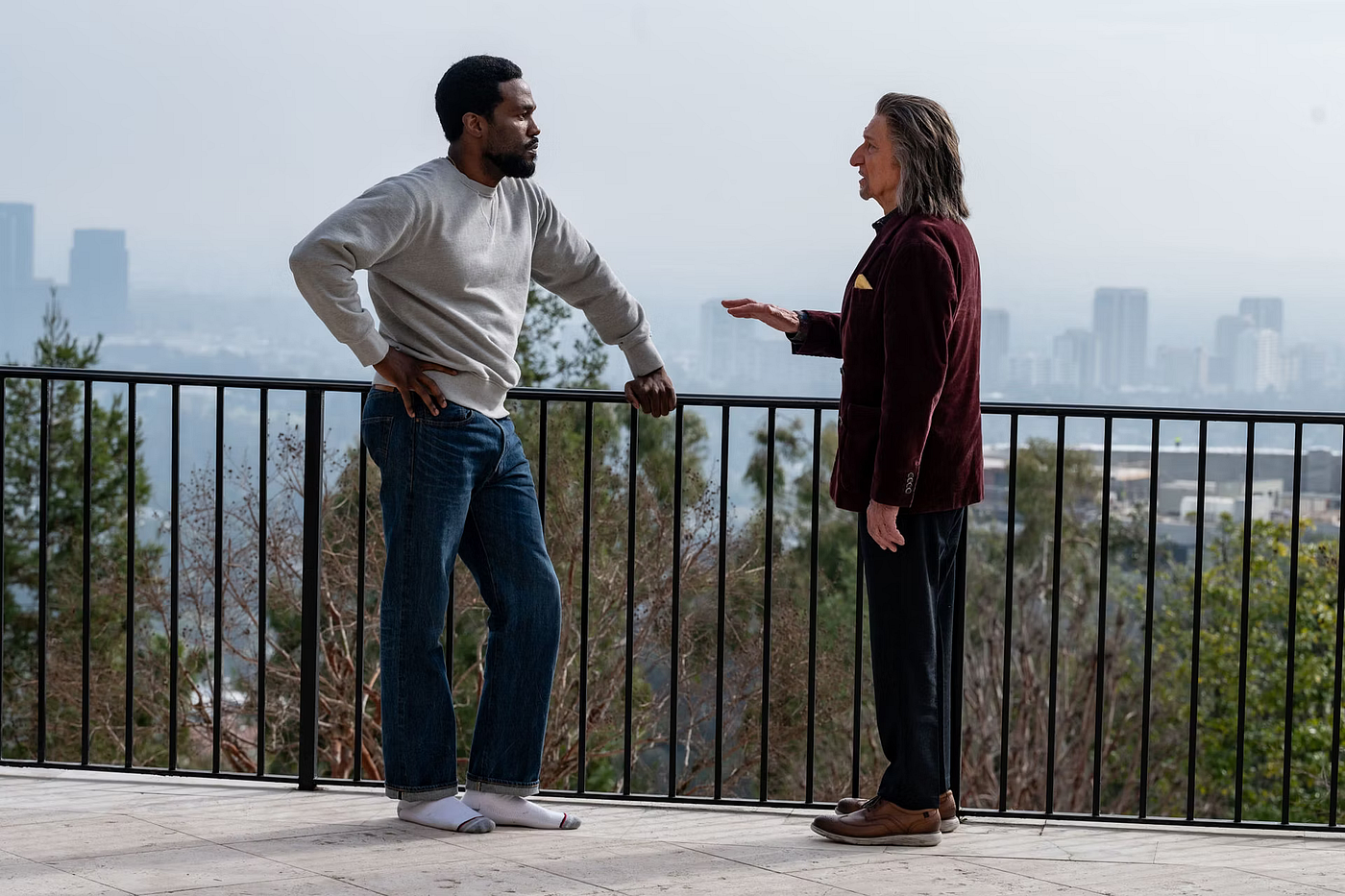
Wonder Man (2026). Credits: Marvel Studios and Walt Disney Pictures
Many have debated that, if there is no actual AI inclusion in Wonder Man, we have gathered our pitchforks for nothing. But being critical is no crime, and I would argue that any move to make Disney think twice before using Gen-AI is the right one.
If it looks like AI and feels like AI, if genuine comic book artists can tell that it’s AI, then people shouldn’t so quickly jump to defend a multi-billion-dollar corporation. It is easy for the company to deny people’s claims. That’s what they’re counting on. Wouldn’t it be better if we all stood with the artists? Those who could have easily been paid and been happy to make a hand-drawn poster for real. I mean, Marvel has no problem having Alex Ross consistently paint museum-level comic book covers for crying out loud.
Wonder Man may be a good, honest-to-god shot at metacommentary. I’m sure it’s funny, and I have no doubt the performances will be exemplary, as is the case in almost all of these. But talent is nothing in an environment where artists aren’t appreciated. And using Gen-AI is a shot in the face for the talented artists in Disney’s employ. If the show’s solution to “superhero fatigue” is to use AI art, then is its message even worth listening to?
When AI is used to poke fun at or nod to man-made art, being used to exploit cheaper labor for a higher return on investment, it must not be let loose, lest it be valued equally with the original. Self-awareness with no follow-through is stubbornness. Self-critique while doing the same practices it criticizes is hypocritical. And Wonder Man’s cynical decision to forgo man-made art casually undermines the people behind its production, making me wonder why it even exists at all.
메타데이터
- post_id
- 80468d876f92
- slug
- disneys-recidivist-use-of-ai-in-wonder-man-80468d876f92
- url
- https://medium.com/theuglymonster/disneys-recidivist-use-of-ai-in-wonder-man-80468d876f92
- canonical_url
- https://medium.com/theuglymonster/disneys-recidivist-use-of-ai-in-wonder-man-80468d876f92
- author_url
- https://medium.com/@anjenu
- status
- ok
- fetched_at
- 2026-06-10 18:44:10