What Determines Our Aesthetic Taste
Why do certain subjects appear in my photographs
What Determines Our Aesthetic Taste
Why do certain subjects appear in my photographs
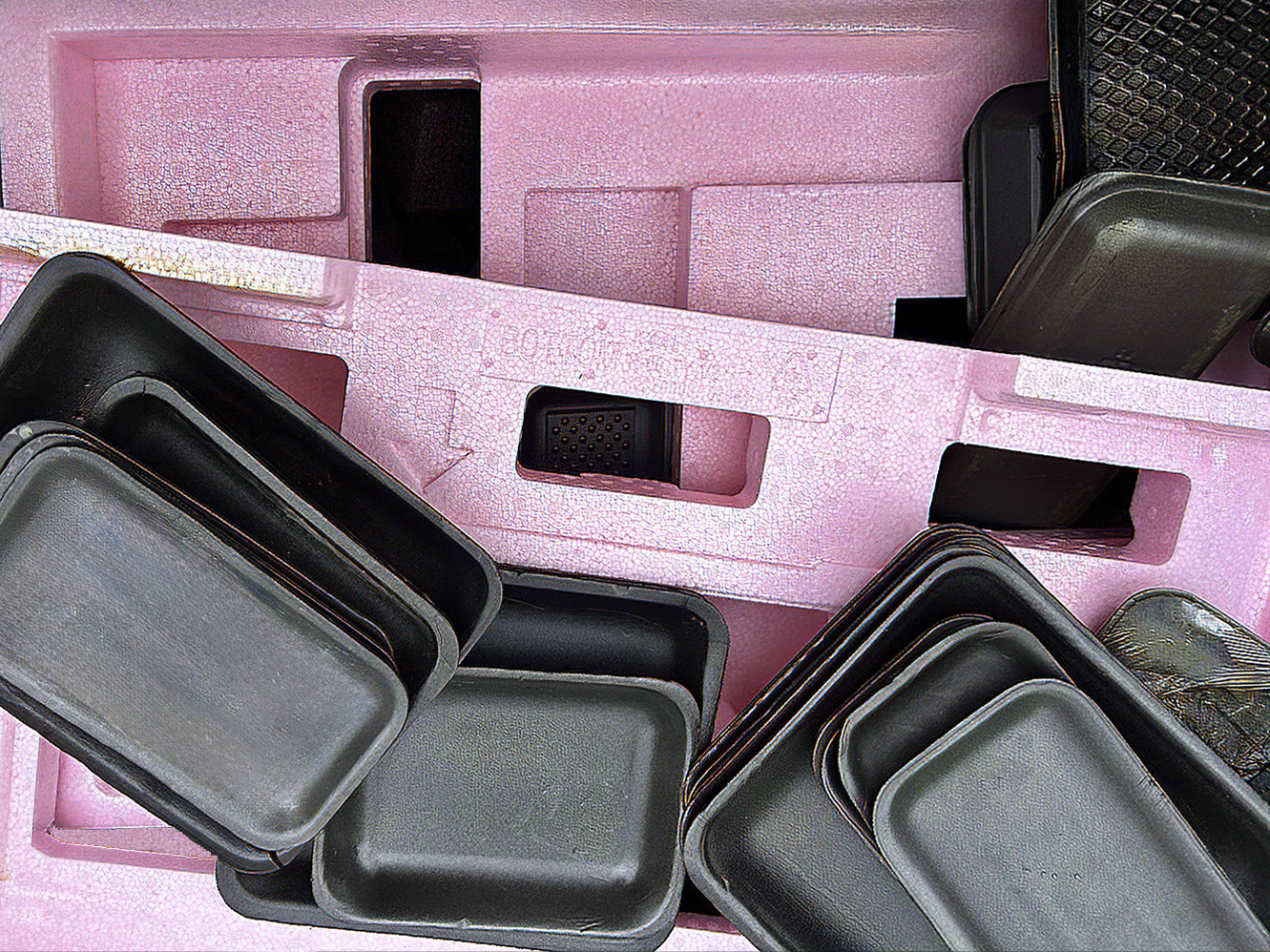
Photo by author
What motivates a photographer to photograph a banal subject, such as a pile of discarded styrofoam? After all, this is not a snowy mountain peak at sunrise that you hiked hours in extreme conditions to capture. It is a pile of unwanted items in a bin at a recycling depot. Little effort required.
That question spun in my head after reading this observation in a recent story by Cliff Fawcett published in Full Frame:
“When you raise your camera to your eye, you don’t start with nothing. You are starting with the entire, chaotic, infinite reality of the world. And it is your job to decide what to put in and more importantly, what to leave out.”
I would refer to that idea as “aesthetic taste,” the ability to perceive, evaluate, and prefer certain forms of artistic quality, determined by a combination of factors arising from several interacting elements.
Let’s start with visual elements: color, shape, proportion, texture, and composition.
If I examine the cover photo, then some of the elements that pop up are color, the pink and black make a statement. The repeated rectangular shapes create a pattern. The composition is divided into two segments, one predominantly black and the other pink. Yet in the opposite corners, the colors are reversed.
Taste involves interpretation, which is where cognitive factors come into play. Recognition of patterns, balance, contrast, and coherence. Add to that the appreciation of originality, craftsmanship, and meaning. The cherry on top is the ability to understand context and intention.
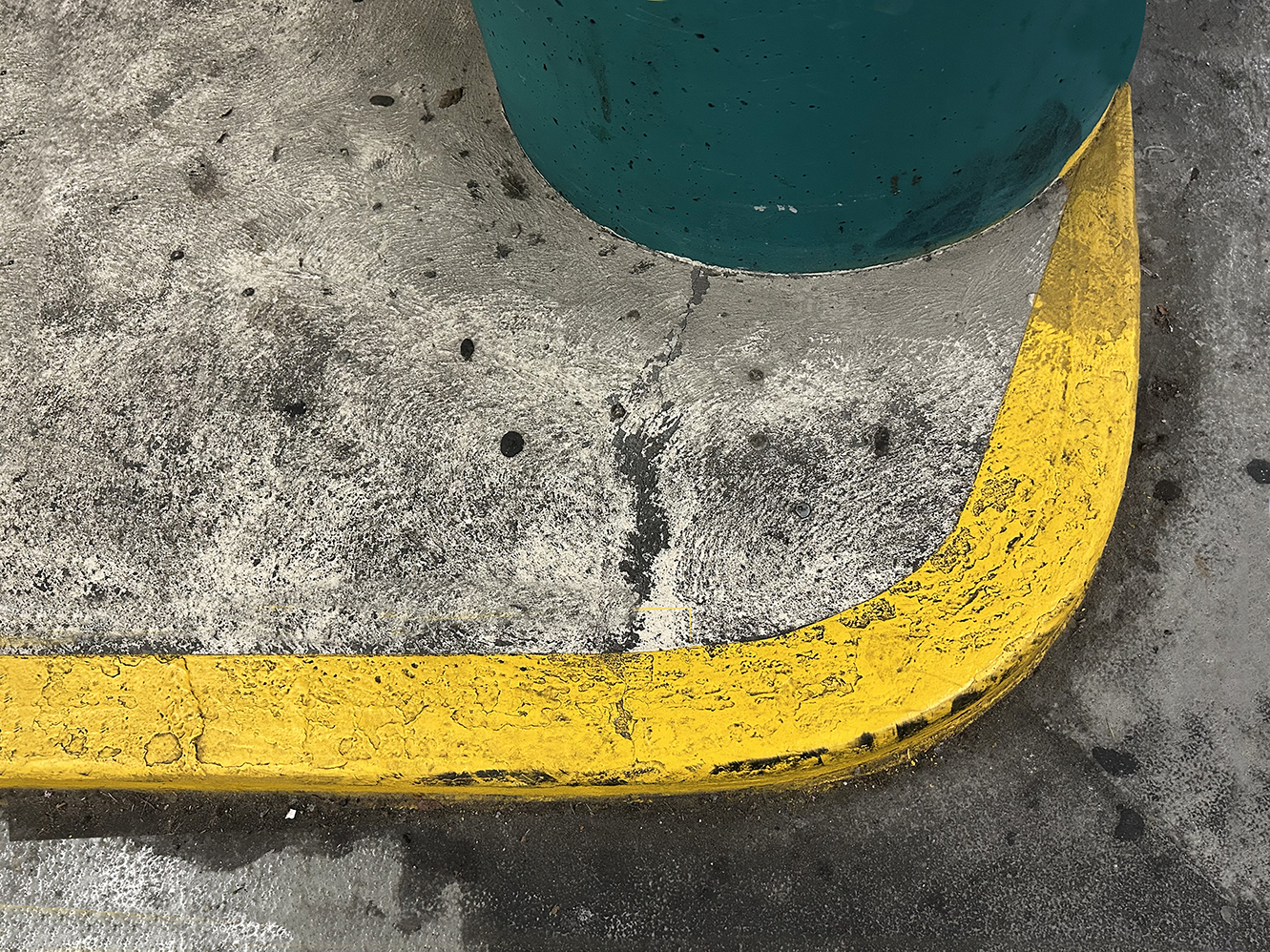
Photo by author
Many philosophers, including David Hume and Immanuel Kant, argued that aesthetic taste develops through experience, comparison, and cultivated judgment, rather than being purely innate. I did not start my photographic career photographing styrofoam or parking lot markings; I started like everyone else, photographing pretty things.
As amateurs, we gravitate towards natural beauty: flowers, sunsets, birds, because it’s easy. It takes time to drift away from pre-packaged aesthetics and to begin making images that challenge the viewer and immerse them in our vision.
In short, aesthetic taste arises from the interaction of perception, culture, education, emotion, cognition, personal experience, and social influence, all filtered through an individual’s ongoing engagement with artistic expression. I’ve been a photographer for many decades, so I have walked many streets to land where I find myself nowadays.
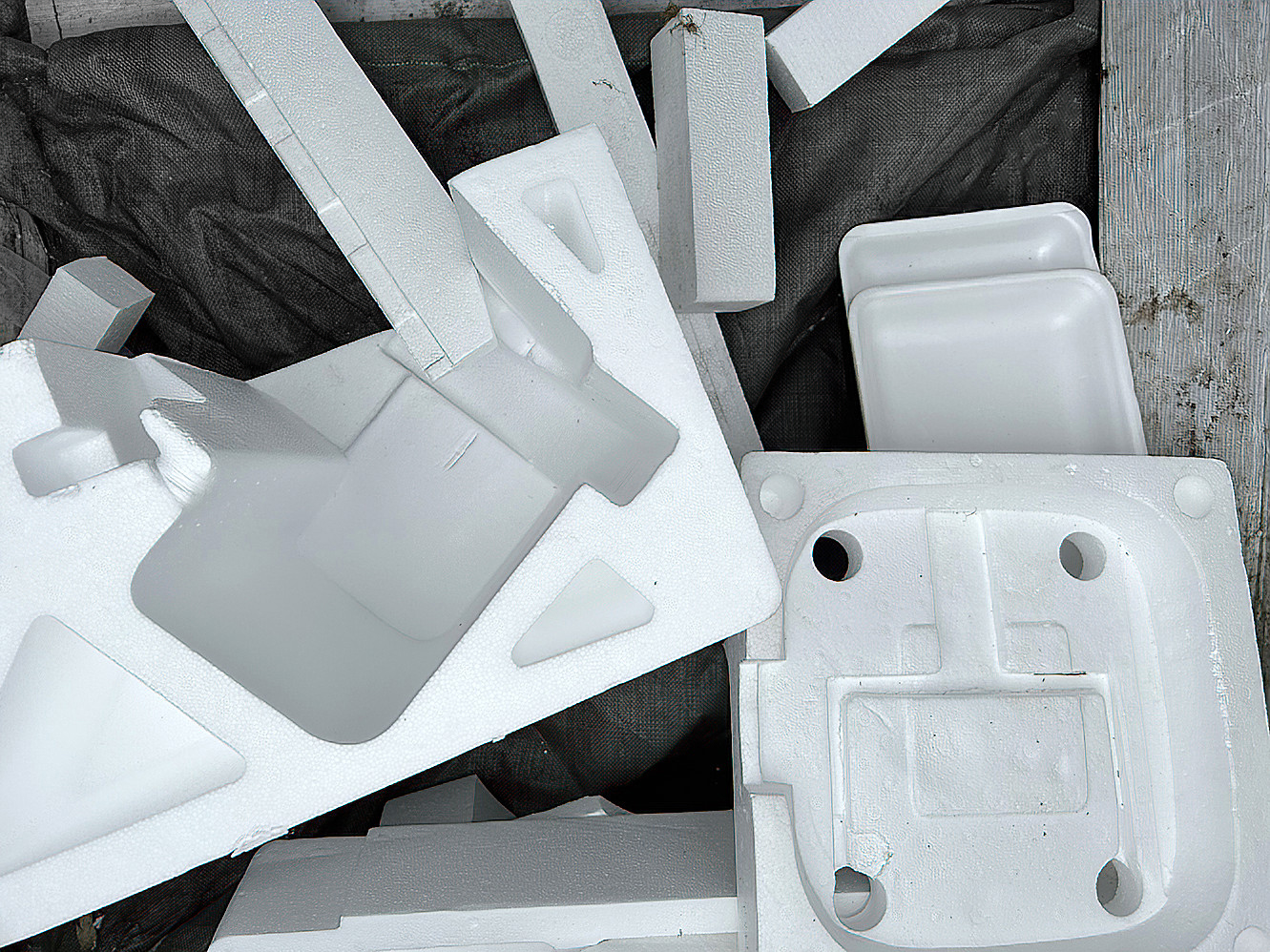
Photo by author
I have abandoned the pretty, the ready-made, the seen-that-before, and taken the road less traveled. I gravitate toward images that make me dig, stretch, expand, and extract beauty and innovation from subjects that, at first glance, seem to lack aesthetic interest.
It is work that I enjoy, regardless of popular opinion. Styrofoam may not be everyone’s cup of tea, although, sadly, it is served in styrofoam at times; however, it aligns with my aesthetic taste. It is what keeps me motivated to keep making photographs. Extracting beauty from where there is none is one of my guiding principles.
메타데이터
- post_id
- 805327fec0b5
- slug
- what-determines-our-aesthetic-taste-805327fec0b5
- url
- https://medium.com/full-frame/what-determines-our-aesthetic-taste-805327fec0b5
- canonical_url
- https://medium.com/full-frame/what-determines-our-aesthetic-taste-805327fec0b5
- author_url
- https://medium.com/@Peekassoh
- status
- ok
- fetched_at
- 2026-07-08 17:17:42