You Probably Do Not Need a Second Watch — You Need a Second Strap
Most men buy multiple watches to cover different parts of their week. A strap change There is a common pattern in how men build a watch…
You Probably Do Not Need a Second Watch — You Need a Second Strap
Most men buy multiple watches to cover different parts of their week. A strap change There is a common pattern in how men build a watch collection over time. One watch for the gym or outdoor activity. One for the office. Maybe a third for evenings or special occasions. The reasoning feels sound in the moment — different contexts seem to call for different tools, and a watch is treated the same way a man might think about footwear or jackets, where having a few specialised options genuinely makes sense.
The problem with applying that same logic to watches is that it overlooks the single component most responsible for a watch’s contextual character: the strap.
What a Strap Actually Changes
A watch case and movement determine the technical capability of a watch — water resistance, accuracy, durability, legibility. None of that changes when you swap a strap. What changes entirely is the visual and tactile character of the watch, and that character does most of the work in determining whether a watch reads as appropriate for a given context.
A steel bracelet signals polish and formality. It is the strap most associated with “serious watch” in the general cultural understanding, and it transitions cleanly between office, dinner, and most social settings.
A nylon strap signals durability and activity. It is breathable, resistant to dirt and sweat, and visually reads as rugged and outdoor-oriented regardless of how technically capable the watch underneath actually is.
A rubber strap signals water-readiness and low-maintenance practicality. It dries quickly, does not absorb odour or moisture the way fabric straps can, and pairs intuitively with any activity involving water exposure.
None of these associations are really about engineering. They are about visual and tactile signalling — but that signalling is precisely what determines whether a watch feels “right” for a given moment, independent of its actual underlying specification.
The Cost Comparison Most Buyers Never Run
A second or third watch, even at a modest price point, typically costs more than a strap. A genuine spec-forward watch in the $150–$250 range represents a meaningful purchase. A quality strap in nylon, rubber, or steel typically costs a fraction of that, particularly for a watch built on a standard lug width that accepts widely available aftermarket straps without requiring specialty parts.
Run the comparison honestly: three watches at $180 each is $540 to cover three contexts. One watch at $180 plus two additional straps at a combined cost well under $100 covers the same three contexts for a fraction of the total spend — and the underlying specification (movement quality, water resistance, crystal material) stays constant and high across every context, rather than being diluted across three separate, likely lower-spec purchases made to fit three different budgets.
Why Lug Width Matters More Than Most Buyers Realise
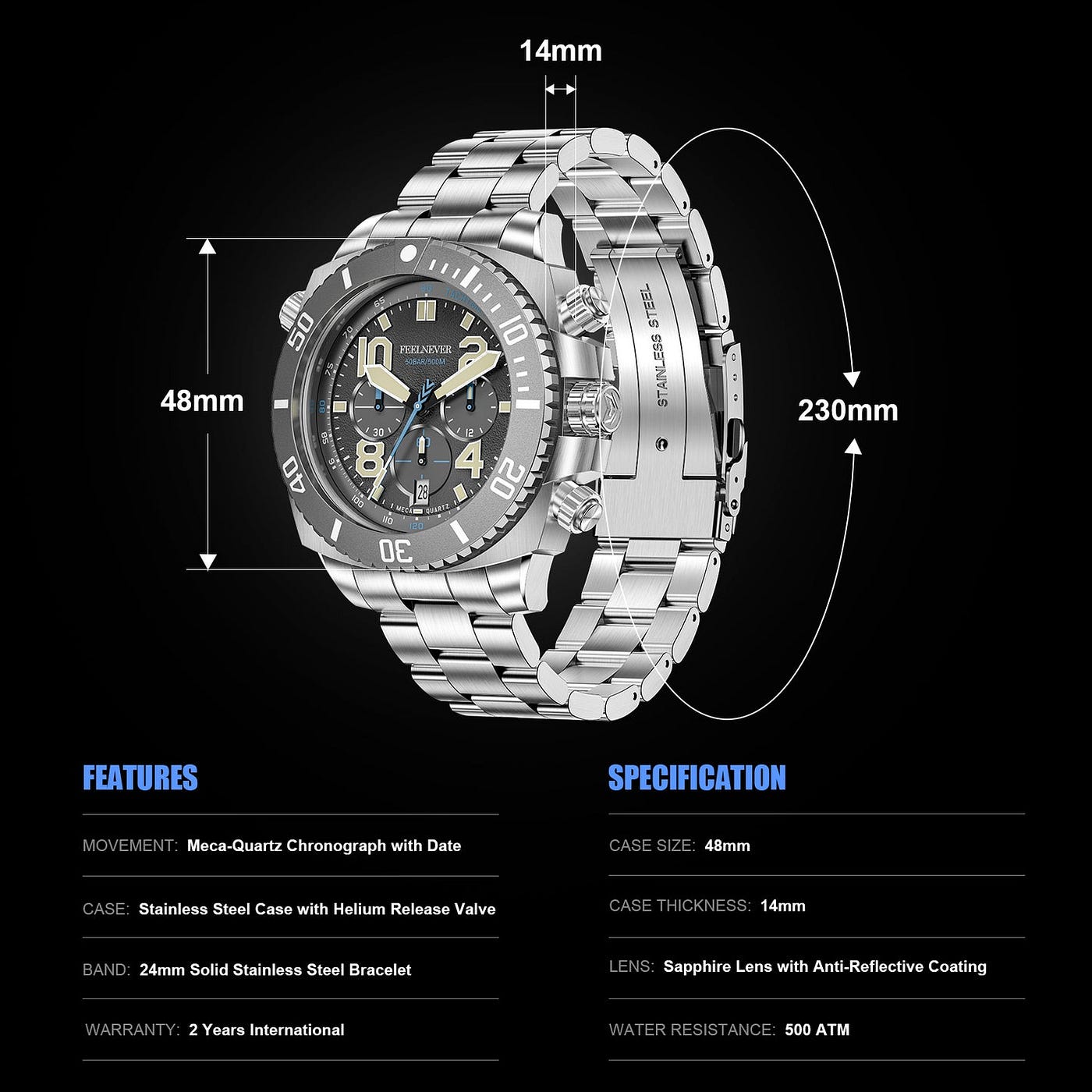
The practical enabler of this entire strategy is lug width — the measurement of the gap between a watch case’s lugs, which determines what straps will physically fit. Most watches in the sport and dive watch category use standard widths (commonly 20mm, 22mm, or 24mm), which makes them compatible with a vast aftermarket of straps in every material imaginable.
A watch with a standard lug width and quick-release spring bars can have its strap changed in under a minute, without tools, without a jeweller, and without risk to the case. This is a detail that rarely appears prominently in marketing copy but quietly determines whether a watch can function as a true one-watch solution or whether it is locked into a single context for its entire ownership life.
Before assuming you need a second watch for a different context, it is worth checking whether your current watch uses a standard lug width — because if it does, the actual solution may be considerably cheaper and simpler than a second purchase.
What This Looks Like in Practice
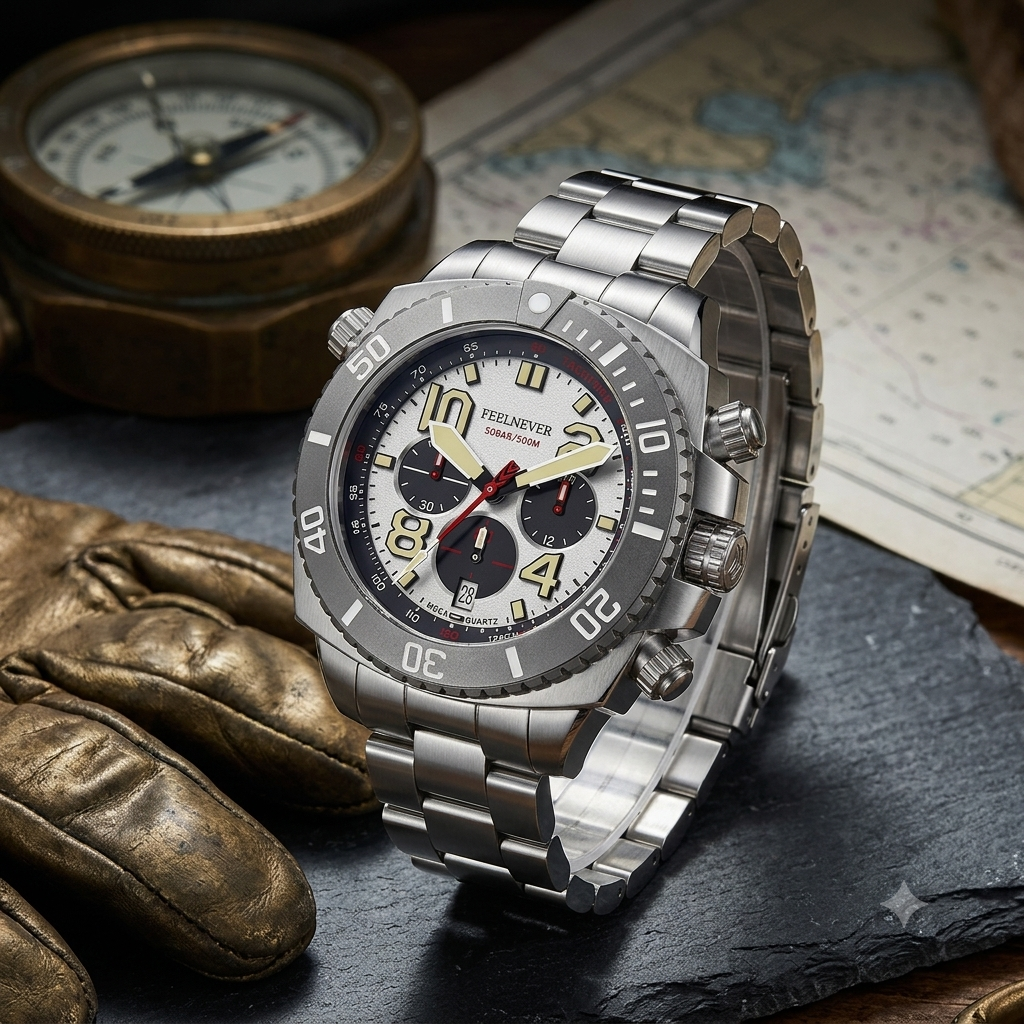
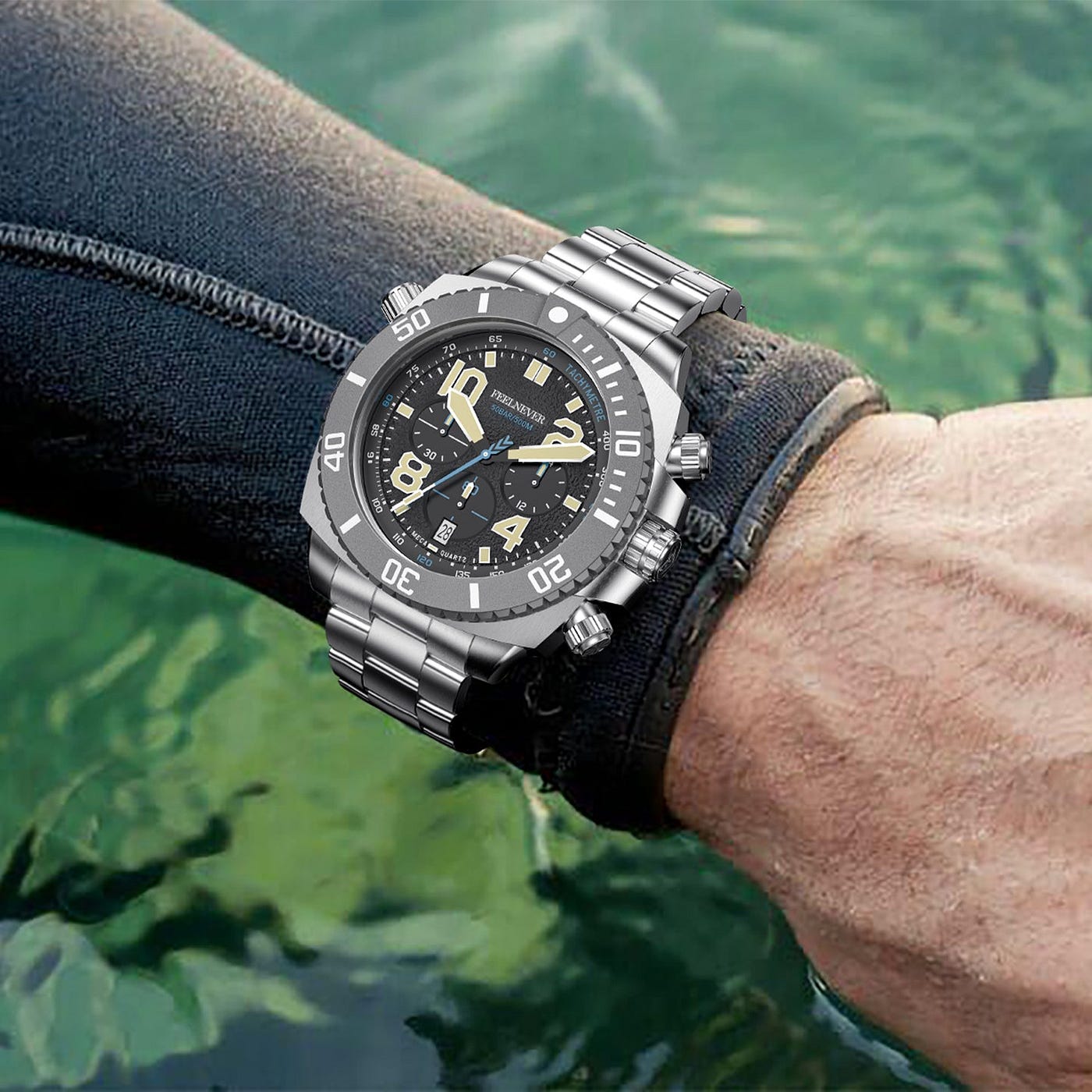
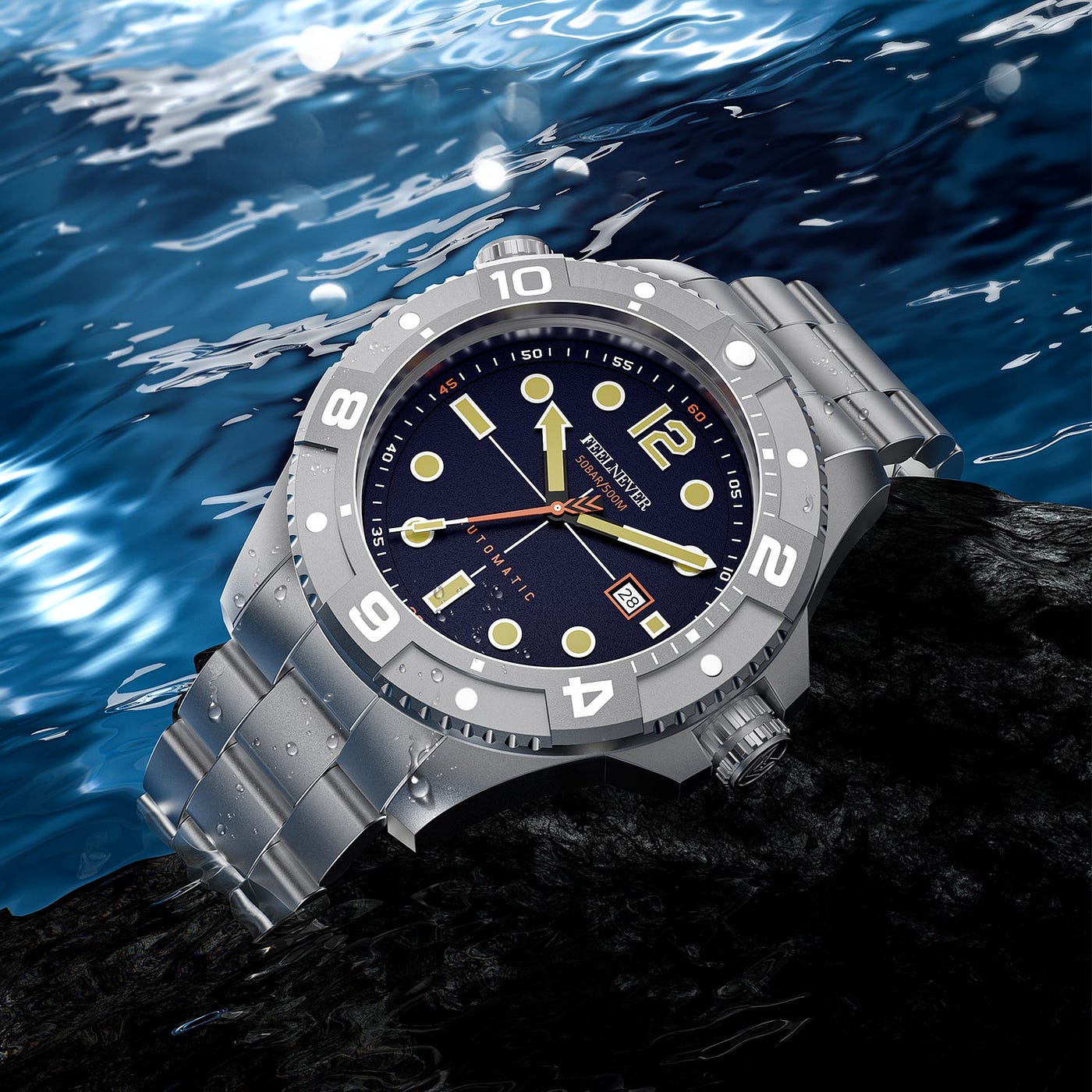
A heavy-duty mechanical diver with a genuine 500M water resistance rating, sapphire crystal, and a standard lug width is a watch that can credibly serve three distinct roles without compromise to any of them:
On a nylon strap, it reads as outdoor-ready — appropriate for hiking, travel, and active weekends where durability and breathability matter more than polish.
On a rubber strap, it becomes the water-day watch — pool, beach, boat — pairing its genuine water resistance with a strap material built for exactly that environment.
On a steel bracelet, it returns to its default presentation — substantial, polished, appropriate for the office and most social contexts.
The technical specification underneath does not change across any of these. The same mechanical movement keeps time. The same sapphire crystal resists scratches. The same 500M rating handles water exposure. Only the strap — and the contextual signal it sends — changes.
The Honest Limitation
This strategy works best with watches built on genuinely standard lug widths and straightforward spring-bar attachment systems. Some watches, particularly those with proprietary or unusually sized lugs, limit strap options to brand-specific accessories, which reduces both the cost savings and the flexibility described here. Before committing to this approach, confirm the specific lug width and attachment system of the watch you own or are considering.
For buyers evaluating a single capable watch against multiple specialised purchases, this is worth checking before deciding that a second watch is the only solution.
For a fuller look at choosing a dive watch that genuinely fits a varied daily lifestyle: https://www.futurewristtech.com/blogs/news/best-dive-watches-everyday-wear
메타데이터
- post_id
- 80bdb77cf3f2
- slug
- you-probably-do-not-need-a-second-watch-you-need-a-second-strap-80bdb77cf3f2
- url
- https://medium.com/@futurewristtech123/you-probably-do-not-need-a-second-watch-you-need-a-second-strap-80bdb77cf3f2
- canonical_url
- https://medium.com/@futurewristtech123/you-probably-do-not-need-a-second-watch-you-need-a-second-strap-80bdb77cf3f2
- author_url
- https://medium.com/@futurewristtech123
- status
- ok
- fetched_at
- 2026-07-16 19:47:57