Motion as Mind: Interface, Meaning, & Graphic Design Inner Dynamics
ELGN
Motion as Mind: Interface, Meaning, & Graphic Design Inner Dynamics
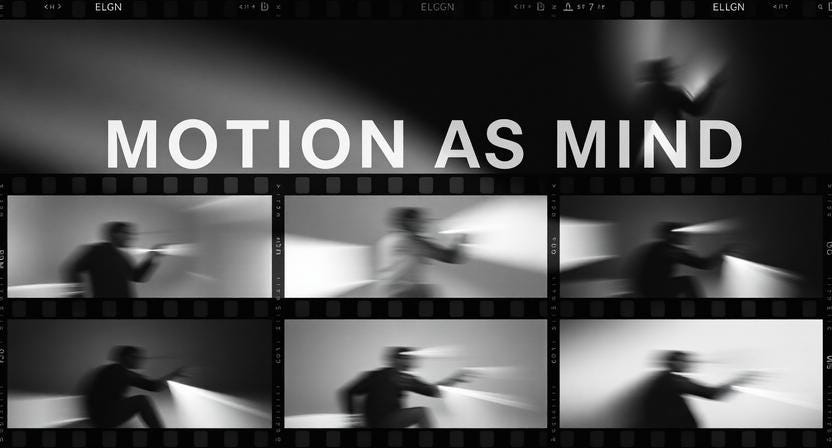

How Digital Design Becomes Thought, Emotion, and Sensory Presence
“Design is thinking made visual.” — *Saul Bass*

Modern digital design is no longer a canvas. It has become a living system — a choreography of perception, cognition, and emotion. When we speak of motion graphics, adaptive identities, modular systems, experimental forms, multi-sensory expression, and emotional resonance, we are speaking not merely of interface style but of how human consciousness itself engages with meaning. This is a thesis grounded in perception, psychology, and philosophy — not futurism.
Motion Graphics: The Pulse of Attention
Motion graphics are often mistaken for ornament. In truth, they are cognitive scaffolds — visual signals that guide the viewer’s expectations and emotional response. As the art and perceptual psychologist **Rudolf Arnheim — Wikipedia (Gestalt theory and visual perception)* (1904–2007) emphasized, movement in visual form organizes thought rather than simply decorating it. Arnheim’s work in Art and Visual Perception* reframes motion not as embellishment but as structural language woven into perception itself. Wikipedia.

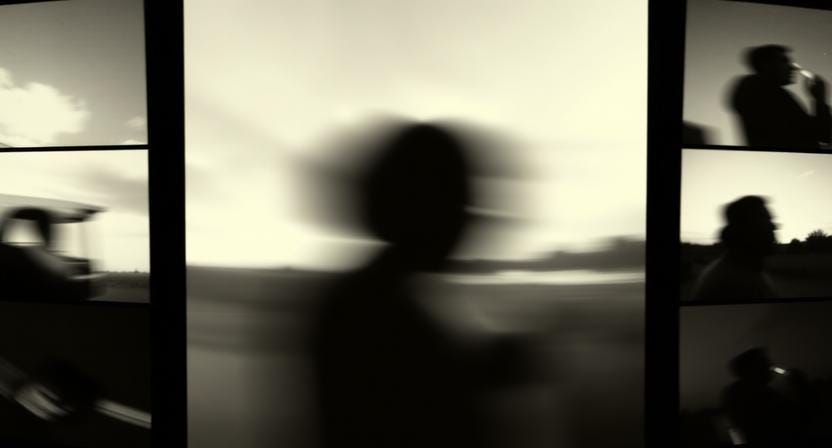
Graphical Illustration for the Article, 2025, ‘Temporal Variation’ ELGN
From motion in graphic interfaces to deliberate animation in interface elements, designers today choreograph temporal narratives. Every easing curve, every micro-interaction, carries psychological weight — shaping user expectation, signaling causality, and facilitating cognitive ease by reducing mental friction.
Consider a button that “breathes” slightly when hovered. This micro-movement is more than decoration; it communicates affordance, a term from psychologist James J. Gibson, signaling to the user that the element is interactive. The subtle oscillation mirrors human anticipation, creating a rhythm that aligns with the cognitive expectation of cause and effect.
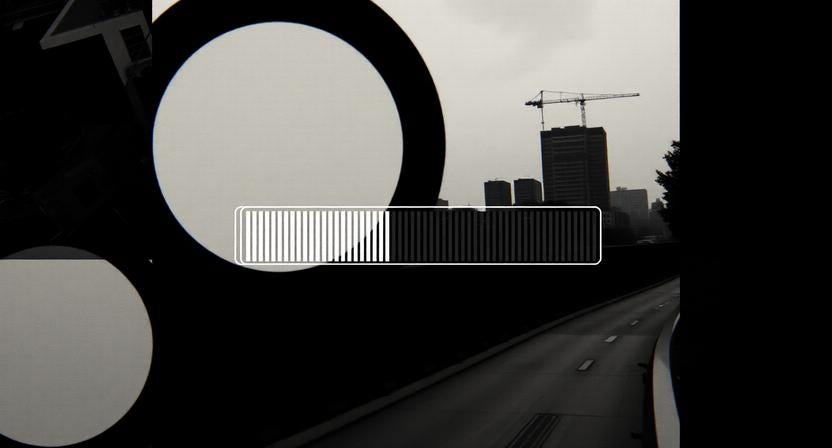
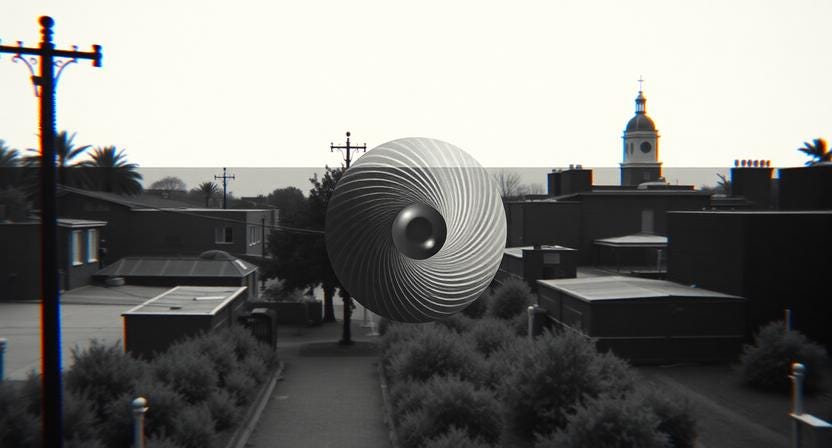

Or take progress animations in forms and loading states. Rather than a static spinner, dynamic progress bars or morphing shapes provide temporal feedback, reducing uncertainty. Daniel Kahneman’s work in cognitive psychology shows that people feel more at ease when events follow predictable, visually intuitive patterns — motion here reduces mental friction and strengthens trust.

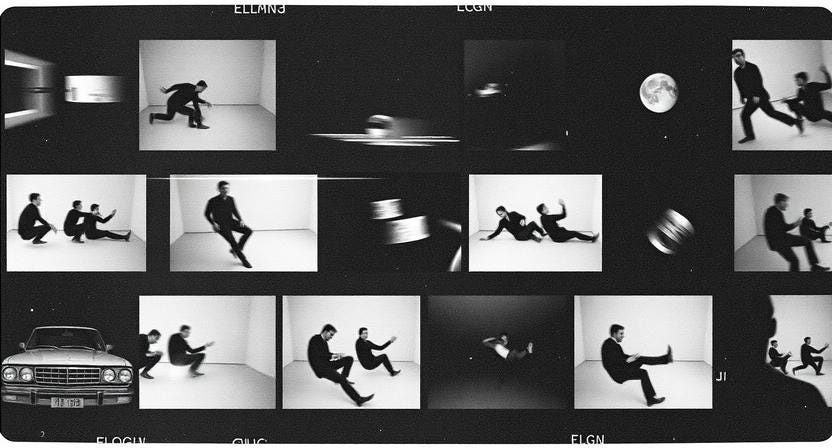
Even scroll-based micro-interactions tell a story: as a card expands, rotates, or slides into view, the user’s attention is guided in space and time. This reflects Rudolf Arnheim’s insight that perception is inherently dynamic: motion does not merely attract the eye, it structures thought. Interfaces thus become micro-cinemas, compressing narrative, function, and emotional resonance into milliseconds.

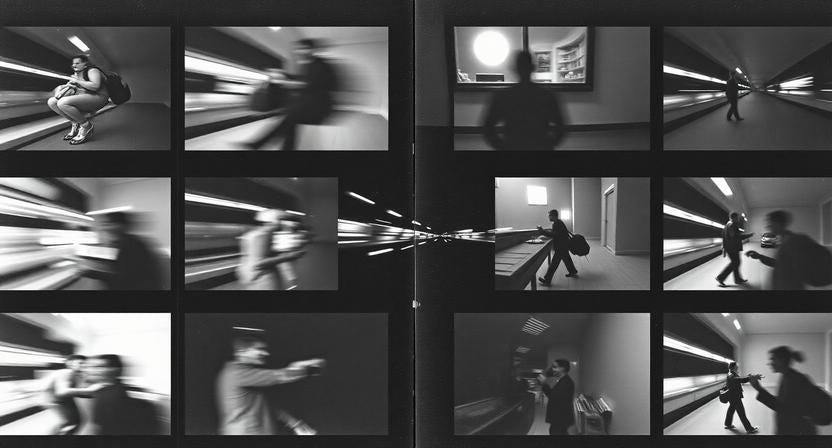
Graphical Illustration for the Article, 2025, ‘Adaptive Variation’ ELGN
Adaptive Identity: Logos in Motion
The modern identity mark is no longer fixed; it is responsive, context-aware, and dynamic. This reflects a deeper philosophical insight: identity is not static, it is relational and temporal. Similar to how people perceive meaning in real life as context-dependent, adaptive logos become living symbols — evolving in rhythm with the digital environment and user state.
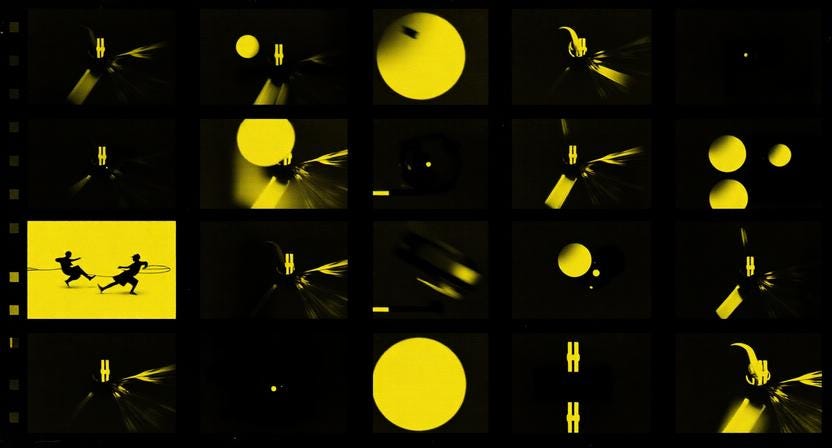
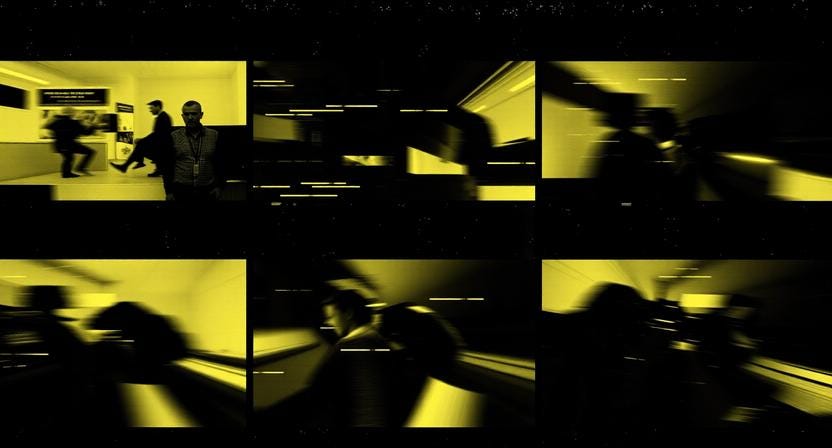
Graphical Illustration for the Article, 2025, ‘Resemblance Variation’ ELGN
Modular Systems: The Grammar of Interfaces
The modular approach to design functions like grammar — it provides the syntax through which interface elements talk to users. Modular systems enable repetition, variation, and coherence, allowing motion and identity to weave a semantic network. This mirrors anthropological insights into the structures that underlie meaning across cultures.


Graphical Illustration for the Article, 2025, ‘Resemblance’ ELGN
Here we can trace the echo of **Claude Lévi‑Strauss — Wikipedia (Structural anthropology)* (1908–2009), whose structuralist lens framed cultural expressions not as isolated artifacts but as interwoven systems of relations. Just as Lévi‑Strauss sought universal patterns in myth and ritual, modern design systems hunt for the invisible grammar that renders interfaces intelligible — not through resemblance, but through structure*.
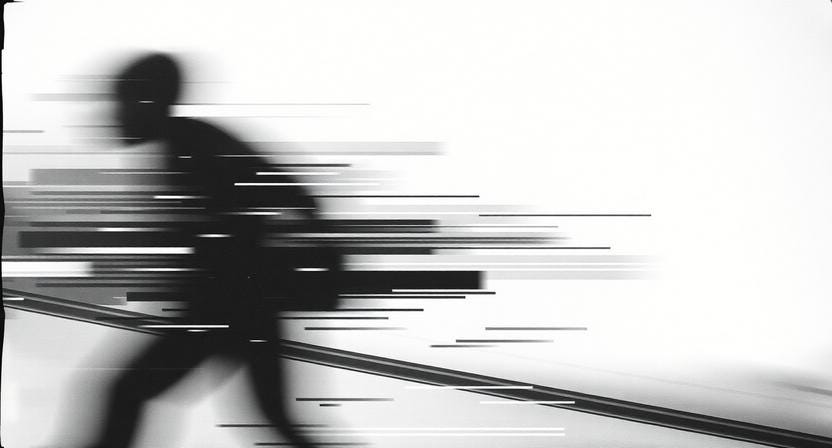

Graphical Illustration for the Article, 2025, ‘Micro Motion’ ELGN
And yet, a question arises, almost conspiratorial in its ambiguity: if every interaction is mapped and every micro-motion codified, do we design the interface, or does the interface design us? In other words, when meaning flows relationally through a system, where does authorship reside — in the human hand or in the architecture of relations itself?


Graphical Illustration for the Article, 2025, ‘Motion’s Hierarchy’ ELGN
Here, the question folds upon itself like a Möbius strip: are we architects of perception, or merely travelers guided by patterns we can glimpse but never fully inhabit? Each interface becomes both mirror and map, reflecting our intent while quietly structuring thought.


Graphical Illustration for the Article, 2025, ‘Non Predictable Hierarchy’ ELGN
Experimental Layouts: Reframing Perception
A composition that disrupts conventional grids is not merely a stylistic rebellion, but a deliberate invitation to participation and discovery. By resisting symmetry and predictable hierarchy, such layouts compel users to think with their eyes, transforming visual scanning into an active cognitive process. This aligns with **Gestalt psychology — Wikipedia*, which proposes that perception organizes stimuli into wholes rather than discrete parts, revealing that the mind does not simply register, but constructs* experience.


Graphical Illustration for the Article, 2025, ‘Navigate the Space’ ELGN
**Rudolf Arnheim — Wikipedia (1904–2007) illuminates a critical principle: perception and cognition are inseparable, entwined in a dynamic dialogue. The interface transcends mere information delivery, becoming a living conduit for thought, where every interaction is itself a form of reasoning. It functions on dual planes — disciplined yet unpredictable. Modular structures provide order, coherence, and predictability, while subtle deviations, irregular rhythms, and unexpected transitions provoke curiosity, challenge assumptions, and demand active mental engagement. Each screen, animation, or micro-interaction operates as cognitive dramaturgy**, a staged encounter where the mind oscillates between anticipation and surprise, logic and intuition, comprehension and wonder.
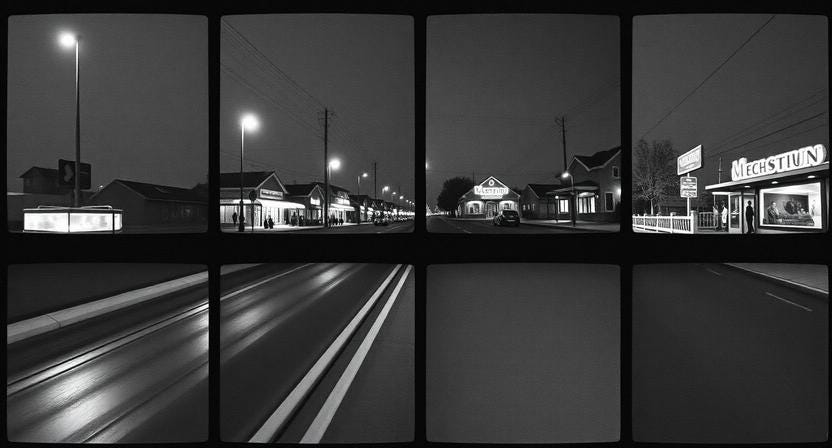

Graphical Illustration for the Article, 2025, ‘Navigate the Layout’ ELGN
This tension generates a conceptual paradox: does the user navigate the layout, or does the layout navigate the user? By fracturing conventional visual patterns, experimental design makes perception both subject and object, observer and observed. Each asymmetry, offset alignment, or unexpected hierarchy becomes a deliberate cognitive challenge — a space where logic meets play, and rationality dissolves into artistic experimentation.
Design, in this sense, is neither purely functional nor purely aesthetic; it exists as a dynamic dialogue between human intention, perceptual psychology, and the emergent properties of structured chaos.

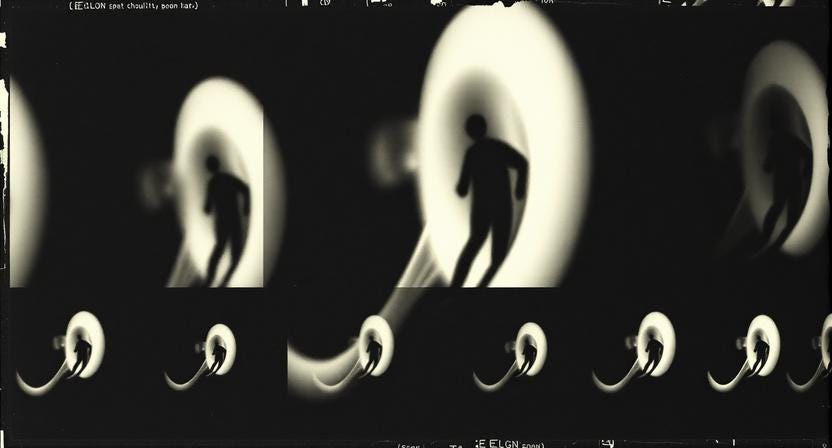
Multi-Sensory Design: Synesthesia of the Interface
Contemporary design extends far beyond the visual plane. Interfaces now operate as multi-sensory languages, where subtle sound cues, haptic vibrations, and rhythmic motion converge to produce experiences that are simultaneously felt, heard, and seen. This phenomenon resonates with principles of **embodied cognition — Wikipedia, which posit that thought is inseparable from bodily perception, and with the notion of [synesthesia — Wikipedia](https://en.wikipedia.org/wiki/Synesthesia?utm_source=chatgpt.com)**, where the merging of sensory modalities amplifies memory, emotion, and comprehension.
A tactile vibration coupled with synchronized visual motion does not merely signal interaction; it asserts presence. The interface is no longer a passive conduit of information — it becomes a quasi-autonomous participant in perception, an entity that touches back.
Here emerges a philosophical question, layered and paradoxical: if an interface can be felt as much as it can be seen, where does the boundary between human sensation and design agency reside? Does the experience belong to the user, or is it co-authored by the interface itself, acting as a sensory interlocutor?
The answer resists simplification. Multi-sensory design suggests that perception is relational: touch informs sight, sound shapes emotion, and interaction folds cognition into a loop where user and interface co-construct the experience. Logic dictates causality, yet artistic intuition disrupts expectation, creating spaces where sensory and conceptual boundaries blur.
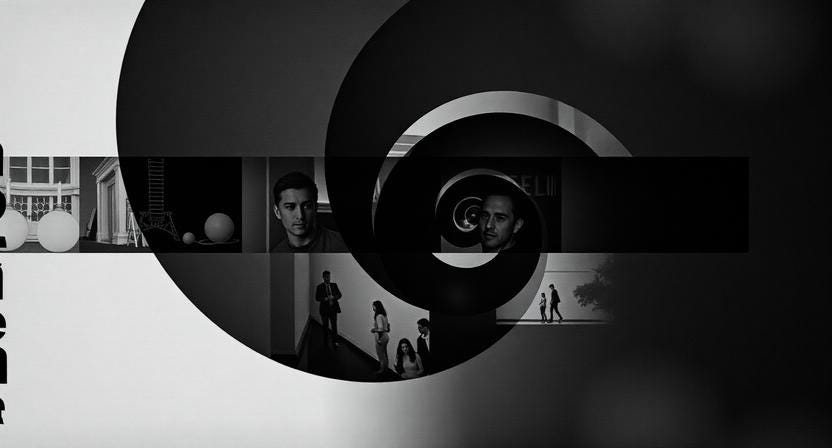
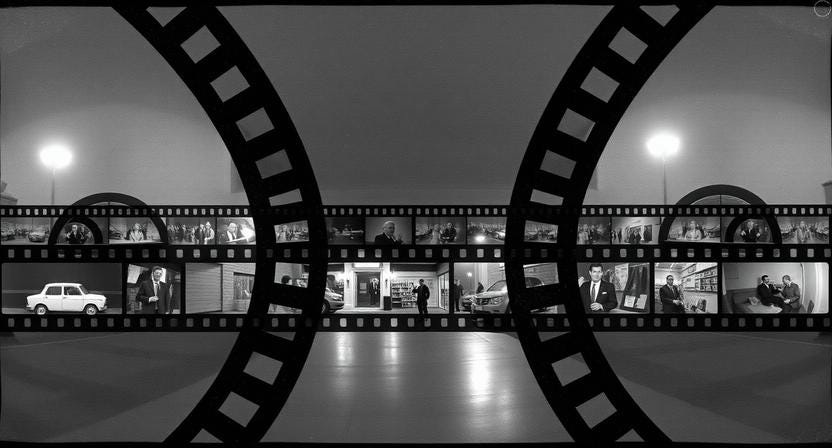
In this sense, the interface becomes a synesthetic mirror of consciousness — simultaneously rational and irrational, structured and emergent, a site where technology, perception, and art coalesce into a dialogue that is felt as much as it is understood.

Emotional Design: Interfaces that Empathize
Emotion, far from incidental, constitutes the hidden grammar of design. The late American psychologist **Paul Ekman — Wikipedia** (1934–2025) demonstrated that certain emotional cues are recognized cross-culturally, revealing universal patterns in human nonverbal expression. Ekman’s research on microexpressions shows that rapid, subtle movements convey meaning at the level of feeling, often beyond conscious awareness.
This insight invites a philosophical reflection: if interfaces can mimic, reflect, or elicit emotion, do they simply respond to human experience, or do they participate in shaping it? When a subtle animation or micro-interaction evokes empathy, is the feeling entirely human, or does it emerge from the interplay between user and interface as a co-created emotional event?
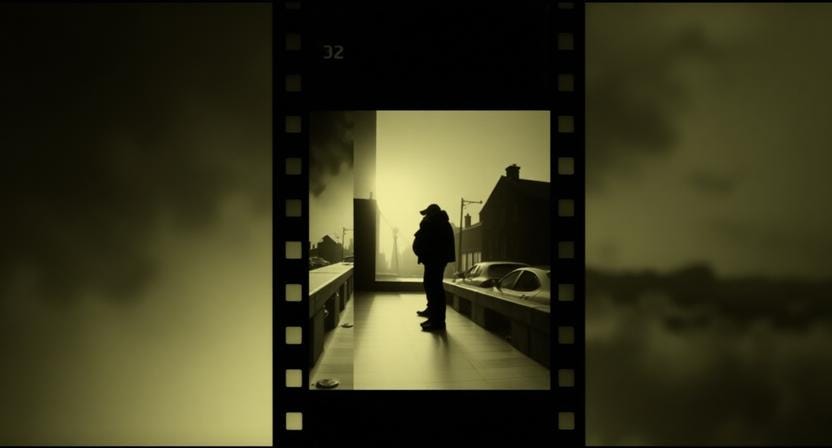
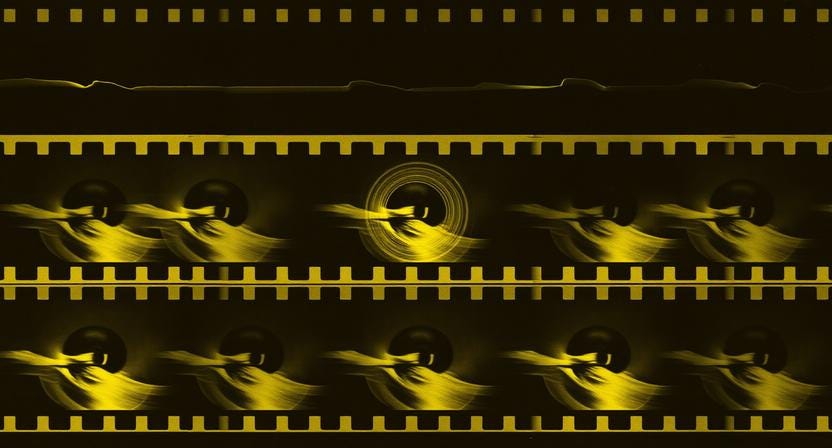
In interface motion, the emotional cadence of interactions — from a gentle ease-out to a decisive snap — functions as a language of sensibility. And then, one might ask: why does a slight bounce or a soft fade convince the mind to trust, explore, or linger? On the surface, it seems arbitrary, even trivial. Yet, I think, the answer is hidden in the graphical rhythm itself, in case the mind reads motion as narrative, timing as intent, and subtle resistance as care. I see it as a boundary that moves with emotional intuition, and does more than guide — it signals trustworthiness without a word, invites a gaze without instruction, and soothes uncertainty without conscious effort. Partly, the surprising truth is that these digital gestures, though coded and artificial, participate in the same psychological grammar that governs human-to-human interaction. In essence, a button’s micro-movement can speak, pause, and respond like a silent companion, shaping impactful feeling as deftly as thought.

Philosophical Resonance: Temporality and Presence
Philosophy illuminates the currents beneath perception: time is not a series of frozen instants but a flowing continuum, a stream in which experience and consciousness are inseparable. The French philosopher **Henri Bergson — Wikipedia (1859–1941) contested static, measurable conceptions of reality, proposing instead that lived time — la durée — is qualitative, fluid, and indivisible. Unlike the segmented seconds of the clock, duration is felt, remembered, anticipated, and transformed by consciousness itself**.
And then a philosophical question emerges: if time in the interface is lived rather than measured, does the interface merely exist within our consciousness, or does it actively shape the duration of our experience? But the answer is subtle and unsettling: interaction and perception co-author each moment. So, the interface becomes as if time cop, guiding, modulating, and reframing experience, turning the act of use into a choreography of awareness.
Motion graphics aren’t decoration. They aren’t here to look pretty. They’re the goddamn heartbeat of the interface. After more than two decades of doing this, I can tell you: an interface isn’t something you glance at — it’s something you inhabit, breathe with, and negotiate with over time. Every easing curve, every micro-interaction, every subtle vibration or shift is a little pulse in a brain, guiding, teasing, surprising.
Yet, transitions aren’t just state changes — they’re moments where the user’s perception collides with expectation, where emotion sneaks in through the tiniest nooks, where understanding and delight are built, step by step, frame by frame. A card sliding in? Not cute — it’s a tactile whisper that says: “pay attention, think, feel, interact.” Hover over a button and feel it recoil ever so slightly? That’s not whimsy. That’s a conversation with an interface, teaching to explore, to linger.

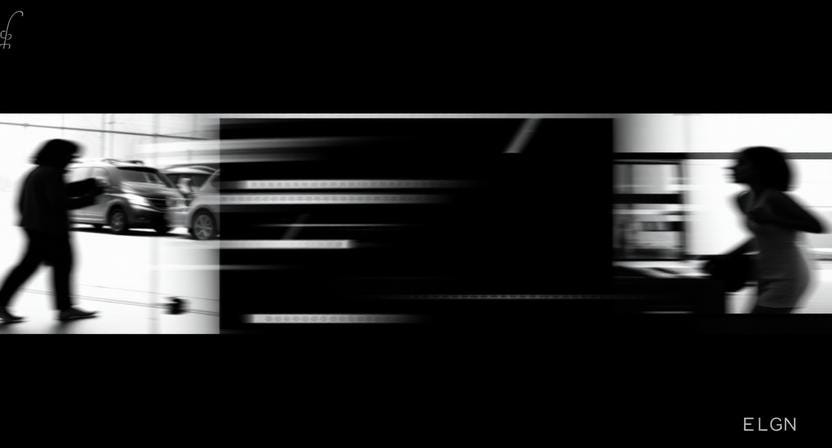
The Paths Unexplored
Despite these tools, design as temporal empathy — the ability to convey lived experience through motion and multi-sensory integration — remains underexplored. We have optimized for efficiency, speed, and clarity. But what of design that thinks, feels, and remembers with users? The latent potential is not in new technologies, but in deeper understanding of how interfaces can speak the languages of cognition and emotion.

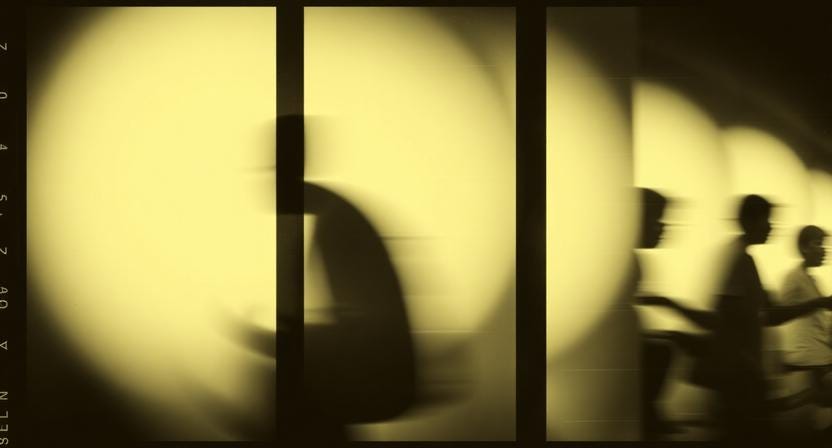
“Design moves. And when design moves, it moves the mind. When it breathes, it listens, and when it listens, it learns to speak to us in the language of experience.”
Selected Bibliography & Verified References
Primary Works & Core Theories
- Arnheim, Rudolf. Art and Visual Perception: A Psychology of the Creative Eye (1954, rev. 1974). Wikipedia
- Kahneman, Daniel. Thinking, Fast and Slow (2011), foundational work on cognition and decision heuristics. Wikipedia
- Ekman, Paul. Facial Expression and Emotion research (e.g., Emotion in the Human Face 1972). Wikipedia
- Lévi‑Strauss, Claude. Structural Anthropology and Tristes Tropiques (explorations of universal structures of thought). Wikipedia
- Bergson, Henri. Matter and Memory (1896) and Creative Evolution (1907) on duration and lived time. Wikipedia
Influential Concepts & Frameworks
메타데이터
- post_id
- 80c6aa2a8690
- slug
- motion-as-mind-interface-meaning-and-the-inner-dynamics-of-graphic-design-80c6aa2a8690
- url
- https://medium.com/@nirelpublishinghouse/motion-as-mind-interface-meaning-and-the-inner-dynamics-of-graphic-design-80c6aa2a8690
- canonical_url
- https://medium.com/@nirelpublishinghouse/motion-as-mind-interface-meaning-and-the-inner-dynamics-of-graphic-design-80c6aa2a8690
- author_url
- https://medium.com/@nirelpublishinghouse
- status
- ok
- fetched_at
- 2026-06-09 14:34:10