COVID-19: examining the effectiveness of non-pharmaceutical interventions
The effectiveness of non-pharmaceutical interventions (NPIs) during the COVID-19 pandemic has been a crucial area of study. NPIs include…
COVID-19: examining the effectiveness of non-pharmaceutical interventions
The effectiveness of non-pharmaceutical interventions (NPIs) during the COVID-19 pandemic has been a crucial area of study. NPIs include measures such as:
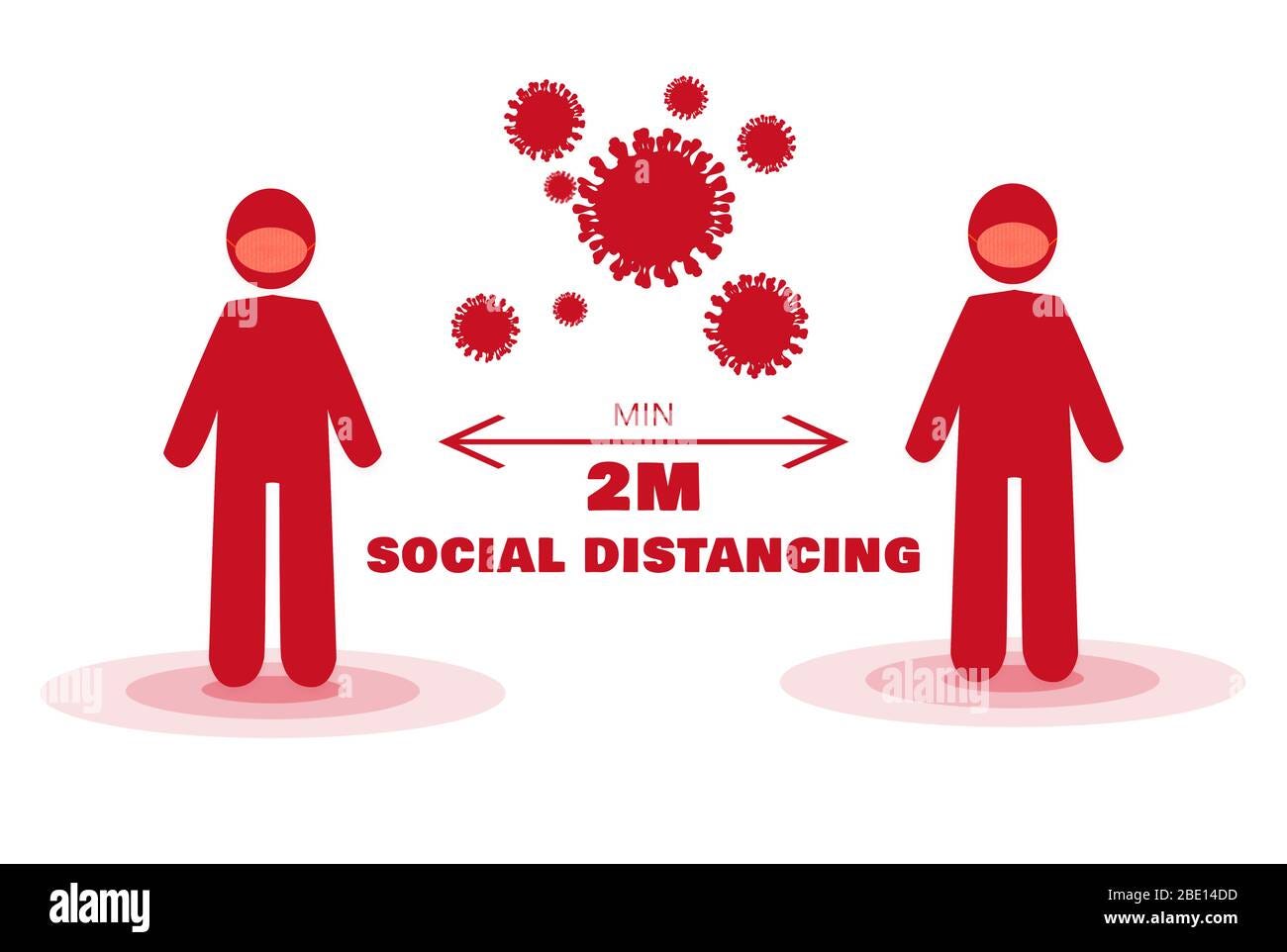
- Social Distancing: Limiting close contact between individuals to reduce virus transmission. Studies showed that maintaining physical distance significantly reduced case numbers.
- Mask Mandates: Wearing masks, particularly in indoor or crowded settings, was found to reduce the spread of respiratory droplets, thereby lowering transmission rates.
- Hand Hygiene: Promoting regular handwashing and the use of hand sanitizers helped decrease surface transmission and overall infection rates.
- Travel Restrictions: Limiting domestic and international travel helped prevent the spread of the virus across regions.
- Quarantine and Isolation: Isolating infected individuals and quarantining those exposed effectively curtailed outbreaks, especially in the early stages of the pandemic.
- Public Awareness Campaigns: Informing the public about symptoms, transmission, and preventive measures contributed to increased compliance with other NPIs.
What are non-pharmaceutical interventions (NPIs)?

Non-pharmaceutical interventions (NPIs), include any public health measure that is not a vaccine or drug. At the start of the COVID-19 pandemic, no drugs or vaccines were available to contain the spread of the causative virus, SARS-CoV-2. This meant countries were reliant on NPIs to protect populations and health systems until pharmaceutical interventions were developed.
A wide variety of NPIs were employed (typically as part of packages). The Royal Society report covered six broad categories used during the pandemic:
- Masks and face coverings
- Social distancing and ‘lockdowns’
- Test, trace and isolate
- Travel restrictions and controls across international borders
- Environmental controls
- Communications
For more in-depth discussion of each, please see the full evidence reviews published in a theme issue of Philosophical Transactions A.
Why do we need to understand the effectiveness of NPIs?
Scientists and policymakers knew very little about SARS-CoV-2 when the pandemic began. It was not clear what an optimal strategy for NPI implementation looked like, including how outcomes vary for people of different ages, ethnicities, health status and socioeconomic groups. The widespread roll out of NPIs was also economically costly and led to major social disruption with wider impacts on health and wellbeing.
Now is an opportune time learn from NPI implementation during the pandemic and highlight evidence gaps to ensure we are prepared for potential future outbreaks of infectious disease.
What are the main conclusions of the Royal Society’s report?
There is clear evidence from studies conducted during the pandemic that stringent implementation of packages of NPIs was effective in some countries in reducing transmission of SARS-CoV-2.
There is also evidence for the effectiveness of individual NPIs, but most NPIs were implemented in packages. Disentangling the effects of one NPI when other NPIs were implemented at the same time presents a significant challenge.
Evidence suggests that NPIs were, in general, more effective when case numbers and the associated transmission intensity of SARS-CoV-2 were lower. NPIs became less effective as more transmissible variants of the virus emerged (eg Delta, Omicron) which were better adapted to spreading between people and evading immune responses.
Stringency of application of individual NPIs and groups of NPIs influenced rates of transmission, eg respirator masks were more effective than surgical masks and two weeks of quarantine were more effective than shorter periods.
What lessons have been learnt to influence how we might approach future pandemics?
One of the most important lessons from this pandemic is that the effective application of NPIs ‘buys time’ to allow the development and manufacturing of drugs and vaccines. There is every reason to think that implementing packages of NPIs will be important in future pandemics.
Standardised protocols for data collection would improve the quality of observational studies when a novel pathogen emerges. National and international collaborations could be established to support this. It is of particular importance to design protocols that can disaggregate the effects of NPIs by different demographic factors.
Future assessments should also consider the costs as well as the benefits of NPIs, in terms of their impacts on amongst other things, livelihoods, economies, education, social cohesion and physical and mental wellbeing.
Why Are They Important?
While vaccines are a crucial tool in fighting COVID-19, NPIs were essential, especially in the early stages of the pandemic when vaccines were not yet widely available. They helped slow the virus’s spread, protect healthcare systems, and buy time for vaccine development and distribution.
In summary, NPIs played a vital role in managing the COVID-19 pandemic by reducing transmission and protecting public health, especially when vaccines were not yet an option.
메타데이터
- post_id
- 81087f98d6ef
- slug
- covid-19-examining-the-effectiveness-of-non-pharmaceutical-interventions-81087f98d6ef
- url
- https://medium.com/@meharuzair83/covid-19-examining-the-effectiveness-of-non-pharmaceutical-interventions-81087f98d6ef
- canonical_url
- https://medium.com/@meharuzair83/covid-19-examining-the-effectiveness-of-non-pharmaceutical-interventions-81087f98d6ef
- author_url
- https://medium.com/@meharuzair83
- status
- ok
- fetched_at
- 2026-06-27 07:40:21




