A Comprehensive Guide to Linear Regression in PySpark
Linear regression is a fundamental technique in machine learning and statistics used for predicting a continuous outcome variable based on…
Linear Regression in PySpark
Linear regression is a fundamental technique in machine learning and statistics used for predicting a continuous outcome variable based on one or more predictor variables. PySpark, the Python API for Apache Spark, offers a powerful framework for distributed computing, making it an excellent choice for implementing linear regression models at scale. In this blog post, we’ll explore how to perform linear regression in PySpark, covering data preprocessing, model training, evaluation, and more.
Setting up PySpark:
Before diving into linear regression, you need to set up PySpark on your system. Ensure that you have Apache Spark installed and configure PySpark to work with your Python environment.
from pyspark.sql import SparkSession
spark = SparkSession.builder \
    .appName("LinearRegressionExample") \
    .getOrCreate()
Loading Data:
Load your dataset into a PySpark DataFrame. You can load data from various sources like CSV, JSON, Parquet, etc.
df = spark.read.csv("path_to_your_file.csv", header=True, inferSchema=True)Data Preprocessing:
Prepare your data for linear regression. This may involve handling missing values, encoding categorical variables, and feature scaling.
from pyspark.ml.feature import VectorAssembler
assembler = VectorAssembler(inputCols=['feature1', 'feature2', ...], outputCol='features')
df = assembler.transform(df)
Splitting Data:
Split the dataset into training and testing sets.
train_data, test_data = df.randomSplit([0.7, 0.3], seed=42)Building and Training the Model:
Choose the linear regression model and train it using the training data.
from pyspark.ml.regression import LinearRegression
lr = LinearRegression(featuresCol='features', labelCol='label_column')
model = lr.fit(train_data)
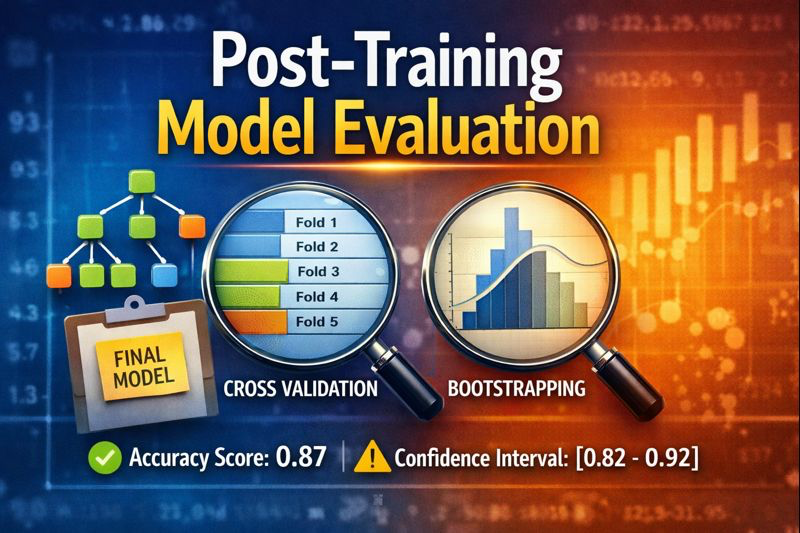
Model Evaluation:
Evaluate the performance of the trained model on the test data.
predictions = model.transform(test_data)
from pyspark.ml.evaluation import RegressionEvaluator
evaluator = RegressionEvaluator(labelCol='label_column', predictionCol='prediction', metricName='rmse')
rmse = evaluator.evaluate(predictions)
print("Root Mean Squared Error (RMSE) on test data:", rmse)
Making Predictions:
Once you’re satisfied with the model’s performance, you can use it to make predictions on new data.
new_data = spark.read.csv("path_to_new_data.csv", header=True, inferSchema=True)
new_data = assembler.transform(new_data)
predictions = model.transform(new_data)
By leveraging the distributed computing capabilities of Apache Spark, you can efficiently train and deploy linear regression models on large-scale datasets. Linear regression is just one of the many machine learning algorithms supported by PySpark’s MLlib library, offering a wide range of tools for building predictive models. Experiment with different features, hyperparameters, and evaluation metrics to fine-tune your linear regression models and unlock valuable insights from your data.
메타데이터
- post_id
- 810fdaf5c17c
- slug
- a-comprehensive-guide-to-linear-regression-in-pyspark-810fdaf5c17c
- url
- https://medium.com/@roshmitadey/a-comprehensive-guide-to-linear-regression-in-pyspark-810fdaf5c17c
- canonical_url
- https://medium.com/@roshmitadey/a-comprehensive-guide-to-linear-regression-in-pyspark-810fdaf5c17c
- author_url
- https://medium.com/@roshmitadey
- status
- ok
- fetched_at
- 2026-06-09 15:37:30