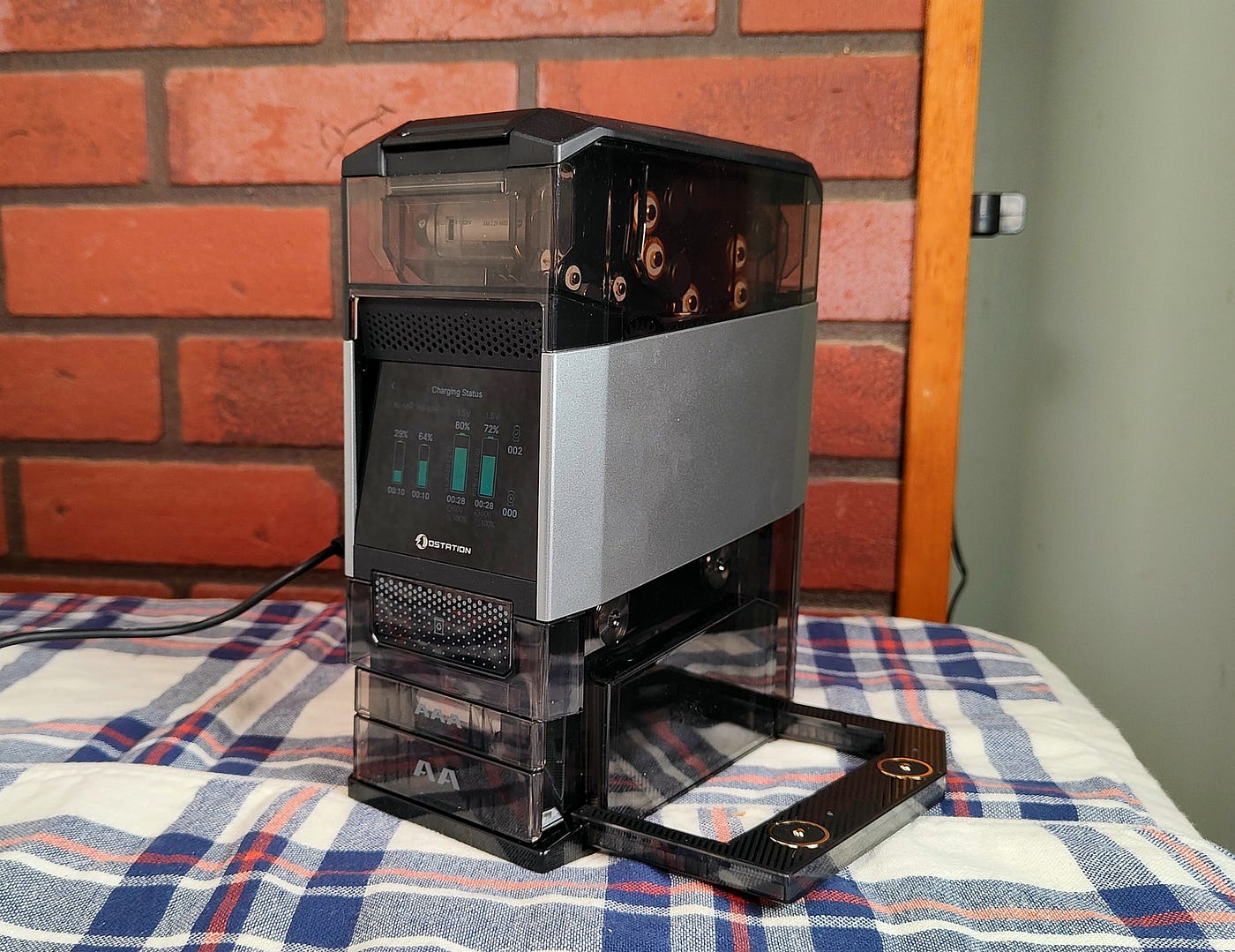
Thought Processes, Styles, and Tones Used in Product Reviews
While description, characteristics, and specifications are the backbone of any review, they are also influenced by your initial impression…
Thought Processes, Styles, and Tones Used in Product Reviews
While description, characteristics, and specifications are the backbone of any review, they are also influenced by your initial impression of the device, test results, preconceived notions, and comparisons with competing brands.
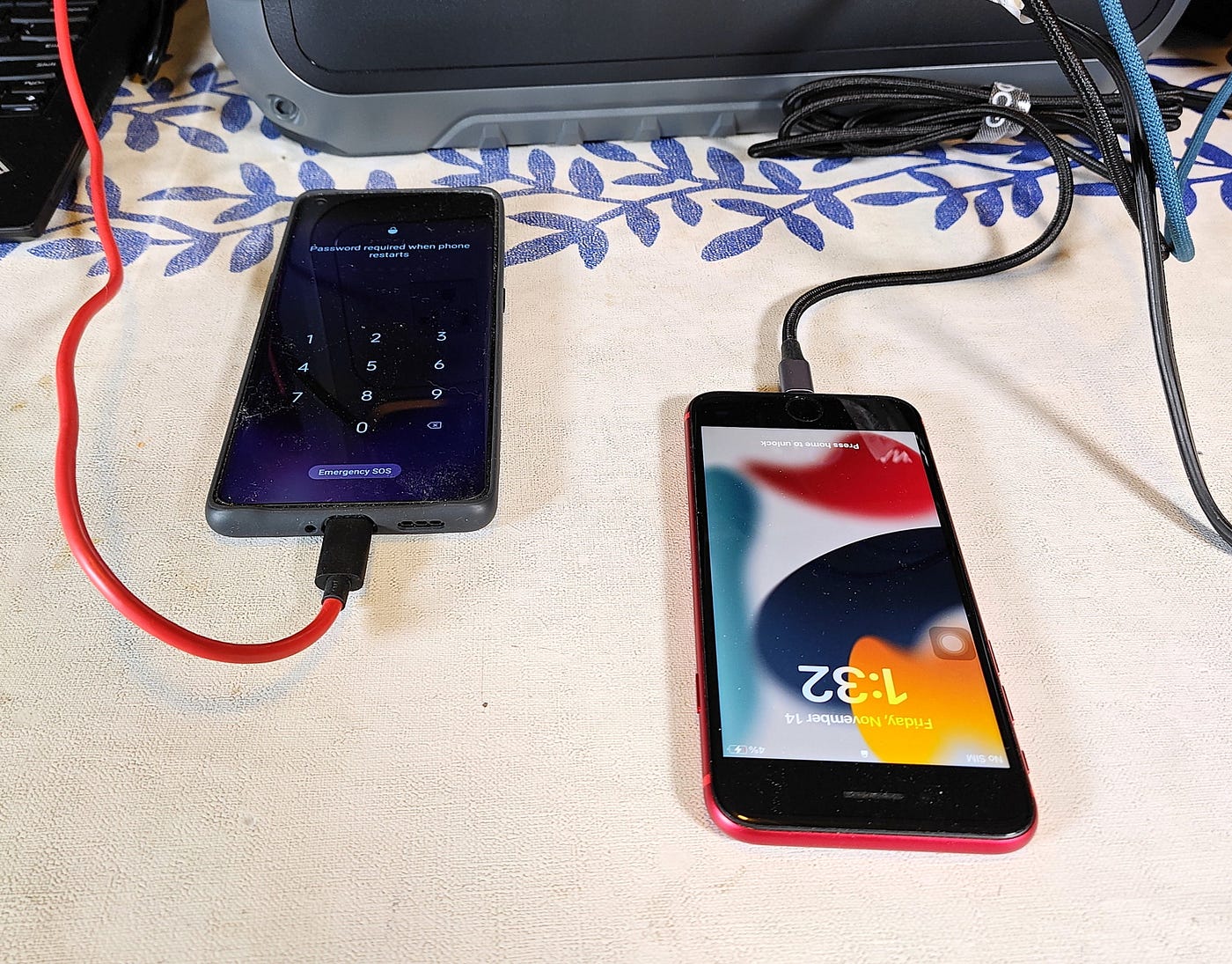
While I much prefer Android products I am careful to ensure my tests of Apple devices are conducted fairly
Preconceptions
Most of my family members are hopelessly intertwined in Apple’s ecosystem, relying on ridiculously expensive Mac computers, iPads, and iPhones. They even subscribe to Apple TV!
I’m the smart one. Except for my Windows computer, I depend on more affordable, easy-to-use Android products.
I wrote a glowing review, detailing the strengths of my brand-new Red Magic gaming smartphone. Sure, because of specialized CPU cooling requirements, it was a little heavier than most of its competitors, but the device was extremely fast and packed with plenty of memory and storage.
What would happen if my sister were silly enough to lend me her new iPhone and ask me to write a review comparing it to my Android smartphone?
My immediate response would be to accept her offer and write a scathing article concentrating on the iPhone’s high cost and difficulty of use. But that would be wrong.
For one thing, as it is a gaming phone, my beloved Red Magic Cyclone is in the same price range as the latest iPhone model. And while it is lightning-fast, it is also far heavier and bulkier than my sister’s device. My point about ease of use is also inaccurate; Christie would find it just as challenging to navigate the Android system as I do using Apple’s.
The Starting Point
To overcome the preconception problem, I deliberately initiate the review process by treating each product as if it were the result of thoughtful design and excellent quality control by a manufacturer who truly cares about their customers.
I could just as easily have begun with the assumption that the product was poorly conceived and that the seller’s main intention was to gouge their customers for as much money as possible. The point is consistency. At first, every product should be considered in the same light. As you use and test the device, your opinion will change to reflect its actual value.

Although enthusiastic about this temperature probe when I received it, the device could not be recommended because it failed my tests
Thought Process
As you compose reviews, you will quickly develop a system that reflects the steps involved in operating, testing, and writing about your new device.
Invariably, I first examine the product, snap a series of photographs, and assemble it. Then, as I sip a cup of coffee, I read the instructions and further familiarize myself with the item by reviewing its description on the seller’s site and fellow reviewers' articles. If the device is fitted with a battery, I will charge it while mulling through the available information.
This last step is necessary because it ensures you know exactly how the device is designed to operate and where it is best used. Also, as your mind processes this information, you will be able to devise a series of tests that accurately determine the product’s durability, convenience, and functionality.

As I assemble the product, I will take plenty of photographs
Writing Style
When I began writing reviews, my title, product description, and specification list were written in a formal style. Throughout the remainder of the article, I loosened the reins.
I’m not sure if the formal style works today. Sure, the title “Review of the OLIGHT ArkPro EDC Rechargeable Flat Flashlight” provides all the information needed for searching, but will it persuade a reader to click the link? Perhaps something less formal, like “If You’re Lost in the Dark, you need the OLIGHT ArkPro Flashlight,” would be a better option.
As you write, you will develop your own unique style. However, if you find the page views of your articles are depressingly low, start making subtle changes until your readership increases.
Tone
Most of my reviews are upbeat because the products I test are generally well-designed and function well. But that is not always the case.
Recently, I reviewed a projector. It performed admirably for its price, projecting a strong, accurately colored image on my 100-inch screen. However, one of its listed specifications — brightness — seemed relatively high for this modestly priced device. My test procedure proved inconclusive; it is difficult to measure lumen output, but I did feel that they had exaggerated the output. In this case, I added the disclaimer according to the manufacturer when referring to brightness in the product description and specification list. While that appears to be a minor change, it will stand out as none of the other specifications are similarly tagged. Any reader will immediately distrust this number.
Tone is vitally important when composing a review. If the author is wildly enthusiastic about a product, their passion will help convince potential customers to buy it. On the other hand, even a small dose of skepticism will drive these readers to a competing brand.
That is how a good reviewer writes. Be as even-handed as possible, but be prepared to adjust your tone if a product is extraordinarily good or if you think a customer who bought it would be disappointed.
Final Thoughts
Please feel free to comment on this article. I am especially interested in the types of writing styles you use.
In my next article, I will discuss how to write a review about a product you feel is so poorly designed that it should not be available for sale.
메타데이터
- post_id
- 8156fce6b4ff
- slug
- thought-processes-styles-and-tones-used-in-product-reviews-8156fce6b4ff
- url
- https://medium.com/@wshillington/thought-processes-styles-and-tones-used-in-product-reviews-8156fce6b4ff
- canonical_url
- https://medium.com/@wshillington/thought-processes-styles-and-tones-used-in-product-reviews-8156fce6b4ff
- author_url
- https://medium.com/@wshillington
- status
- ok
- fetched_at
- 2026-08-15 22:27:26