Inside Film Adaptations: The Origin of Midnight at the Pera Palace Hotel
A film adaptation is the process through which pre-existing material from another medium is reinterpreted and translated into cinematic…
Inside Film Adaptations: The Origin of Midnight at the Pera Palace Hotel
A film adaptation is the process through which pre-existing material from another medium is reinterpreted and translated into cinematic form. Source materials may include literary works, theatrical plays, comic books, television series, video games, or documented historical events. This process extends beyond direct replication; it involves selective transformation and reconfiguration of narrative structures, characters, and settings to accommodate the aesthetic, temporal, and visual conventions of cinema. As a result, adaptations often reflect both the creative constraints of the medium and the interpretive choices of filmmakers.
An exact or highly faithful adaptation of a source is often referred to as a “faithful adaptation”, and sometimes as a “literal adaptation.”
Faithful adaptation: This term describes a film that closely follows the original work’s plot, characters, dialogue, and overall structure, making only minimal changes. The focus is on staying true to the source material while bringing it to the screen.
How do Film Adaptations Work?
1. Source Material: Identifying and securing rights to the original work, whether it be a novel, play, comic book, or other forms of media.
2. Screenwriting: Adapting the original story into a screenplay, which may involve condensing, expanding, or altering the source material to fit the film’s structure and time constraints.
3. Interpretation: Translating the tone, themes, and style of the original work into a visual medium. This can involve reimagining scenes, developing characters differently, or adding cinematic elements like visual effects and sound design.
4. Fidelity and Creative License: Balancing faithfulness to the source material with creative freedom. Some adaptations aim to remain very true to the original, while others take significant liberties to create a new artistic vision.
5. Audience Consideration: Adapting the content to appeal to both fans of the original material and new audiences who may be unfamiliar with it. This often involves making the story accessible and engaging to a broader audience.
6. Collaboration: Working with original creators (if available) and leveraging their insights to ensure that the adaptation respects the essence of the source material.
7. Marketing and Promotion: Emphasizing the connection to the original work in marketing campaigns to attract existing fans and generate interest among potential new viewers.
Midnight at the Pera Palace Hotel: Book & Series
source: Turkishworld.org
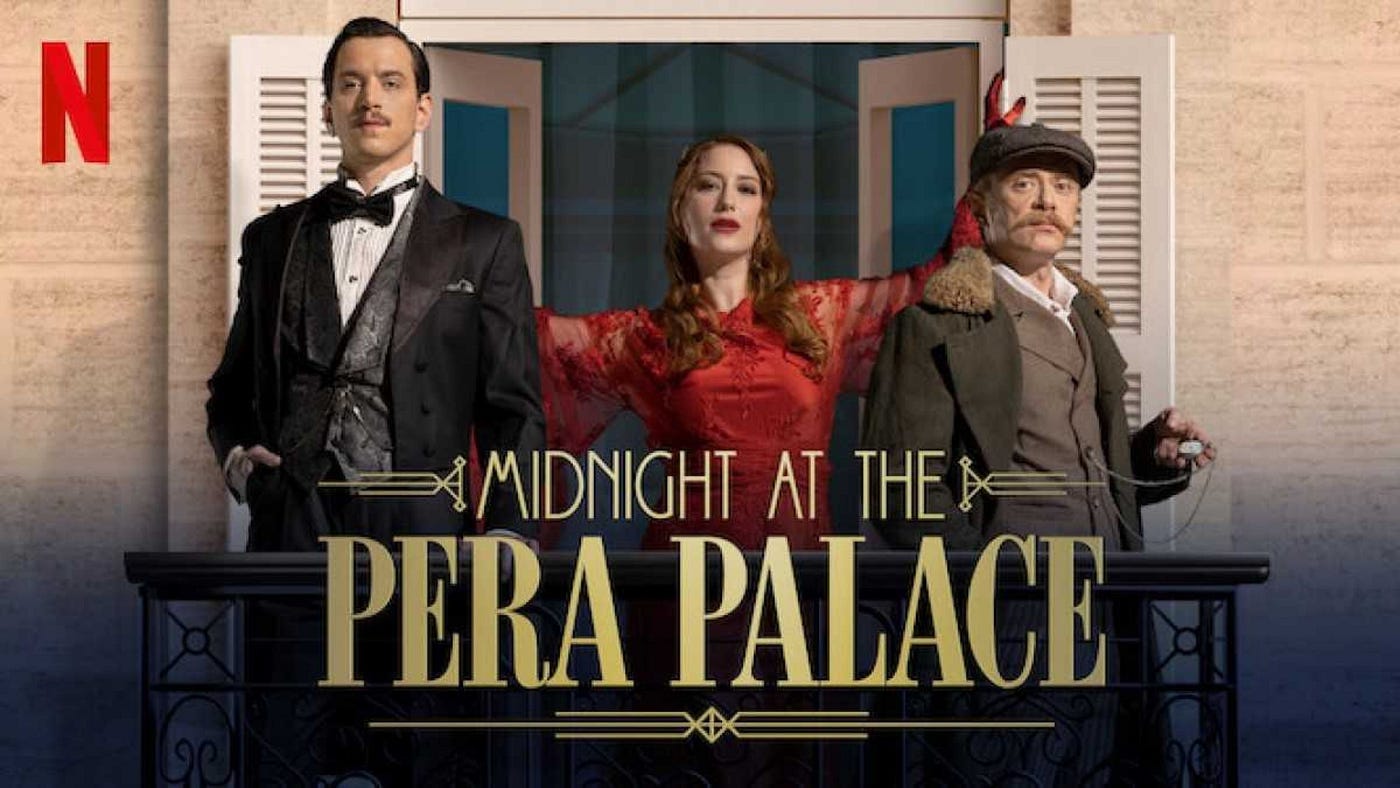
The series Midnight at the Pera Palace Hotel reimagines the historic Pera Palace Hotel, drawing inspiration from Charles King’s 2014 non-fiction book, Midnight at the Pera Palace: The Birth of Modern Istanbul. However, it does not follow the book’s narrative. While the series incorporates real historical events, it also includes fictional elements and time-travel aspects.
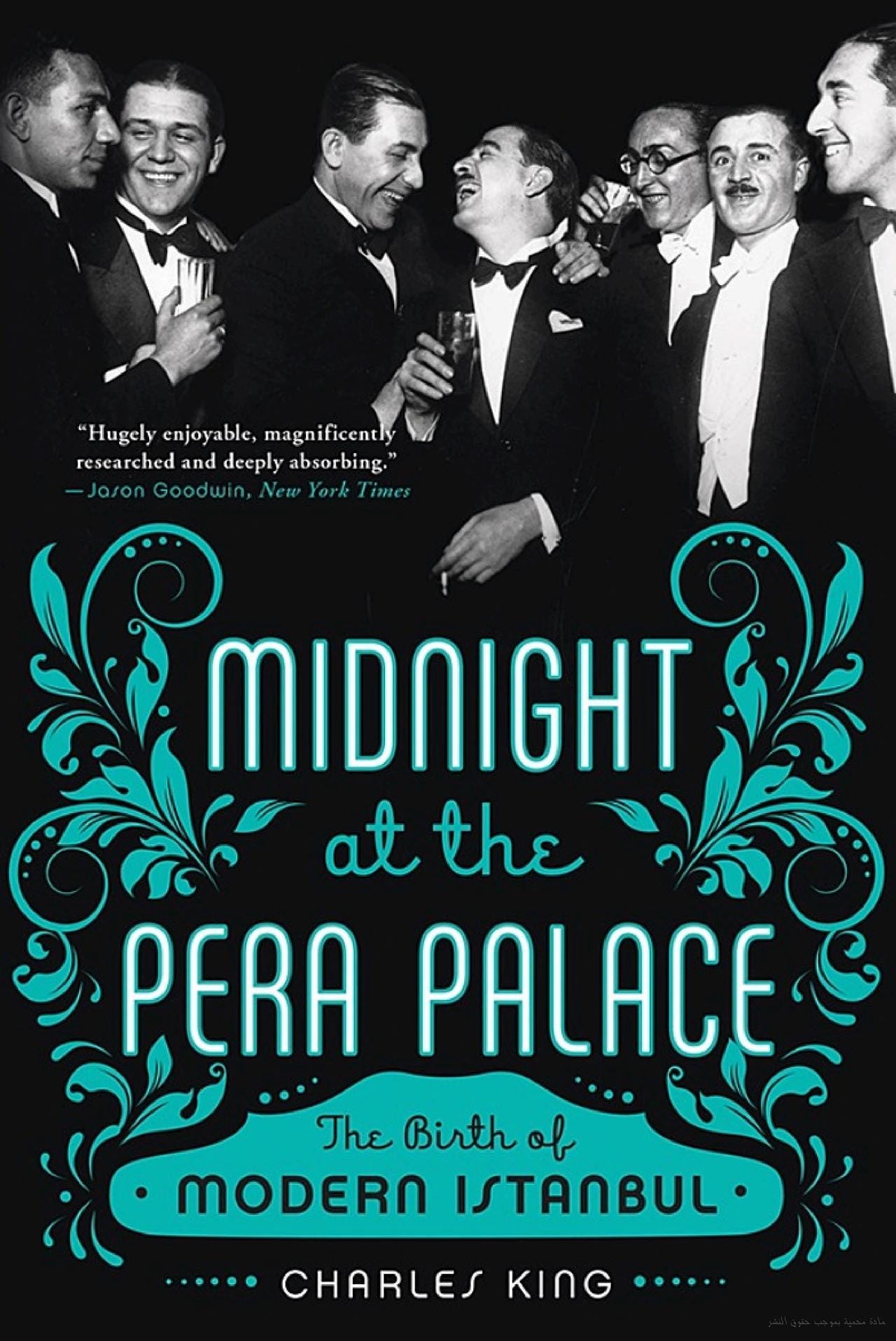
Photo source: Google Books
메타데이터
- post_id
- 818345f40dbe
- slug
- inside-movie-adaptations-the-origin-of-midnight-at-the-pera-palace-hotel-818345f40dbe
- url
- https://medium.com/@media.analytic/inside-movie-adaptations-the-origin-of-midnight-at-the-pera-palace-hotel-818345f40dbe
- canonical_url
- https://medium.com/@media.analytic/inside-movie-adaptations-the-origin-of-midnight-at-the-pera-palace-hotel-818345f40dbe
- author_url
- https://medium.com/@media.analytic
- status
- ok
- fetched_at
- 2026-07-19 19:13:19