Ken Griffin: The Hedge Fund King Who Still Thinks He’s Climbing
From hacking markets in a Harvard dorm to rewriting global finance, Citadel’s founder opens up on risk, resilience and what separates good…
Ken Griffin: The Hedge Fund King Who Still Thinks He’s Climbing
From hacking markets in a Harvard dorm to rewriting global finance, Citadel’s founder opens up on risk, resilience and what separates good investors from legends
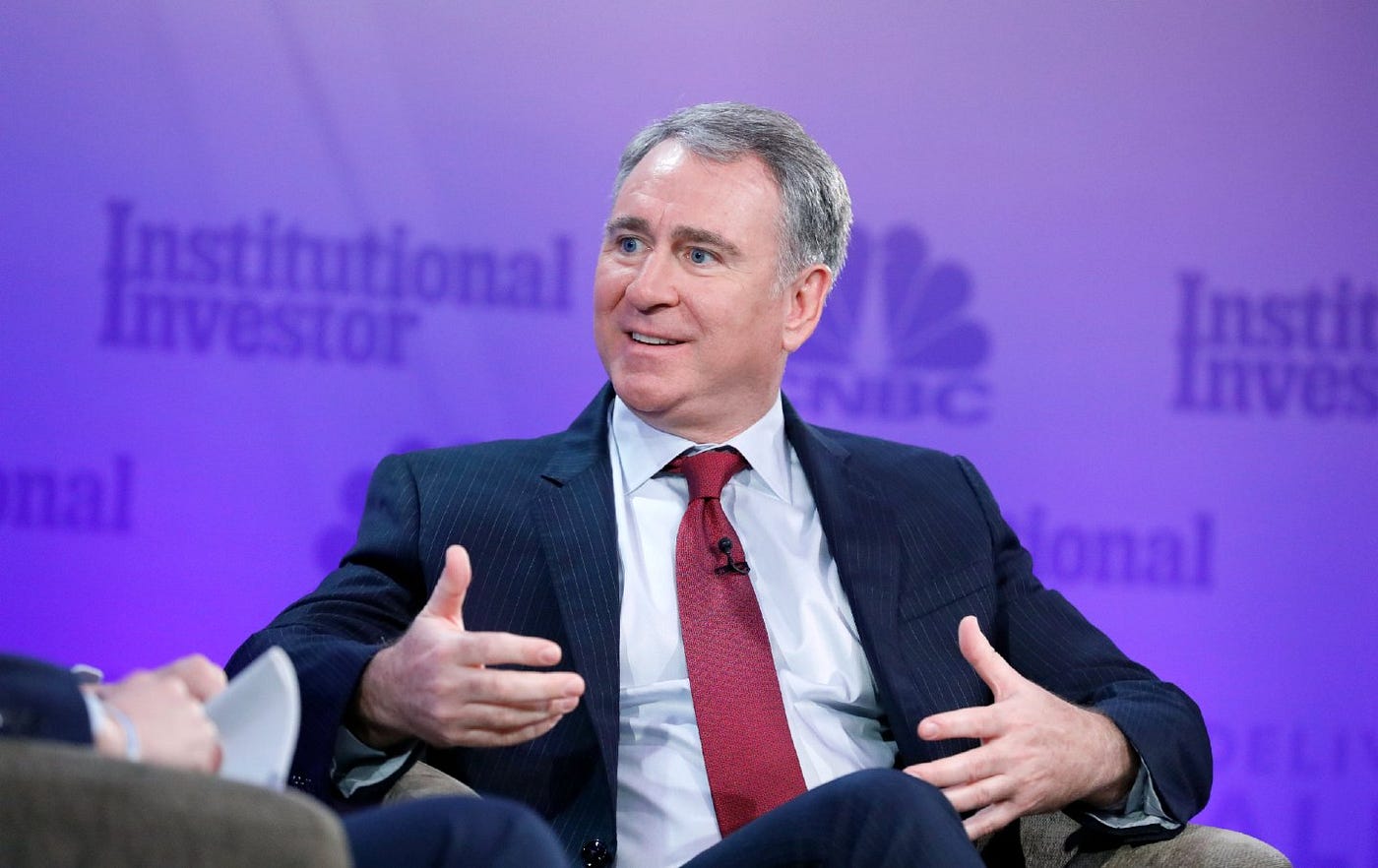
At 19 years old, Ken Griffin mounted a satellite dish on a Harvard dorm roof. Not to stream football games or pirate cable but rather to trade convertible bonds in real times, years before the internet even available.
Today, the same Griffin leads Citadel, the most profitable hedge fund in history. But at Stanford’s View from the Top series, he insists that there is still way to go.
“I’d like to think this isn’t the view from the top. It’s a journey to a destination yet to be determined.”
What followed was an unfiltered, deeply personal window into how one of the sharpest minds in finance thanks about risk, AI, hiring, mentorship, loss, legacy and what it means to press your advantage.
Startup Mindset: Win From the Shadows
You don’t go head-to-head with Wall Street giants and win, Griffin says.
“You don’t want to just go on the front to assault. You’re going to lose.”
Instead, you solve problems that your competitors haven’t noticed. In the early days of Citadel, that meant using quantative strategies before it was cool or even trusted.
It also meant thinking like a wartime entrepreneur, not a peacetime manager.
“We hired brilliant people, debated constantly, learned fast and always asked: How will we win?”
And they did win, building the fastest learning culture in finance and staying relentlessly focused on what is worked.
“We spend too much time analyzing what goes wrong,” he says. “You need to double down on what goes right.”
If We’re All Going to Eat, Someone Has to Sell
Griffin wasn’t born loving sales. But he learned its centrality the hard way.
After Citadel’s rare losing year in 1994, he flew to Switzerland to pitch investors. One walked out when he realized Griffin wasn’t who he thought he was. Another lit a cigar mid-meeting and sighed:
“Such a pity that such a bright young man picked the wrong career.”
Still, Griffin remembers the $10 plaque in his mentor’s office in Chicago:
“If we’re all going to eat, someone has to sell.”
This line changed everything. Because every day, you’re selling to investors, partners, employees and customers.
“You have to get comfortable hearing no. A lot and still showing up.”
Strategy Before Capital
If Griffin were launching Citadel today, he wouldn’t start with funding or a team. He’d start with one question:
“What can we do better or differently that those we’ll compete against?”
He says there’s no point starting a theory of competitive advantage.
“Every business comes down to this: can you solve a customer’s problem in a way that leaves you with a margin?”
Apple did it with the iPhone. Now it’s your turn.
AI: Not the Crystal Ball Investors Hoped For
Griffin is enthusiastic and cautious about AI. He sees it transforming industries like customer service, documentation and marketing. He cites one friend who built a pet insurance empire through “marketing to one,” using generative AI to target dog owners right after their Facebook puppy posts.
“Machine learning models work great for short-term problems, not for forecasting next year or two years. That’s just not what they do.”
He compares AI to self-driving cars: excellent in clear skies but flailing in the show. Investing is more like navigating blizzards, he argues.
AI will radically reshape white-collar work and not all for the better.
“My friend’s multinational has 8,000 in documentation today. They expect 1,000 in three years. That’s painful.
The Real Edge? Knowing When You’re Wrong
When asked what separates good investors from great ones, Griffin doesn’t hesitate:
“Great investors know where they have an edge. They researched deeply. They bet with conviction and when they’re wrong, they let go. No tears.”
It’s the last piece — letting go, that most struggle with. The sunk cost fallacy is the tuition bill every investor pays, he said. The difference? Legends pay it and move on.
“I’ve been wrong probably 3 million times since we say down. Our market-making win rate is 52%. No one in this room is more wrong than I am today.”
But the wins? It more than make up for it.
Mentorship and the Magic of Intergenerational Generosity
Griffin’s ethos of learning didn’t end after Harvard, it accelerated. He tells the story of a Bear Stearns trader he called four times daily as a college student to ask questions, dissect trades and get coached.
“You want to find people who will teach you in life.”
He offers this advice to graduates: join a firm where you’re not the smartest in the room.
“I walk into rooms at Citadel, but I’m not the smartest guy. One colleague is one of the top 10 in his generation in stats. When he’s stuck, he goes to someone even smarter.”
Griffin calls America “generationally generous.” And he believes mentorship across industries, ages and egos is part of the country’s greatness.
“Everyone in this room needs to carry that culture forward.”
Legacy: Still in the Making
So, how does Ken Griffin want to be remembered?
“I’d like to think I haven’t accomplished yet what I will be remembered for.”
Still, he is proud that Citadel helped democratize trading by cutting costs. His team helped launch Operation Wrap Speed, accelerating vaccine rollout and saving lives. They also shaped legislation to close America’s digital divide.
“I’d like to believe I’ve done my fair share to help make this the greatest nation in the world.”
And what trait separates legendary investor from everyone else?
“They press their advantage when they have it. They bet with confidence. And when they’re wrong, they move on.”
Final Lessons from Griffin
If you walk away with anything from Griffin’s talk, let it be this:
- Edge is everything
- Strategy before scale
- Mentorship multiples
- You’ll be wrong — a lot. Get over it
- Selling is survival
And most of all?
If you want to stay in the middle of the action for next 40 to 50 years, learn how to learn.
Griffin is 55. He’s already built a $60+ billion empire. And yet, he still talks like he’s a startup founder with something to prove.
The climb for him isn’t over. And maybe that’s the objective view from the top.
A Message from InsiderFinance

Thanks for being a part of our community! Before you go:
- 👏 Clap for the story and follow the author 👉
- 📰 View more content in the InsiderFinance Wire
- 📚 Take our FREE Masterclass
- 📈 Discover Powerful Trading Tools
메타데이터
- post_id
- 8235e569e856
- slug
- ken-griffin-the-hedge-fund-king-who-still-thinks-hes-climbing-8235e569e856
- url
- https://wire.insiderfinance.io/ken-griffin-the-hedge-fund-king-who-still-thinks-hes-climbing-8235e569e856
- canonical_url
- https://wire.insiderfinance.io/ken-griffin-the-hedge-fund-king-who-still-thinks-hes-climbing-8235e569e856
- author_url
- https://medium.com/@katherine12
- status
- ok
- fetched_at
- 2026-07-24 16:06:45